Ancient Egyptian Cakes Sweetened with Carob and Jujube
Ancient Egyptian baking was shaped by the grain economy, the river landscape and the availability of fruit, honey and aromatic plants. What we call a cake today could have been a dense bread, a moulded offering loaf or a small sweetened cake made for a household, temple or funerary setting. The distinction between bread and cake was far less rigid than it is in a modern Australian bakery.
A reconstruction using carob and jujube brings together two ingredients with strong Mediterranean and Near Eastern associations. It also requires care: direct evidence for a surviving Egyptian recipe combining these fruits is absent, so the method below is an informed experimental interpretation based on ancient ingredients, grinding techniques and baking traditions.
| Feature | Ancient Egyptian context | Modern reconstruction |
|---|---|---|
| Main grain | Emmer wheat, with barley also widely used | Wholemeal flour, spelt or finely milled wheat |
| Sweetness | Dates, honey and sweet fruit | Carob powder, jujube paste and optional honey |
| Texture | Dense, bread-like or compact | Moist fruit cake with a firm crumb |
| Cooking method | Hearth, clay oven or covered vessel | Moderate oven or heavy lidded pan |
| Flavour profile | Fruity, malty, nutty and aromatic | Caramel-like carob with apple-like jujube |
Evidence For Egyptian Sweet Bakes
Egyptian food history is documented through tomb paintings, offering lists, administrative texts, botanical remains and the physical traces of ovens and grinding stones. Bread appears constantly in these sources, in part because it was a staple ration and a major offering. Sweetened loaves could include dates, figs, grapes, honey or plant products that added moisture and flavour.
Carob deserves a cautious place in this culinary landscape. The pods of the carob tree contain naturally sweet pulp that can be dried and ground into a cocoa-like powder. Carob trees grow around the Mediterranean, and the pods were valued as food and fodder in several ancient societies. Their presence in Egypt is plausible, although the evidence does not prove that a standard Egyptian cake recipe used carob flour.
Jujube is equally interesting. The fruits of Ziziphus species can be eaten fresh, dried or cooked into a thick paste. Their flavour sits between apple, date and mild caramel, depending on ripeness and drying. Ancient plant use was often regional and seasonal, so a recipe inspired by Egyptian foodways should distinguish between what is securely attested and what is a reasonable culinary experiment.
Why Carob And Jujube Work Together
Carob powder supplies sweetness without behaving exactly like sugar. It brings a roasted, malted taste, a dark colour and a gentle bitterness that becomes rounder when combined with fruit. Its flavour recalls cocoa, but substituting it one-for-one in a chocolate cake can produce a dry or overly earthy result.
Jujube balances carob with acidity and fruitiness. Dried jujubes soften in warm water, then turn into a sticky paste that can be folded into dough. In a compact ancient-style bake, this paste would help bind the crumb while contributing natural sugars. Modern dried jujubes are sometimes sold as red dates, though they are botanically different from true dates and should not be confused with the fruit of the date palm.
Honey can be included as a small optional addition, but it should not dominate the recipe. Ancient Egyptian cooks had access to honey, yet sweetness was also obtained from concentrated fruits. The aim is a restrained, fruit-led cake rather than a heavily iced dessert.
Reconstructing The Grain Base
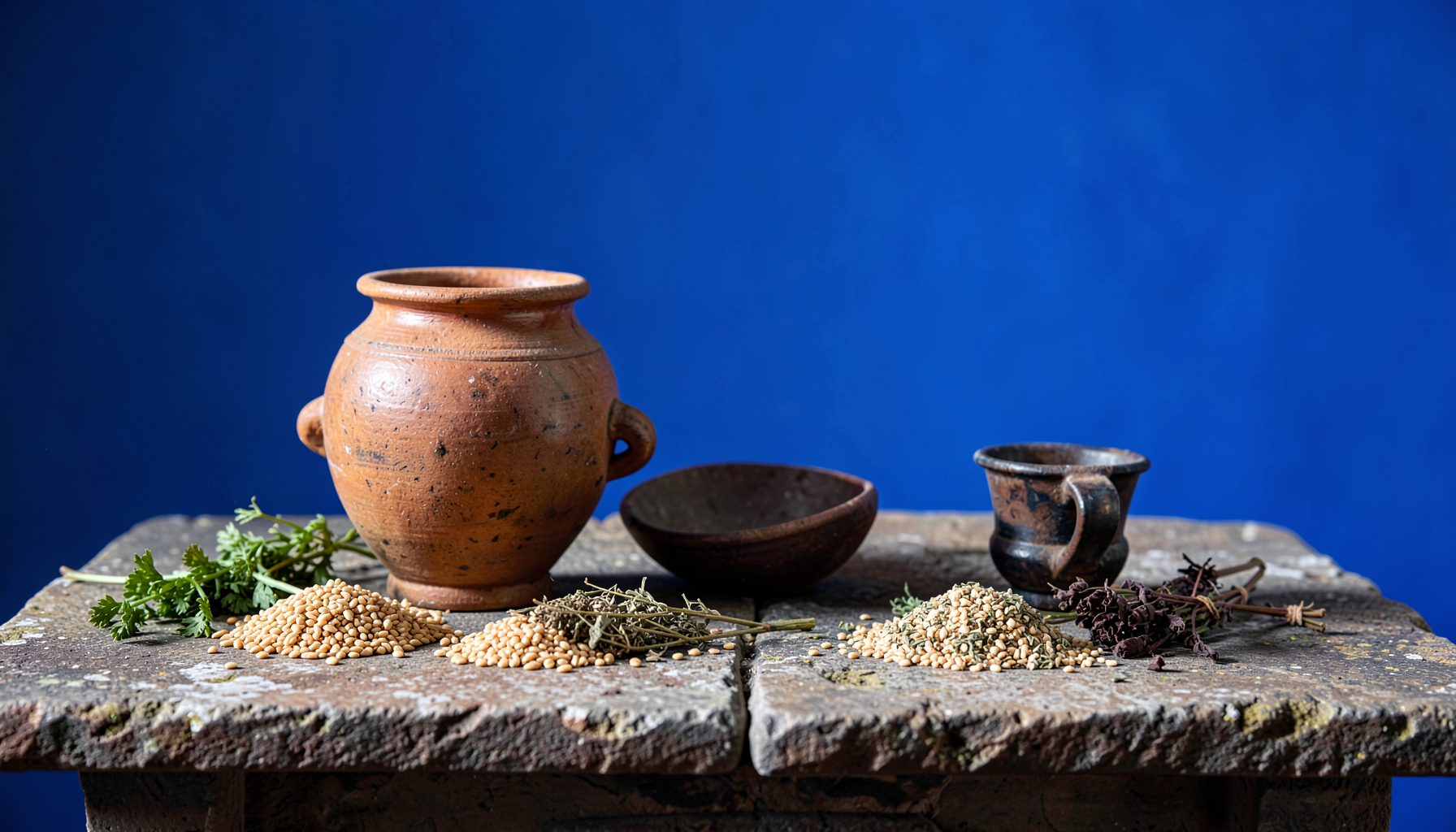
Emmer wheat is the most evocative choice for a historically inspired Egyptian cake. It has a nutty flavour and a slightly coarse texture, particularly when stone-ground. Australian cooks may find emmer flour through specialist grain suppliers, organic shops or farmers’ markets in Melbourne and Sydney. Spelt or wholemeal flour offers a practical substitute when emmer is unavailable.
A small amount of barley flour can deepen the flavour and evoke the mixed-grain character of ancient baking. Barley tends to make a loaf heavier, so it works best as part of the flour rather than the entire base. A useful modern balance is two parts emmer or wholemeal flour to one part barley flour.
The cake should remain compact. There is no need to pursue the high rise associated with a modern sponge, since chemical raising agents were not part of ancient Egyptian baking. A little sourdough starter could create a lighter crumb, but a simple mixture bound with fruit paste is more suitable for showing the texture of an early sweet loaf.
A Practical Kitchen Method
For a small batch, soak 180 grams of dried jujubes in hot water for 15 to 20 minutes. Remove any stones, then mash the softened fruit with two tablespoons of the soaking liquid. Combine 150 grams of emmer or wholemeal flour with 75 grams of barley flour, 35 grams of carob powder and a pinch of salt. Add the jujube paste, 60 millilitres of olive oil or softened animal fat, and enough water to make a dense, workable dough.
Shape the mixture into six small rounds or press it into a shallow, oiled mould. A low-sided form is preferable because a thick cake may remain wet in the centre. For a more archaeological presentation, divide the dough into individual portions, as small loaves would be easier to bake in a domestic hearth and easier to distribute as offerings or rations.
Bake at 170°C in a conventional oven for approximately 25 to 35 minutes. The surface should feel firm while the inside remains moist and chewy. A covered cast-iron pan over low heat can provide an alternative, although it requires careful turning and monitoring to prevent scorching the carob.
Flavour, Texture And Serving
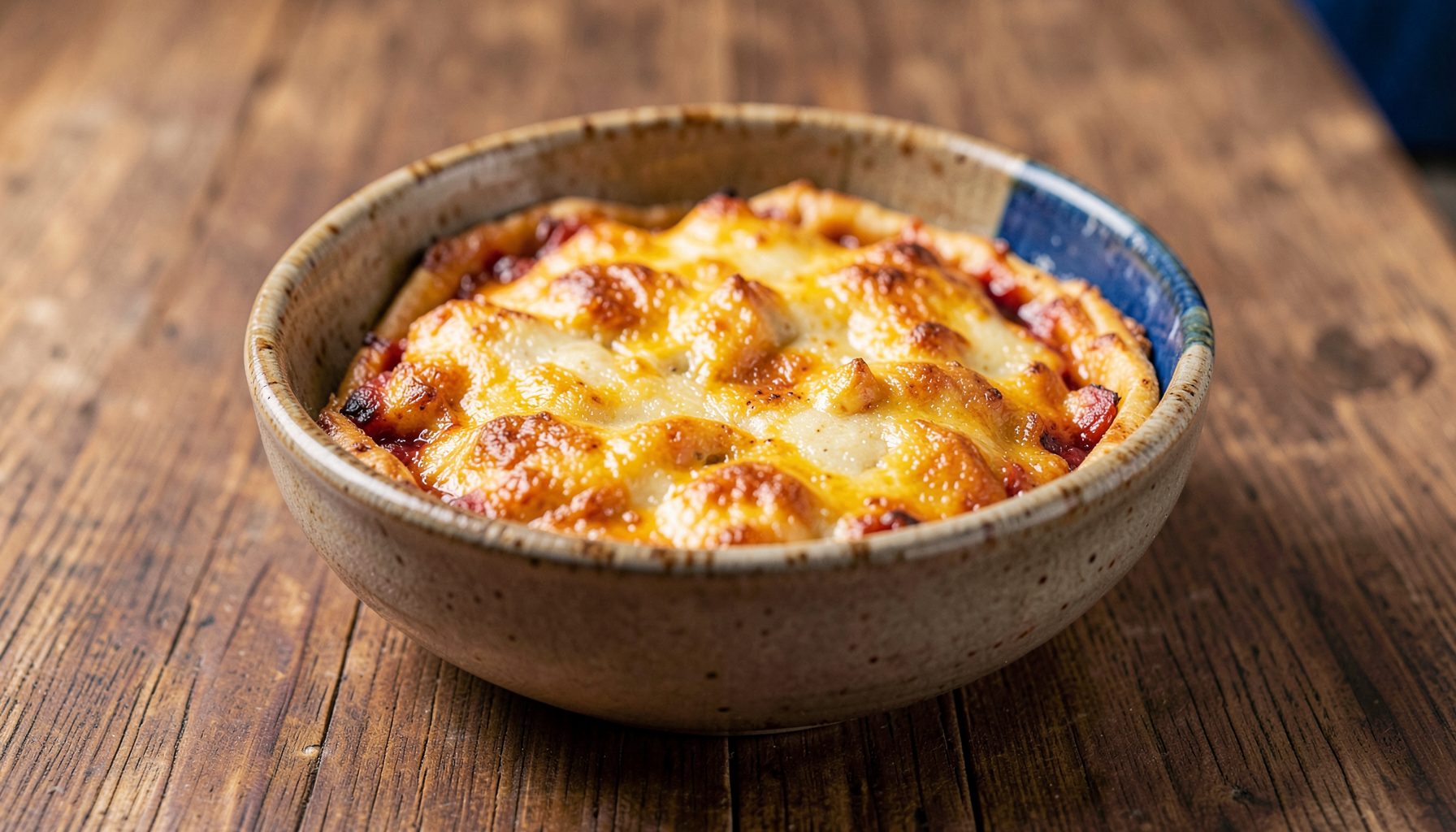
The finished cakes should be dark brown, dense and fragrant. Carob appears first with a toasted aroma, followed by the soft fruitiness of jujube. The texture is closer to a moist date loaf or a firm breakfast cake than to a modern patisserie product. Small pieces pair well with fresh fruit, unsweetened yoghurt or a little extra honey.
Ancient Egyptian meals were not isolated from social and ritual settings. Bread and sweet preparations could be connected to temple offerings, funerary provisioning, festivals or ordinary household eating. Serving these cakes with sesame, almonds or pistachios would introduce later or less securely Egyptian associations, so they are best treated as modern garnishes rather than essential historical components.
For an Australian table, the cakes suit a winter afternoon in Canberra or a warm gathering in Adelaide, where carob’s roasted character can stand in for cocoa without becoming a chocolate dessert. They also travel well, making them appropriate for a picnic or historical food demonstration when wrapped individually.
Shopping And Preparation Notes
Carob and jujube are now accessible to Australian cooks, although their availability varies by city and season. Specialist grocers, Middle Eastern food shops and online ingredient suppliers are useful sources. In Sydney and Melbourne, large multicultural markets may carry dried jujubes beside dates, figs and other preserved fruits. Australian carob powder is also available from health-food retailers and some farmers’ market stalls.
Choose ingredients with as little added sugar as possible. Jujubes sold as a snack may be heavily sweetened, which can obscure the natural fruit flavour. Carob products also vary: roasted powder is darker and more intense, while lighter powders may taste milder and sweeter.
Useful checks before baking:
- Select dried jujubes that are pliable rather than rock-hard.
- Use unsweetened carob powder with a clear roasted aroma.
- Mill or sift coarse flour for a less gritty crumb.
- Keep the cakes shallow so the centre cooks before the exterior darkens.
Simple substitutions can preserve the character of the reconstruction:
- Replace emmer with stone-ground wholemeal or spelt flour.
- Use a small amount of date paste if jujubes cannot be sourced.
- Substitute olive oil for rendered fat in a vegetarian version.
- Add a spoonful of honey only when the fruit is noticeably dry or tart.
The Australian supermarket landscape makes adaptation tempting, but each substitution changes the historical profile. Dates are more familiar than jujubes and easier to find at Woolworths, Coles or local greengrocers, yet jujube’s apple-like flavour gives the cakes their distinctive character. A Middle Eastern grocer or weekend market is often worth the extra search.
Making History Through Experimental Cooking
An ancient recipe reconstruction is strongest when it makes uncertainty visible. These cakes should be presented as a historically informed interpretation, not as a recovered formula from a papyrus. The evidence supports the use of grain, fruit sweeteners, honey and baking, while the exact combination of carob and jujube remains experimental.
That distinction reflects the wider purpose of the research project: connecting archaeology, ancient texts and practical cooking without pretending that every modern reconstruction can be proven line by line. Tasting the result adds a sensory dimension to evidence that otherwise remains abstract in a museum case or scholarly catalogue.
For a food-history event, prepare the dough in front of the audience and explain why the mixture is dense, why the fruit is soaked and why the cake is not decorated like a modern dessert. Compare carob with cocoa, let visitors smell dried jujube and discuss how trade, preservation and seasonality shaped the ancient Egyptian pantry.
Bake a batch, record the flour and fruit used, and note how the texture changes with different ovens or sweeteners. Share the results with the Archeoricette community through the contact page, and use each experiment to bring ancient foodways a little closer to the modern kitchen.