Ancient Egyptian Lettuce Cultivation, Oil Seeds, and Sacred Rituals
The mention of lettuce in ancient sources usually brings to mind crisp European salads, yet in the Nile valley this leafy annual served purposes that stretched from kitchen to temple. Egypt's farmers tended several distinct forms, some prized for oily seeds and others reserved for rites of fertility and regeneration. Understanding how the Egyptians grew, harvested, and used lettuce opens a doorway into daily life along the river, where agriculture and religion shared the same soil.
Ancient growers had no need for imported seed catalogues or polytunnels; their success depended on the rise and fall of the Nile flood and the texture of the alluvial soil. Archaeological finds, tomb paintings, and surviving papyrus fragments preserve a detailed picture of the crop, including the moment when stiff stems were left in the field specifically to ripen seeds for pressing.
Lactuca sativa appears in the Egyptian record from at least the New Kingdom onwards, with some scholars pushing its presence back into the late Predynastic period. Growers cultivated both a tall bolted form that yielded abundant seed and loose-leaf varieties used in food and medicine. This dual purpose sets Egyptian practice apart from later Mediterranean cultivation, where the plant was grown almost exclusively for its tender leaves.
For readers wanting to set the wider scene for ancient foodways, archival cooking notes show how experimental cooks approach heirloom produce today, including leafy greens that echo the Egyptian harvest. Australian readers curious about heirloom seeds and culinary history can find a similar spirit at growers' stalls in Melbourne, Adelaide, and Hobart, where heritage vegetables pass between hobby farmers and chefs.
Origins and varieties of cultivated lettuce
The wild ancestor of all cultivated lettuces is Lactuca serriola, a prickly plant found from Iran to the British Isles. In Egypt, growers selected a tall, robust type sometimes called "Cos" in later European terminology, though the ancient strain differed, with thicker midribs and a slower bolting habit. Tomb illustrations from the New Kingdom show gardens where rows of leafy greens stand at uniform height, suggesting organised sowing rather than scattered gathering.
Egyptian agricultural texts mention at least three forms: a smooth-leafed type eaten raw, a rougher variety used in cooking, and a tall cultivar grown for its seed. The last, often labelled Lactuca sativa var. sativa, was the workhorse of oil production. Its flowering stalks reached over a metre before harvest, producing thousands of narrow achenes resembling tiny wheat grains.
Egyptian farmers kept seed from year to year, choosing heads with the desired balance of leaf quality, stalk height, and seed yield. This ancestral knowledge still echoes in Australian heirloom circles, where groups such as the Diggers Club in the Dandenong Ranges steward rare vegetable lines passed down through families and small farms.
How the Nile valley growers raised the crop
Cultivation followed the rhythm of the inundation. Once floodwaters receded and the soil dried enough to walk on, beds were prepared with hand tools, often a wooden hoe and a short digging stick. Seeds were broadcast or placed in shallow drills, then covered and lightly trampled to improve contact with moist earth. Within a week, green shoots pushed through and the crop was thinned to a regular spacing.
Irrigation was meticulous. Scribes recorded canal openings and closings, and lettuce plots were watered by bucket-and-shovel or through shallow basins cut between rows. The aim was to keep soil damp but never waterlogged, since too much moisture encouraged fungal attack on lower leaves. Australian gardeners watching their lettuces bolt on the first warm spring day will recognise the same tension, since the plant's preference for cool weather is universal.
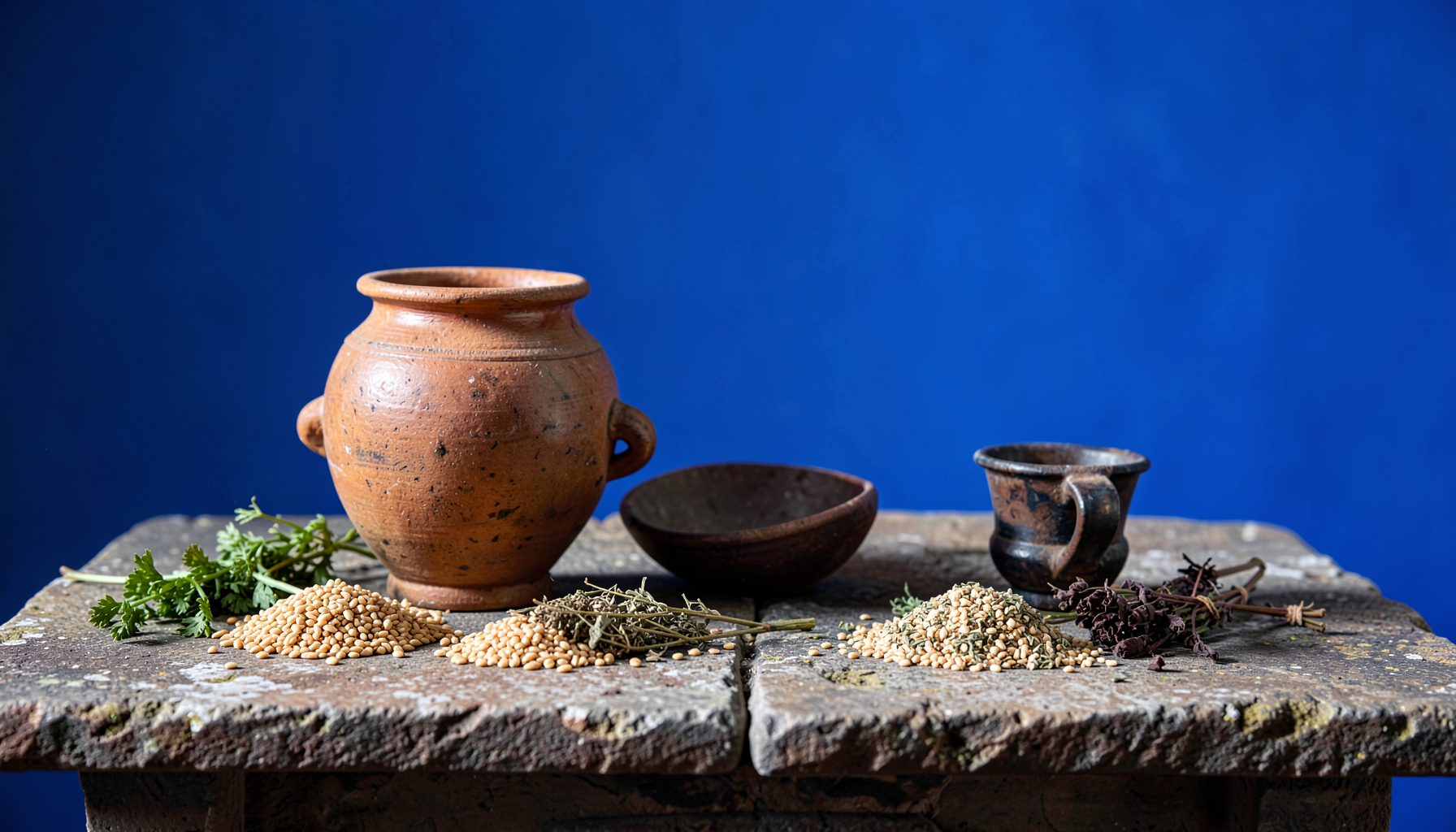
For leaf use, harvesting began six to eight weeks after sowing, with outer leaves cut individually to allow the plant to keep growing. For seed production, growers left the head undisturbed, letting the central stalk elongate, flower, and set seed. Harvested stalks were sun-dried, threshed with sticks, and winnowed in trays, much like wheat, before storage in jars for later pressing.
A useful parallel appears at Adelaide Showground Farmers' Market, where stallholders sometimes advise: "give it a bit of shade in the arvo and it'll keep going longer." The underlying insight, delaying bolting through clever timing and partial shade, would have made sense to a grower on the Nile floodplain three thousand years ago.
Oil pressed from lettuce seeds in antiquity
Oil in ancient Egypt came overwhelmingly from sesame, linseed, and castor, yet lettuce seed oil has a definite, if minor, place in the documentary record. The Ebers Papyrus, a medical text of the late second millennium BCE, refers to an oily preparation derived from lettuce seed used in salves and poultices. Pressing was carried out in stone or wooden mortars, often with a little water to help release fat from the small seed.
The yield is modest compared with linseed or sesame, around twenty to thirty per cent oil by weight, which explains why it never became a bulk commodity. Yet it had distinct advantages: a mild, slightly nutty flavour that did not overpower medicinal ingredients, and a relatively quick drying time, making it useful for unguents. Pharmacologists valued it because it was gentler than more pungent alternatives.
For ritual purposes, the oil served as a vehicle for aromatic resins and ground spices. Small alabaster jars from temples at Karnak and Abydos sometimes show residue consistent with such mixtures, and their labels reference plant ingredients that include lettuce. The Egyptians were masters of blending oils with other substances to create specific sensory effects, and lettuce seed oil slotted neatly into this practice.
Sacred uses in temples and funerary rites
The sacred side of Egyptian lettuce centres on two interlocking beliefs. The milky latex from the cut stem was associated with fertility, while the stalk heavy with seeds echoed myths of rebirth and the regeneration of the sun. Together these associations made lettuce a powerful symbol at festivals honouring Min, god of male sexual potency.
Depictions at the white temple of Medinet Habu show processions with priests carrying bundles of a leafy plant, almost certainly lettuce, as offerings to Min. The festival calendar of el-Kab records a specific celebration called the "Raising of the Lettuce," during which the king or his representative presented tall stalks before the deity. Surviving bundles from tomb shafts show dried stems and seed heads still intact.
Funerary practice also used lettuce. Garlands placed on mummies and on offering tables sometimes included lettuce leaves, both for symbolic meaning and because the milky sap was thought to assist the deceased. Coffin texts describe the deceased "emerging like a lettuce seed" into a new existence, tying seed-bearing directly to hopes for the afterlife.
Archaeological traces and textual references
The archaeological evidence is fragmentary but consistent. Carbonised lettuce seeds have been identified at Amarna in jars that also held coriander and fenugreek, suggesting a standard kitchen assemblage. Pollen from the Delta and the Fayum confirms the plant was grown close to settlements rather than gathered wild.
Written evidence is more abundant. Papyrus fragments from Deir el-Medina include ration lists that mention "green stalks" and small quantities of "garden oil" derived from them. Greek visitors in the Hellenistic period, including Diodorus Siculus, comment on the Egyptian habit of eating lettuce before feasts to increase appetite, an indirect nod to its tonic qualities.
For those interested in the wider Mediterranean story of seed crops, related work on Etruscan chestnut cultivation shows how agricultural know-how travelled between cultures along trade routes that reached from the Levant to the central Mediterranean.
Bringing ancient flavours back, with Australian growers
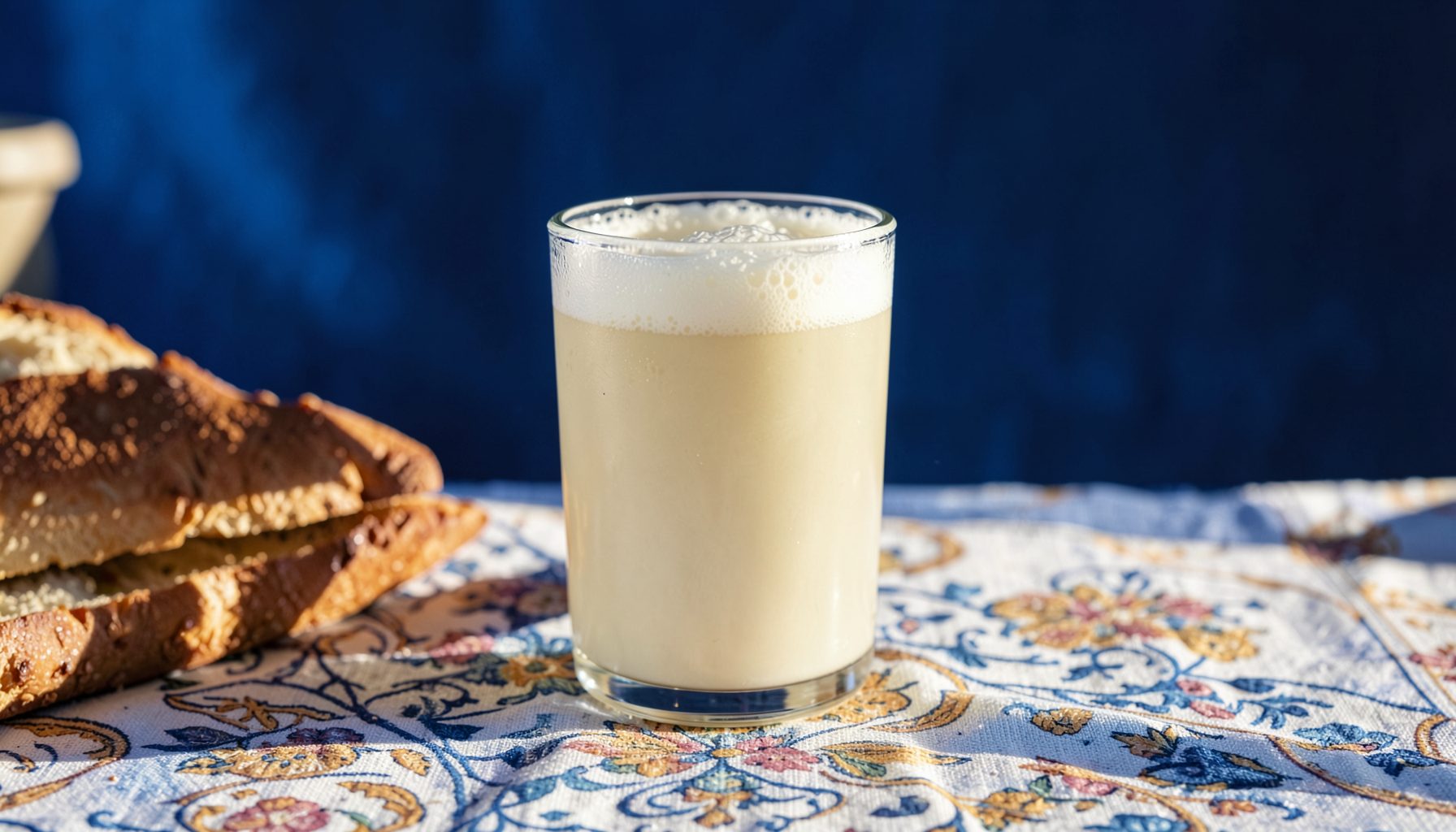
Researchers and home cooks have reconstructed Nile valley gardens with period-style hand tools, sowing lettuce in autumn and tending it through cool months to mimic the Egyptian growing season. The results confirm leafy varieties raised today resemble those on tomb walls, while the seed-oil strain produces a distinctive, gently flavoured oil suited to salads and finishing dishes.
Australian interest is quietly growing. Visitors to Queen Victoria Market in Melbourne, or organic stalls in Sydney's inner west, sometimes spot Egyptian heirloom lettuce alongside European and Asian varieties. Adelaide Hills growers have trialled seed lines from European heritage exchanges, and the conversation often turns to seeds, soil, and the satisfaction of growing something with a real lineage.
A short comparison of the main types helps situate modern trials:
| Lettuce type | Main use | Days to harvest | Oil yield | Notes for growers |
|---|---|---|---|---|
| Smooth-leaf Egyptian type | Fresh leaves and salads | 55–65 | Low (15–20%) | Quick to bolt in heat |
| Coarse-leaf cooking type | Cooked greens, stews | 60–75 | Low (15–20%) | Tolerates tougher conditions |
| Tall seed-strain type | Seed for oil pressing | 90–120 (to seed) | Moderate (25–30%) | Needs long cool season |
| Wild Lactuca serriola | Ancestral wild form | Variable | Very low | Not usually cultivated |
Readers can find related material in the published books list of the project.
Choosing varieties and methods for small-scale trials
Before beginning, anyone sharing photos, recipes, or written reconstructions online should review the project legal terms to ensure their documentation respects the research shared here.
- Source Egyptian-type seed lines through specialist heritage exchanges, checking provenance carefully.
- Sow in cool months, either autumn in temperate regions or winter in frost-free zones, to avoid premature bolting.
- Leave part of the crop unharvested to set seed, then thresh and store the achenes for small-batch pressing.
- Try the cold-pressed oil as a finishing ingredient over broad beans, roasted vegetables, or simple flatbreads.
- Keep notes on growth, flowering time, and yield, and share results with local seed-saving networks.
Now is the right moment to plant a small bed, gather seed at the right time, and taste the result of three thousand years of patient selection.