Ancient Greek sheep and goat cheese in the poetry of Theocritus
Theocritus's Idylls, composed in the third century BCE, preserve some of the most vivid Mediterranean snapshots of daily life to survive from classical antiquity. Among the songs of harvest, the contests of herdsmen, and the complaints of lovelorn goatherds, there runs a constant thread of milk, curds, and cheese. Reading him today, a curious cook can almost taste the brine on a wedge of fresh sheep's milk cheese pressed in a wooden frame, or smell the wood smoke curling around a shepherd's pot.
For Australian readers the resonance is closer than might at first appear. Across Victoria, Tasmania, and the lush highlands, small dairies still turn out sheep and goat milk cheeses using methods that have changed surprisingly little in two and a half millennia. The relationship between poet and cheese, between landscape and flavour, is something that anyone who has wandered through the Queen Victoria Market on a Saturday arvo, or stopped at a Bruny Island cellar door, will recognise.
Theocritus and the pastoral Idylls
Born in Syracuse but educated on the island of Cos, Theocritus gathered older folk traditions into a literary form that would shape European pastoral for centuries. His Idylls are short dramatic vignettes set in the countryside, where shepherds and goatherds pass the time singing, competing, and above all eating. Food is never a backdrop; it is the medium through which the characters relate to one another and to the land. Cheese appears as a gift, a wager, a midday meal, and a measure of quiet prosperity.
The world he describes is not a fantasy Arcadia but the working countryside of Sicily, southern Italy, and the Aegean. Shepherds there did not only tend their flocks; they processed the milk on the spot, producing fresh cheese for their own households and a surplus that travelled to towns along well-worn routes. When a character in Idyll V offers a bowl of pounded goat's milk cheese mixed with honey, the gesture is ordinary and authentic. Theocritus was documenting what he had seen, not inventing a literary motif.
Sheep and goat husbandry across the Greek world
Greek pastoralism relied on mixed flocks. Sheep provided wool, milk, and meat in roughly equal measure, while goats thrived on the scrubby, sun-baked hillsides where sheep would have struggled. Theocritus's goatherd in Idyll III is not a figure of fun; he is a serious practitioner who knows his animals by name. The milk of each species behaves differently in the cheesepot, and ancient makers used both, sometimes in combination, to balance yield against flavour.
A ewe producing milk in spring would continue for several months before being dried off, while goats often lactated for longer and produced a softer, slightly sweeter curd. Many households kept just a handful of animals, which meant cheesemaking was a domestic scale operation repeated thousands of times across every village. The surplus was sold at local markets, where town dwellers without their own livestock could buy a wedge of pressed curd wrapped in fig leaves. The Roman cheesemakers who later built on these methods developed their own pungent flavour enhancers, including the asafoetida substitute used in place of silphium in certain recipes.
Milk, curds, and the first stirrings of cheese
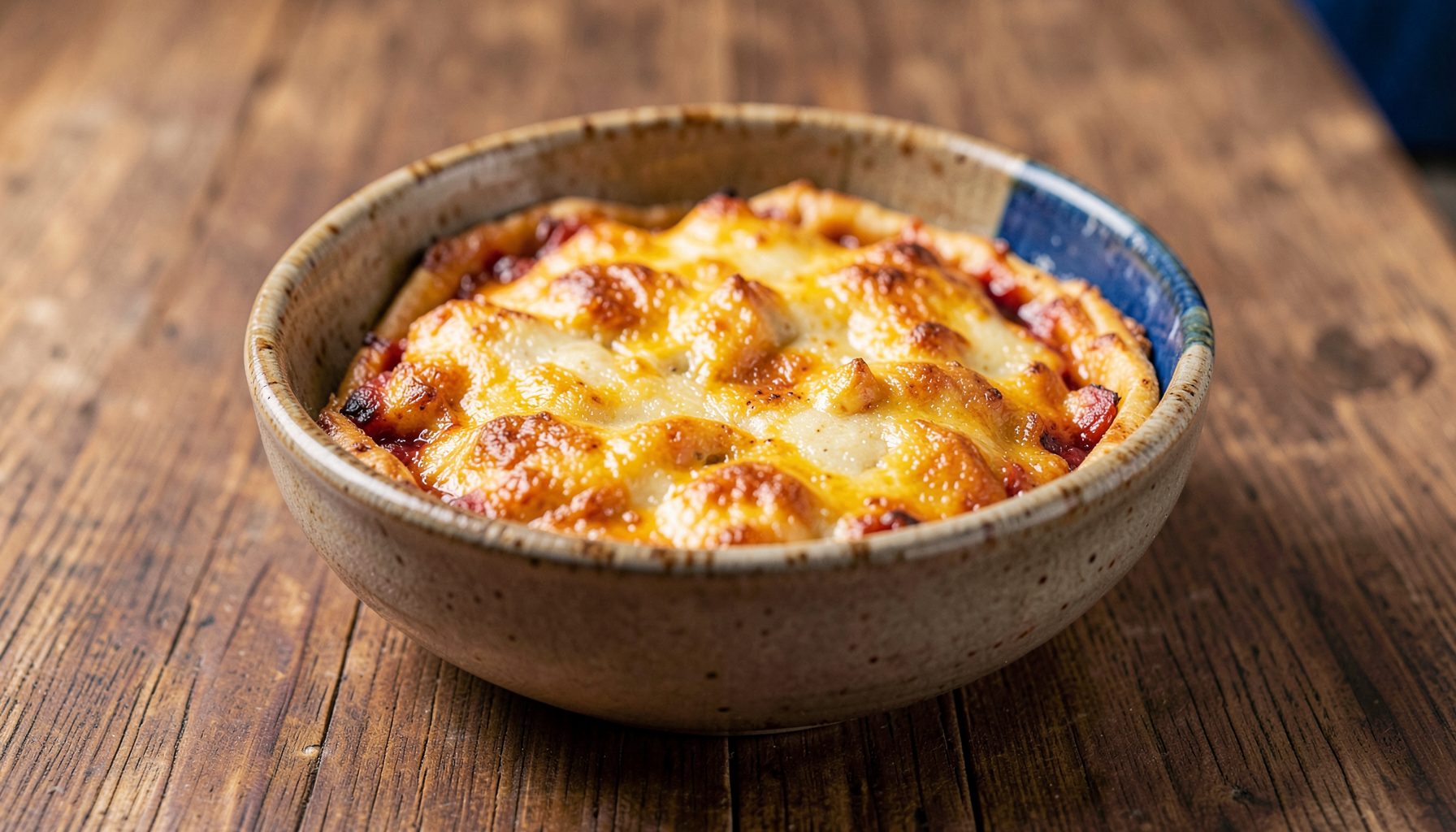
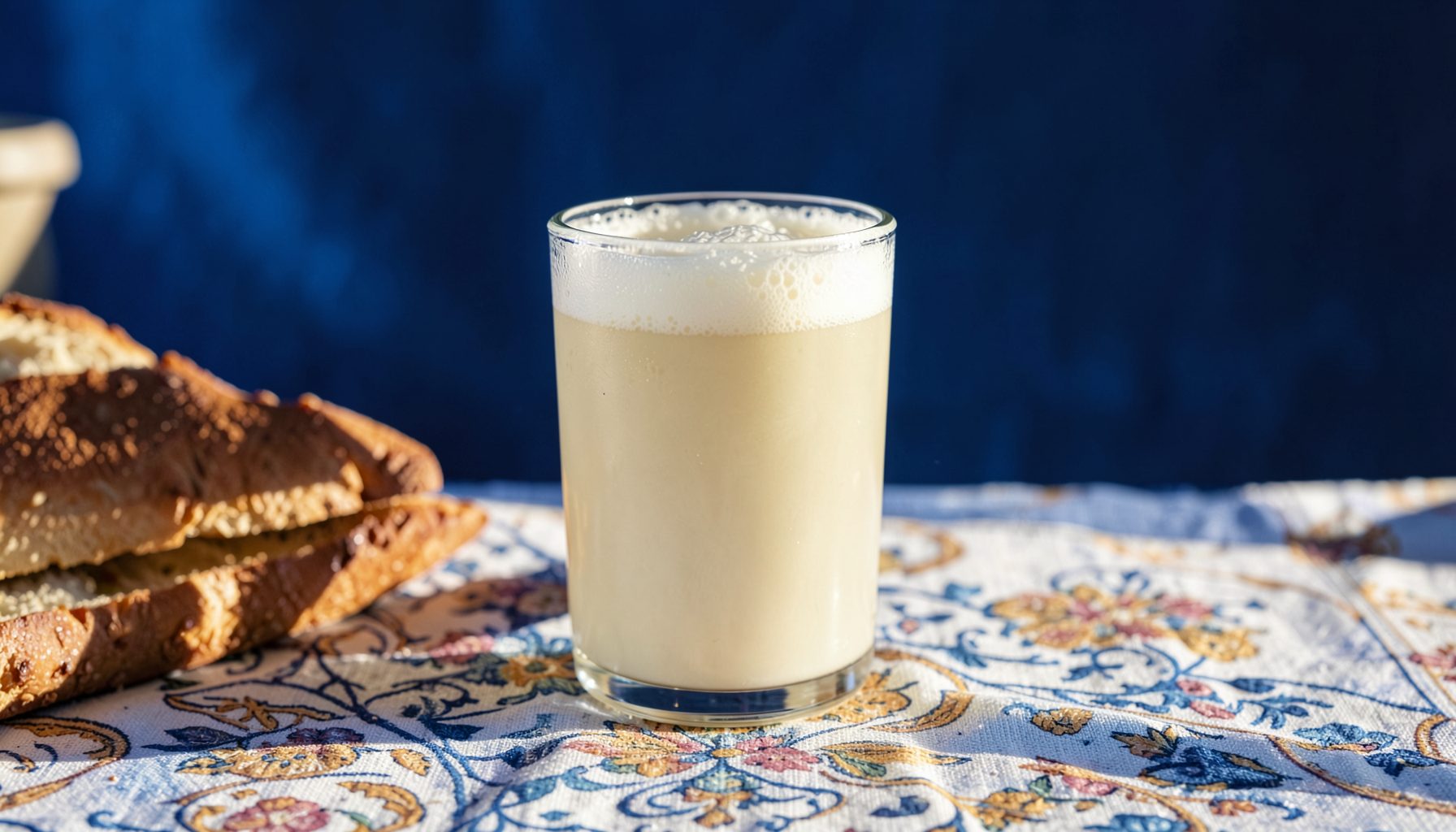
The transition from milk to cheese happens with surprising speed once a starter or rennet is introduced. Theocritus mentions the use of fig sap and the stomach lining of a young animal, both of which contain rennet-like enzymes capable of curdling warm milk. Once the curd had set, it was ladled into cloth or pierced baskets to drain, then pressed under stones or in simple wooden frames. The result was a fresh, white cheese that could be eaten within days, or salted and stored in brine for months.
What is striking, reading Theocritus alongside modern cheesemaking manuals, is how little the basic chemistry has changed. The same coagulation, the same drainage, the same gentle pressing produce, today as then, a cheese whose character depends almost entirely on the milk and the landscape that produced it. A Tasmanian sheep dairy working with Friesian ewes in the cool maritime air, or a Victorian goat farm in the foothills of the Strathbogie Ranges, will tell you the same thing the Sicilian goatherd knew: the animal eats, the milk remembers, and the cheese cannot help but taste of the place.
Tools, techniques, and the cheesemaker's craft
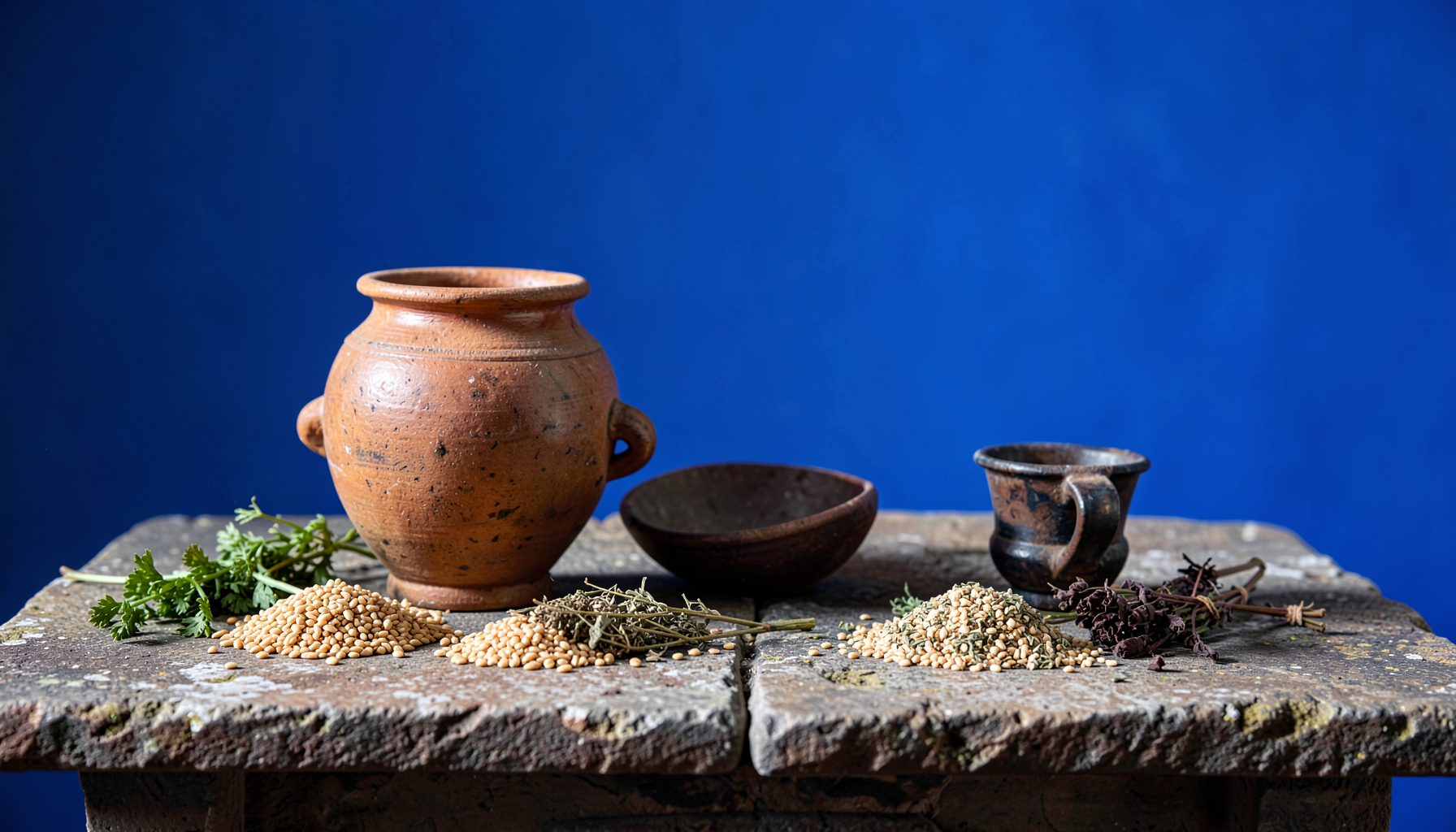
The physical kit of the ancient cheesemaker was modest and portable. Baskets of woven reed or wicker, often with holes punched through to let the whey escape, served as the basic mould. Cloth strainers, wooden presses weighted with stones, broad shallow basins for the curd, and shallow ceramic vessels for storing brine completed the kit. None of these required a specialist workshop, which is why cheesemaking could travel with the flock during the seasonal movements between lowland pasture and high summer grazing.
The sequence itself was simple enough to commit to verse. Warm milk drawn that morning, rennet stirred in with a willow stick, the curd left to firm while the shepherd tends his flock, then cut, ladled, drained, pressed, salted, and set aside. Anyone who has joined a cheesemaking workshop in the Adelaide Hills, where the same steps are still demonstrated for visitors, will recognise the cadence of the day. There is a reason the rhythm feels familiar; it is almost identical.
Tools of the ancient Greek cheesemaker
- Pierced reed baskets used as moulds and draining forms
- Wooden frames weighted with stones to press the curd
- Ceramic pots for brine, whey, and finished cheese
- Cloth strainers of linen or wool for separating curds
Cheese in Theocritus's Idylls: specific scenes
Several Idylls place cheese at the centre of their action. In Idyll I, the shepherd Thyrsis sings of a great cheese, a great cup of wine, and the love that binds him to a goatherd; the cheese is both refreshment and gift, the substance of hospitality. In Idyll VII, the characters argue over who is the finer singer while a basket of fresh curds sits between them, ready to be eaten with bread. In Idyll XI, the Cyclops Polyphemus famously woos the sea nymph Galatea with promises of a milk pail brimming and a cheese shaped freshly from the whey.
These are not incidental details. They reveal how cheese marked time, marked seasons, and marked relationships. A gift of cheese was a binding gesture, a wager of cheese settled an argument, and the right cheese at the right moment could even soften a giant's heart. Reading these scenes, one gets the sense that cheese was the original currency of pastoral sociability, exchanged as freely as conversation. The figure of the shepherd with his pail and his basket is, for Theocritus, a figure of self-sufficiency and quiet dignity.
Regional varieties and the ancient cheese trade
Although Theocritus treats cheese as a single, recognisable category, the wider Greek world knew several distinct styles. Some were fresh and soft, eaten within days; others were rubbed with salt, dried in the sun, and stored for long periods. Coastal communities produced brined cheeses wrapped in leaves, while mountain cheesemakers in Arcadia or Aetolia pressed harder, drier wheels for winter use. These regional types are the ancestors of the brined cheeses still eaten across the eastern Mediterranean.
By the Roman period these regional styles had spread along the trade routes that connected the Aegean to Gaul and beyond. The same routes carried amphorae of wine, sacks of grain, and the occasional exotic seasoning. From a small Sicilian dairy described by Theocritus, an unbroken line of technique, taste, and trade runs forward to the artisan cheese counter at a Melbourne farmers' market, where a wedge of aged sheep's milk cheese might sit beside a loaf of sourdough and a jar of honey, all of it recognisable to a Sicilian goatherd of the third century BCE.
Notable varieties named or implied in ancient sources
- Soft fresh cheeses eaten within days of pressing
- Brined cheeses wrapped in fig or vine leaves
- Hard pressed wheels rubbed with salt and dried in the sun
- Smoked cheeses cured over the shepherd's fire
Reconstructing ancient recipes in a modern kitchen
Experimental archaeologists and passionate home cooks have begun to revive these recipes in earnest. Working from Theocritus, Homer, and later Roman sources, they have reconstructed methods for fresh sheep and goat cheeses, for brined varieties wrapped in leaves, and for smoked preparations preserved over wood fires. The results are surprisingly close to the descriptions in the ancient texts, which suggests that the texts themselves were grounded in observation rather than literary invention.
Australians are well placed to join in this revival. Tasmania in particular has emerged as a hub of sheep dairying, while small goat dairies dot the coastal strip of New South Wales and the cooler valleys of Victoria. A weekend workshop in the Adelaide Hills, a cheesemaking course at a TAFE in regional Queensland, or a visit to a dairy on the Mornington Peninsula offers hands-on access to techniques that would have been entirely familiar to Theocritus's goatherd. The equipment is modern, but the sequence of steps is the same: warm the milk, set the curd, drain, press, salt, and wait.
Bringing these recipes to life in a modern kitchen is a small act of historical recovery. It reconnects the cook to a tradition two and a half millennia old, and it does so through the senses rather than the page. Whether you keep a few goats in the backyard, source fresh sheep's milk from a local dairy, or simply want to understand what Theocritus was writing about, the pleasures of the pastoral table are within reach.
The Idylls were never meant to be read in silence. They were written to be tasted, smelled, and shared, just like the cheese they describe. After a long arvo spent pressing curds and chatting with the cheesemaker, many Aussies unwind with a cheeky spin of the reels and look for casual pokies strategies to make the most of their downtime. Pour a little wine, slice a wedge of fresh sheep's milk cheese, and let the ancient world come to your own kitchen bench. The tradition is waiting, and the milk is fresh.