Egyptian Tamarind and Fenugreek in Sauces and Medicine
Ancient Egyptian food history is often reconstructed from fragments: a seed found in a settlement, a medicinal recipe copied by a scribe, a wall scene showing bread or beer, or a word preserved through later languages. Tamarind and fenugreek belong to this world of partial evidence, but they do not stand on equally secure ground. Fenugreek has a strong place in Egyptian culinary and medical history, while tamarind requires a more cautious discussion of trade, later terminology, and plausible rather than proven use.
Both ingredients are valuable for understanding how ancient cooks connected flavour with bodily care. Fenugreek brings a warm, toasted bitterness that can deepen a pulse stew or sauce. Tamarind contributes a sharp, fruity acidity, similar in purpose to sour grape juice, vinegar, or fermented fruit. Combined carefully, they create a sauce that feels ancient without pretending that a modern reconstruction is an exact surviving recipe.
For Australian readers, the ingredients are readily accessible. Fenugreek seeds are common in Indian grocers and spice aisles, while tamarind is sold as a pressed block, concentrate, or bottled pulp in shops serving South Asian and Southeast Asian communities. A visit to Melbourne’s Footscray markets, Sydney’s Lakemba shops, or Adelaide Central Market can reveal several forms of each ingredient, all with different strengths and levels of processing.
Evidence Before Recipe
Fenugreek, or Trigonella foenum-graecum, was cultivated across the eastern Mediterranean and western Asia and became familiar in Egypt at an early date. Archaeological and textual evidence supports its use as a food, a scented ingredient, and a medicinal plant. Ancient Egyptian medical texts describe preparations involving plants, oils, beer, honey, and animal products, although identifying every plant name with a modern species remains difficult.
The Egyptian medical papyri do not function like modern pharmacopoeias. A prescription may specify grinding, soaking, heating, or mixing an ingredient with beer or honey, but the purpose can be symbolic, practical, or both. Fenugreek’s mucilaginous quality, aromatic seed, and bitter taste made it suitable for preparations concerned with digestion, inflammation, respiratory complaints, and general strengthening. These associations should be treated as historical evidence, not as proof of clinical effectiveness.
Tamarind presents a different problem. The tree is native to tropical Africa and was widely cultivated and traded in South Asia, but secure evidence for tamarind as a standard pharaonic Egyptian ingredient is limited. The familiar Arabic name developed much later, and references in medieval or early modern sources cannot automatically be projected backwards into the age of the pyramids. A responsible reconstruction marks tamarind as a possible imported souring agent rather than an established staple of ancient Egyptian kitchens.
Fenugreek In Egyptian Practice
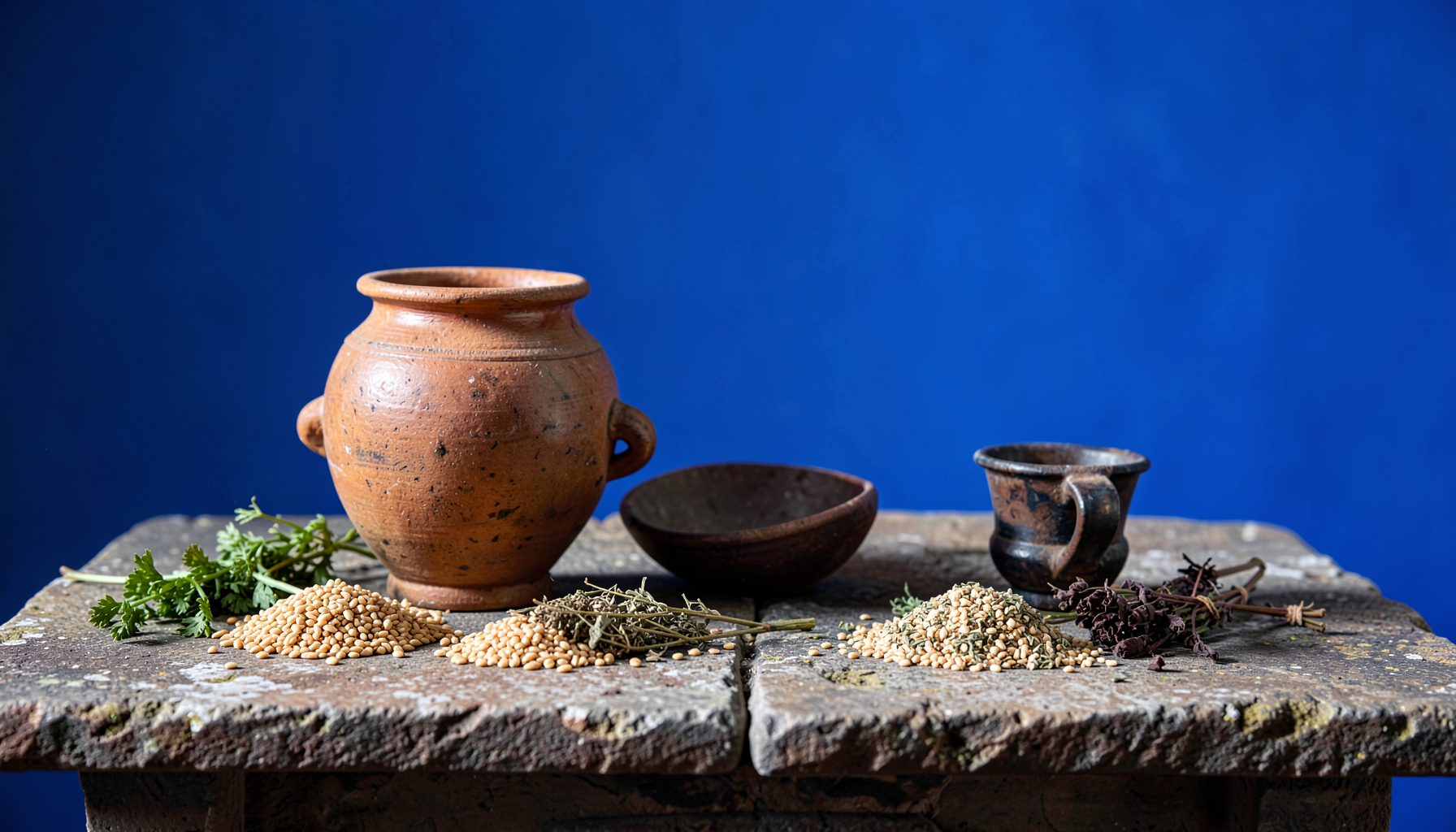
Fenugreek seeds are small, angular, and intensely aromatic. When raw, they can taste harshly bitter; when dry-roasted, they release notes of maple, celery, toasted grain, and warm spice. This transformation matters in a sauce. Ancient cooks who heated seeds in fat or added them to a simmering mixture would have reduced their raw bitterness while drawing out their fragrance.
Egyptian foodways relied on cereals, legumes, onions, garlic, leeks, dates, figs, grapes, fish, poultry, and occasional meat. A fenugreek sauce could have worked with several of these foods, especially a thickened pulse dish or a fish preparation. Its flavour would have complemented coriander, cumin, dill, garlic, and sour fruit. There is no surviving recipe proving a particular combination, but the ingredients fit the broader agricultural and culinary setting.
The medicinal dimension is equally important. Fenugreek was associated in later Egyptian traditions with soothing drinks, poultices, warming preparations, and support for lactation. Such uses help explain why a plant might move easily between kitchen and medicine chest. In ancient societies, the distinction between a relish, a restorative drink, and a remedy was often fluid: the same seed could be consumed for taste, nourishment, ritual value, or perceived therapeutic benefit.
Tamarind, Trade, And Historical Caution
Tamarind pulp has a distinctive sourness balanced by caramel-like fruitiness. In modern Egyptian and Middle Eastern cookery, tamarind appears in drinks, sauces, chutneys, and marinades, but those uses reflect long histories of trade and cultural exchange rather than necessarily surviving pharaonic practice. Dates, fermented beverages, sour grapes, pomegranates, and unripe fruits offer better-attested ancient alternatives for acidity.
The most useful approach is to distinguish historical layers. A sauce made with fenugreek, dates, garlic, and sour grape juice may be presented as a conservative Egyptian reconstruction. The same sauce made with tamarind can be described as an experimental version inspired by ancient souring principles and later Afro-Asian exchange. This distinction gives readers a richer history than an unsupported claim that tamarind was common in every ancient Egyptian kitchen.
Tamarind also demonstrates how ingredient names can mislead. A modern label may conceal several forms: pressed pulp with seeds, sweetened concentrate, salted paste, or a ready-made sauce containing sugar and preservatives. Reading the ingredient list is essential. In Australia, the product found in a Thai grocer in Brisbane may be much sweeter and thinner than the dense block sold by an Indian spice merchant in Melbourne.
Building Sauces From Ancient Clues
A historically informed sauce does not need a precise ancient formula. It needs a believable method grounded in known ingredients and cooking habits. Begin by roasting a small quantity of fenugreek seeds until fragrant, then crush them with coriander seed, cumin, garlic, and salt. Add the mixture to a base of onion softened in oil, or simmer it with mashed dates and a little water for a thicker relish.
For the sour element, tamarind pulp can be diluted and strained before it is added near the end of cooking. This preserves its brightness. A spoonful of honey can round out the acidity, although the amount should remain modest because ancient honey was valuable and modern commercial honey is often sweeter than historical varieties. Readers interested in the wider role of honey in ancient food can compare this sauce with ancient honey practices, particularly the connection between preservation, ritual, and sweetened foods.
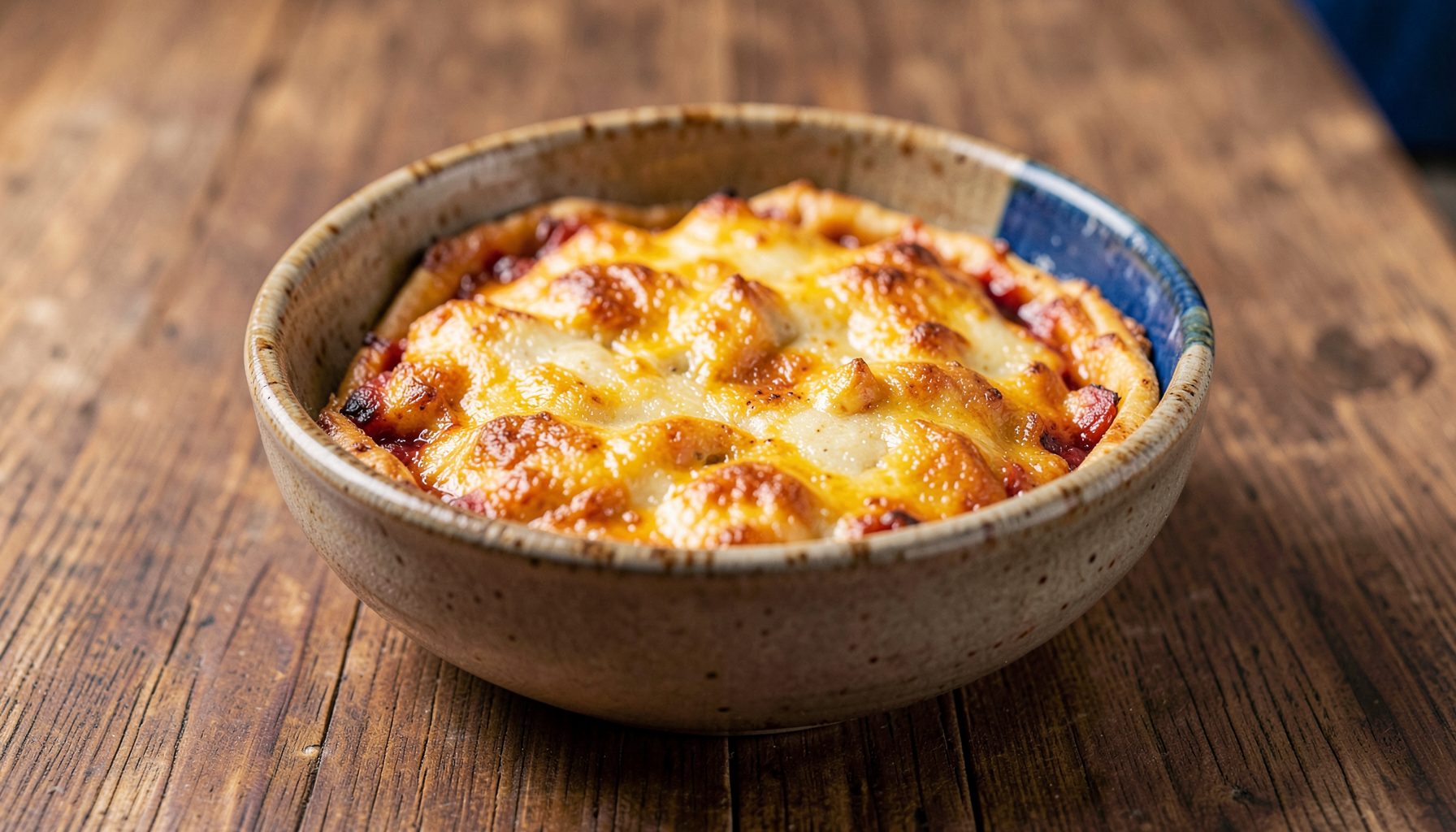
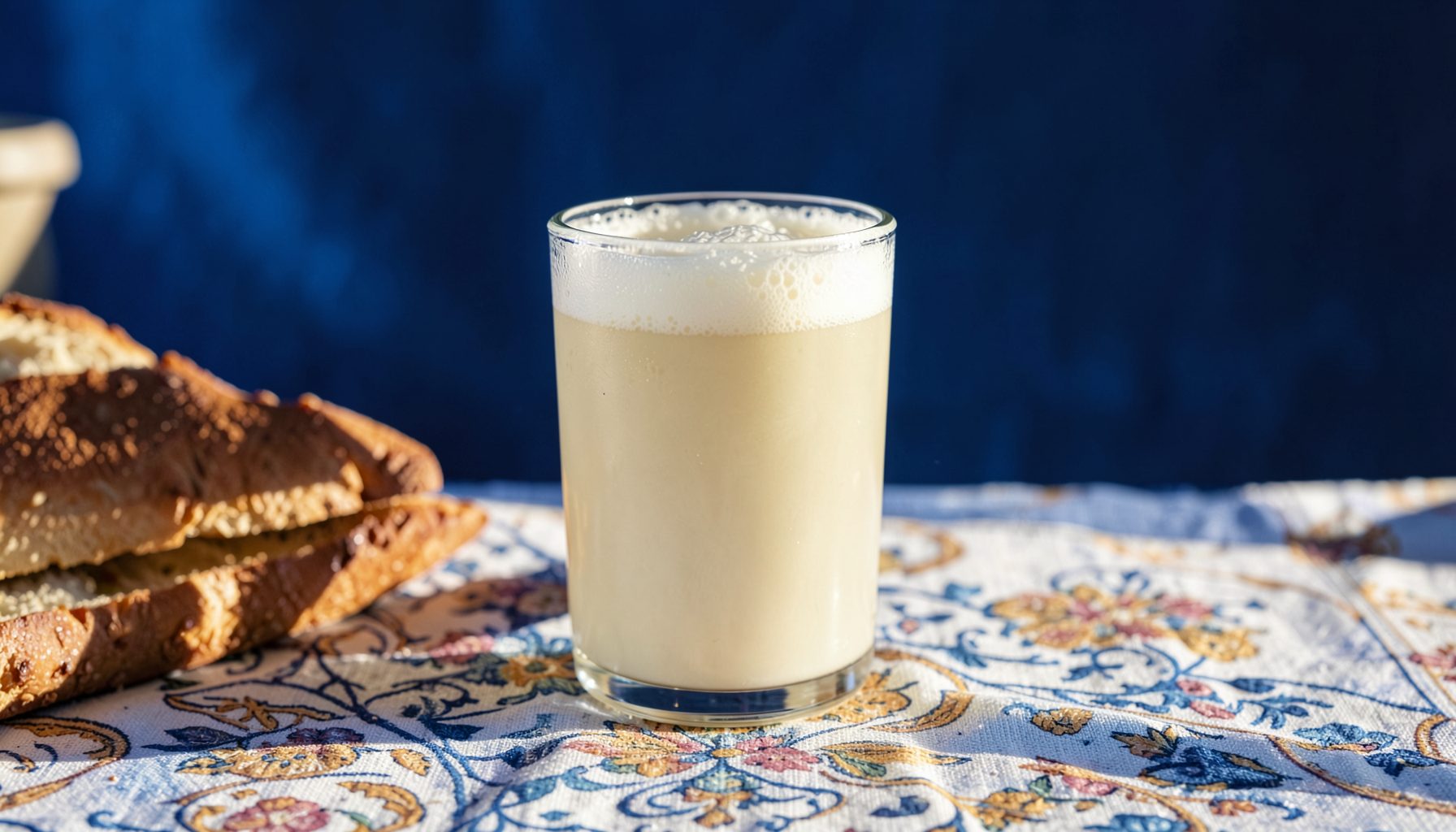
The result may be served with lentils, barley cakes, grilled fish, roast vegetables, or plain bread. For an Egyptian-inspired table, pair it with onions, garlic, fresh herbs, dates, and a lightly fermented grain drink. A modern cook can use olive oil, but the sauce should remain restrained: ancient flavour does not require a crowded spice cupboard or a thick layer of chilli.
Medicine, Memory, And Safe Interpretation
Historical recipes for health should be handled with care. Fenugreek has a long record of traditional use, yet traditional use is not the same as medical proof. Large amounts may interact with medicines, affect blood sugar, or cause digestive discomfort. Tamarind is generally eaten as a food, but concentrated products can contain added sugar, sodium, or preservatives. Neither ingredient should be presented as a replacement for professional medical treatment.
This caution does not diminish their historical importance. Medical texts reveal what Egyptians believed about the body, balance, heat, moisture, digestion, fertility, and recovery. Food offered a practical medium for those ideas because it was available, measurable, and easy to combine with beer, honey, oil, or water. A fenugreek drink may have been valued as much for its warming aroma and familiar preparation as for any pharmacological effect.
Reconstructing these practices also invites comparison with Australian food culture. Native ingredients such as wattleseed show how roasting can transform a seed’s flavour, while contemporary home cooks often use tamarind in barbecue marinades, dhal, seafood sauces, and salad dressings. The comparison should not collapse distinct traditions, but it can help modern readers recognise how souring agents and toasted seeds shape a meal.
Practical Reconstruction Guide
Use the following method to create a historically sensitive sauce while keeping the balance pleasant for a modern Australian table:
- Dry-roast ½ teaspoon of fenugreek seeds over low heat until aromatic, taking care not to burn them.
- Crush the seeds with 1 teaspoon each of coriander seed and cumin, plus a small pinch of salt.
- Simmer one chopped onion, one garlic clove, and two chopped dates in a little olive oil until soft.
- Stir in 1–2 teaspoons of strained tamarind pulp, adding water gradually until the sauce is pourable.
- Balance the mixture with a small spoonful of honey, then taste before adding more salt or acidity.
- Serve warm with lentils, barley, fish, flatbread, or roasted vegetables rather than treating it as a highly spiced curry.
- Record the form and brand of tamarind used, since concentrates and blocks vary considerably in sweetness and strength.
The quantities are deliberately flexible. A sauce intended for fish may be thinner and sharper, while one served with lentils can be thicker, sweeter, and more heavily seasoned. For a school, museum, or public demonstration, label the dish as an experimental reconstruction and explain which elements are securely documented and which are inspired by broader ancient food practices.
When publishing photographs, event reports, or recipe notes from this work, remember that online projects also involve visitor data and embedded services. The site’s cookie policy provides the relevant information for readers browsing and engaging with digital culinary research.
Cook the sauce in small batches, compare tamarind with sour grape or pomegranate, and keep tasting notes on aroma, texture, and bitterness. Share the reconstruction through Archeoricette with its evidence clearly marked: the most engaging ancient recipe is one that makes the past vivid while respecting what the sources can genuinely tell us.