Etruscan bronze cauldrons and their role in boiled meats and broths
The civilisation that flourished in central Italy between roughly the eighth and first centuries BCE left behind an extraordinary culinary record, much of it shaped by metal vessels that could withstand long, slow heats. Etruscan bronze cauldrons sat at the centre of family meals, public banquets, and ritual offerings, transforming tough cuts of meat and unlikely vegetables into tender, fragrant dishes. Surviving examples, together with painted tomb scenes, demonstrate that boiling in bronze was considered one of the most respectable ways to cook in ancient Italy.
For modern readers in Australia, where Mediterranean cooking traditions arrived with nineteenth-century migration and remain strong in places like Melbourne's Lygon Street or Sydney's Haberfield, the Etruscan cauldron offers a tangible bridge to those deeper roots. Reconstructing how these vessels actually worked on a smoky hearth changes how we read ancient recipes, and it shifts the way we think about the slow-cooked stews that still appear on Australian tables today.
Origins and metallurgical background
Etruria, occupying much of modern Tuscany and parts of Umbria and Lazio, sat on mineral-rich ground. The Colline Metallifere hills near modern Grosseto supplied tin and copper, while neighbouring stretches of coastline made it easier to export finished objects across the Mediterranean. Bronze, an alloy of copper and tin, could be cast into large, thin-walled shapes that iron vessels of the same period struggled to match. The Etruscans were pioneers of large-scale bronze casting, using the lost-wax technique to produce cauldrons, tripods, and buckets of remarkable refinement.
Workshop sites at Populonia and Vetulonia have yielded mould fragments, tuyères, and scraps of casting debris that allow archaeologists to reconstruct the production sequence. Most cauldrons were hammered and then finished by cold working, with handles and decorative attachments soldered or riveted on after casting. The vessels were frequently tinned on the inside, a detail confirmed by surface analysis on pieces now held in Florence and Berlin, which kept the bronze from imparting metallic flavours to acidic broths.
Form, decoration, and function
Etruscan bronze cauldrons came in several recognisable shapes, each suited to specific tasks at the hearth. The most common form was a deep, rounded bowl with a wide mouth and two horizontal handles, often hung from a tripod using iron chains. A second type was shallower with a flatter base, used for simmering rather than full boiling. A third category featured a tall, slightly tapering body and was reserved for serving rather than cooking.
| Vessel type | Typical capacity | Common contents | Distinctive features |
|---|---|---|---|
| Deep rounded cauldron | 30–80 litres | Boiled meats, large stews, broth for many guests | Two horizontal loop handles, conical or rounded base, often tripod-suspended |
| Shallow basin | 10–25 litres | Simmered vegetables, sauces, reheating | Flatter base, wider mouth, single long handle or paired vertical handles |
| Tall serving vessel | 15–40 litres | Ladled broth and stew into dining bowls | Narrower mouth, often engraved registers of animals or mythological scenes |
| Ritual basin | 5–20 litres | Libations, ritual broths, offerings at tombs | Inscribed dedications, applied figurines, occasional gilded rim |
Australian readers visiting the Ian Potter Museum in Melbourne or the Nicholson Museum in Sydney can occasionally see smaller Etruscan bronze objects on loan from Italian collections, giving a sense of the artistry involved. Decoration was not purely ornamental either. Engraved bands of dancers, horses, marine creatures, and banqueters acted as a visual menu, telling diners what kinds of feast the vessel had served.
How boiled meats were actually prepared
Boiling in bronze required patience. The Etruscan cook suspended the cauldron from a tripod over a fire of oak, beech, or olive wood, then built up the heat gradually to avoid thermal shock that could warp the metal. Meat was usually added to cold or lukewarm water, brought to a simmer rather than a hard boil, and skimmed of impurities with a perforated ladle. Tough cuts from the shoulder, shank, and neck of cattle, sheep, goats, and pigs benefited most from this treatment, becoming tender over several hours.
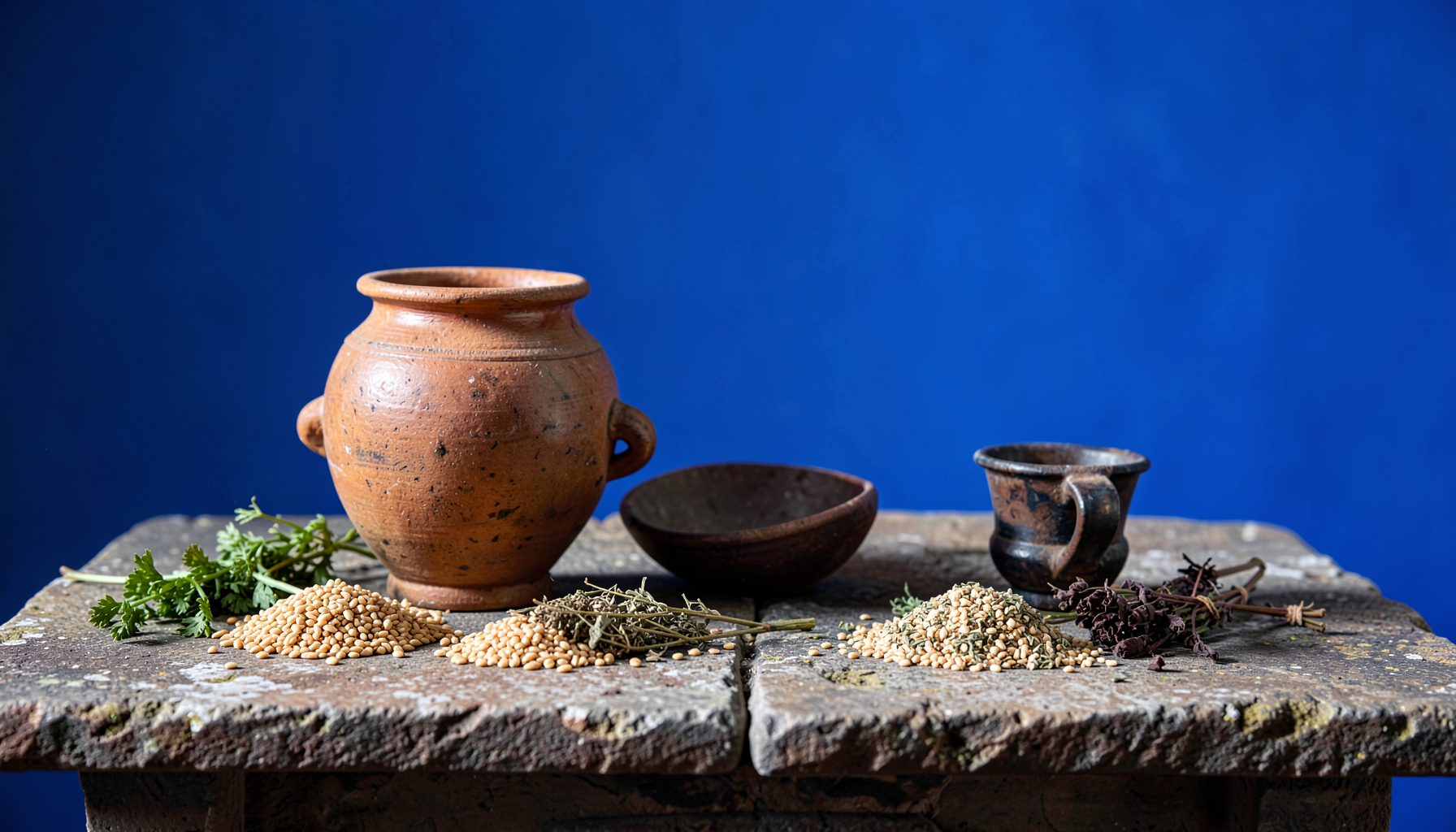
Spices and aromatics varied by season and region, but the recipes preserved by later Roman cooks, many of them adapted from Etruscan originals, lean heavily on fennel, coriander, lovage, pennyroyal, and the garum-like fermented fish sauce that the Etruscans helped popularise. A common meat broth might contain sprigs of rue, dried figs, and a handful of chickpeas to thicken the liquid. For wealthier households, the meat was removed halfway through cooking, browned briefly over the flames on a separate iron grid, and returned to the broth for serving, a two-step technique still practised in parts of southern Italy.
Broths, soups, and the Etruscan banquet
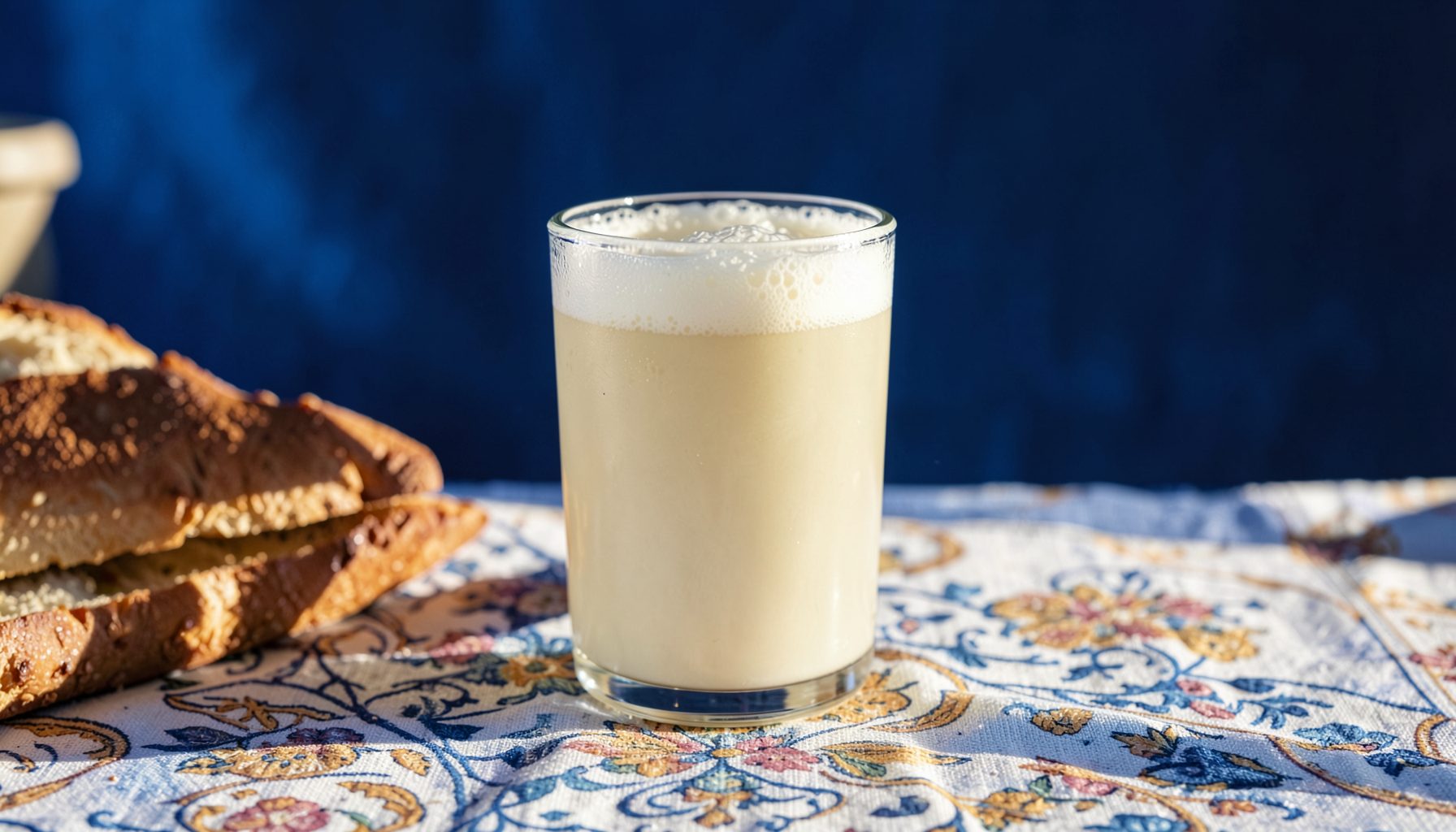
Broth carried more weight in Etruscan society than in many neighbouring cultures. Tombs at Tarquinia and Cerveteri show diners reclining while a servant ladles liquid from a tall vessel into small bowls, a scene that anticipates later Roman practice. Long-simmered broths were seen as restorative, given to the sick, used in purification rites, and offered to the dead during funeral banquets. Archaeological deposits inside funerary urns sometimes contain traces of meat, cereals, and legumes, suggesting that broth or porridge formed part of the journey placed beside the deceased.
The Etruscans also boiled game. For readers interested in the wilder end of the Etruscan larder, the related wild boar article explores how hunting and cooking intersected across this region, with boiling and roasting often presented as complementary rather than competing methods. A single feast might combine a roasted haunch of boar with a cauldron of broth made from the trimmings, demonstrating a thrift and flavour economy that resonates with modern nose-to-tail cooking.
Rediscovering Etruscan cooking in Australia
Reconstructing Etruscan boiled dishes requires a small but determined community of cooks, archaeologists, and food historians. Saturday farmers' markets in Adelaide, Brisbane, and inner Melbourne often stock the unusual cuts and foraged greens these recipes need, and Greek, Italian, and Lebanese neighbours in suburbs like Brunswick, Fairfield, and Marrickville exchange tips on slow simmering that echo, sometimes unknowingly, much older practice. Discussions on Australian food forums regularly turn to the influence of Italian migrants on Sunday lunches, and a few curious cooks have begun comparing notes on the deeper pre-Roman roots of those traditions.
For those wanting to read parallel accounts or follow other experimenters, the Australian cooking journal site keeps a rolling record of historical and regional reconstructions. Its contributors have tried their hand at Etruscan-style broths using locally raised lamb and Warragul-grown lentils, with results that suggest a future line of Australian-Etruscan fusion worth taking seriously.
Practical suggestions for a first attempt
- Source a heavy bronze or bronze-lined pot, ideally with a tripod or swinging arm, and allow time to tin it if the interior is bare copper.
- Begin with cold water, add tough cuts first, and bring the liquid up slowly over forty-five minutes to avoid scorching.
- Build flavour with fennel fronds, lovage, dried figs, and a small measure of fermented fish sauce if it can be obtained.
- Skim thoroughly during the first hour, then let the broth settle and reduce by a third before adding any green herbs at the end.
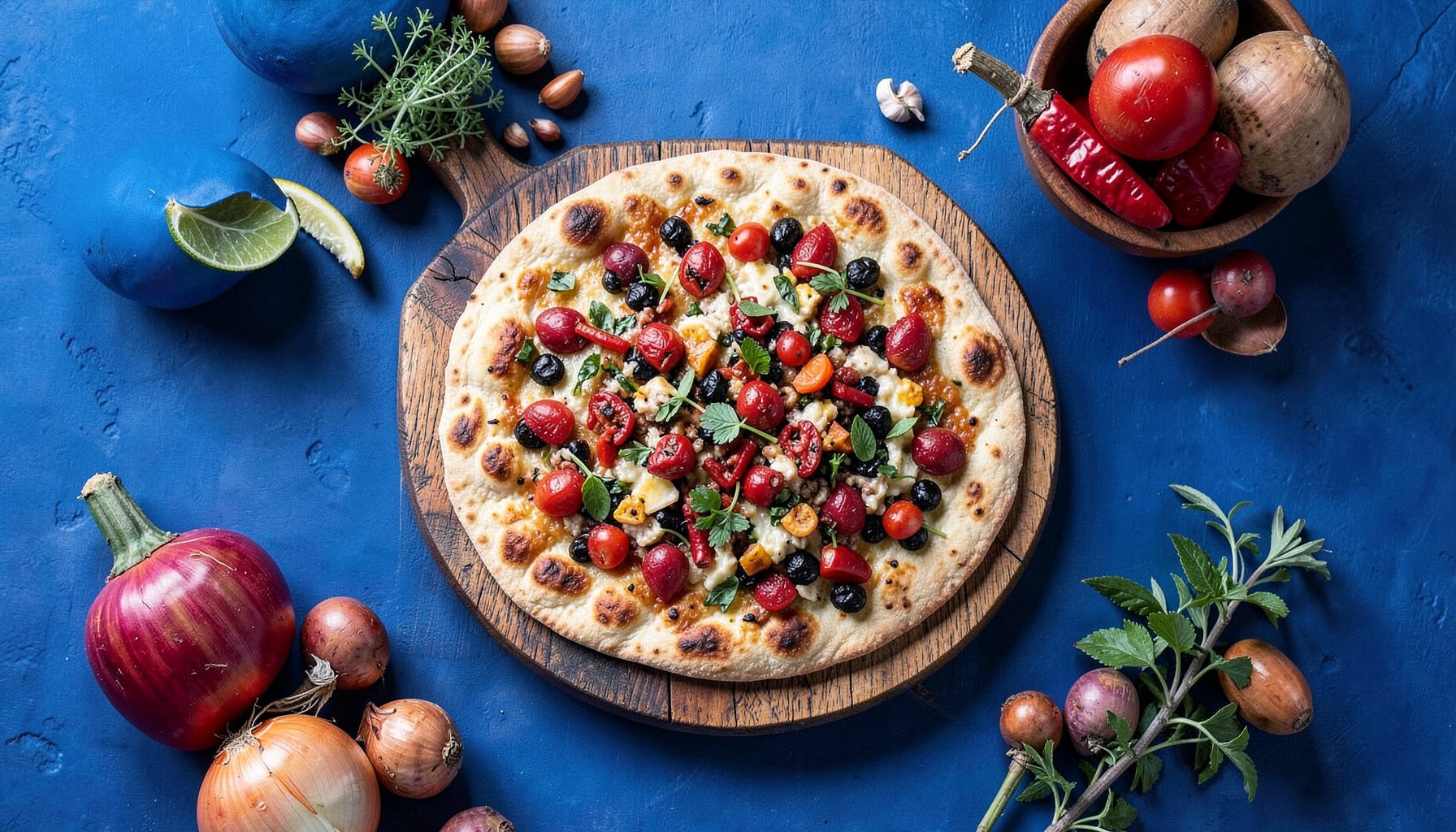
- Serve with flatbread, a little olive oil, and a sharp cheese such as aged pecorino to cut through the richness.
Continuing the lineage
Generoso Urciuoli's ongoing work at Archeoricette gathers evidence from digs, museum collections, and reconstructed hearths into one accessible place, with new guides added as fresh material comes to light. Readers who want to receive updates and watch the experimental recipes develop can subscribe through the site, follow the social channels, or simply visit again when a new cauldron, a new tomb, or a forgotten text prompts another investigation. Every visit helps shape what comes next, and the site's cookie policy explains how that engagement is tracked and stored.