Greek Black Figs From Orchard to Ancient Table
In Greek food culture, a dark-skinned fig can move between very different culinary worlds. Eaten fresh, it is soft, honeyed and fleeting; dried, it becomes dense, portable and suitable for storage through winter. That change in texture shaped how figs were traded, served, preserved and remembered in the ancient Mediterranean.
The ancient Greek word sykon covered figs generally rather than identifying one neat botanical class called a “black fig”. Writers and farmers distinguished fruit by colour, size, shape, ripening time and place of cultivation. Dark purple and nearly black varieties therefore belong to a wider family of local forms, many of which are difficult to match precisely with modern cultivars.
Modern Greek growers still cultivate regional types associated with places such as Evia, Kymi, Kalamata and Attica. Some are valued for eating straight from the tree, while others are selected for drying because their sugars concentrate well and their skins remain intact. A historical reconstruction should respect that difference instead of treating every Greek fig as interchangeable.
For Australian readers, the contrast is familiar. A ripe fig from an Adelaide Hills garden or a market stall in Melbourne has a short seasonal life, while a packet of dried figs from a Mediterranean grocer can sit in the pantry for months. The same fruit becomes almost two ingredients.
| Greek fig form | Appearance and character | Best culinary use | Historical significance |
|---|---|---|---|
| Dark fresh fig | Purple-black skin, crimson flesh, soft and aromatic | Fruit plates, cheese, salads and sweet dishes | Seasonal eating and hospitality |
| Vasilika Mavra | A modern dark cultivar associated with Vasilika in Evia | Fresh eating, gentle cooking | Useful regional comparison, not a proven ancient clone |
| Kymi dried fig | Small, sweet fruit traditionally dried whole | Snacks, cakes, breads and sauces | Represents the long Greek tradition of sun-drying |
| Kalamata-area dried fig | Rich, concentrated flavour with chewy flesh | Pantry food, baking and savoury pairings | Links orchard production with regional trade |
| Pressed fig mass | Several dried fruits compressed together | Travel food, slicing and storage | A practical preservation form rather than a single variety |
Naming The Dark-Fleshed Fruit
Ancient Greek agricultural knowledge was highly local. A farmer in Attica might value a fig that ripened early, while another community preferred a late crop that could be dried after the grape harvest. Colour mattered, but it was just one feature among many. Literary and agricultural sources refer to white, black and other forms, yet their descriptions rarely provide enough information to identify a modern cultivar with certainty.
The modern name Vasilika Mavra, meaning “black Vasilika”, is a useful example of how place and appearance combine in Greek horticulture. Kymi is especially associated with dried figs from Evia, while figs from the Kalamata region also appear in contemporary dried-fruit commerce. These names should be read as clues to regional foodways, not as proof that an unchanged ancient variety survives in every orchard.
Ancient writers also understood that cultivation influenced quality. Fig trees could be planted in different soils, pruned to manage their crop and protected from weather at harvest. The result was a practical classification system based on what the fruit did: whether it ripened reliably, travelled well, split in the sun or produced a sweet, dry interior.
Fresh Figs At The Height Of Summer
A fresh black fig is at its best when the skin yields slightly under the fingers and the stem looks fresh. The flesh may be ruby, amber-red or deep pink, filled with tiny seeds that give it a delicate crunch. Greeks could eat such fruit as part of an ordinary meal, offer it to guests or combine it with other seasonal produce.
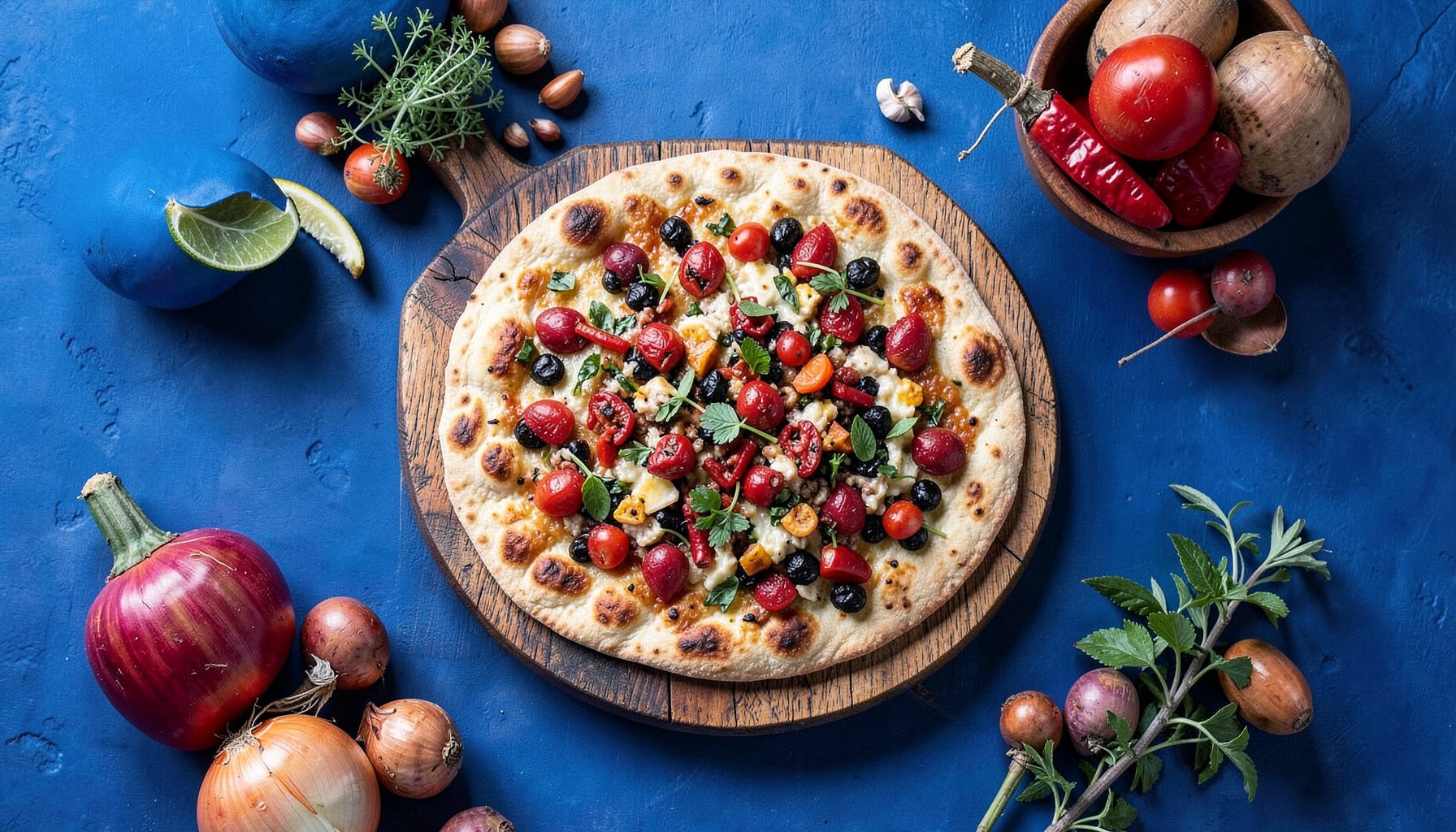
Fresh figs need little preparation. Split open, they can accompany soft cheese, walnuts, sesame, grapes or a drizzle of honey. A historical plate might also include olives and bread, creating a balance between sweetness, salt and grain. The ancient setting does not require an elaborate recipe; it can be represented through restrained combinations that reflect an orchard-based diet.
In Australia, fresh figs often appear during the warmer months, with production in South Australia, Victoria, New South Wales and Queensland. At a farmers’ market in Adelaide or Sydney, local fruit may be sold in shallow trays because ripe figs bruise easily. They are a “use them tonight” purchase, quite unlike the dependable dried fruit aisle at a suburban supermarket.
Sun, Storage And The Dried Fig
Drying transformed a fragile harvest into a concentrated food. Whole figs could be laid in the sun, sometimes opened or flattened, then turned as moisture left the flesh. Good drying reduced spoilage while preserving sugars, making the fruit valuable for travel, household stores and periods when fresh produce was scarce. The resulting ischades, or dried figs, were more compact and chewy than their fresh counterparts.
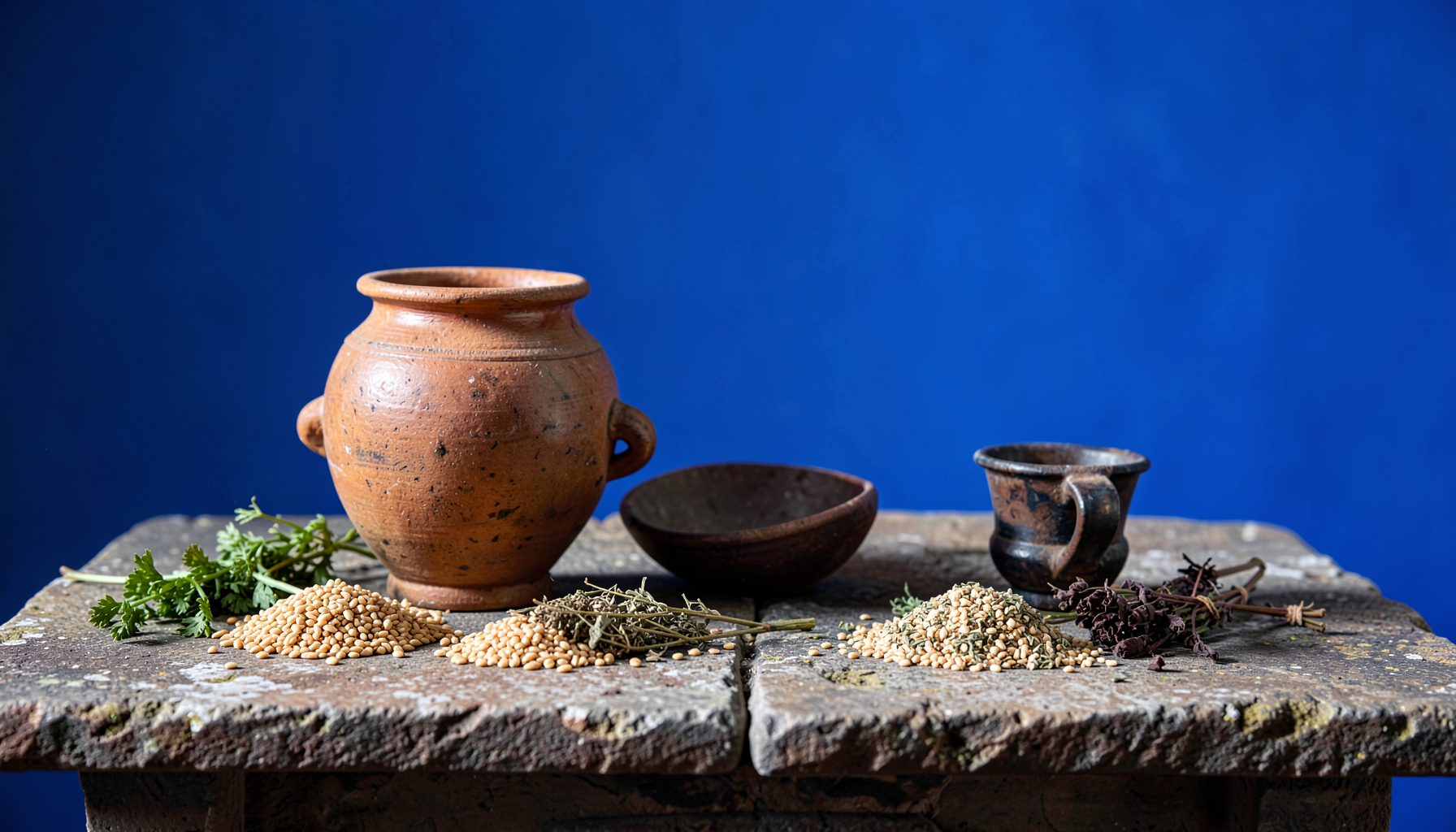
Dried figs could be eaten alone, softened in liquid or chopped into mixtures with nuts, seeds and grains. They were suitable for a worker’s ration, a traveller’s provisions or a sweet finish to a meal. A cluster of dried fruits could also be pressed into a denser cake, easier to carry than loose ripe figs.
Their sweetness made them useful in dishes where modern cooks might reach for sugar. Chopped black figs can enrich a barley porridge, accompany salty cheese or provide texture in a rustic loaf. The technique resembles the broader ancient habit of turning surplus crops into durable ingredients, a theme also visible in Bappir brewing ingredient, where bread itself became part of a preserved brewing process.
Figs In Bread And Cooked Dishes
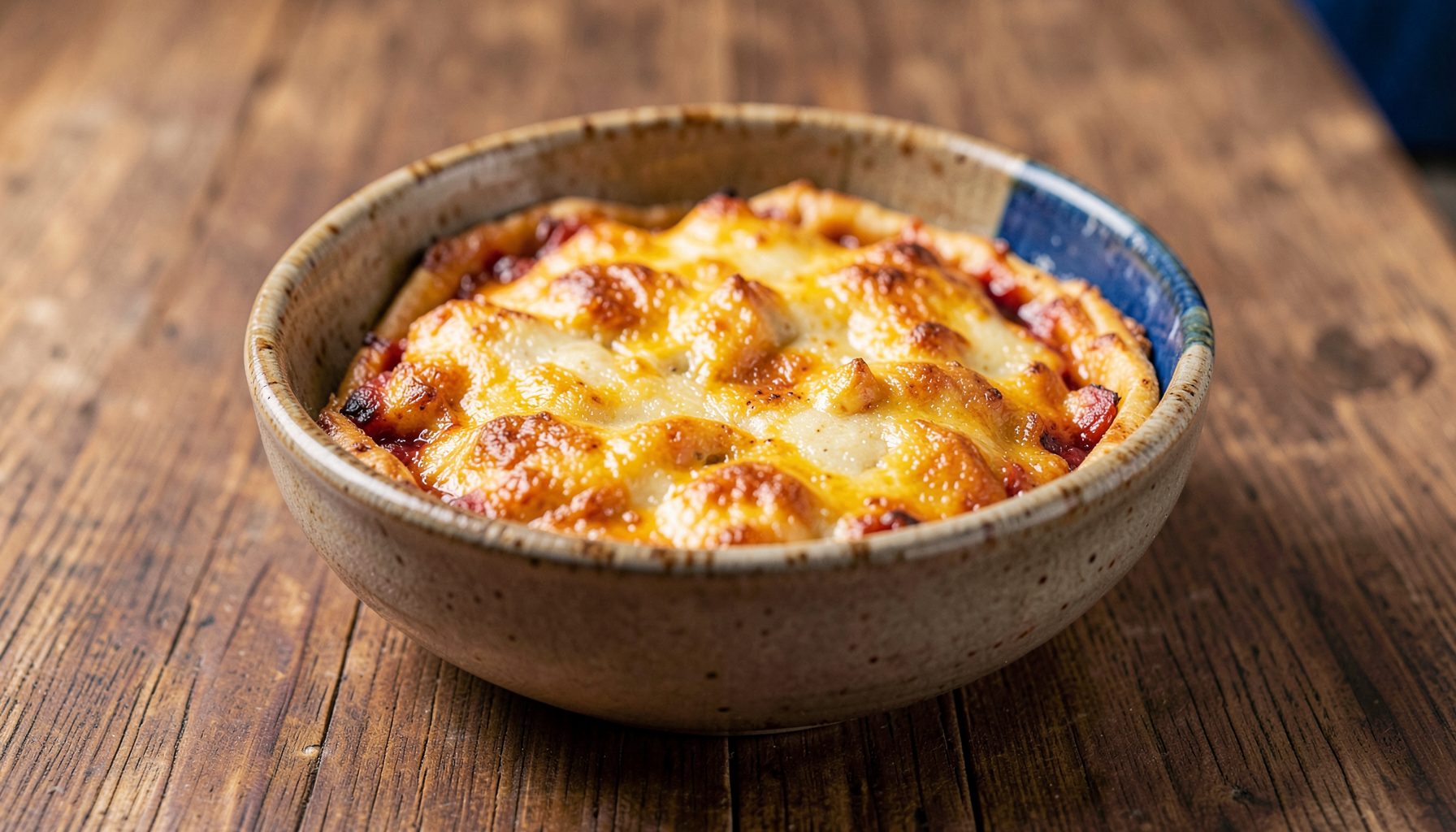
The relationship between figs and bread was practical as well as pleasurable. Dried fruit supplied sweetness and energy, while grain provided bulk. A cook could chop figs into a coarse dough, layer them between sheets of bread or serve them beside a loaf so diners could combine the two at the table. Such preparations need not be treated as a single canonical ancient recipe; they are reconstructions based on compatible ingredients and techniques.
An oven would have affected the final result. A hot baking chamber could blister a bread crust while warming the figs inside, whereas a lower heat would produce a softer, pastry-like mixture. This makes the study of ancient bakery technology important, including the Pompeii bakery ovens that reveal how commercial baking spaces were organised in Roman Italy.
For a modern Australian kitchen, a simple version could use a coarse wheat or barley dough, chopped dried Kymi-style figs and a little sesame. The aim is texture rather than sweetness: a firm loaf with sticky pockets of fruit. It would sit comfortably beside a cup of strong coffee, though the ancient diner would more likely have encountered it with wine, water or a meal of pulses and vegetables.
Ritual, Hospitality And Social Meaning
Figs carried social meanings because they were abundant, seasonal and closely tied to land. A basket of fresh fruit could signal generosity, while stored dried figs demonstrated foresight. Their presence at a meal did not automatically make it religious, yet food in Greek society often moved between household, festival and sanctuary.
At a sacrificial feast, the central focus was the ritual treatment of animals, followed by communal cooking and distribution of meat. Figs might have appeared as part of the surrounding meal, alongside bread, wine and other produce, rather than as the principal offering. The wider setting is explained through the Thysia and feasting, where ritual action and shared eating are considered together.
The fruit also suited hospitality because it could be presented in two states. Fresh figs showed the immediate wealth of the orchard; dried figs showed the household’s ability to preserve abundance. That contrast helps explain why fig imagery and references recur across Greek food writing, even when the precise variety remains unknown.
Recreating The Flavour In Australia
A historically minded cook in Australia can begin with a locally grown dark fig when it is in season, then compare it with Greek dried fruit from a specialty importer. Greek grocers in Melbourne, Sydney and Adelaide commonly stock dried figs alongside olives, cheeses and preserved vine leaves. Labels may identify the growing region, size or drying style, giving the modern cook a small glimpse of the regional distinctions that mattered in antiquity.
For a fresh preparation, split ripe figs and serve them with sheep’s-milk cheese, toasted sesame and a few drops of honey. For a dried preparation, soak figs briefly in warm water or wine, slice them and combine them with barley, walnuts and herbs. Keep the seasoning measured: the fruit should remain recognisable rather than disappearing into a heavily spiced pudding.
Australian climate and market habits also affect the reconstruction. A backyard fig in Perth or the Adelaide Hills may ripen unevenly, while commercial fruit can arrive firm enough to survive transport. Dried figs, by contrast, are available year-round and are often used in lunchboxes, baking and grazing boards. That everyday accessibility makes them an excellent bridge between ancient pantry practice and contemporary cooking.
When tasting the two forms side by side, pay attention to what preservation changes. Fresh black figs offer fragrance, moisture and a fragile skin; dried figs offer caramel-like intensity, chew and a longer finish. Together they show how Greek food traditions made seasonal fruit useful across the entire year.
Bring this ancient Mediterranean contrast to your own kitchen by pairing a ripe Australian fig with cheese today, then using dried Greek figs in a barley loaf or fruit-and-nut dish when the season passes. Share the result, the ingredients and the historical inspiration with others who enjoy recovering the flavours of the ancient world.