Greek Wild Thyme and Oregano as Medicinal and Culinary Herbs
The sun-scorched hillsides of Greece have produced some of the most aromatic plants ever recorded in human history. Wild thyme and oregano grow in rocky soil, between olive groves and across the windswept terraces that overlook the Aegean. Ancient Greeks considered these herbs as gifts, weaving them into food, medicine, and ritual. Their scent still carries traces of that long-vanished world, and when a cook crumbles dried oregano over grilled lamb or infuses thyme into honey, the gesture echoes practices described in texts written two and a half millennia ago.
In Australia, where a vibrant Greek-Australian community has shaped café culture from Melbourne to Perth, these same herbs find a second home. Australian gardeners in Adelaide, Brisbane, and Hobart cultivate Mediterranean species in courtyards and raised beds, while chefs in Sydney and regional towns draw on thyme and oregano to recreate dishes from Homer, Dioscorides, and the Athenian symposium. The climate similarities between parts of the Mediterranean basin and southern Australia make the herbs thrive in backyards from Fremantle to Geelong.
Greek herbs in ancient medicine
The Greek physician Hippocrates listed thyme and oregano among the remedies that practitioners used to treat respiratory complaints and digestive troubles. His contemporary, the herbalist Dioscorides, compiled the De Materia Medica, which described oregano as warming and drying, suitable for those suffering from indigestion, snake bites, and infected wounds. Wild thyme, with its sharp menthol-like aroma, was recommended for coughs, headaches, and as a steam inhalation for bronchial congestion.
Both plants contain thymol and carvacrol, the volatile phenols responsible for their antimicrobial properties. Long before laboratory science identified these compounds, Greek healers observed that poultices of crushed thyme could clean wounds, and infusions of oregano helped settle upset stomachs. The Romans later absorbed many of these practices, but the Greek origin remained central to Mediterranean pharmacology well into the Byzantine era.
Priests and physicians used these herbs in temple rituals. At Asclepian healing sanctuaries such as Epidaurus, patients slept in dormitories surrounded by aromatic plants, including thyme, in the belief that the vapours cleansed the body and prepared it for sacred dreams. The herb was also burned as incense, a custom echoed in Orthodox Christian liturgy where dried oregano and thyme still flavour certain blessed breads.
Thyme and oregano in ancient Greek kitchens
Athenian cooks reached for thyme and oregano as routinely as modern Australians reach for salt and pepper. The fourth-century BCE cookbook attributed to Mithaecus describes the use of thyme in fish sauces, while later writers such as Athenaeus record oregano sprinkled over roasted meats and stirred into vegetable stews. The herbs paired naturally with olive oil, honey, and vinegar, the foundational flavours of Hellenic cuisine.
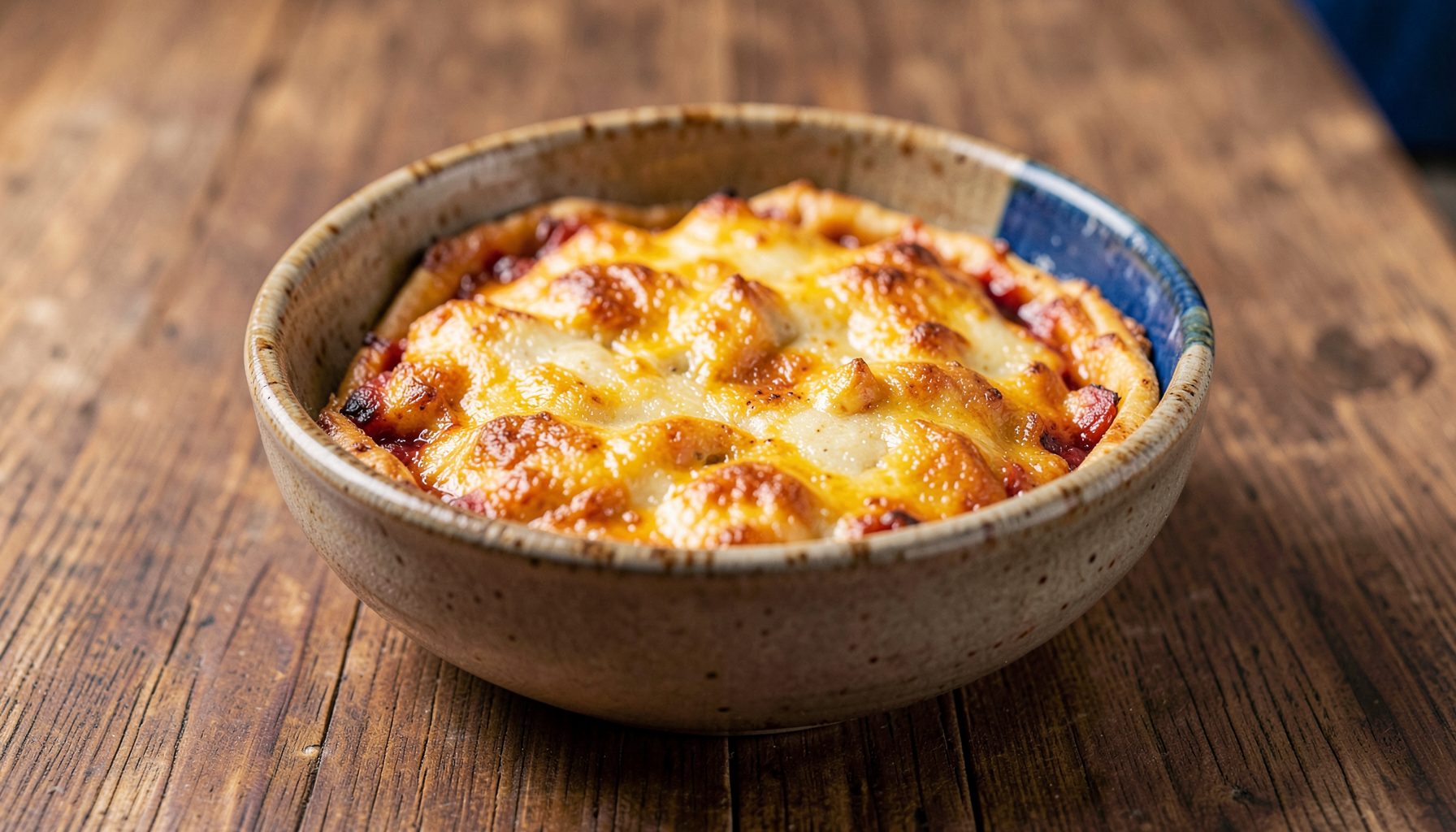
Oregano, in particular, appears in descriptions of moussaka-like baked dishes, in marinades for pork and goat, and in the seasoning of fresh cheeses. Thyme often appeared with fish, especially grilled sardines and tuna, and was added to barley porridge and broad bean stews. The Greek practice of finishing a dish with a generous pinch of dried herb at the table has continued unbroken into contemporary tavernas.
Wines and vinegars were infused with both plants. A thyme-flavoured vinegar sweetened with honey served as a digestive at the end of meals, a custom that the Roman physician Galen later praised for warming the stomach. The Romans also adopted oregano in their salsas and fermented fish sauces, exporting the herb along the trade routes that connected the empire to the wider Mediterranean.
Harvesting and processing on the mountainside
Greek thyme and oregano grow wild across the limestone slopes of Crete, the Peloponnese, and the islands of the Cyclades. Harvesters traditionally climbed the hills between midsummer and early autumn, cutting the flowering tops with curved knives and laying them in shallow baskets. Drying occurred in attics and shaded courtyards, where warm breezes and low humidity preserved the volatile oils without loss of fragrance.
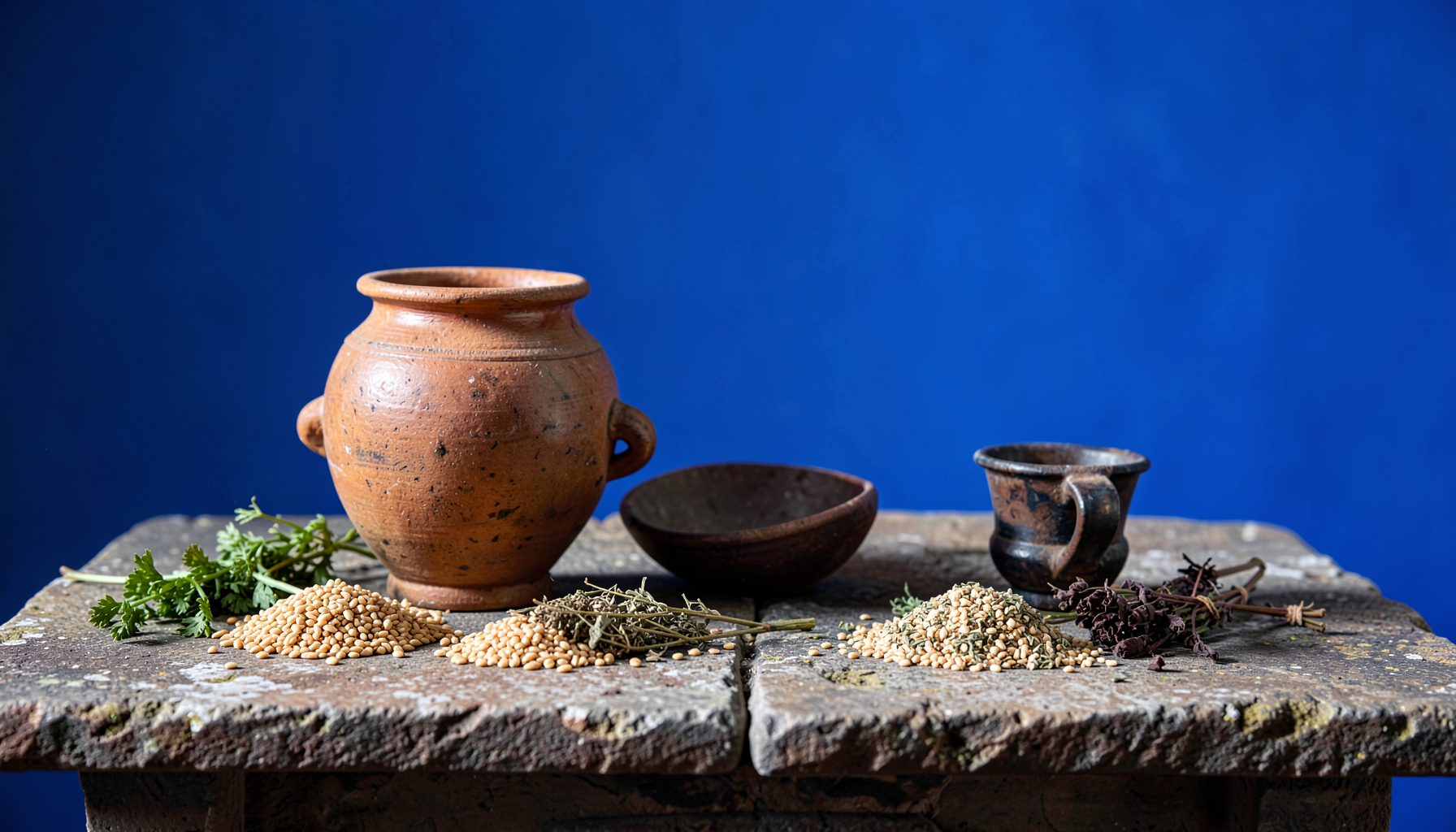
Threshing separated the dried leaves from the stems, and the finished product was stored in linen sacks or earthenware jars. Ancient commerce valued the rich, almost purple-red colour of well-cured Greek oregano, a quality that distinguished it from the paler, less aromatic varieties harvested elsewhere. Buyers in the markets of Corinth and Athens inspected the herbs by scent and by crushing a few leaves between their fingers.
The trade in dried herbs was substantial. Greek oregano arrived in Egyptian ports, Phoenician warehouses, and eventually Italian emporia, where it was blended with local varieties or sold under the prized Cretan name. This commerce established the herb as a Mediterranean staple long before the modern era.
Mediterranean trade and cultural spread
| Property | Wild Greek Thyme (Thymus capitatus) | Greek Oregano (Origanum vulgare hirtum) |
|---|---|---|
| Primary culinary role | Fish, poultry, honey infusions, vinegars | Lamb, goat, tomato dishes, cheeses, salads |
| Traditional medicinal use | Respiratory relief, antiseptic poultices, digestive aid | Carminative, wound cleansing, fever reduction |
| Volatile oil profile | Thymol dominant, with borneol and linalool | Carvacrol dominant, with thymol and γ-terpinene |
| Harvest window | Late spring to early summer | Midsummer through early autumn |
| Preferred growing terrain | Dry, rocky, sun-exposed garrigue | Hillsides, woodland edges, well-drained soils |
| Form most often preserved | Dried flowering tops, also distilled oil | Dried leaves and flower clusters |
The dispersion of Greek thyme and oregano along Phoenician and later Roman merchant routes carried these herbs into Etruscan kitchens, into the kitchens of Carthage, and eventually across the Alps into Gaul. By the time of Pliny the Elder, oregano was being cultivated in Italy under the name heracleoticum, after the Greek colony of Heraclea Pontica that exported the herb in bulk. From Italy the plants travelled north, eventually reaching monastery gardens across medieval Europe.
Growing these herbs in Australian climates
Australia's southern coastline offers a Mediterranean climate that suits thyme and oregano remarkably well. Gardeners in Adelaide, the Mornington Peninsula, and parts of Geelong report strong harvests from plants that struggle in tropical humidity. Sandy loam, full sun, and restrained watering replicate the conditions of the Greek garrigue. Many Australian gardeners plant them along paths where brushing past releases the essential oils into the air.
Local nurseries and weekend farmers markets in Melbourne's Queen Victoria Market and Sydney's Carriageworks Farmers Market often stock seedlings labelled "Greek oregano" or "Thymus capitatus", reflecting demand from home cooks seeking authenticity. The herbs also appear in the gardens of Greek-Australian families who arrived after the post-war migrations and who have carried cuttings and seeds across generations. Greek festivals in Mildura, Newcastle, and the suburbs of Melbourne continue to use locally grown herbs in traditional preparations.
Drought tolerance makes both plants sensible choices for water-wise gardens, particularly during the dry summers familiar across much of inland New South Wales and South Australia. Mulching with gravel rather than bark mimics the stony Greek ground, and pruning after flowering keeps the plants productive for several seasons.
Modern revival and culinary pairings
Contemporary chefs have rediscovered ancient pairings, including thyme with honey-drizzled feta, oregano with slow-cooked lamb shoulder, and combinations of both herbs with grilled octopus and lemon. These combinations appear in modern Australian restaurants in Melbourne's inner north and along the Sydney harbour foreshore, where menus sometimes explicitly reference ancient sources. Cooks who study historical texts find that the flavour combinations described by Athenaeus or Apicius translate remarkably well to contemporary palates.
The two herbs also feature in herbal teas, infused oils, and botanical liqueurs produced by small Australian distillers. Tinctures and steam inhalations have re-entered popular use among those interested in traditional Mediterranean remedies, and clinical interest in the antimicrobial properties of carvacrol and thymol has produced a modest research literature. While no herb replaces medical treatment, the culinary and gentle therapeutic uses of these plants remain consistent with the recommendations of ancient practitioners. Those who wish to recreate ancient dishes at home can consult published reconstructions, including the books compiled from archaeological and literary sources.
Recommendations for cooks and gardeners
- Source genuine Greek oregano where possible, looking for the darker, more pungent leaves rather than the milder Mexican or Turkish varieties.
- Dry harvested sprigs in small bundles hung in a warm, shaded, well-ventilated space to preserve the volatile oils.
- Replace dried herbs every six to twelve months, since older leaves lose aroma quickly on the shelf.
- Pair oregano with lamb, tomatoes, olives, and feta; pair thyme with fish, poultry, mushrooms, and honey.
- Grow both plants in full sun with sharp drainage, and prune lightly after flowering to encourage bushy regrowth.
- Use thyme and oregano infusions in vinegars and oils to capture their flavour for dressings and marinades.
- Explore ancient recipes through reputable reconstruction sources, which translate historical instructions into modern measurements.
Anyone wishing to share their own experiments in ancient cooking, propose a future topic, or ask detailed questions about historical ingredients can reach the editor through the contacts page of this research project.