Oysters, blood, and botulus: the strange side of Roman sausage
Roman sausage is easy to imagine wrongly. The mental picture is pork, pepper, fennel, and a fire, a product of northern European winter kitchens more than of Rome. The written record of Roman cookery tells a stranger story, one in which blood, offal, shellfish, and a sauce made from fish innards were folded into the same casing. The evidence arrives in fragments: a terse recipe in Apicius that lists ingredients but no quantities, a joke in Martial about a sausage seller, a line in a farming manual about which animals were raised for the market rather than the altar.
Those fragments are why a research project such as Archeoricette exists. Generoso Urciuoli treats Roman food as something to be rebuilt rather than merely described: the texts are read closely, the archaeology is weighed, and the recipes are cooked, tasted, and adjusted until a defensible version of an ancient dish reaches a modern plate. The work matters because the recipes themselves are nearly all we have. Roman kitchens left no cookbook behind beyond this late compilation, and no household writer had any reason to record the daily habits of a cook.
The botulus, the large blood sausage, is the best-known case, and it is only the doorway. Oysters, imported by the cargo boat and praised in the forum, turn up in minced preparations that make modern readers suspect a bad translation. Pig testicles, bladder casings, and garum, the fermented by-product of the salting yards, belong to the same culinary imagination. What unites them is not novelty but thrift: the cook used what butchering and fish-curing had already produced, and the spice trade told her how to make it worth eating.
What follows sets out how these sausages were assembled, why an oyster sausage makes sense once the Roman pantry is understood, and what happens when someone tries to rebuild them in a kitchen. Measurements will be modern, ingredients will be modern equivalents of ancient ones, and the sources are often late, polemical, or secondhand. The aim is an argument well supported by evidence rather than a claim that every Roman cook served exactly this.
What a Roman sausage cupboard held
Begin with categories. Apicius, compiled in the early fifth century but preserving dishes from the late Republic and early empire, includes several preparations for minced and stuffed pork. The largest, the botulus maior, was big enough to feed several men at a sitting and was often bound in the pig's bladder; smaller sausages were packed into cleaned intestines. Around them sat blood and offal preparations of every kind, and fish pressed into the same casings.
Juvenal and Martial put these foods on the street. The botularii sold from stalls in the Forum, and both poets make the sausage a symbol of the cheap and the greedy at once: food for the poor, a marker of excess for the rich. Regional identity was part of the point. The lucanica, associated with Lucania and Picenum, was cured, dried, and eaten cold with wine, while the city's blood sausages were smoked and sold hot from the counter.
Seasonings reveal the map of the empire. Pepper and ginger came from India, laser from Cyrene, wine vinegar from Gaul, fish sauce from the salting yards of Spain and North Africa. One sausage could carry all four at once, which is why readers who project a medieval European kitchen onto Rome tend to misread the evidence. The exotic ingredient in Roman cooking was not decoration at the end of the recipe; it was load-bearing.
The oyster question: shellfish in minced meat
Here is the case that looks like an error. Oysters had a social status of their own. Pliny and Columella describe beds, fattening, and the fortunes spent on them, and Lucullus's eastern campaigns turned the oyster into a measure of luxury in Rome. Yet when oysters appear inside a minced, seasoned, cased preparation, the effect is comic. Athenaeus, collecting the dinner talk of the second century, preserves a report of a sausage made with oysters, and he delivers it with the relish of a scandal.
The scandalous tone is itself a clue to how unusual the pairing was. Roman cookery regularly combined things a modern kitchen separates: liver with fish sauce, wine with honey, vinegar with blood. Oysters fit the same logic. The mollusk contributes brine, fat, and a sweetness that can stand in for pork drippings; the wine in the garum cuts the richness; the seeds and herbs supply the perfume the meat would otherwise have provided. Nothing is out of place once the pantry is understood.
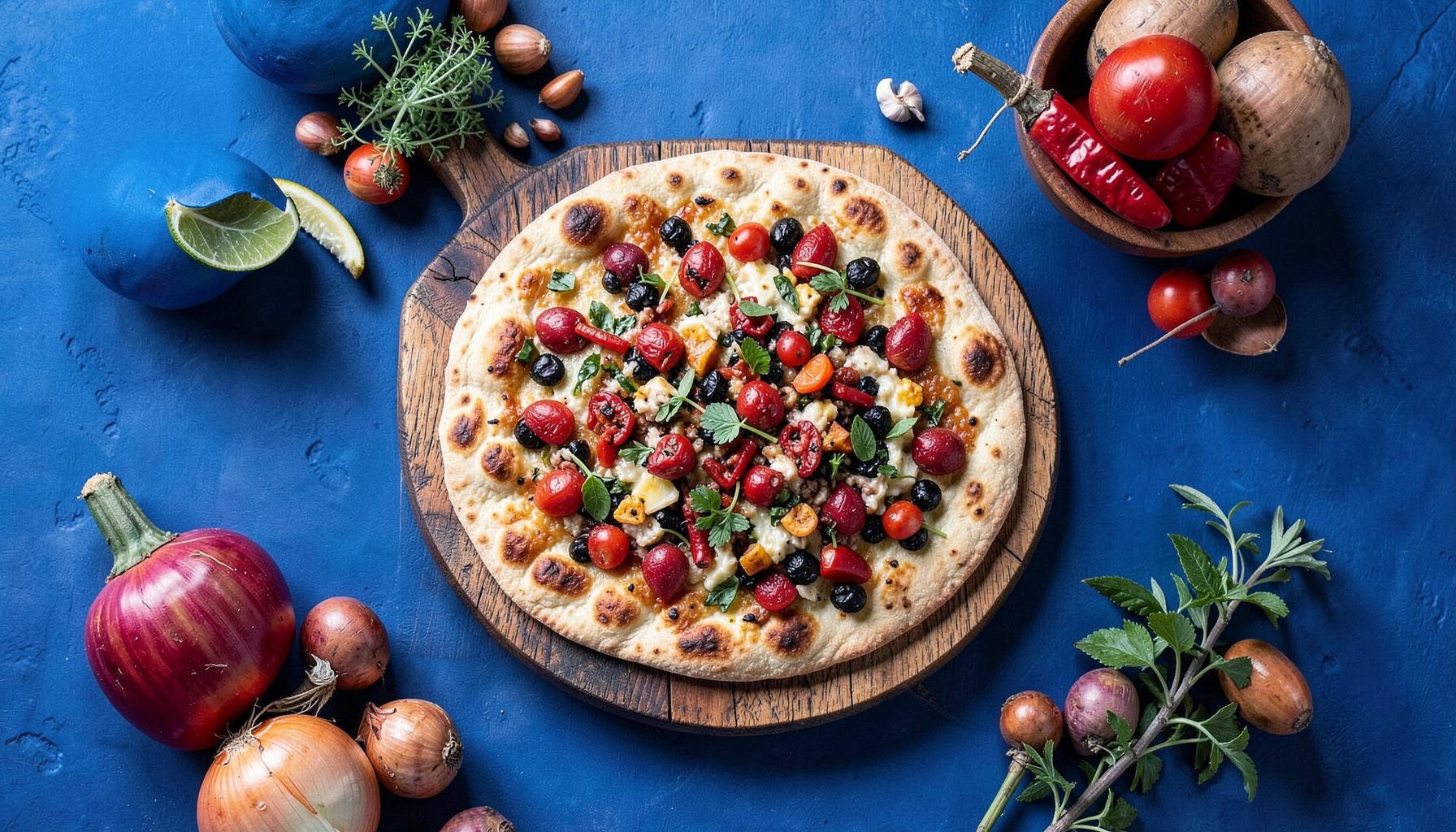
Reconstructions therefore vary. Some press chopped oysters into a lightly smoked pork mixture; others treat the shellfish as a filling inside a small casing rather than as the bulk of the sausage. No ancient source measures the oysters, so the ratio remains a laboratory question, and the answer is a texture closer to a terrine than to a modern breakfast link.
Inside the botulus, spice by spice
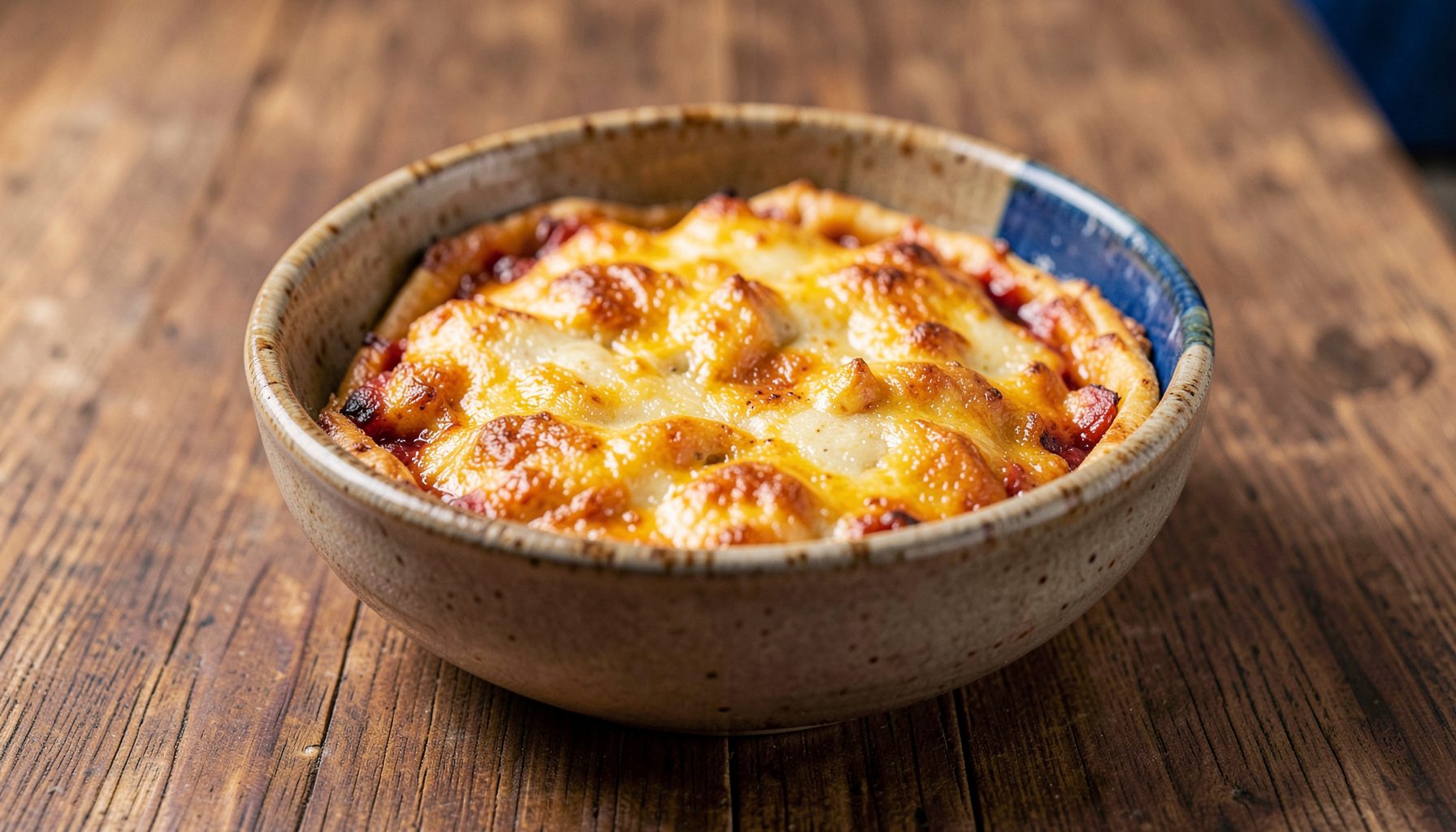
The botulus is where the written evidence is densest and the strangeness most concentrated. Apicius's instruction runs to a short list: minced pork, blood, fat, and aromatics, worked together and packed into casing. Blood is the defining element, which is why translators reach for blood pudding as a comparison. The classical version, though, is nothing like the dense, sweet pudding of the north: looser, sharper, and far more aromatic.
The aromatics are the surprise, and the guide to how Romans made botulus follows them spice by spice, with the ratios tested in an actual kitchen. Cumin, coriander seed, fennel, and black pepper appear in different combinations across the versions, and some preparations are bound with garum rather than plain salt. Pine nuts contribute fat and sweetness, while a few dried figs turn a batch sweeter and more generous than the text strictly requires.
Smoke and storage decide the character. Sausages were hung over green wood or juniper and then kept cool, sometimes submerged in vinegar brine or in the fat left by other butchering. A dry, peppery sausage sliced with a glass of wine is a different animal from the soft, hot sausage sold at a stall, and both are plausibly Roman.
A shopping list that raises eyebrows
Reconstruction begins with the shopping list, and that is where ancient food stops looking quaint. Two groups keep recurring in the sources: what filled the casing, and what made the mixture worth eating. The first is the group readers find hardest to swallow on paper.
- Fresh pig's blood, stirred into the minced pork while still warm
- Oysters, brined and chopped, for the shellfish version
- The cleaned bladder of a pig, sewn up as casing for the largest botulus
- Garum, the fermented liquid from the salting yards, used in place of plain salt
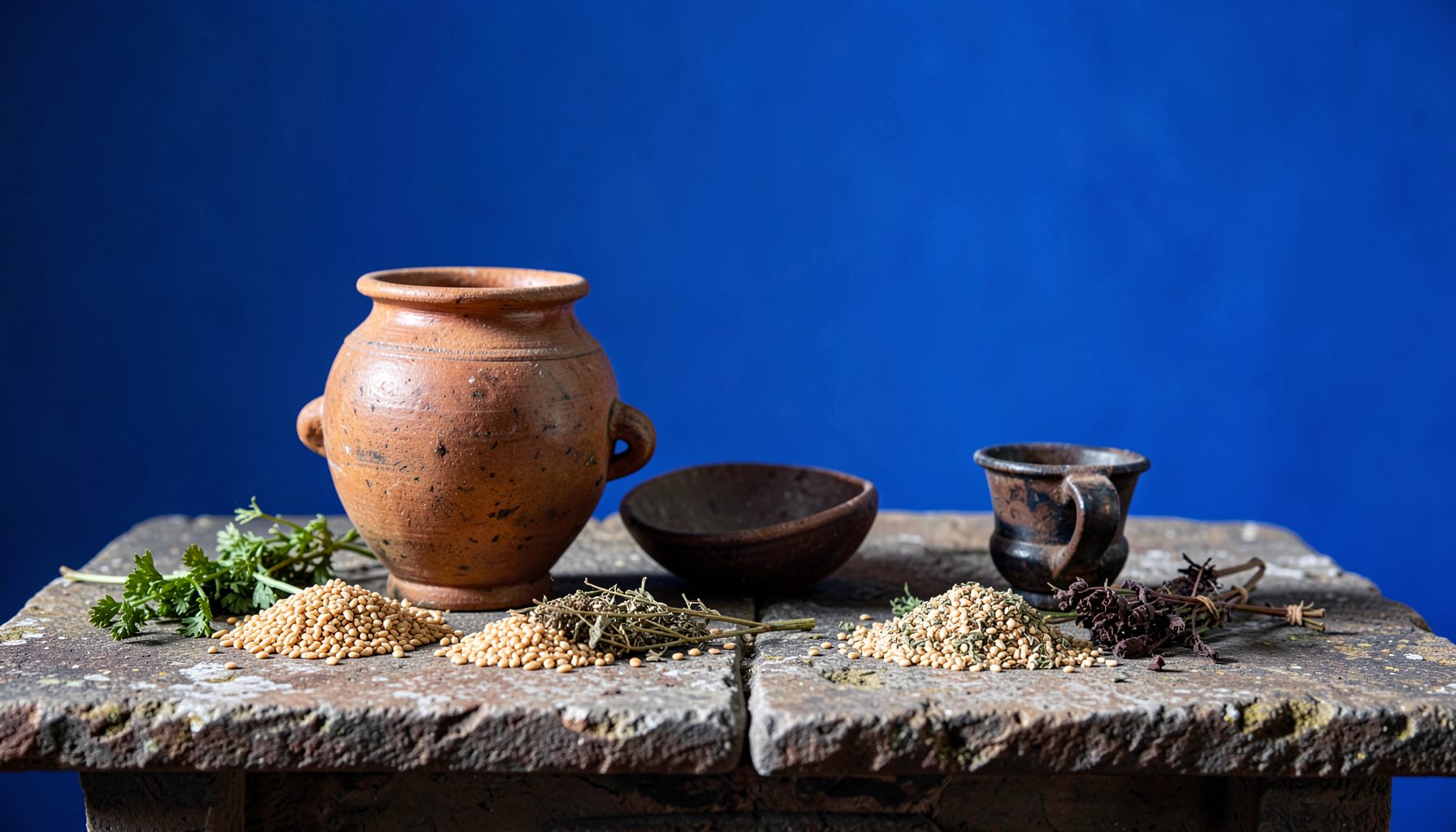
The second group reads like a modern spice shelf, until the fish sauce is noticed. Fresh aromatics mattered, but so did the long-keeping seeds bought by the sackful.
- Fennel seed, cumin, coriander, and black pepper, whole or ground
- Pine nuts and a few dried figs, for fat and sweetness
- Garlic, shallots, and rue, chopped into the mixture
- Wine or reduced grape must, for acidity and depth
None of this is exotic for its own sake. Blood and bladder were what butchering produced; garum came from the salting yards that fed the empire; the seed spices were cheap, shelf-stable, and landed in the ports. Apicius even preserves boiled pig's testicles dressed with a sharp sauce, which is not sausage but belongs to the same offal logic. The Roman kitchen had no waste stream, and the modern surprise is mostly a difference in what we consider normal.
Rebuilding the flavors and sharing the results
Reconstruction has rules. Start with the text, list every term, and mark what the source leaves out. Then look for corroboration in other ancient writers and in the archaeological record: the carbonized food remains from the thermopolia of Pompeii and Rome show what was heated, cooked, and sold in the street, even when they cannot supply a recipe. Only then does the kitchen enter, where the flavor of the blood, the strength of the garum, and the grind of the seeds get adjusted until the balance matches the written descriptions.
This is the method behind the experiments published on Archeoricette, where the botulus, the oyster sausage, and other reconstructed dishes are documented step by step. Since the site publishes recipes, photographs, and written analysis, anyone planning to adapt or republish that material should read the editorial and licensing terms first; the page sets out what may be reused and how credit should be given.
For anyone with a weekend and a tolerant household, the botulus is the simplest place to start, following the spice-by-spice guide linked earlier. Keep the blood fresh, let the mixture rest overnight, smoke it gently, then serve it warm with wine or chill it and slice it thin beside a cold lucanica. Roman sausages were never delicate food; they were meant to be noticed, and they were, by the forum crowd and by the satirists who mocked them. Follow the ongoing series on the site, cook the recipes alongside the sources, and judge for yourself which versions hold up best.