How the Greeks Made Opson: Relishes, Sides, and Shared Taste
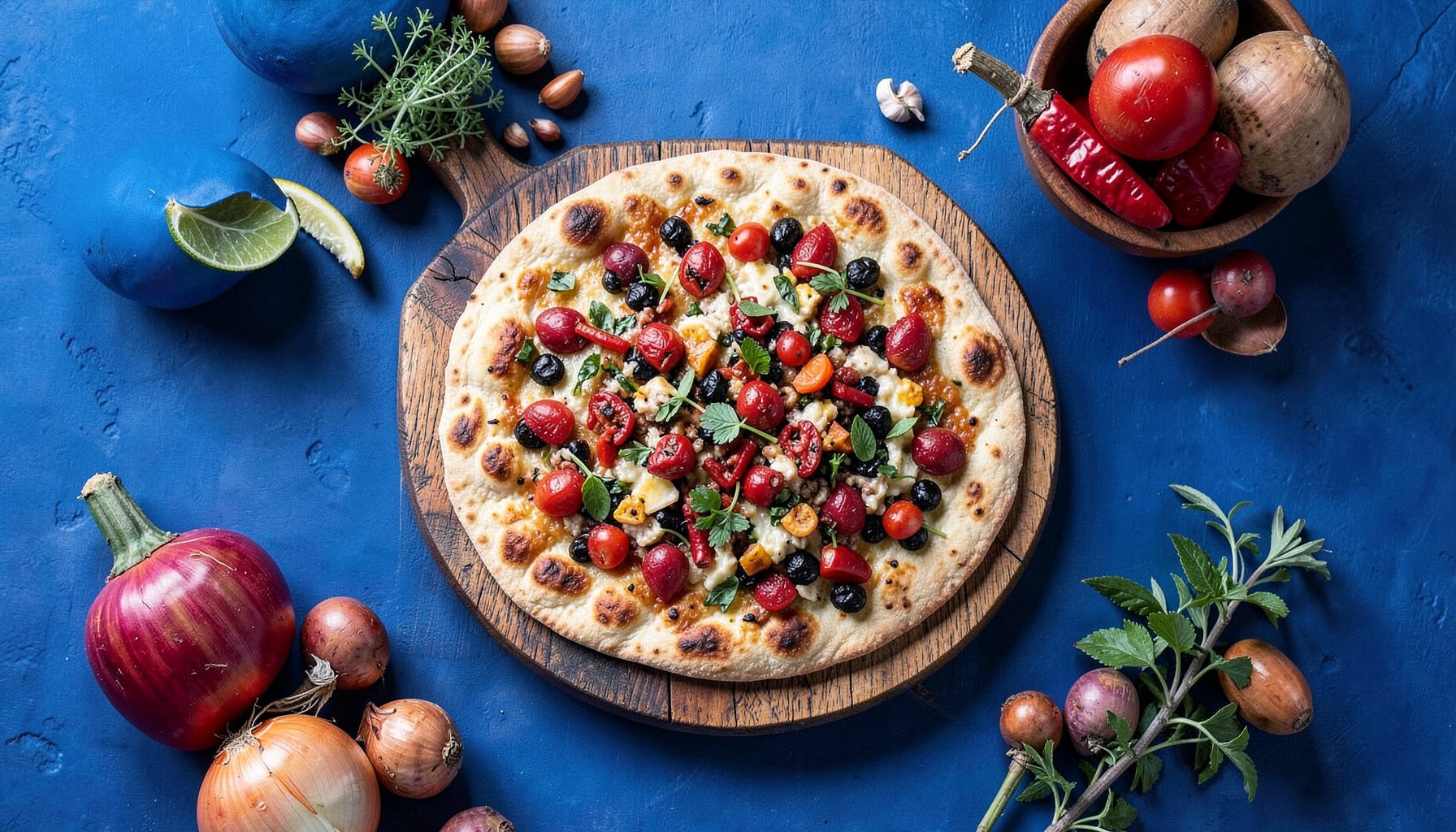
Ancient Greek meals were built around a simple distinction. Sitos meant the staple food, usually bread or another grain preparation, while opson referred to the flavourful food eaten with it. The word can be translated as relish, side dish, or accompaniment, but none of these English terms fully captures its range. Opson might be a few olives, a piece of salted fish, cooked vegetables, cheese, a pulse dish, or an elaborate preparation served at a wealthy table.
This makes opson especially useful for understanding Greek foodways. It reveals how ingredients, labour, trade, status, seasonality, and appetite shaped a meal. Rather than looking for one definitive ancient recipe, we can reconstruct a family of small dishes and serving habits that turned bread into a varied and sociable meal.
What Opson Meant In Greek Meals
In early Greek usage, opson often meant the more desirable part of a meal: the item that gave interest to plain grain food. A household could eat bread with onions, herbs, olives, or a little cheese, while a prosperous diner might order grilled fish, hare, shellfish, or a carefully seasoned vegetable dish. The same word could therefore describe humble fare and luxury food, depending on context.
The term also carried social meaning. Ancient writers sometimes mocked people who were opsophagoi, literally “opson eaters”, because they appeared to pursue tasty accompaniments rather than accept a disciplined diet of bread and simple staples. That criticism tells us how valuable flavour could be. A diner who reached eagerly for fish or rich sauces was displaying appetite, preference, and perhaps access to expensive supplies.
Opson was not necessarily served in a separate course in the modern sense. Several small dishes could sit around a table, with diners taking portions to accompany bread. The meal was flexible, and the boundary between appetiser, side, relish, and main food was far less fixed than it is on a contemporary Australian menu.
A Pantry Of Salty, Sour, And Fresh Flavours
The Greek relish repertoire depended on preservation as much as on fresh produce. Olives supplied salt, bitterness, and fat. Cheese offered concentrated nourishment, while salted or dried fish could transform a plain meal. Cabbage, beetroot, leeks, onions, cucumbers, lentils, chickpeas, broad beans, and seasonal greens brought colour and texture.
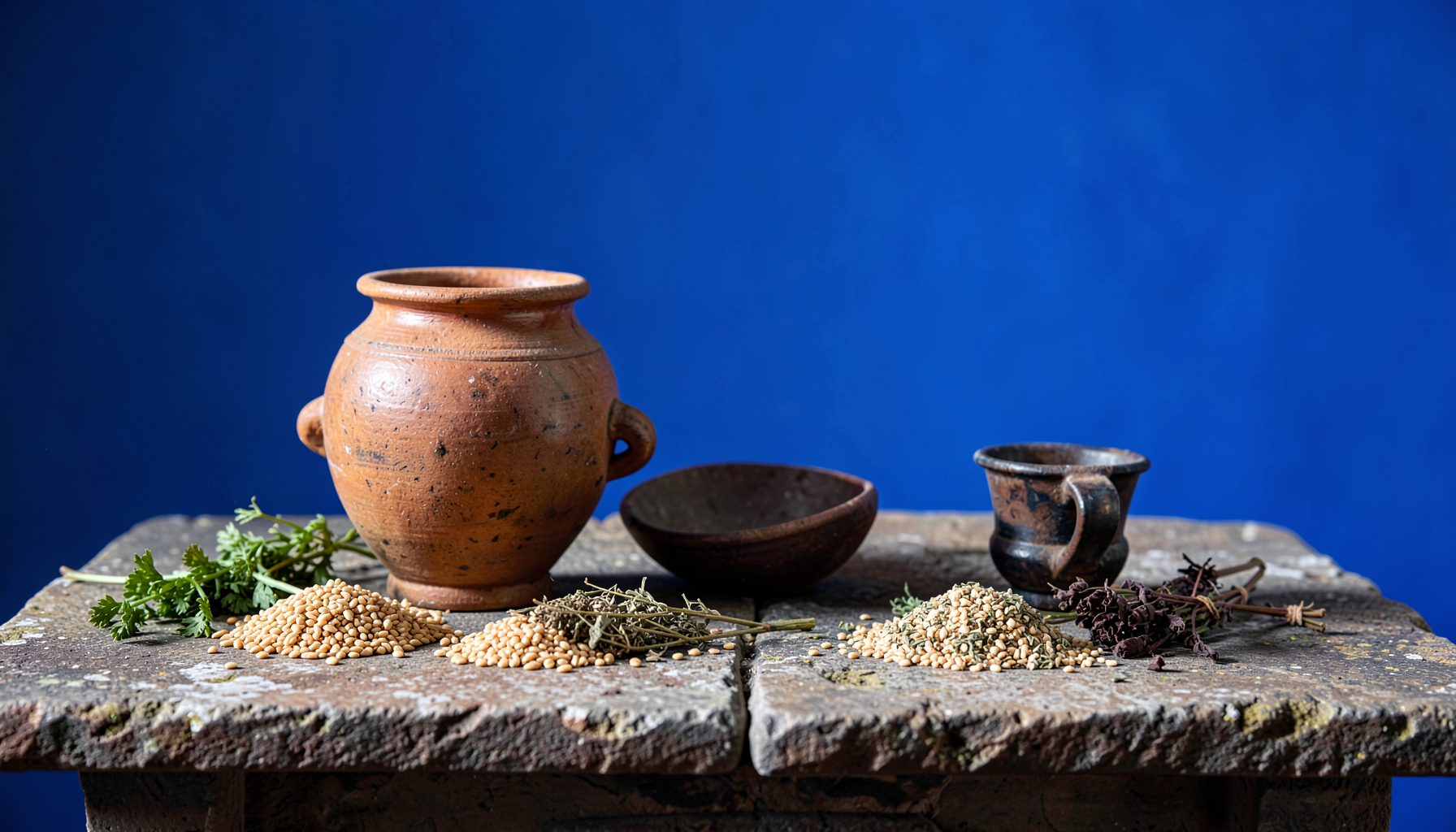
Acid was equally important. Wine vinegar, sour grape juice, and possibly pomegranate preparations could sharpen vegetables and fish. Honey balanced salty or pungent ingredients, while herbs such as mint, coriander, thyme, oregano, and fennel added fragrance. Garlic appears frequently in ancient Mediterranean food traditions, although its strength could be praised in one context and considered rustic in another.
Sauces made from fermented fish, known in Greek contexts as garos, offered intense umami. These products belong to the same broad family of ancient fish sauces later used throughout the Roman world. Their production depended on fish, salt, warmth, and time, while storage vessels helped protect valuable liquids during transport. The wider commercial background is explored in this account of the Roman wine trade, which also helps explain how amphorae supported Mediterranean food exchange.
From Market Stall To Household Bowl
An opson dish began with access to ingredients. Coastal communities could obtain fresh fish, mussels, oysters, and small oily fish, while inland households relied more heavily on legumes, dairy, preserved foods, and produce from gardens or village markets. Even near the sea, fresh fish was not an everyday entitlement for everyone. Catch size, season, price, and household income all mattered.
Greek agricultural writing and comedy give us glimpses of the practical kitchen. Vegetables might be boiled, dressed with oil and vinegar, and served warm or cool. Pulses could be simmered into a thick preparation. Cheese might be crumbled over greens, while olives and bread needed no elaborate cooking at all. A cook could make a convincing relish from leftovers, turning a small amount of fish or meat into a sauce for a larger quantity of grain.
The idea translates neatly to an Australian setting, although the ingredients should not be confused. At a Melbourne farmers’ market, a cook might find silverbeet, broad beans, garlic, herbs, and local honey in a single walk. In Sydney, seafood availability can change quickly with weather and quotas, making the modern fish counter an imperfect but useful reminder that coastal abundance is never automatic. Ancient cooks also worked with fluctuating supplies.
Reconstructing Opson At The Modern Table
There was no single standard formula, but experimental archaeology can create plausible combinations by following ancient ingredients and techniques. The aim is not to claim that a reconstructed bowl reproduces one particular Greek meal. It is to test how salting, pounding, boiling, grilling, fermenting, and mixing produce a recognisably ancient balance.
| Ancient-style accompaniment | Likely preparation | Modern Australian equivalent |
|---|---|---|
| Olives with herbs | Served whole or dressed with oil and aromatics | Kalamata olives with oregano and lemon |
| Lentil relish | Pulses simmered, then seasoned with vinegar or herbs | Warm lentils with red-wine vinegar |
| Salted fish paste | Fish pounded with salt, oil, and sharp flavours | Smoked fish spread, used sparingly |
| Cooked greens | Boiled or wilted, finished with oil and acid | Silverbeet or warrigal greens, prepared simply |
| Fresh cheese with honey | Cheese paired with sweet and aromatic elements | Feta, local honey, and toasted sesame |
A useful reconstruction might begin with lentils cooked until tender but still textured. Stir through olive oil, wine vinegar, chopped mint, coriander seed, and a little salt. Serve it beside coarse bread, olives, and a small amount of grilled sardine or mackerel. The lentils provide substance, while the fish supplies the prized flavour that gives opson its social and culinary charge.
For a second dish, wilt sturdy greens and dress them with olive oil, vinegar, crushed garlic, and toasted coriander seed. A small crumble of sheep’s milk cheese would be historically plausible in spirit, though modern feta is easier to obtain. Avoid adding too many ingredients. Ancient flavour often came from a few strong elements rather than a long list of spices.
Fish, Meat, And The Price Of Pleasure
Fish was among the most admired forms of opson, especially in urban centres where demand could raise prices. Large fish and unusual species attracted attention, while small fish, salted products, and shellfish were more accessible. Literary sources frequently use fish as a marker of appetite and expense, revealing how food could communicate wealth at a dinner party.
Meat occupied a different position. It was associated with sacrifice, festivals, hospitality, and elite dining, although households could consume it in other circumstances. A piece of roasted meat might be shared widely after a ritual slaughter, while a private banquet could feature carefully prepared portions. Meat was therefore both nourishment and a social event.
The Roman banquet later developed its own elaborate language of dishes, sauces, and display. A useful comparison appears in this account of the Roman banquet menu, where abundance and theatrical presentation become central. Greek opson could also signal status, yet many everyday versions remained modest, seasonal, and rooted in household economy.
Serving Opson In An Australian Kitchen
Modern cooks can recreate the structure without pretending to reproduce ancient agriculture. Use Australian olive oil, locally grown lentils, seasonal greens, fresh herbs, and fish that is available through a reputable fishmonger. Sardines, mullet, or mackerel may provide a stronger historical feel than an expensive fillet, while canned sardines make the experiment practical for a weeknight meal.
A barbecue can offer a particularly useful setting. Grilled fish, flatbread, and bowls of dressed vegetables echo the ancient preference for shared food without requiring specialist equipment. The cooking method is modern in context, but the combination of smoky food, sharp relish, and bread is easy to understand. At a suburban backyard gathering, a platter of olives, grilled eggplant, lentils, and fish can function as a spread rather than a sequence of formal courses.
Native Australian ingredients need careful handling in historical reconstruction. Lemon myrtle, wattleseed, and saltbush belong to First Nations food traditions and should not be presented as substitutes for ancient Greek herbs. They can be used in a modern cross-cultural interpretation when their provenance is acknowledged, but a historically focused dish is clearer when it stays with Mediterranean ingredients. This distinction matters in Australia, where interest in native foods is growing alongside serious conversations about cultural ownership and commercial use.
The Art Of Balance And Restraint
The success of opson depended on contrast. Salt needed freshness, oily fish benefited from acid, earthy pulses responded to herbs, and bitter greens could be softened with oil or honey. Texture mattered too: soft lentils beside crisp bread, juicy olives beside dry cheese, or flaky fish beside a sharp vegetable relish made a meal feel abundant without requiring large quantities.
This balance also explains why opson should not be reduced to a generic “side dish”. It was a way of organising desire. The staple filled the stomach, while the accompaniment attracted attention and marked the pleasure of eating. At a poor table, that pleasure might come from onions and olives; at a banquet, it might arrive as costly fish served with imported wine and carefully prepared sauces.
For a historically informed plate, choose one staple, two or three contrasting accompaniments, and a strong seasoning. Serve bread or barley-based food first, then add a pulse dish, dressed greens, olives, and a small portion of fish or cheese. The result should feel varied but economical, allowing each ingredient to remain recognisable.
Bringing Ancient Relishes To Life
Opson offers a practical route into ancient Greek history because it connects written evidence with ordinary acts of preparation. It shows how cooks stretched ingredients, how traders moved preserved goods, how diners expressed status, and how a meal could be built around the relationship between staple and flavour. Its history is found in kitchens, markets, religious gatherings, and arguments about appetite.
Try making a small opson spread with lentils, olives, dressed greens, feta, sour seasoning, and grilled fish. Record the ingredients, method, texture, and cost, then compare the result with the ancient evidence. That simple act of cooking turns a word from classical literature into an investigation of taste, economy, and shared food.