How Romans Used Passum in Ancient Sweet Dishes
For more than a thousand years, Roman kitchens transformed simple ingredients into sweets that astonished guests at banquets and satisfied the everyday appetite for something sweet. Among the most prized ingredients in this ancient culinary art was passum, a concentrated wine made from sun-dried grapes. The Romans used it as a sweetener, a syrup base, and a flavor enhancer long before sugar reached the Mediterranean. To understand passum is to understand how the ancient world approached sweetness itself.
Reconstructions by food historians and enthusiasts across Europe and Australia have brought passum back into kitchens, and the results often surprise those who try it. Modern palates accustomed to refined white sugar find that passum offers a richer, more complex sweetness with notes of fig, dried apricot, and a faint bitter edge. It behaves differently from modern syrups, reducing quickly and carrying aromatic compounds that survive long cooking. This makes it ideal for the kind of slow, layered sweets that defined Roman patisserie.
In Australian kitchens, where Mediterranean cooking has become part of everyday life, interest in passum has grown alongside other heritage ingredients. A cook in Melbourne or Sydney might now reach for a small bottle of passum when preparing a Roman-inspired dessert, much as they might reach for vermouth or marsala. Local importers and specialty shops in cities like Brisbane and Adelaide have begun stocking ancient-style wines, and the category continues to expand. The result is a quiet revival that connects modern home cooks with a tradition stretching back two millennia.
The sweet dishes that depended on passum were not the heavy, cream-laden confections of later European cooking. They were honeyed, spiced, fruit-forward, and often built around bread, cheese, or pastry soaked in sweet wine. To recreate them faithfully, a cook needs to grasp how Romans used passum and why it held such a central place in their dessert repertoire.
What Passum Was and How Romans Made It
Passum was a sweet wine produced by allowing grapes to dry on straw mats or wooden racks before pressing them. Roman agricultural writers such as Columella and Pliny the Elder described the process in detail, noting that the best grapes were left to shrivel in the sun for several days. The result was a thick, dark, intensely sweet wine with high sugar content and concentrated flavor. Production centered on southern Italy, especially around Taranto, and on the islands of Crete and Cyprus, where Greek-speaking winemakers had perfected the technique.
The wine was not always drunk on its own. Because of its richness, Romans often reserved passum for cooking, for offerings, and for mixing with other wines to add body. Cato the Elder recommended passum in his treatise on agriculture, and the poet Virgil referenced it in the Georgics as a product worthy of the finest tables. The wine traveled widely through Roman trade networks, reaching Britain, Egypt, and the Near East. Archaeologists have found amphorae consistent with passum shipment in shipwrecks across the Mediterranean, confirming its commercial importance.
Modern winemakers have revived the technique, and several producers in Australia now experiment with sun-dried grape wines that echo the Roman style. In regions like the Hunter Valley and Margaret River, vintners occasionally produce dessert wines from grapes that have been partially dried before fermentation. While these are not strictly passum, they offer Australian cooks a local path into the world of ancient sweet wine.
Passum as a Roman Sweetener
Before sugarcane and refined sugar became accessible, Roman cooks relied on honey, grape syrup, and passum to bring sweetness to their dishes. Passum functioned as a liquid sweetener, a glaze, and a preservative. When reduced over heat, it thickened into a dense syrup that could be drizzled over cakes, folded into doughs, or used to poach fruit. The reduction process concentrated the wine's natural sugars, producing a product similar in function to modern dessert wine syrups.
In Apicius's famous cookbook, passum appears in recipes for both savory and sweet preparations, often alongside honey, pepper, and various spices. The writer treats it as a versatile pantry staple rather than a luxury ingredient. This suggests that passum was relatively common in well-stocked Roman households, even if the finest versions were expensive. Household manuals and archaeological finds from Pompeii and Herculaneum include small jars and bottles that appear to have held concentrated wine syrups, supporting the textual evidence.
In modern Australian kitchens, a cook can substitute passum with reduced dessert wine, Pedro Ximénez sherry, or a homemade grape syrup made by simmering dried Muscat grapes with water. The substitution is rarely perfect, but it captures the spirit of the original. For those who want to follow ancient recipes faithfully, specialty importers and online shops stock passum imported from Italy and Greece, and a growing community of experimental cooks in Sydney and Perth share their results through blogs and social media.
Sweet Dishes Featuring Passum
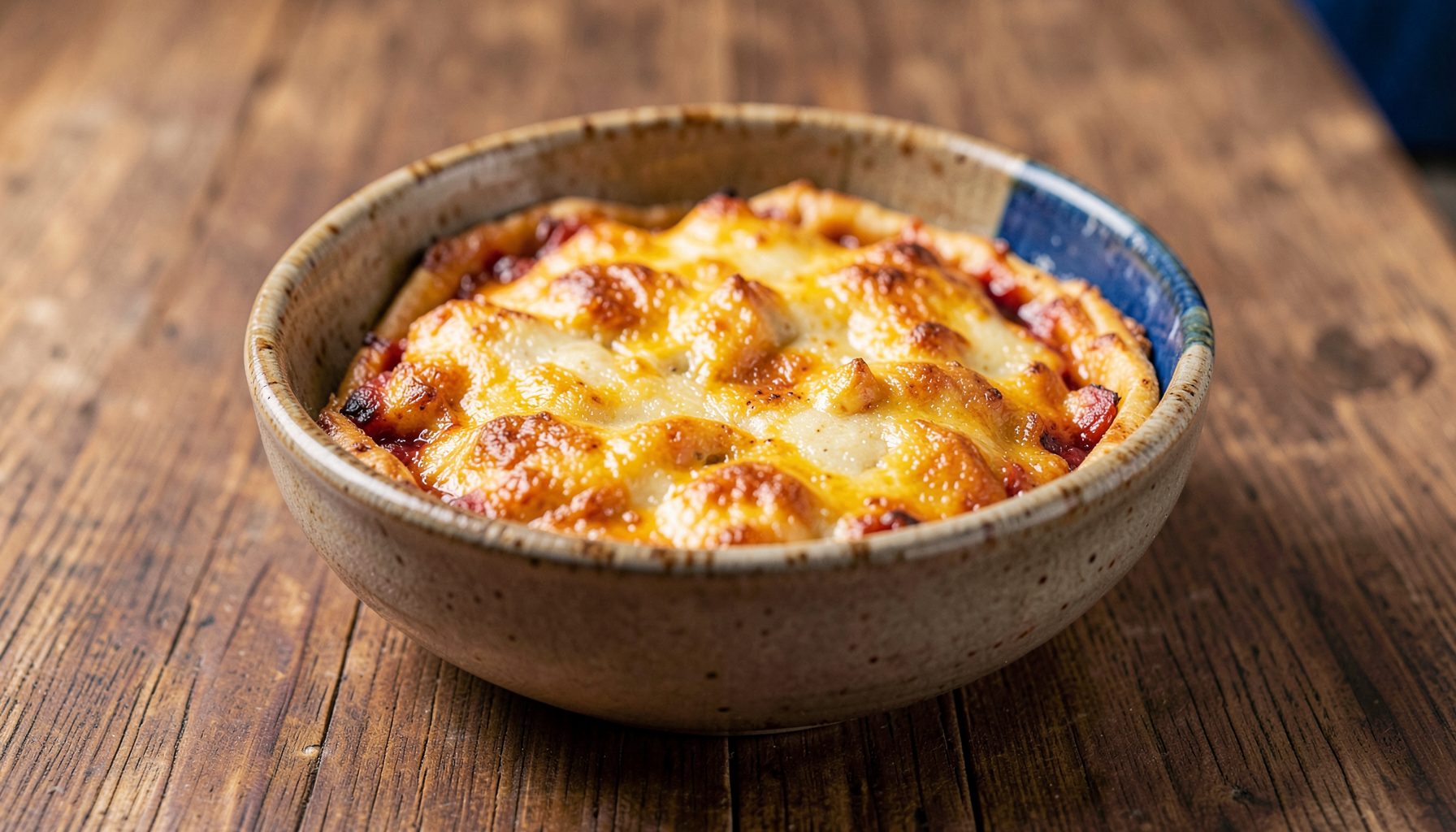
Roman sweets ranged from simple honeyed fruits to elaborate layered pastries. Passum featured in many of them, providing both moisture and depth of flavor. One well-known example is the dulcia, a honey-and-wine cake often made with wheat flour, cheese, and eggs, then soaked in a syrup of honey and passum. Another is the placenta, a layered cake described by Cato that combined dough, cheese, honey, and passum in a stacked construction. Both desserts depended on the wine's sweetness to balance the richness of cheese and the density of the dough.
Fruit preparations also relied on passum. Pears, apples, and quinces were poached in a mixture of passum, honey, and spices, producing a soft, aromatic compote that could be served warm or cold. Apicius includes recipes for pears stewed in passum with pepper and a touch of rue, a combination that sounds unusual to modern diners but produces a balanced, fragrant dish. Such recipes show that Roman sweets were not cloying; they incorporated savory and bitter notes to create complexity.
Modern adaptations of these dishes have appeared in kitchens from Hobart to Darwin, often at historical reenactment events or themed dinners. Home bakers in Brisbane have experimented with passum-soaked sponge cakes, while Melbourne pastry chefs have used reduced passum in ice cream bases. For those interested in learning more about ancient Roman sweets, the news section of Archeoricette offers regular updates on new findings and recipe reconstructions.
Spices, Fruits, and Flavor Combinations
The Romans paired passum with a wide range of spices, many of which arrived through trade with India, Arabia, and Southeast Asia. Pepper, cinnamon, cassia, ginger, and cloves appeared in Roman recipes, and passum served as a carrier for their flavors. The wine's intensity could stand up to strong spices without being overwhelmed, which made it a natural partner for the bold, layered seasonings that characterized imperial Roman cooking.
Fruits also played a central role. Dried figs, dates, and raisins often appeared alongside passum in sweet dishes, echoing the wine's own grape base. Fresh fruits, when in season, were poached or stewed with passum to create simple but elegant desserts. Apicius suggests combinations of passum with pomegranates, quinces, and even rose petals, demonstrating a sophisticated understanding of how fruit and wine could complement each other.
In contemporary Australian cooking, these combinations feel surprisingly familiar. Bush tucker ingredients like quandong or native pepper can be paired with passum in a way that nods to both Roman and Aboriginal food traditions. Some experimental cooks in Adelaide have begun exploring these pairings, using local spices and native fruits to create fusion desserts rooted in both ancient Roman practice and Australian terroir. The approach honors the spirit of Roman cooking, which was always open to foreign ingredients and new flavor combinations.
Passum in Roman Banquets and Rituals
Beyond the kitchen, passum held a place in Roman religious and social rituals. It was poured as a libation at family altars, offered to household gods, and consumed during festivals. Sweet wines were associated with prosperity and celebration, and passum was among the most festive. The Saturnalia, in particular, involved generous drinking and sweet foods, and passum would have appeared at many of these gatherings.
Roman funerary practices also featured sweet foods, and archaeologists have uncovered evidence of offerings that included wine, honey, and small cakes in tombs across the empire. The Etruscan tradition of food offerings, explored in the dining with the Etruscan dead guide, shows how central food was to beliefs about the afterlife in pre-Roman Italy. Roman practices built on these earlier customs, with passum and honeyed cakes frequently placed at gravesites or included in burial goods.
Banquet menus often ended with a course of sweets called the secunda mensa, where passum-based dishes would have appeared alongside fresh and dried fruits. These finales were an opportunity for hosts to display wealth and refinement, and the use of imported spices and wines like passum signaled both. Modern reenactors of Roman dining in Australia have reconstructed these menus, drawing on archaeological evidence and ancient texts to recreate the atmosphere of an imperial feast.
Rediscovering Passum in Modern Kitchens
The revival of passum in modern cooking is part of a broader interest in historical cuisines. Food historians, archaeologists, and home cooks have all contributed to the resurgence, publishing recipes, hosting workshops, and writing about their experiments. Archeoricette and similar projects play a central role in this revival, sharing detailed reconstructions of ancient dishes and the reasoning behind them. For those curious about Roman sweets, the delicious Roman desserts approach offers a useful bridge between modern baking and ancient practice.
Australian cooks have embraced this revival enthusiastically. The country's strong food culture, combined with its openness to international traditions, makes it an ideal place for ancient recipes to take root. Local food festivals in Melbourne and Sydney have featured Roman-themed dinners, and cooking schools in Perth occasionally offer workshops on Mediterranean heritage cooking. These events introduce participants to ingredients like passum, garum, and silphium, expanding their understanding of what ancient food could taste like.
Home cooks can also find resources through books, online communities, and specialty food shops. Many Australian retailers now stock passum or comparable dessert wines, and recipes are widely available online. For those with a serious interest, joining a local food history group or attending a reenactment event provides hands-on experience with ancient techniques. The key is patience, since Roman cooking rewards slow methods and careful attention to ingredient quality.
Where to Find Passum and Similar Wines Today
Sourcing passum is easier than it once was. Italian producers in Puglia and Sicily continue to make traditional passum, and these bottles are now exported worldwide. In Australia, importers specializing in Mediterranean wines often carry passum, and it can also be ordered directly from Italian and Greek suppliers online. Local producers occasionally release small batches of passum-style wines, particularly in warm regions where grape drying is feasible.
For cooks who cannot find true passum, several alternatives work well. Reduced dessert wine, especially Pedro Ximénez sherry or Australian Muscat, can approximate the sweetness and texture. Homemade grape syrup, made by simmering dried grapes in water until thickened, offers another option. These substitutes are not identical, but they allow modern cooks to experience the essential character of Roman sweet dishes.
Those exploring ancient Roman cooking should also be aware of the site's cookie policy, which explains how user data is handled during recipe research. Understanding these practical details helps ensure a smooth and responsible experience when engaging with online resources for historical cooking.
Try one Roman sweet this month, whether it is a passum-soaked cake, a honeyed fruit compote, or a spiced wine reduction drizzled over fresh bread. Begin with a single recipe, source the best passum you can find, and let the slow, fragrant process teach you something new about the ancient world. Each dish recreated is a small act of connection with the cooks of two thousand years ago, and the experience of preparing them brings history directly into the modern kitchen.