How to make a Roman honey and wine drink
Mulsum was a sweetened wine enjoyed in the Roman world, valued as a beverage, an aperitif, and an accompaniment to food. The Latin term is connected with mel, honey, and ancient writers describe more than one preparation under related names. Some versions combined honey with finished wine, while others used fresh grape must before fermentation had fully developed.
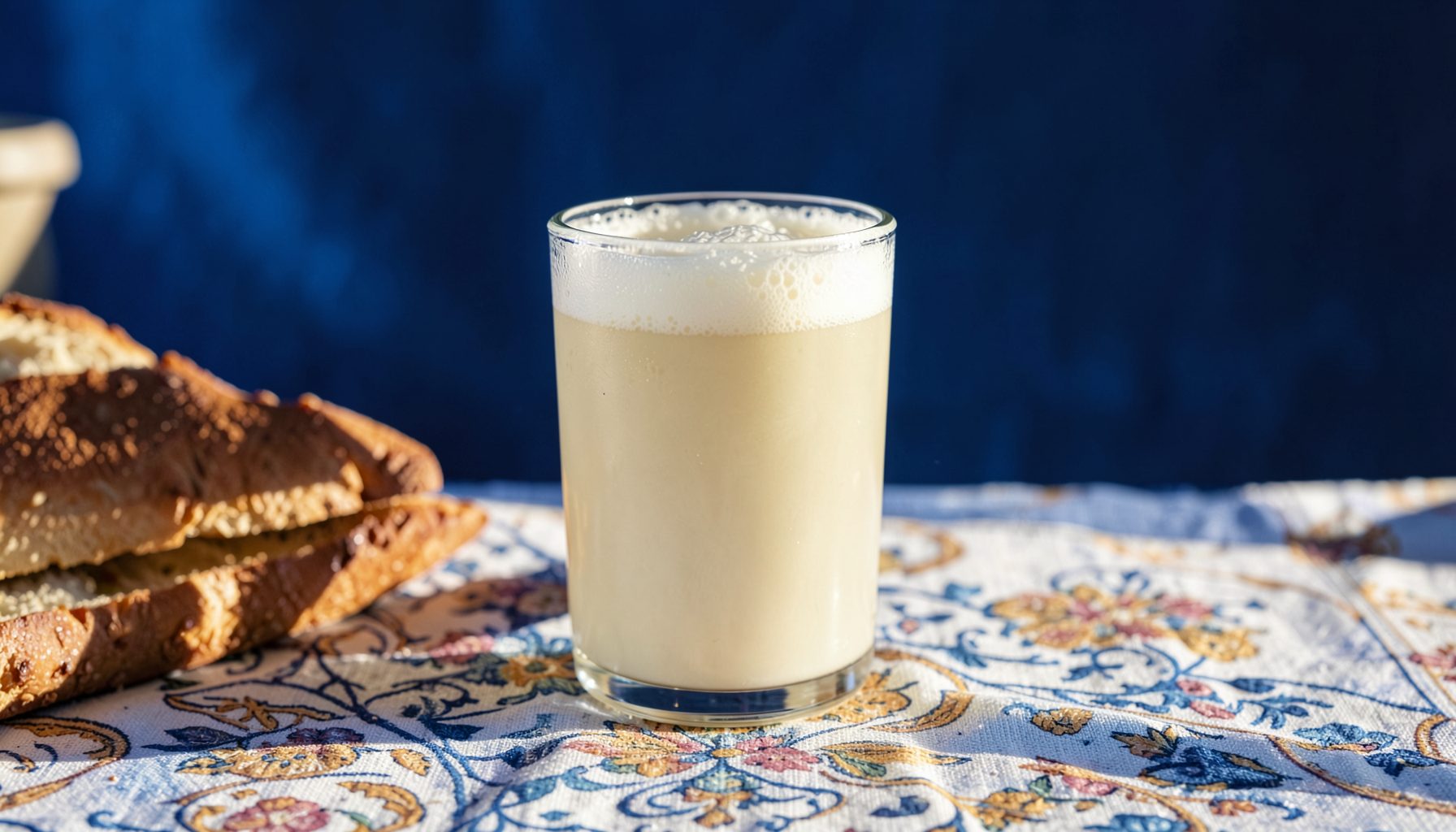
A modern reconstruction can be simple: dry wine, aromatic honey, and enough water to soften the sweetness. The result is fragrant rather than syrupy when properly balanced, with floral notes from the honey and the fruit, acidity, and gentle bitterness of the wine beneath it.
There is no single universally fixed recipe for every Roman household. Ingredients, proportions, and serving customs changed according to period, location, wealth, and occasion. This method therefore treats mulsum as an evidence-based interpretation rather than a claim to reproduce one definitive ancient formula.
What mulsum meant in Roman kitchens
Roman authors connected honeyed wine with hospitality, dining, medicine, and luxury. Pliny the Elder discusses wine mixed with honey, while agricultural writers describe preparations involving must and honey. The famous cookbook attributed to Apicius also preserves recipes in which wine is sweetened and perfumed with ingredients such as spices.
The word could therefore indicate a family of drinks rather than a single standardized product. A lightly sweetened wine served before a meal would have tasted very different from a dense, highly aromatic mixture made for a banquet. The social setting matters as much as the ingredients: a wealthy household could use prized Greek wine, costly honey, and imported spices, while an ordinary drinker might rely on local produce.
Mulsum should also be distinguished from conditum, another Roman spiced wine preparation. The categories could overlap in practice, but a basic honeyed wine places honey at the center, keeping the flavor profile clearer and the reconstruction easier to evaluate.
Choosing wine, honey, and aromatics
For a practical version, select a dry or off-dry white wine with noticeable acidity. A crisp Mediterranean-style wine works well, but a lightly fruity red can also produce an appealing result. Avoid heavily oaked wines, since vanilla and toasted wood can overwhelm the honey and make the drink taste modern.
Use a liquid honey with a distinctive but not overpowering character. Wildflower, thyme, chestnut, or orange-blossom honey each suggests a different landscape and season. Roman honey varied according to flora and region, so there is no need to search for one supposedly authentic variety. A strongly flavored honey should be used sparingly because its aroma intensifies when mixed with wine.
The simplest formula is four parts wine to one part honey, diluted with a small amount of water if necessary. This produces a clearly sweet drink. For a drier result, begin with two tablespoons of honey per 750 milliliters of wine and adjust gradually. A pinch of crushed black pepper, a small piece of cinnamon bark, or one bruised bay leaf can be added, although spices should remain secondary.
Roman agricultural life depended on careful processing of many crops, including grapes and olives. The broader relationship between farming, pressing, storage, and household use is explored in this account of ancient Greek olive oil, which provides useful context for thinking about ancient food production beyond the finished cup.
A measured reconstruction for the home
This recipe makes approximately five small servings:
- 750 ml dry white wine
- 120–150 g runny honey
- 60–100 ml water
- 1 small bay leaf or a narrow strip of lemon peel
- 2 lightly crushed black peppercorns, optional
Warm the water in a small saucepan without allowing it to boil. Add the honey and stir until it dissolves completely. This step creates a smooth honey syrup and prevents dense honey from settling at the bottom of the serving vessel.
Let the syrup cool to lukewarm, then combine it with the wine in a pitcher or ceramic jug. Add the optional aromatic ingredient and leave the mixture for 30 minutes to one hour. Taste it before serving. If it is too sweet, add more wine; if the honey disappears, add one teaspoon at a time until the desired balance returns.
| Ingredient or choice | Practical amount | Historical and sensory effect |
|---|---|---|
| Dry white wine | 750 ml | Provides acidity and a clean grape base |
| Runny honey | 120–150 g | Adds sweetness, floral aroma, and body |
| Water | 60–100 ml | Softens the alcohol and reduces heaviness |
| Bay leaf or lemon peel | One small piece | Gives restrained herbal or citrus fragrance |
| Black pepper | 2 crushed corns | Adds warmth, used carefully to avoid harshness |
Mixing, resting, and serving
Ancient wine was often handled differently from modern bottled wine. It might be diluted, filtered, infused, or served from a mixing vessel before being poured into individual cups. For a modern household, a glass pitcher or ceramic jug recreates the communal aspect without requiring specialized equipment.
Do not heat the finished wine. Gentle warmth is useful only for dissolving the honey in water; boiling would drive off delicate aromas and produce a cooked flavor. Once mixed, the drink can be served slightly cool or close to cellar temperature. Very cold refrigeration suppresses both honey and wine aromas.
A short resting period allows the sweetness to integrate, especially when spices or herbs are used. Strain the mulsum before serving if you have added botanicals. Small cups are more suitable than large wine glasses because the drink is sweet and aromatic. A serving of 90–120 milliliters encourages slow tasting and fits the style of a Roman banquet more closely than a modern tumbler filled to the brim.
Flavor, food pairings, and responsible use
The finished drink should lead with honey, followed by grape acidity and a mild alcoholic warmth. It should not taste like a dessert syrup. If the wine seems sharp, a little additional water can help. If the mixture feels flat, a more acidic wine or a small reduction in honey will restore definition.
Mulsum pairs naturally with salty and savory foods. Try it with olives, aged cheese, roasted nuts, fresh figs, dates, spiced lentils, or grilled poultry. Its sweetness also complements garum-seasoned dishes, where honey can soften the effect of salt and fermentation. The drink works best alongside food rather than as an isolated sweet course.
Honeyed wine remains an alcoholic beverage, even when diluted. Serve it in modest portions, and do not offer it to children, pregnant people, or anyone who should avoid alcohol. Prepare only what can be consumed promptly, keep it refrigerated, and use clean equipment. Honey can ferment if mixed with liquid and left unattended, but this quick recipe is intended for immediate service rather than long-term storage.
When publishing or adapting historical recipes, it is also useful to understand how the website handles visitor data and browsing technologies. The project’s site cookie policy explains that practical side of engaging with modern research about ancient foodways.
Avoiding common reconstruction mistakes
A historically inspired recipe becomes more convincing when its limits are visible. It is better to state that a method is a reconstruction than to present a single modern formula as the exact Roman original. Ancient sources often assume knowledge that they do not explain, and words for wine, must, honey, and spices could cover several preparations.
Keep the ingredient list short for the first attempt. Adding cinnamon, pepper, bay, saffron, herbs, dried fruit, and resinous flavors all at once makes it difficult to identify the character of the wine and honey. Once the basic mixture is understood, variations can be tested separately and recorded with their proportions.
Pay attention to texture as well as flavor. A thick, unfiltered honey may create sediment, while a very dry wine can make the drink seem thinner than expected. Straining, dilution, and serving temperature are not minor details; they shape the experience of the reconstruction and help explain why the same ingredients could produce different results in different kitchens.
A reliable way to taste the result
- Begin with a dry, acidic wine and add honey gradually rather than starting with an intensely sweet mixture.
- Record the honey variety, wine style, proportions, and resting time for each batch.
- Taste the drink at cool and cellar temperatures to observe how the aromas change.
- Use spices sparingly, treating them as historical possibilities rather than mandatory ingredients.
- Serve small portions with salty, roasted, or fruit-based foods.
Prepare the mulsum a few hours before a meal if you want its flavors to settle, but avoid storing it for extended periods. Pour it into small cups, describe the ingredients and reconstruction choices to guests, and let the contrast between wine, honey, acidity, and aroma guide the tasting.
Making this Roman honey and wine drink is a modest way to approach ancient culinary history through the senses. With a bottle of dry wine, good honey, and careful proportions, a modern kitchen can recreate the balance of sweetness and acidity that made mulsum such a memorable part of Roman drinking culture.