Mesopotamian coriander and cumin in ritual food offerings
Long before a supermarket spice aisle separated cumin from coriander, Mesopotamian cooks carried aromatic seeds into stews, breads and offerings placed before gods. Cuneiform recipes, temple accounts and charred plant remains show that coriander and cumin were useful kitchen materials as well as ritual markers. Their importance came from several qualities at once: the warmth of cumin, coriander’s citrus-and-leaf aroma, their portability, and their ability to distinguish a carefully prepared meal from an ordinary one.
The evidence does not reveal one unchanging Mesopotamian cuisine. Clay tablets and excavation sites span many centuries, languages and regions, from Sumer in southern Iraq to Akkadian cities farther north. Read together, they reveal a recurring relationship between food preparation and divine hospitality: what was offered, how it was seasoned, and who received or consumed the remainder.
Seeds before cuisines
Coriandrum sativum, the source of coriander seed and leaf, and Cuminum cyminum, cumin, belong to the carrot family. Coriander was native across the eastern Mediterranean and Southwest Asia; cumin’s early centre of origin is debated, although it reached western Asia early and became a traded crop. Neither plant had a single fixed frontier. Their ancient distribution grew through cultivation, gift exchange and commerce across river valleys, caravan routes and imperial networks.
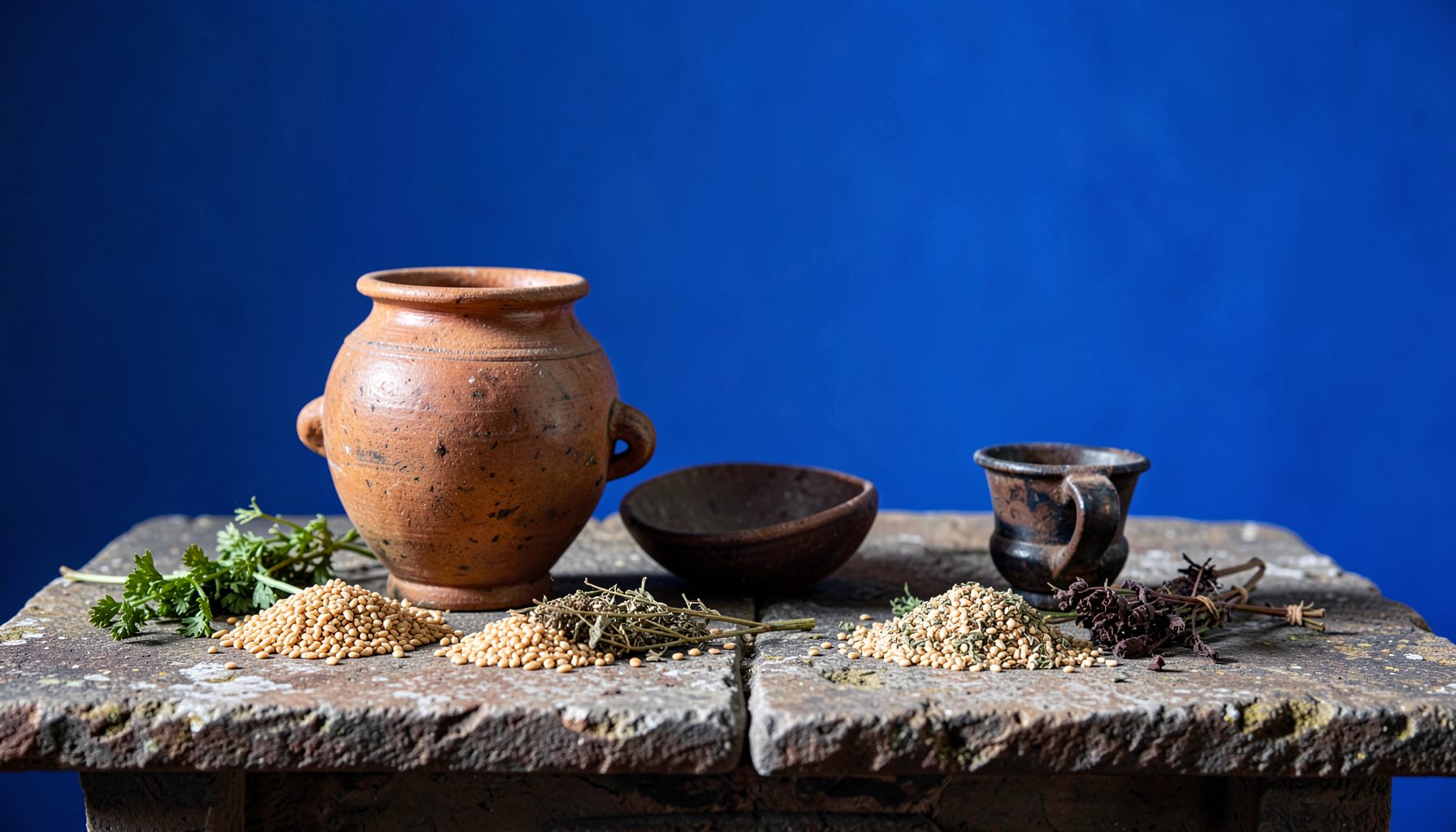
Archaeobotanists can recognise their small, ridged or grooved fruits, but preservation depends on heat, moisture and burial conditions. Charred specimens may survive in burnt food, hearths or rubbish pits, while residues and impressions sometimes appear in ceramics. A seed therefore offers several clues at once: the plant, the processing area and possibly the dish. Yet its presence alone cannot prove a sacred use; the depositional context and written records must support that interpretation.
The names in cuneiform
Clay tablets preserve these ingredients in Sumerian and Akkadian. Lexical lists, royal kitchen records and recipe texts use separate terms for the plants and sometimes distinguish seed, leaf or other plant parts. Some identifications remain debated because vocabulary shifted and several names referred to related or unfamiliar species. Even so, the repeated pairing is meaningful: cumin and coriander were recognised often enough to be counted, stored and combined rather than treated as anonymous weeds.
Second-millennium recipe tablets describe stews and broths with meat, oil and aromatic plants. Coriander appears as a seed in some preparations, while cumin is repeatedly associated with meat, savoury liquids and bread accompaniments. These are not modern recipe cards, and gaps make precise quantities impossible. They nevertheless show that the seeds functioned as seasoning within organised kitchens, including the workshops that supplied temples and palaces.
Building a ritual meal
A ritual meal in Mesopotamia could include bread, broth, dairy, fruit, meat, beer or wine, depending on the deity and occasion. In some ceremonies an animal was slaughtered and selected cuts set before the divine image; in others, prepared foods were placed on an offering table or offered without an animal. Priests recited the donor’s name and the requested favour. The food enacted a relationship: the worshipper supplied a valued gift, and the god was imagined as accepting and rewarding it.
Within that framework, coriander and cumin did more than add flavour. Their aroma announced the meal’s care and value, while the costly ingredients demonstrated access to stored goods and skilled labour. Whole seeds could be set out as a visible component; crushed or cooked seeds would have released aroma more intensely. The evidence does not justify assuming that every temple used the same recipe, but it does place these aromatics among the materials through which ritual hospitality was expressed.
Fragrance as offering
Fragrance carried meaning in a world where smoke, blood, beer and cooking odours shaped experience of the divine. The sharp scent of fresh coriander could recall vegetation and fertility; cumin’s warm, slightly sweet aroma suited rich meat and bread. Such associations are interpretations rather than universal meanings, but they help explain why aromatics were suitable in offerings. Strong scent made food memorable, marked preparation and transformed consumption into an encounter with the sacred.
Temple food was also social and economic. Offerings could feed priests, craftspeople and communities, and records of ingredients reveal supply chains behind sacred meals. A batch seasoned with imported spice could connect a local court to distant growers and merchants. Coriander and cumin also occur in medical and perfumery contexts, so modern readers must not label every aromatic use ritual. The evidence becomes persuasive when several kinds of source converge: lexical entries, recipes, residues and find context.
Reconstructing flavour experimentally
Experimental cooking turns fragments into questions rather than exact answers. Whole coriander seeds are brittle and earthy; crushing them releases a brighter, citrus-like note. Cumin becomes warmer and more penetrating when lightly toasted, then ground. Archaeologists and cooks can test whether a seed was more plausible as a visible garnish, an infusion or a component of a stew by comparing aroma, texture and visibility. Such trials reveal possibilities, not a surviving menu.
Modern grocery shopping offers a practical way to approach that reconstruction. Australian supermarkets generally sell ground cumin in jars and fresh coriander in bunches, while whole cumin seed and coriander seed may require a bulk-food shop, specialist grocer or market stall. A practical guide to grocery shopping as learning illustrates how examining labels, origin and ingredient form can turn a routine shop into historical research, even when the products are modern rather than archaeological.
Weighing evidence and uncertainty
Source criticism is essential because each kind of evidence answers a different question. A lexical tablet proves that people named the plant, not that it reached an altar. A charred seed indicates deposition, not necessarily consumption. A palace account may illuminate elite provisioning without representing a village or temple. Reconstruction becomes strongest when botanical identification, language and archaeology align, and when alternatives such as medicinal or perfumery uses remain visible rather than being discarded.
For wider reading on how ancient objects and texts are interpreted, Archeoricette’s published archaeology books offer a useful route beyond the simplified idea of recreating a single national dish. The relevant evidence is a network: crop histories, environmental conditions, trade, ritual practice and later preservation. Reading across those layers keeps an adaptation intellectually honest while still allowing modern cooks to explore the sensory possibilities of the past.
An Australian adaptation
Australian supermarkets make coriander and cumin easy to find, but usually in different forms and places. At Coles and Woolworths, fresh coriander commonly sits in the produce chillers, whereas cumin sits as a ground spice in the seasoning aisle. Many household jars contain a pre-mixed curry powder, which combines them with other spices and makes their individual proportions invisible. Whole seeds offer a better starting point for separating their aromas and tracing their histories.
Market shopping changes that experience. At Adelaide Central Market, produce sellers and specialist food traders sit near one another, allowing a cook to compare fresh bunches with whole seeds; Melbourne’s Queen Victoria Market offers similar opportunities among its delis and stalls. In everyday Australian speech, “coriander” is the common word for the herb, though “cilantro” and “Chinese parsley” also appear in menus and older recipes. South Asian shopkeepers and family kitchens may use “dhania”, a reminder that the same English ingredient list can hide different local names.
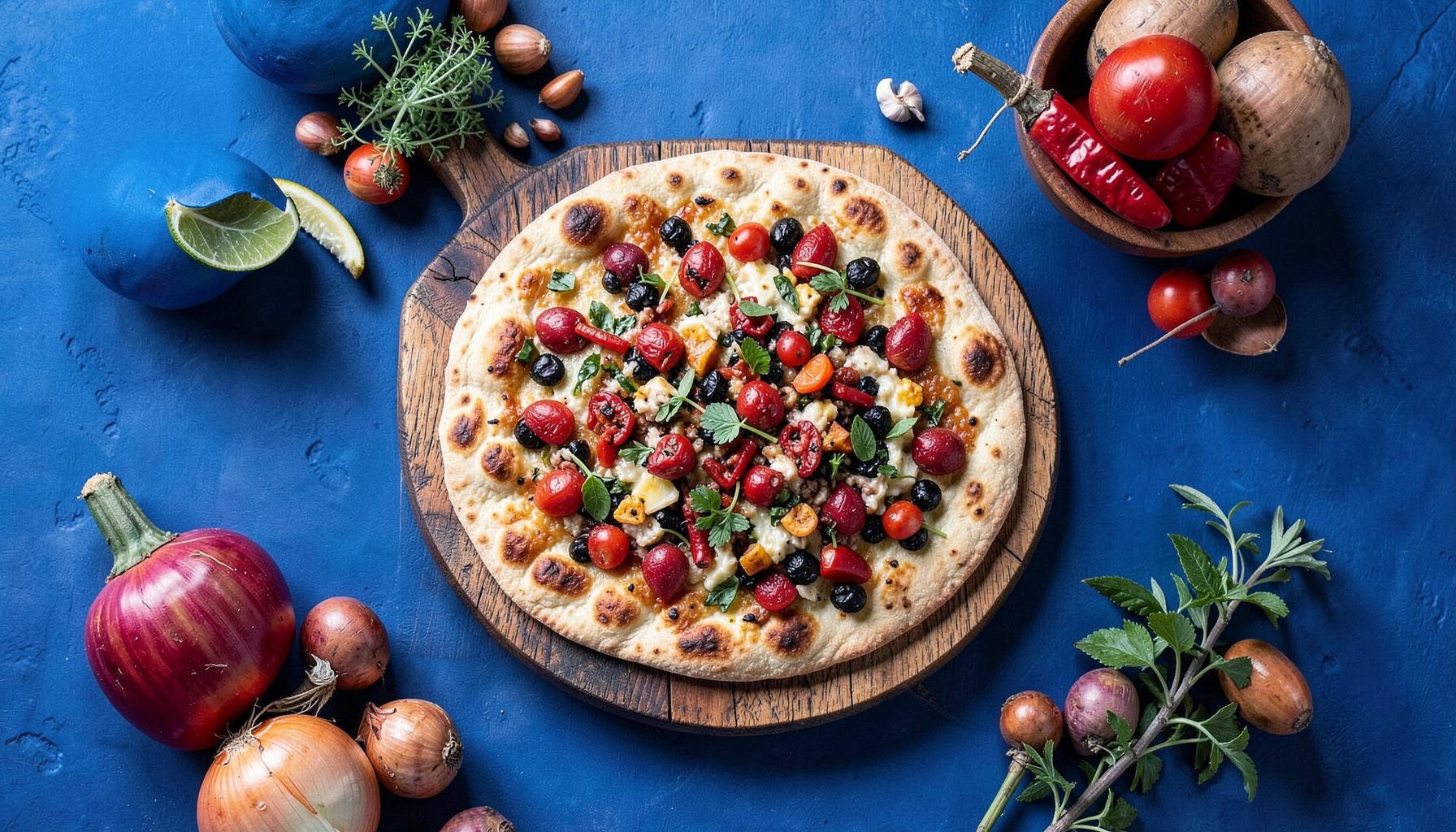
A modern offering-inspired meal can use these market differences deliberately. Bruise whole coriander and cumin separately, toast them briefly in a dry pan, then grind each as needed. Combine them with lamb or beef, onions and flatbread for an Australian setting, but add the ground coriander late so its aroma remains clear. Serve the meat with herbs, bitter leaves or a sharp accompaniment as a modern exploration of the contrasting tastes associated with ancient feasts, while labelling the result an adaptation rather than an authentic reconstruction.
The value of reconstructing Mesopotamian coriander and cumin lies in showing how a seed can connect agriculture, language, trade and worship. Grinding a tiny quantity releases the same sensory evidence that tablets and charred remains once preserved imperfectly. Each aroma raises a historical question, and each answer must remain open to revision.
Visit Archeoricette’s experimental recipes and choose one built around coriander, cumin or another ancient aromatic. Buy the stated ingredient form, record your choices about roasting and grinding, and serve the dish with a brief note on the evidence behind it. Continue with the site’s articles and books to place your plate within the wider history of Mesopotamian foodways.