Reconstructing a Greek Symposium Menu for a Modern Dinner
A Greek symposium was more than a meal with wine. It was a carefully staged social gathering in which guests reclined, drank diluted wine, listened to music, debated ideas, played games, and performed small rituals. The evening usually followed a substantial meal, known as the deipnon, so the food served during the drinking party was often designed for sharing rather than for a formal succession of courses.
Recreating this setting today requires a balance between historical evidence and practical hospitality. Ancient cookbooks are rare, recipes can be incomplete, and the archaeological record usually reveals ingredients or equipment rather than exact instructions. Still, literary sources, vase paintings, excavated kitchens, amphorae, botanical remains, and surviving Mediterranean techniques can create a convincing framework.
The most successful modern version treats the symposium as a historical interpretation rather than a theatrical copy. The aim is to evoke Greek flavors, customs, and conversation while making the gathering comfortable for contemporary guests. Research into the project’s background can also help place experimental ancient-food reconstruction within a broader study of culinary history.
Evidence Before Recipes
Begin by separating what is documented from what is plausible. Ancient authors such as Athenaeus preserve descriptions of foods, banquets, and drinking customs, while comedic and philosophical texts reveal the social behavior associated with the symposium. Archestratus is especially valuable for references to fish and regional ingredients, although his work survives through later quotations rather than as a complete cookbook.
Archaeology adds another layer. Olive pits, grape seeds, carbonized legumes, fish bones, ceramic cooking vessels, and storage jars provide evidence for what people handled and ate. Ancient Greek pottery also shows reclining diners, mixing vessels, bread baskets, cups, musicians, and serving gestures. These images should be read carefully: a painted object may represent an idealized banquet, a mythological scene, or a familiar visual shorthand rather than a literal menu.
For a dinner at home, choose a few ingredients with strong historical support and build around them. Barley and wheat breads, olives, grapes, figs, lentils, garlic, onions, herbs, honey, cheese, fish, and wine all have deep roots in Greek foodways. Avoid presenting every dish as an exact surviving recipe. A short note explaining the evidence behind each preparation gives guests a more honest and engaging experience.
Shape The Evening
The room should encourage conversation rather than reproduce an uncomfortable ancient dining arrangement. If space allows, place cushions or low platforms along two or three walls, leaving a central area for shared dishes and musicians. Ordinary chairs work perfectly well, especially when guests include anyone who cannot recline safely. The visual impression matters more than strict furniture accuracy.
Use ceramic bowls, wooden boards, linen napkins, and simple terracotta-colored serving pieces. Oil lamps or warm indirect lighting can suggest an evening gathering, but modern candles and electric lights are safer. A few grapevines, olive branches, laurel leaves, or pomegranate fruits can evoke the Greek landscape without turning the room into a stage set.
Ancient symposia included ritual actions, often beginning with libations to the gods and a toast to good fortune. A modern host can adapt this respectfully by pouring a small amount of wine or grape juice into a separate bowl and acknowledging the agricultural cycle, the household, or the shared meal. This gesture should be explained as an interpretation, not presented as an authentic religious ceremony.
Build The Menu
The menu should move from substantial food into lighter items that can remain on the table while conversation develops. Since the symposium followed dinner, it is historically reasonable to serve a compact meal first and then bring out additional snacks with the wine. This also prevents guests from expecting a modern restaurant-style sequence.
The following structure combines documented ingredients with manageable contemporary preparations:
| Part of the evening | Ancient inspiration | Modern service |
|---|---|---|
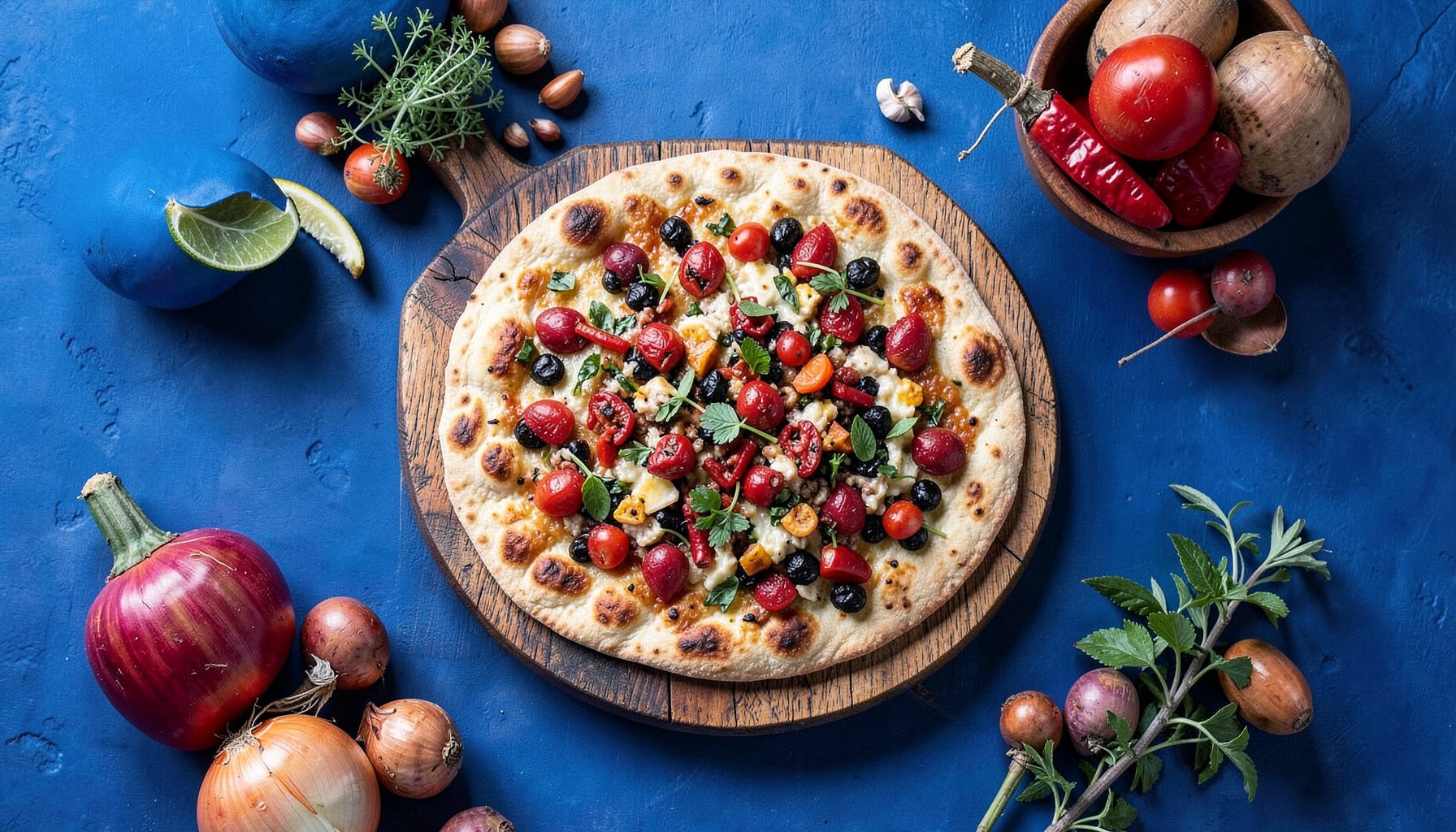
| Opening bread | Barley or wheat loaves were central to Greek eating | Serve sourdough, barley rolls, or flatbread with olive oil |
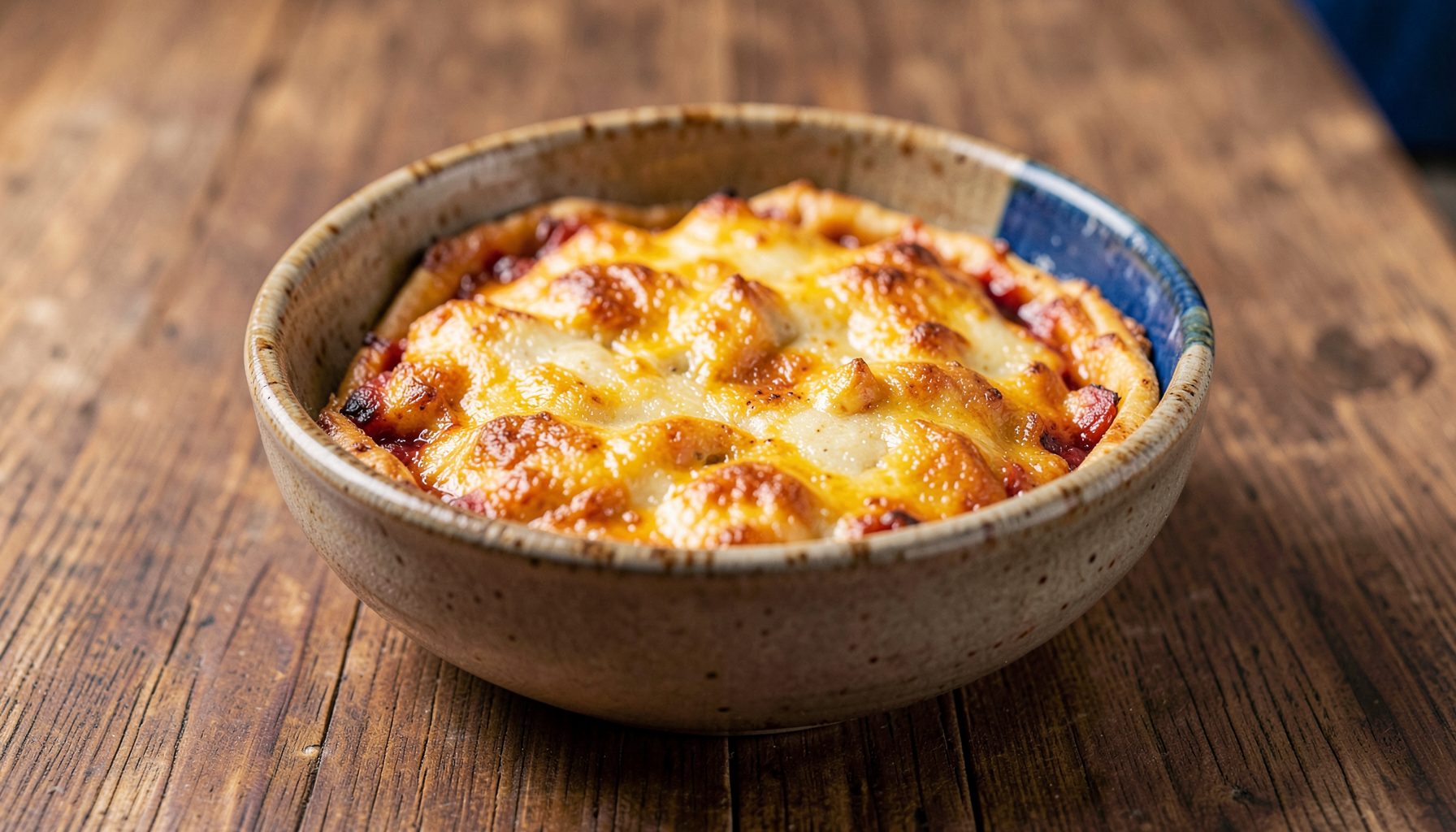
| Savory dishes | Pulses, onions, garlic, herbs, cheese, and vegetables were everyday foods | Offer lentils with coriander, roasted leeks, and soft goat cheese |
| Fish course | Fish was prized and often associated with coastal regions and elite dining | Serve grilled sardines, sea bass, or a baked fish with herbs |
| Meat option | Pork, goat, lamb, and poultry appear in Greek food traditions and sacrificial contexts | Prepare small portions of lamb or chicken with oregano and garlic |
| Sweet elements | Honey, dried fruit, sesame, and nuts supplied sweetness without refined sugar | Make honeyed figs, sesame cakes, or walnuts with dates |
| Fruit and refreshment | Grapes, figs, apples, and pomegranates were familiar seasonal foods | Arrange fresh fruit and dried figs for grazing |
| Drinking service | Wine was commonly mixed with water in a krater | Use a pitcher with a clearly marked wine-to-water ratio and offer grape juice |
A lentil dish makes an especially useful centerpiece because it is inexpensive, filling, and easy to prepare in advance. Simmer lentils with onion, garlic, bay, coriander, and olive oil, then finish them with vinegar or a little wine. For a fish preparation, keep the seasoning restrained: olive oil, herbs, salt, and perhaps a sharp acidic element allow the quality of the fish to remain visible.
Bread, olives, cheese, and fruit can stay available throughout the evening. Small servings suit the social rhythm better than oversized plates. If guests have different dietary needs, the menu can include several naturally vegetarian dishes and a clearly labeled fish or meat option without making the meal feel divided.
Mix The Wine With Care
Wine was central to the symposium, but it was generally diluted with water rather than consumed neat. The mixing vessel, or krater, stood at the heart of the gathering, and a designated person could control the strength and pace of the drink. This practice had social meaning: drinking too quickly or refusing the established rhythm could disrupt the group.
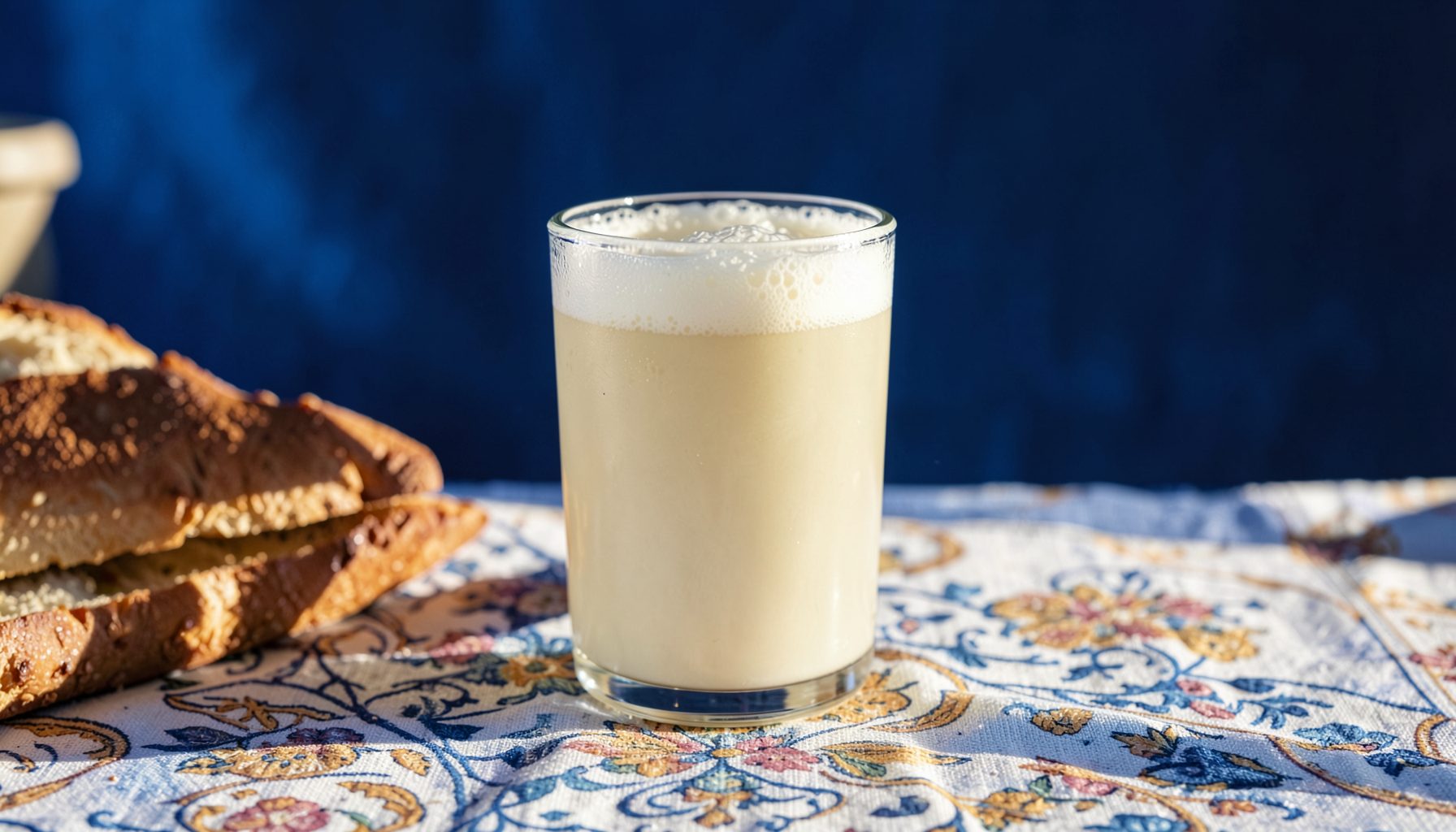
For a modern dinner, use a large jug or bowl and prepare a moderate mixture before guests arrive. A ratio of one part wine to two or three parts water creates a light drink suitable for a long evening. Because ancient wine was often stronger, sweeter, and more heavily flavored than many modern wines, a dry red or white may need a small addition of honey, herbs, or fruit to suggest the older profile without making the result heavy.
Nonalcoholic options should receive equal care. Diluted red grape juice, verjus mixed with water, herbal infusions, and sparkling water with grapes can occupy the same visual space as wine. Keep all drinks clearly identified, and ensure that nobody is pressured to participate in alcohol-based rituals. The convivial character of the symposium comes from shared attention and conversation, not intoxication.
A Practical Service Checklist
Preparation is easier when the host divides the evening into a few deliberate stages. Cook the lentils and meat in advance, arrange the cold foods shortly before guests arrive, and leave only the fish or final warm dish for last-minute work. This allows the host to participate instead of managing the kitchen continuously.
- Prepare two or three dishes that can be served at room temperature.
- Place bread, olives, cheese, and fruit where guests can reach them easily.
- Mark wine, water, and nonalcoholic drinks with separate vessels.
- Provide a short card describing the historical inspiration for each dish.
Games and performances can follow the food. Ancient symposium entertainment included flute music, poetry, riddles, dice, and drinking games, although some activities encouraged excessive consumption. Modern alternatives might include a reading from Homer, a short discussion of an ancient food passage, a music playlist based on reconstructed instruments, or a friendly contest identifying herbs and spices by scent.
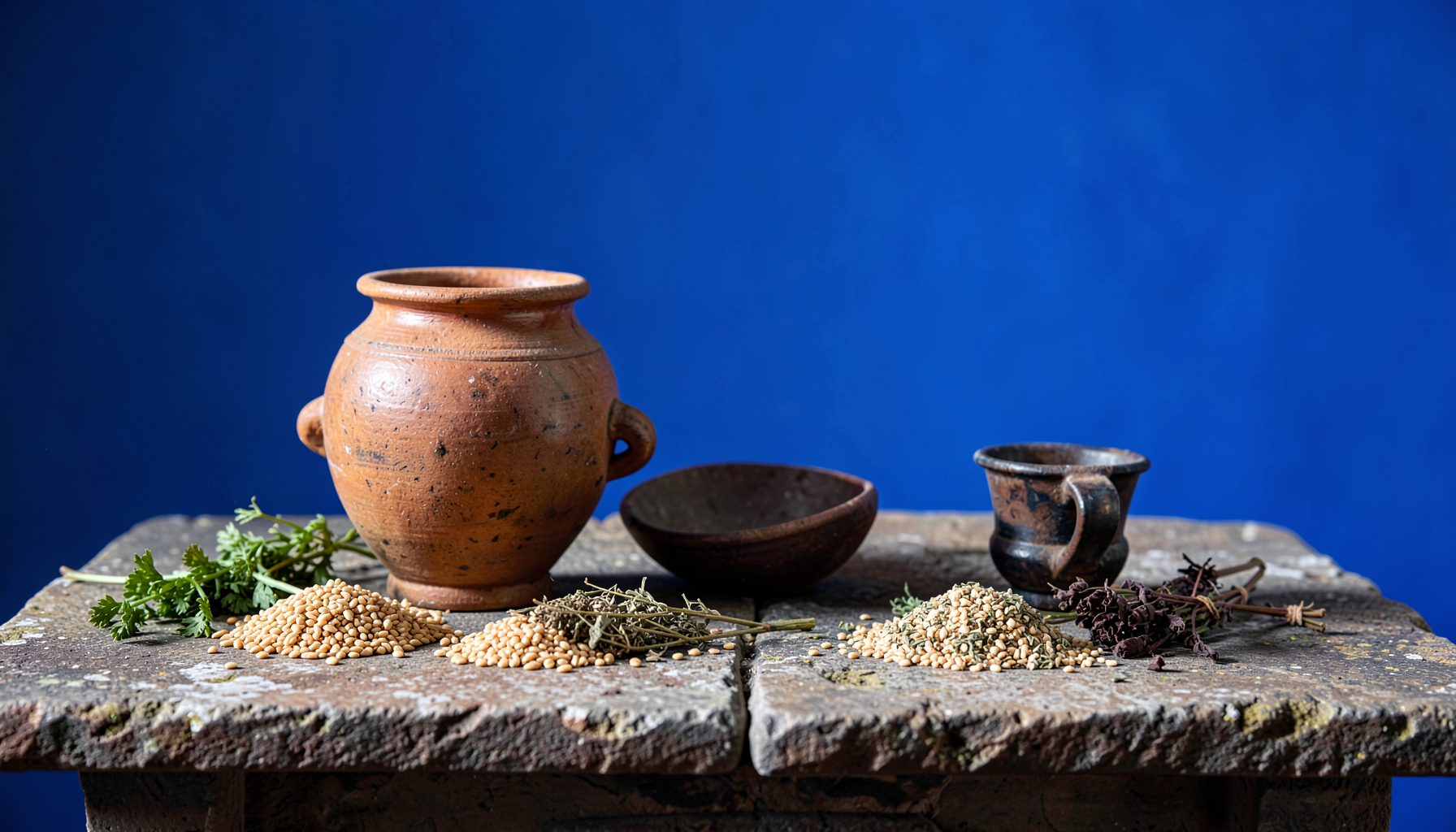
Conversation topics can be prepared without forcing a scholarly lecture. Ask guests to consider how trade changed Greek cooking, why fish carried different social meanings, or how dining customs express status. A few objects—an olive press replica, a pottery cup, a dried herb bundle, or a map of the Aegean—can give the discussion a tangible focus.
Make The Reconstruction Welcoming
Historical accuracy should never require guests to imitate ancient inequalities. The classical symposium was generally an elite male institution, and enslaved people, women, laborers, and foreigners occupied different positions within its social world. A modern gathering can acknowledge this context while creating an inclusive event in which every guest can sit comfortably, choose what to eat, and participate in discussion.
Dietary adaptation is also compatible with good reconstruction. Ancient Greek cuisine already included diverse plant foods, legumes, grains, fruits, and herbs. A vegan menu can draw on that foundation, while gluten-free guests can be offered lentils, fruit, vegetables, and suitable breads. Replace honey where necessary, remove nuts from selected dishes, and label ingredients clearly.
The setting becomes more convincing when the menu tells a story. Pair coastal fish with a discussion of Aegean trade, serve barley bread while explaining grain processing, or place imported spices beside a map showing their routes. The dinner then becomes a small act of historical research: sensory, social, and grounded in material evidence.
A carefully prepared symposium evening can turn ancient foodways into a shared experience without pretending that the past is fully recoverable. Select reliable evidence, explain your interpretations, and let the food support the conversation. For research notes, event details, or opportunities to discuss a reconstruction directly, use the contact page and continue developing the menu as a living encounter with Greek culinary history.