A Babylonian Lamb Stew with Beets and Aromatics from the Yale Tablet
Tucked in the Yale Babylonian Collection sits a small clay tablet that reads less like a museum object than a whispered kitchen instruction. The wedge-shaped impressions describe someone measuring aromatics, choosing a cut of meat, and timing a simmer with the same quiet attention a modern cook gives to a Sunday pot. The tablet records a stew of lamb, beet-root, leek, garlic, and dried spices, and it is detailed enough to lift straight from clay into a saucepan.
Most cuneiform recipe tablets come from the late second and early first millennium BCE and survive because scribes copied them into school exercises and palace archives. The Yale tablet belongs to that tradition: a working document rather than a literary piece, which makes it valuable for experimental reconstruction. Read carefully, the dish that emerges is not exotic. It is a slow, deeply savoury stew, the kind of food that would not look out of place in a Melbourne winter kitchen or a Perth family table.
The aim here is a faithful recreation — not a stylised re-interpretation — of that ancient stew, using ingredients available today in Australian shops and markets. Lamb is the easiest piece of the puzzle, given that Australia is one of the world's largest producers and exporters of sheep meat, but beets, leeks, and the right balance of dried spices require more care. What follows is the recipe, the reasoning behind each choice, and a few notes drawn from the broader research gathered in the project's bibliography.
The Yale Tablet and Its Culinary Voice
The tablet is a modest administrative-looking piece, but its contents sit within a wider corpus of Mesopotamian food texts that scholars have only recently begun to translate with a cook's eye rather than a philologist's. Lines describe trimming fat, slicing root vegetables, and ordering aromatics; nothing is rushed.
Read alongside later Greek diners, including the compilations in Athenaeus's Deipnosophistae, a picture forms of a shared Near Eastern and Mediterranean palate that prized slow-cooked meats, sweet roots, and a confident hand with alliums. A reader interested in that cross-cultural thread can find a useful overview in this Athenaeus guide, which traces how dishes similar in spirit to the Yale stew migrated across centuries. The tablet's specificity — ratios of meat to root, careful salt, and a note that the beet should be added late — is what makes the reconstruction honest rather than guessed.
Beets in the Ancient Kitchen
Beets are sometimes presented as a Roman import into European cooking, but the Yale tablet pushes their appearance in serious cookery further east and earlier. The beet referenced is likely a chard-like ancestor of the modern red beet, possibly the same plant Mesopotamian cooks grew for its leaves and pulled young for the root. Its sweetness, earthy minerality, and ability to absorb meat broth made it an obvious stew ingredient.
In Australian kitchens today, beets are easy to find year-round. They appear as golden, red, and striped chioggia varieties at greengrocers in Adelaide's Central Market, in Sydney's Carriageworks farmers market on Saturdays, and in any large supermarket. Smaller roots, around the size of a tennis ball, hold their shape best and contribute a clean, sweet note without dissolving. The tablet's instruction to add the beet late is worth honouring: a beet thrown in at the start colours every other ingredient a muddy pink and flattens the broth, while one added in the last forty minutes keeps the stew distinct, jewel-red against the brown of the meat and the green of the aromatics.
The Aromatics and Their Modern Equivalents
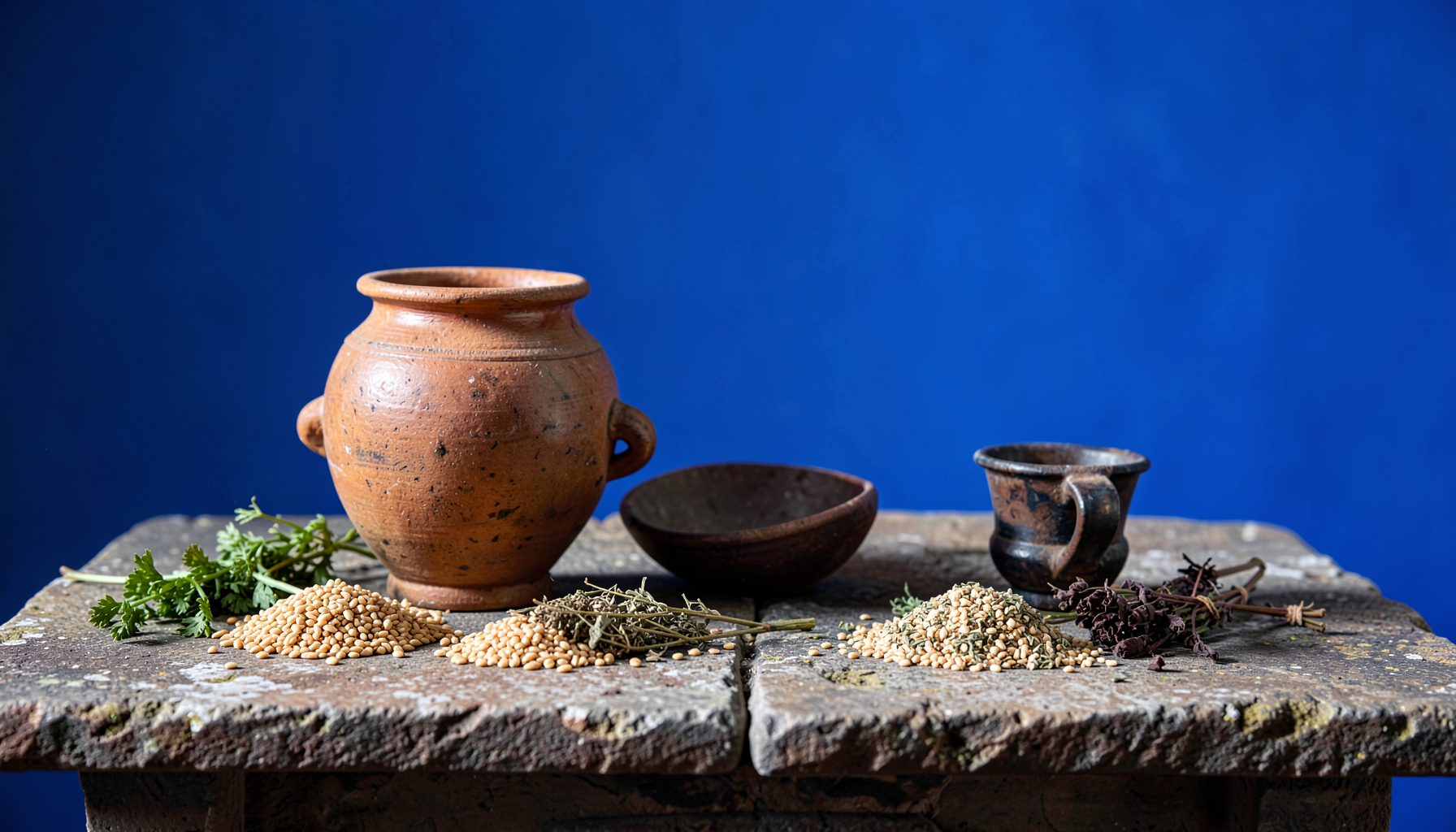
The tablet's aromatic list reads like a short walk through a Bronze Age pantry: coriander seed, cumin, leek, garlic, dried mint, and a sour element that scholars believe to be sumac or an early vinegar. Each has a clean modern substitute that an Australian cook can source without difficulty.
Coriander seed is in any supermarket spice aisle, and Australian-grown coriander is widely available from late spring through autumn. Cumin appears in countless pantries, often bought in small jars sold alongside curry powders. Leeks, garlic, and dried mint are unremarkable. The trickier choice is the sour note: sumac is now common in Middle-Eastern grocers in suburbs like Lakemba, Auburn, and Brunswick, and dried ground sumac gives the closest match to the tablet's intent. Quantities matter; the Mesopotamians used aromatics with a confidence modern cooks sometimes lack, so it is worth erring generous: a teaspoon each of coriander and cumin, four chopped garlic cloves, a single leek sliced thick, and a tablespoon of dried mint will give a balanced, recognisably ancient profile without overwhelming the lamb or beet.
Sourcing Lamb in Australia
Australia produces around half of the world's exported lamb, and the cuts best suited to a slow Mesopotamian-style stew are easy to find and inexpensive. Diced lamb shoulder, sold for casseroles, is the most forgiving cut: it carries enough fat to stay tender through a long simmer and rewards the cook with a silky texture once it has rested in the broth.
In Brisbane, Melbourne, Hobart, and Perth, butchers will cut shoulder specifically for slow cooking on request. Supermarket pre-diced lamb is convenient but tends to be leaner; an extra tablespoon of rendered fat compensates. Australian lamb has a milder flavour than the strongly grass-fed meat of some other regions, which suits the delicate sweetness of the beet and allows the aromatics to lead. Many home cooks now look for lamb with a provenance label — Tasmanian, Kangaroo Island, or Western Australian — and farms that publish animal-welfare standards, a habit the Babylonian cook would have shared.
Reconstructing the Method
The reconstruction runs as follows. Roughly one kilogram of diced lamb shoulder is browned in a heavy pot with a little oil, then removed so the aromatics — leek, garlic, coriander, cumin — can soften in the residual fat. The meat returns with enough water or light stock to cover, and the pot simmers gently, uncovered at first so the broth reduces.
After about ninety minutes, when the lamb is nearly tender, the beets go in, cut into wedges, along with the dried mint and the sour element. The pot simmers a further forty minutes, by which time the broth is thickened, the lamb pulls apart with a spoon, and the beets are soft but still hold their shape. Salt, a small grind of black pepper — not on the original tablet, but a fair modern addition — and the dish is ready. A heavy cast-iron pot or thick-based steel saucepan works best; the pot should be wide rather than tall, so the broth reduces quickly and the flavours concentrate.
The Stew at the Modern Table
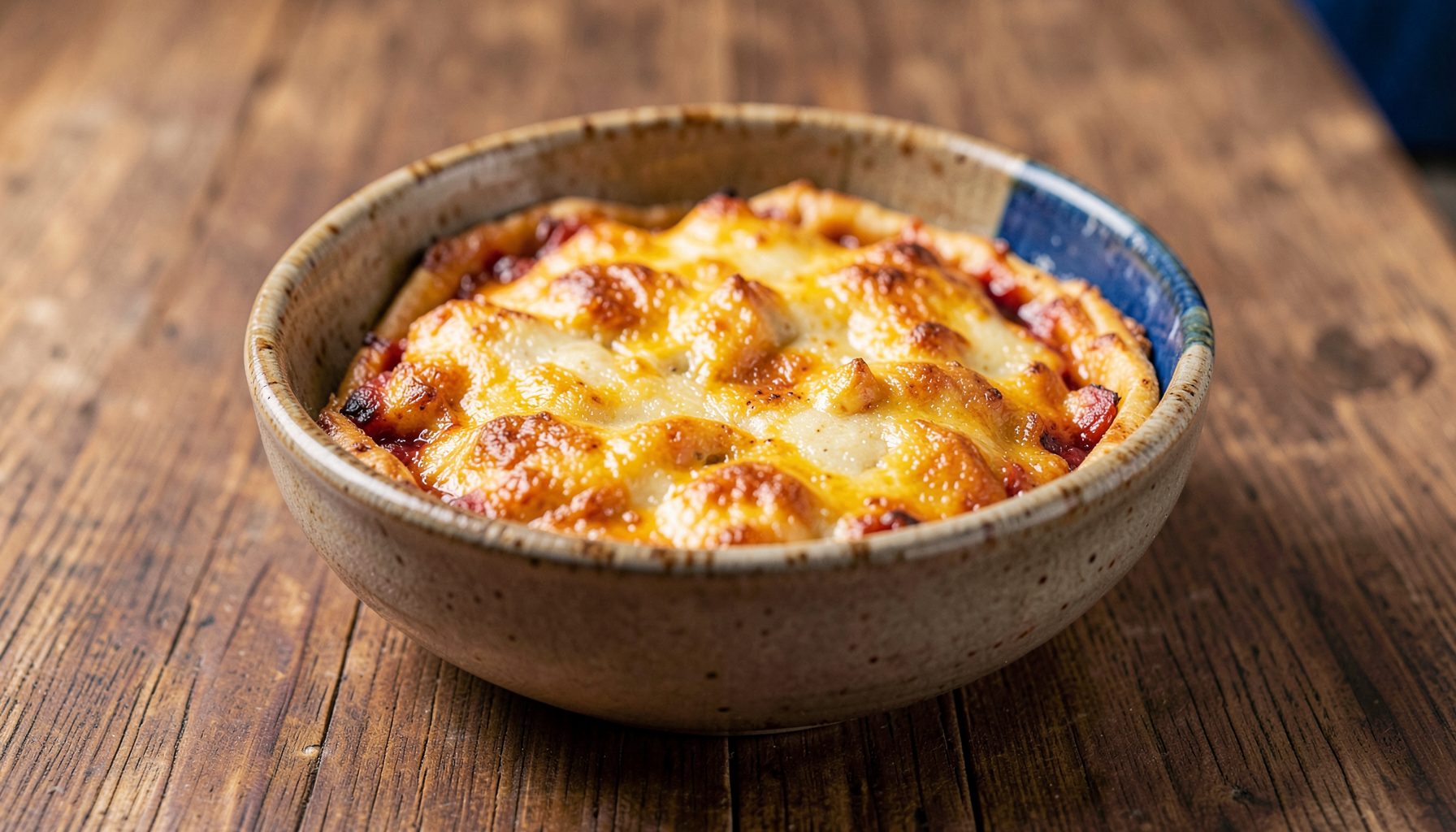
The result is unmistakably ancient in spirit: meaty, sweet, sour, and aromatic in equal measure. It looks unlike many modern stews — a deep, almost wine-red broth, glossy with rendered lamb and beet juices — but the flavours are familiar enough that a contemporary Australian palate will find plenty to enjoy. Serve it with flatbread, cooked barley, or simply on its own in a wide bowl.
A crisp Australian white — a young riesling or a pinot gris — pairs comfortably with the sourness of the sumac and the richness of the lamb. For a non-alcoholic match, chilled pomegranate juice echoes the colour and tartness of the beet. Either way, the stew is best eaten slowly, ideally on a cold evening when the broth can be mopped up properly.
Notes on Sources, Method, and Safety
The recipe assumes modern food-safety standards that the original cook would not have had: refrigerate the meat until ready to use, cook it to a safe internal temperature, and refrigerate leftovers promptly. Australian food-safety guidance published by state health authorities covers slow-cooked dishes thoroughly and is worth a quick read before beginning.
The archaeological evidence is partial. Where the tablet is silent on a detail — the type of salt, the duration of cooking, the vessel used — the reconstruction makes an educated choice and notes where a substitute is involved. Readers who want to dig further can consult the project's legal notice and source notes, which lay out the conditions under which the reconstructions are shared. Beets stain; wooden spoons, plastic colanders, and light tea towels will pick up a permanent red mark. Stainless steel is safer, and a quick rinse of hands and surfaces saves later scrubbing.
Bring a clay tablet to your stovetop, slow the afternoon down, and let a four-thousand-year-old recipe speak for itself. If the stew comes out as it did on the trial run — meat falling apart, broth glossy, beet holding its colour — you will have made something genuinely old and genuinely new at the same time, and you will have done it with ingredients bought at an Australian shop and cooked in an Australian kitchen.