Recreating Roman puls with pork and fennel
Puls was one of the most enduring staples of Roman cookery: a thick porridge made from grains, water or stock, and whatever flavourings a household could afford. It belonged to the everyday table rather than the banquet, yet its simplicity makes it an excellent way to investigate ancient food. A pot of grain can reveal trade, farming, social status, preservation, and the practical rhythm of a Roman kitchen.
This reconstruction uses pork and fennel to create a savoury version suitable for a modern Australian kitchen. It is inspired by Roman ingredients and techniques without pretending that one definitive recipe survives. The result sits somewhere between porridge, stew, and grain-based polenta: hearty, aromatic, and particularly welcome on a cool evening in Melbourne, Hobart, or the Blue Mountains.
What puls meant in Roman cooking
The Latin word puls generally referred to a cooked cereal preparation, often made with emmer, millet, barley, or other grains. It was associated with early Roman foodways and retained its place as a humble food even after wheat bread, imported spices, and elaborate sauces became more prominent. A Roman cook might alter the consistency according to available grain, the occasion, and the people being fed.
The dish should not be imagined as a uniform national recipe. A rural family could prepare a coarse porridge with water, salt, and vegetables, while a wealthier household might enrich it with cheese, herbs, meat, or costly seasonings. Pork was especially significant in Roman food culture, appearing in sausages, cured products, sacrificial contexts, and domestic meals.
Fennel gives this reconstruction a plausible Mediterranean character. Its sweet, anise-like scent works with pork, while the stalks and fronds make use of parts that a modern cook might discard. Fresh fennel bulbs are readily available at Australian greengrocers and farmers’ markets, including stalls at the Adelaide Central Market and Sydney’s weekend produce markets.
Grain, pork, and ancient flavour
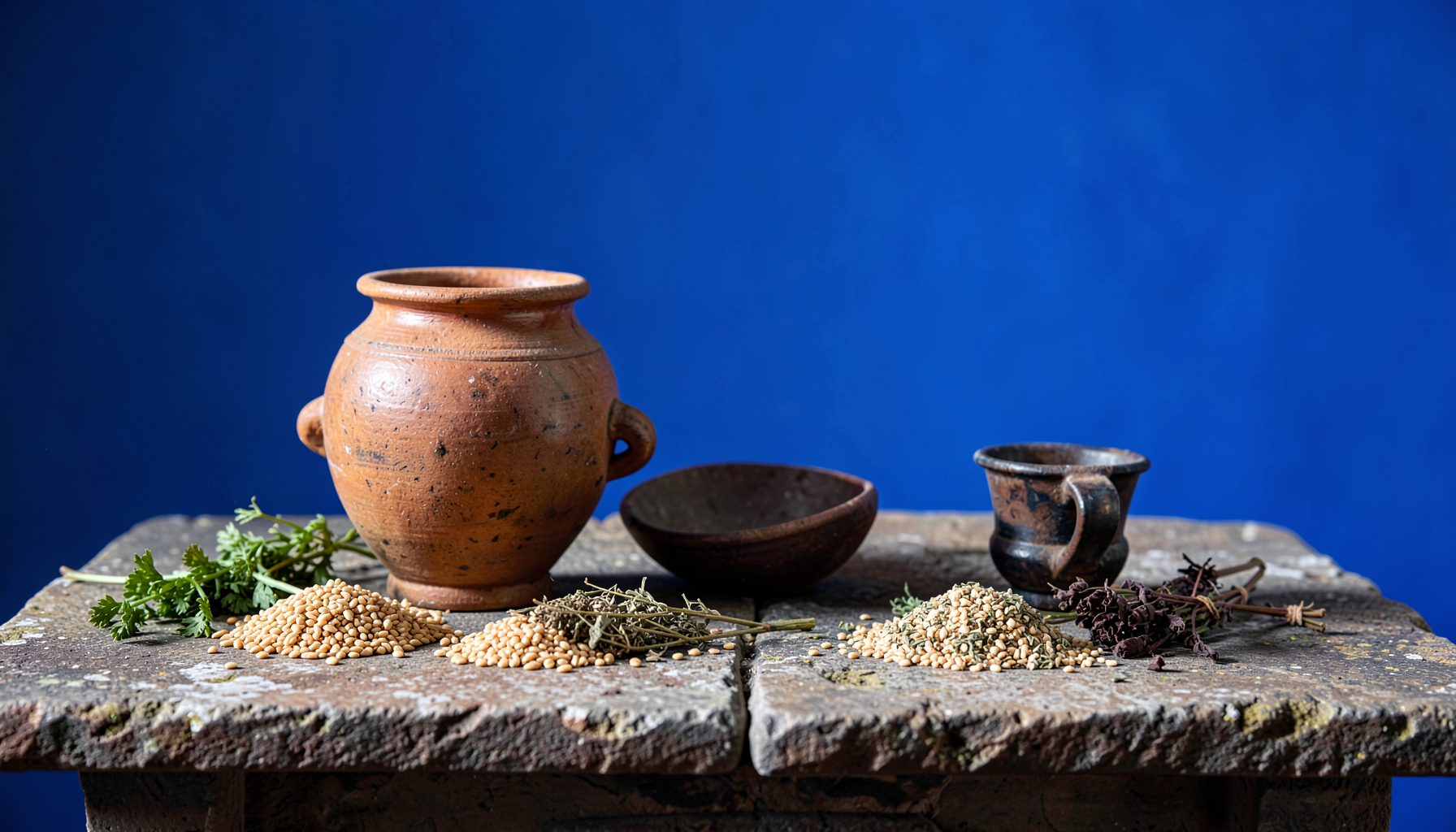
For the grain base, use hulled barley, emmer, or coarse cracked wheat if you can find them. Pearl barley is easier to source in Australian supermarkets, though it cooks more quickly and has a softer, more polished texture than ancient hulled grain. If using emmer, sold in some specialist shops as farro, check whether it is pearled before deciding on the cooking time.
Pork shoulder is a good modern choice because it contains enough fat and connective tissue to flavour the pot. A small amount of pork belly produces a richer result, while diced loin is leaner but can become dry. In a Roman context, pork may have been salted, smoked, or preserved before cooking, so a modest amount of pancetta can stand in for that salty depth, even though it is not an exact ancient ingredient.
Fennel seed was familiar in the ancient Mediterranean, and fresh fennel was also eaten as a vegetable and aromatic plant. Add the seeds early so their perfume infuses the cooking liquid. Fresh fronds should go in at the end. Black pepper is historically plausible for an affluent Roman table, while long pepper would create a warmer, more unusual note if available from a specialist spice retailer.
Building a historically minded flavour
Begin by browning roughly 500 grams of diced pork shoulder in a heavy pot. Ancient cooks certainly understood the value of rendered fat, even if their equipment and fuel differed from ours. When the meat has taken on colour, remove it temporarily and soften one finely sliced onion in the fat. Add one chopped fennel bulb, reserving the fronds, and cook until it begins to collapse.
Stir in two teaspoons of fennel seed, a pinch of salt, and a small amount of freshly ground black pepper. A bay leaf is a reasonable historical addition, though it should remain restrained. Add 200 grams of rinsed barley or emmer, return the pork to the pot, and pour in about 1.2 litres of water or unsalted pork stock.
For a subtle sweet-sour lift, use a spoonful of wine reduction or grape must if available. Sweet wine was a familiar Roman ingredient, and the reconstruction of Roman passum wine offers useful background on the concentrated raisin wine known in the ancient Mediterranean. A teaspoon of honey can perform a similar modern kitchen function, although it should not make the porridge taste like dessert.
Cooking the grain slowly
Bring the mixture to a gentle simmer, then reduce the heat and cook uncovered or partly covered. Barley may take 35 to 50 minutes, while hulled emmer can need longer. Stir often near the end because the released starch can catch on the bottom of the pot. Add extra water whenever the grain becomes thick before it is tender.
The desired texture is loose enough to be spooned but substantial enough to hold a mound. It should not resemble a dry risotto, and it should not be a thin soup. Roman puls could vary considerably, so texture is an area where the cook has room to interpret the evidence. A clay cooking pot would have encouraged slow, even cooking; a heavy enamelled casserole or Dutch oven is a practical substitute today.
When the grains are tender and the pork yields easily to a fork, taste the seasoning. Add the chopped fennel fronds and let them wilt for two minutes. A small splash of red wine vinegar can sharpen the dish, while a drizzle of good olive oil at the table rounds out the grain. Avoid adding modern stock cubes if possible, as their strong flavour can overwhelm the pork and fennel.
Ingredients and practical substitutions
The following quantities make four generous servings. They are a working reconstruction rather than a claim about a fixed ancient formula.
- 500 g pork shoulder, cut into bite-sized pieces
- 200 g barley or hulled emmer
- 1 fennel bulb, 1 onion, and 2 tsp fennel seed
- 1.2 litres water or mild unsalted stock
For a stronger historical atmosphere, serve the puls with a small dish of olives, seasonal greens, or coarse bread. The bread need not be treated as a garnish: it can accompany the porridge as a separate staple. Research into Roman bread moulds helps explain how shaped loaves and grain foods occupied different roles within Roman meals.
- Optional: pancetta, honey, grape must, bay leaf, or red wine vinegar
- Fresh fennel fronds for finishing
- Black pepper or a pinch of long pepper
- Olive oil and salt to adjust the finished dish
Australian cooks can adapt the recipe around the local market. At Queen Victoria Market in Melbourne, a butcher may be able to provide pork shoulder with skin or bones for a richer stock. In Brisbane or Perth, fennel can be especially seasonal, so celery leaves and a little extra fennel seed can provide some of its aromatic character when fresh bulbs are unavailable.
Serving the reconstructed dish
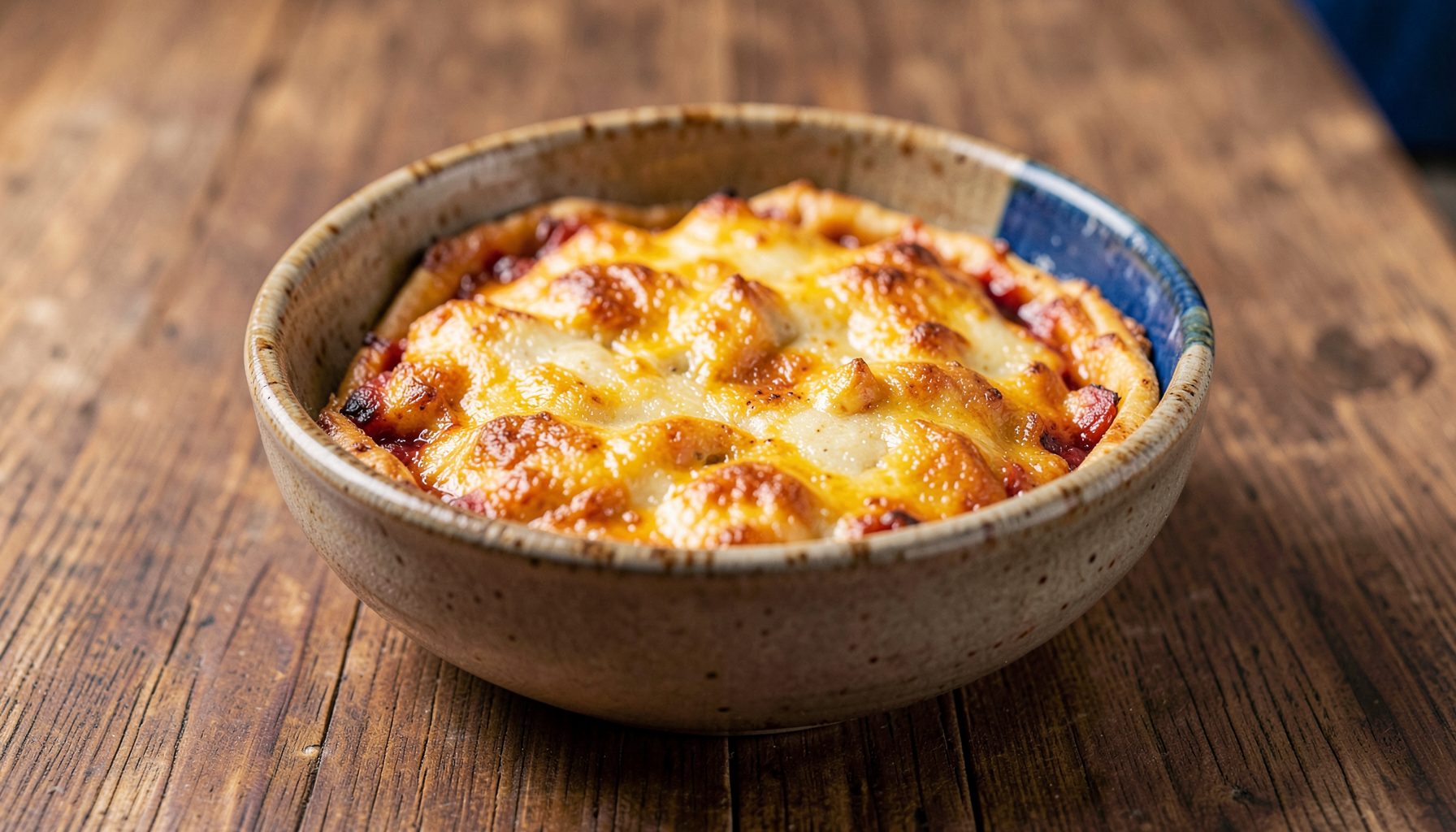
Puls is best served hot in broad bowls, with the meat distributed through the grain rather than piled on top. Its appeal comes from the way the pork fat coats the barley and carries the fragrance of fennel. Let it rest for five minutes before serving; the grains will absorb more liquid and the flavours will settle.
This is a dish for a shared table, much like a family casserole or a winter supper after a Saturday visit to the farmers’ market. It also works well as a make-ahead meal. Reheat it slowly with water, since the barley continues to swell and can turn stiff in the refrigerator.
A sprinkle of fennel fronds is enough decoration. Avoid adding ingredients simply because they are familiar in modern Italian cooking. Tomatoes, potatoes, chilli, and maize are all anachronistic in a Roman reconstruction, while garlic, onions, herbs, wine, vinegar, honey, and olive oil have a much firmer historical basis.
Food, work, and social identity
The humble character of puls should not be confused with insignificance. Grain porridge sustained labourers, soldiers, and households, while the quality of the grain, meat, seasoning, and cooking time could signal social difference. A pork-enriched pot represented greater access to animal protein than a plain cereal dish, especially when meat was scarce or reserved for festivals.
Preparation also depended on specialised workers. Butchers and bakers were visible tradespeople in Roman cities, and their position reveals how food production extended beyond the household. The study of butchers and bakers adds social context to a recipe that might otherwise seem purely domestic.
Try documenting the reconstruction as you cook it: note the grain used, the amount of liquid absorbed, the texture after resting, and how the fennel changes during simmering. That record turns a one-off meal into a small experiment in ancient food history. Serve it in sturdy bowls, share the pot, and let the evidence remain visible in the choices you make.