Snacks of the Roman amphitheatre: nuts, fruits, and spiced wine
The roar of a Roman crowd was matched by the crack of nutshell and the slurp of warmed wine poured from clay jugs. While gladiators fought below, spectators munched through provisions that archaeologists have pieced together from oven sites, bone fragments, amphora residue, and even the contents of unblocked drains beneath the seats. The picture that emerges is not so different from grabbing a snack at the footy today, where you might stroll past a vendor selling salted nuts, dried mango, or a mulled wine at a winter festival in Hobart.
Australians who love a good historical deep-dive often find themselves chasing these flavours at Greek and Roman-inspired events. A Roman-themed dinner hosted by the Hellenic Museum in Melbourne can offer a taste of dishes drawn from ancient recipes, and the same spices, nuts, and wines that flavoured amphitheatre stands two thousand years ago now turn up in modern cellars from the Barossa to the Hunter Valley, giving us a bridge from the bleachers of the Colosseum to our own backyards.
Snacking in the stands of the Colosseum
The upper tiers of the Flavian Amphitheatre were packed with ordinary Romans: craftsmen, sailors, freedmen, and families who queued for free grain handouts. They brought food with them, but many also bought from vendors who circulated through the aisles hawking everything from sweet roasted chestnuts to cold lupin beans. The poet Martial describes men running up and down the crowded rows offering drinks, snacks, and small change, while other sources mention sellers shouting pastio for pastry, and caseus for cheese.
What people ate inside the amphitheatre was shaped by what could be carried easily, eaten without cutlery, and survived an afternoon in the sun. That meant lots of dried fruit, roasted nuts, hard cheese cubes, and bread rolls, often washed down with wine diluted with water or honey. Greek and Roman cooks shared techniques for preparing small game and birds, and you can read a thorough breakdown of that side of ancient foodways in how the Greeks cooked songbirds and small game.
Roasted chestnuts and other nutty treats
Sweet chestnuts were the undisputed king of Roman arena snacks. Carbonised shells recovered at Pompeii and around amphitheatres in southern Gaul show that vendors roasted them in portable braziers and sold them in paper cones or tied bundles. Walnuts, almonds, and hazelnuts appear in equal measure, sometimes toasted with a little salt, sometimes glazed with honey and pepper. Pliny the Elder lists more than a dozen nut varieties his contemporaries enjoyed, and most of them eventually found their way to arena vendors.
In modern Australian kitchens, the closest reference point is the chestnut roasters who set up at Italian street festivals in Lygon Street, where paper cones of hot nuts are a winter staple. The Roman appetite for sugar-and-spice-coated nuts also prefigures the honeyed peanuts sold at show bags across Australian capital cities, a tradition that owes more to migrant confectioners than to antiquity, but speaks to a shared love of crunchy, sweet snacks enjoyed in crowds.
Fresh and dried fruits from Roman vendors
Grapes, figs, apples, and pears were the everyday fruits of Roman trade, and many reached spectators in dried form: passum (a sweet wine grape reduced to a raisiny paste), dried figs stuffed with walnuts, candied quince, and apple slices preserved in honey. Excavations at sites like the Arena di Verona and the amphitheatre at Capua have turned up grape pips, fig remains, and the tiny seeds of berries and pomegranates in layers of debris that include nutshells, animal bones, and broken pottery, a vivid archive of what crowds munched through.
Reading about this amphora museum helps explain how these fruits travelled. Roman ships carried amphorae of wine, olive oil, and preserved fruit across the Mediterranean, and the rough roads feeding ports kept suppliers stocked year-round. An Australian equivalent might be the seasonal stone fruit that floods greengrocers in summer, or the dried fruit mixes that line the shelves of any suburban IGA. The economics are remarkably similar: cheap, calorie-dense, portable, and somewhat addictive.
Spiced wine of the spectators
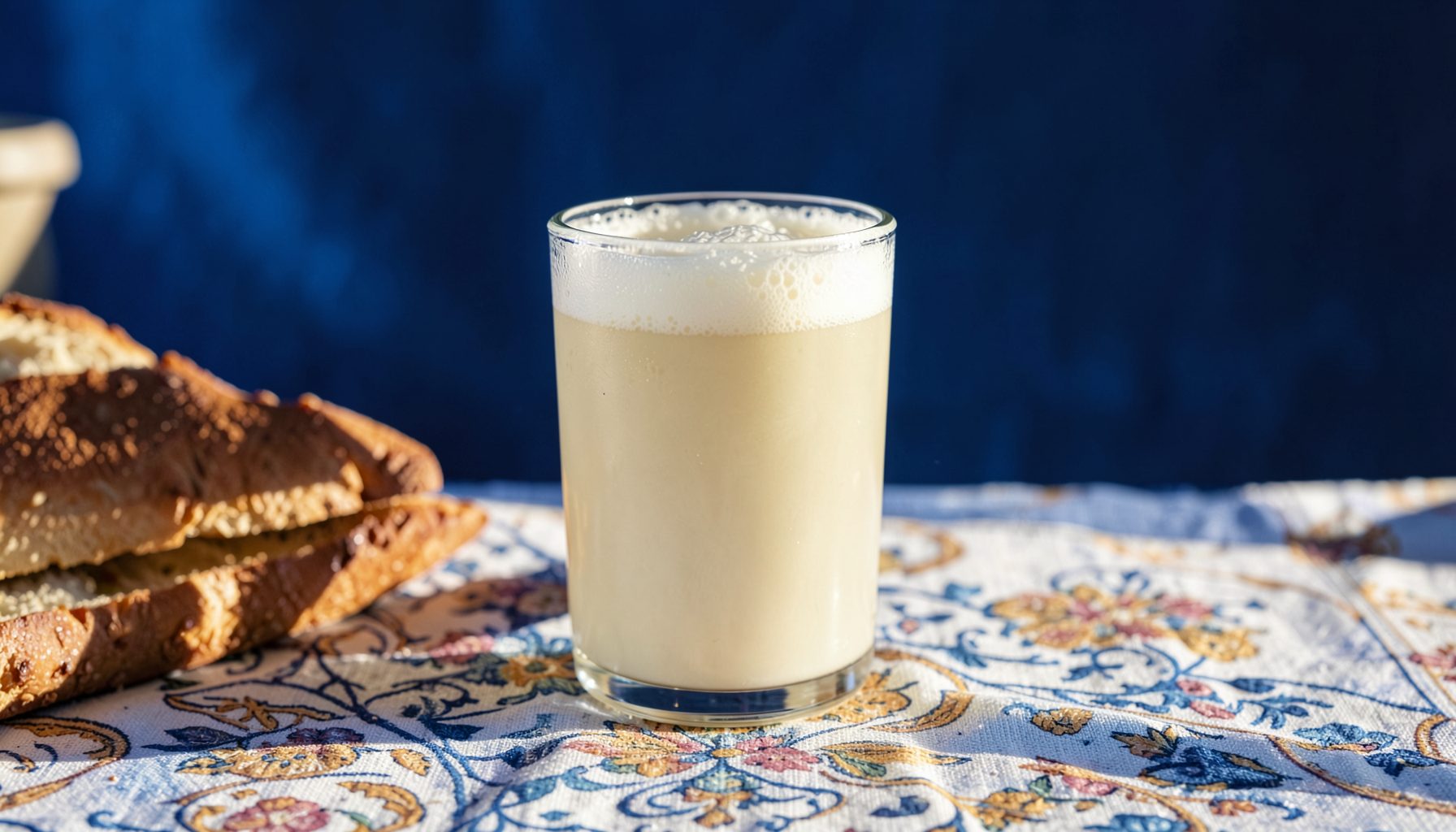
The most distinctive drink inside a Roman amphitheatre was mulsum, a honeyed wine seasoned with pepper, mastic, and sometimes sea water or roasted nuts. It was poured warm in winter and chilled in summer, and shows up in dozens of Latin references to spectacula. A morning of cheap wine and nut snacks was considered essential to surviving a full day of games, and the staggering amounts of amphora shards found near amphitheatre drains reflect a steady trade in resinated wine, spiced drinks, and even posca-like sour wine for the poorer seats.
The Australian parallel is the mulled wine at a winter festival, such as the stalls that appear during Hobart's Dark MOFO or the spiced sangria served at Sydney's Christmas markets. Australian winemakers in the Barossa and the Hunter Valley have made a quiet specialty of Mediterranean varietals like Vermentino and Greco, which give modern home cooks a chance to experiment with Roman recipes that call for sharp, resinous white wine. Mixed with local honey and a grind of black pepper, a Hunter Valley Semillon becomes a respectable stand-in for mulsum.
The trade network behind arena snacks
What made amphitheatre snacks possible was an empire-wide supply chain that moved nuts from Iberia, wine from Campania and Gaul, dried fruit from North Africa, and spices from as far away as India and Sri Lanka. Amphora shards, papyrus shipping records, and the chemical traces left in vessel walls let scholars reconstruct this traffic in startling detail. A single amphitheatre afternoon could draw on produce from three continents, and the street-level vendors who sold these goods were often immigrants or freedmen who knew the markets well.
Australian food history tells a parallel story. The nut and dried fruit trade here leans heavily on Mediterranean and Middle Eastern suppliers, with Turkish dried apricots, Iranian pistachios, and Spanish almonds flowing through importers in Sydney before reaching suburban shops. If you wanted to host a Roman amphitheatre snack night for a group of mates down at a mate's place in Fremantle, sourcing the goods is the easy part; the assembly is where the fun begins.
Recipes and hosting ideas for your arena spread
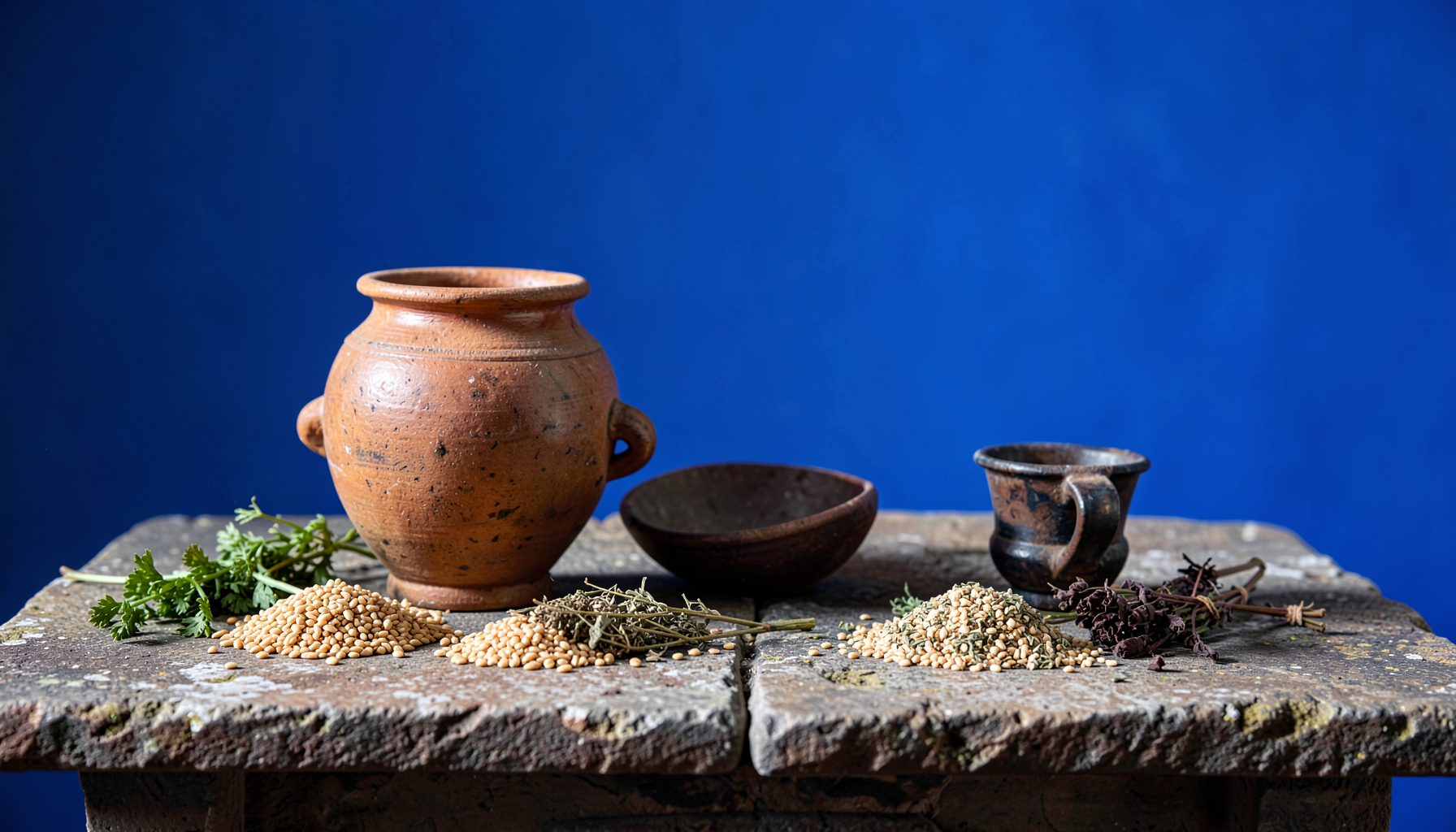
A modest setting captures the spirit more faithfully than elaborate menus. Imagine wooden boards, clay-style cups, and a few draped lengths of linen to suggest a triclinium, easy to recreate on a back patio in Sydney or a sunny courtyard in Perth. The atmosphere is what makes the meal, much like an Italian-style long lunch at a community club where everyone pitches in with a dish. To take the spread further, you can borrow ideas from the Last Supper reconstruction work, which has its own take on ancient meal structure. Cross-cultural explorations of historical cuisine make for good late-night reading, and one such piece offers a refreshing contrast. If questions come up about ingredients or archaeological cookware, you can always reach out via the contacts page.
- Roast a batch of fresh chestnuts in a heavy pan with a splash of olive oil and a pinch of salt, then serve warm in paper cones.
- Glaze walnuts with honey, then dust them with cracked black pepper and a touch of cumin for a Roman-style finish.
- Make a mulsum by warming a dry Australian Vermentino with local honey, a grind of pepper, and a small splash of salted water.
- Stuff dried figs with blanched almonds and a sliver of candied ginger, then arrange them on a wooden board.
- Quarter ripe figs and pears and serve them with sharp aged cheese, mimicking the cheese-and-fruit combinations stallholders offered.
- Press leftover grapes with a little honey for a quick passum-style syrup to drizzle over fresh fruit.
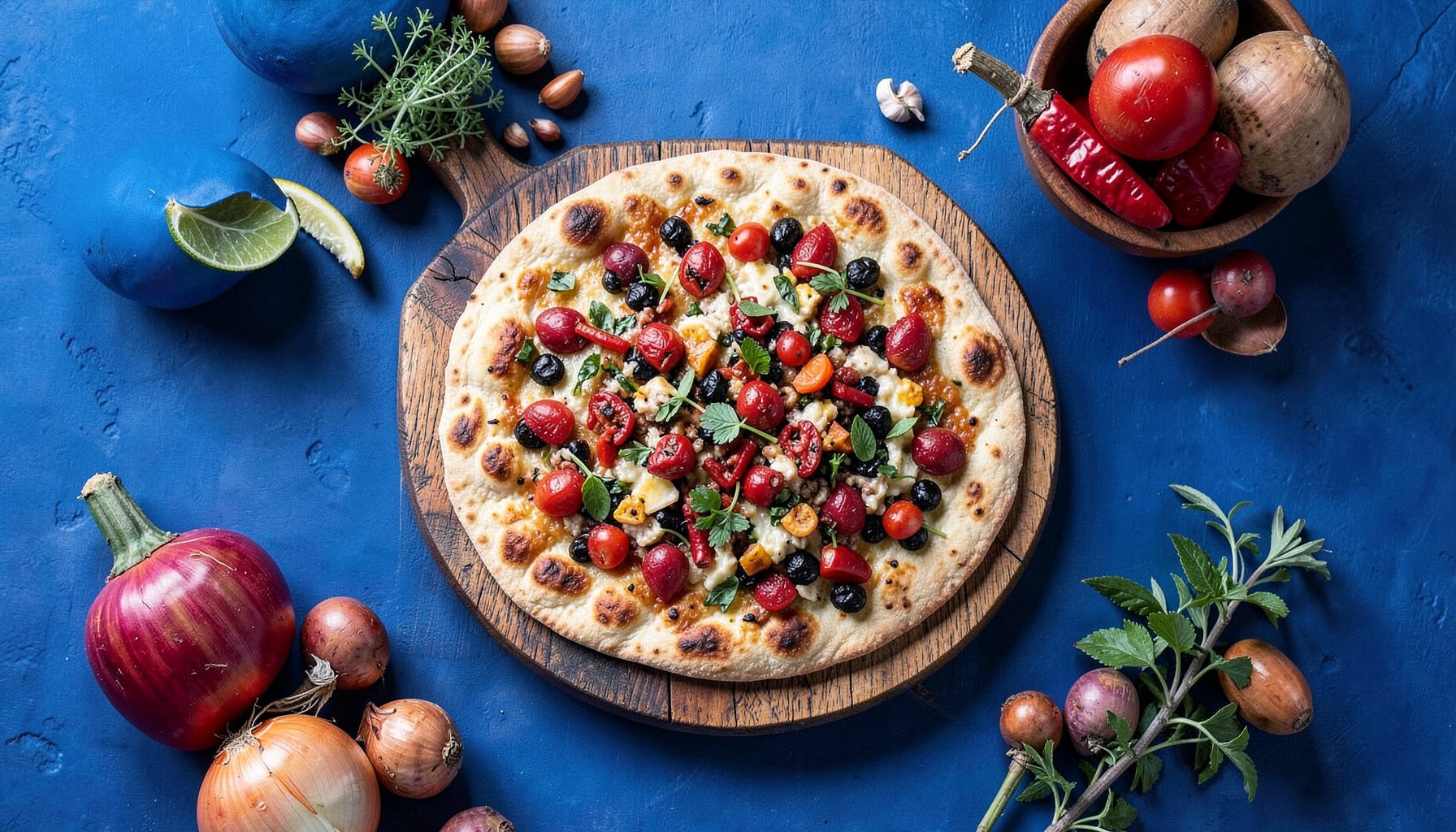
- Bake a thin flatbread topped with olive oil, rosemary, and crushed nuts, then cut it into easy hand-held squares.
To capture the casual rhythm of an afternoon at the games, arrange the boards family-style in the centre of the table so everyone helps themselves, set out small clay cups for the mulsum, and play a documentary about Pompeii on mute in the corner. Decorative touches like olive branches, a few drapes of linen, and a jug shaped like an amphora go a long way without costing much, and they make the spread feel both ancient and current at the same time.
Ready to host your own crowd of hungry mates? Pull up a stool at the snack table, raise a clay cup of warm mulsum, and toast the long-vanished vendors who kept the amphitheatre fed for centuries. The flavours have not changed as much as we like to think, and the simple joy of eating among friends is something every age has in common. So grab a jug, set out the walnuts, and let the games begin.