Roman Cooking with Tallow and Lard in the Northern Provinces
The Roman conquest of Gaul, Britain, and the Rhineland brought Mediterranean culinary ideas into collision with the cooler, wetter landscapes of the northern frontier. Among the most adaptable ingredients in this cultural exchange were rendered animal fats, particularly tallow and lard, which allowed cooks to bridge the gap between Italian technique and local livestock. Recent archaeological work and experimental reconstruction have begun to clarify how provincial households, military cooks, and tavern keepers actually used these substances in everyday meals.
For modern readers in Australia, where beef and pork production remain central to the agricultural economy, the topic carries a particular resonance. The same bones and fat trimmings that Australian butchers in Melbourne's Queen Victoria Market or Sydney's Paddy's Markets render down each week would have looked familiar to a Roman cook stationed at Vindolanda or working in the kitchens of Lugdunum. Tracing these connections offers a way to understand both ancient provincial society and the long history of fat-based cooking.
Sources and archaeological evidence
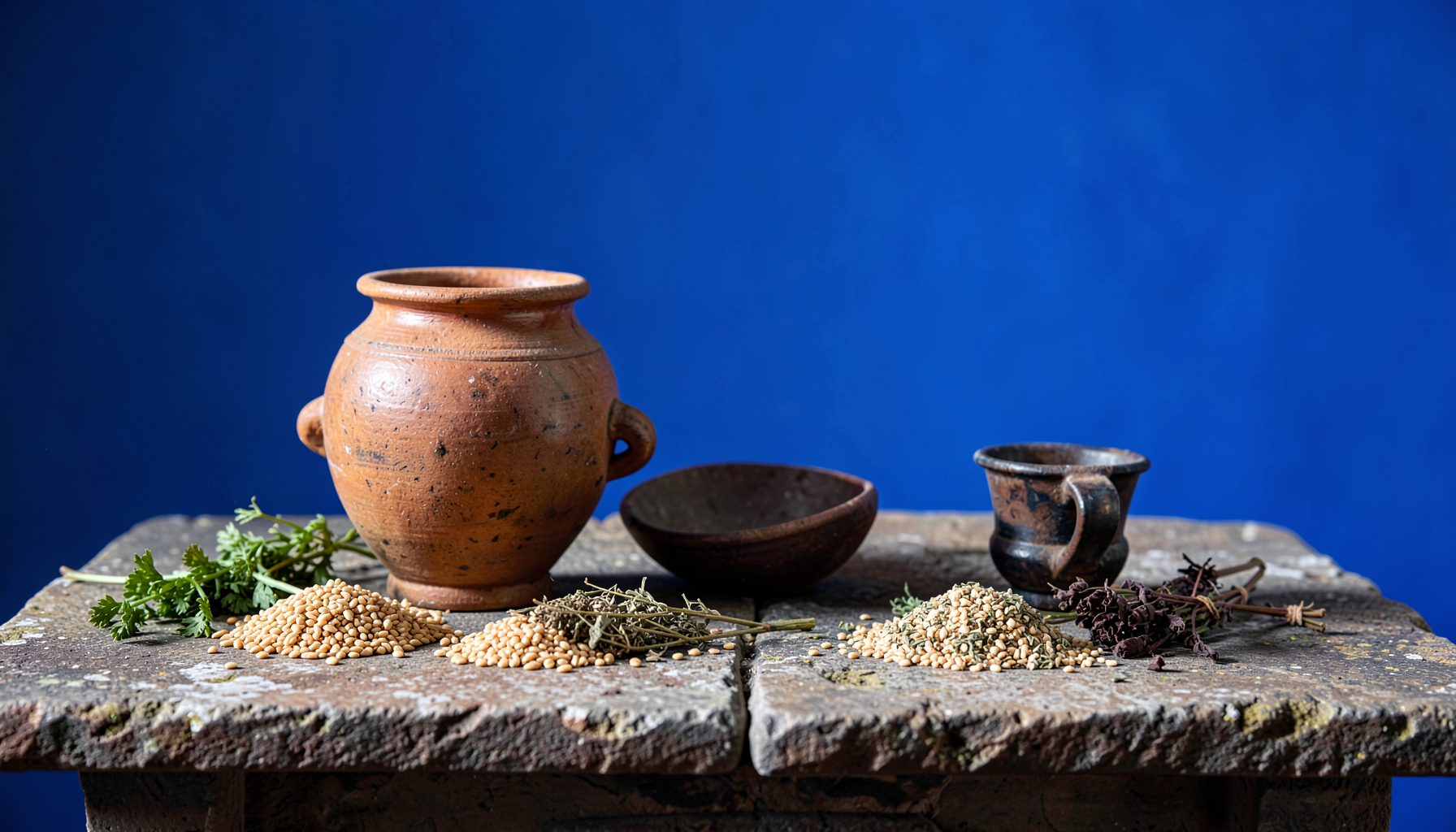
Our knowledge of tallow and lard in the northern provinces comes from a blend of literary testimony, epigraphic finds, and the stubborn survival of organic residues on cooking vessels. The letters and inventories from the Vindolanda tablets, preserved in the wet sands near Hadrian's Wall, list supplies of lardum alongside cerealia and posca, showing that rendered pork fat was a standardised military ration. Similar evidence emerges from Roman sites along the Rhine and in Gaul, where amphorae and ceramic jars sometimes retain lipid traces that modern chemical analysis can identify.
Beyond the written record, archaeologists have uncovered concentrations of fatty deposits in hearths and refuse pits, particularly at military vici and roadside settlements. These deposits often match the signatures of cattle and swine, with a notable presence of caprine fats in regions closer to the Alps. The combination points to a cooking culture that prized animal fats not merely as fuel but as a primary cooking medium, distinct from the olive-oil-dominated kitchens of the Mediterranean heartland. Painters, scribes, and graffiti artists occasionally depicted cooking scenes, and surviving fragments from provincial tombs reinforce the picture of a kitchen centred on rendered fat.
Understanding tallow and lard in the Roman pantry
Tallow, rendered from beef or mutton fat, and lard, rendered from pork, served overlapping but distinct purposes in the Roman kitchen. Tallow was favoured for its high smoke point and relative firmness at room temperature, making it ideal for frying, sealing terrines, and waterproofing containers. Lard, softer and milder in flavour, was preferred for pastry, baking, and the preparation of finer sauces. The distinction mattered because provincial climates in the north encouraged the use of fats that could be stored through long winters without going rancid.
Roman sources occasionally comment on these differences. Apicius distinguishes between several grades of lardum, while agricultural writers such as Columella note that tallow from older animals produced a more stable cooking medium. The Romans also recognised regional variations, with Gallic lard considered particularly fine and frequently exported. This trade network meant that animal fats moved across the empire alongside salted meats, cheese, and wine, circulating through the same ports and river routes that carried other commodities.
Cooking techniques and recipes
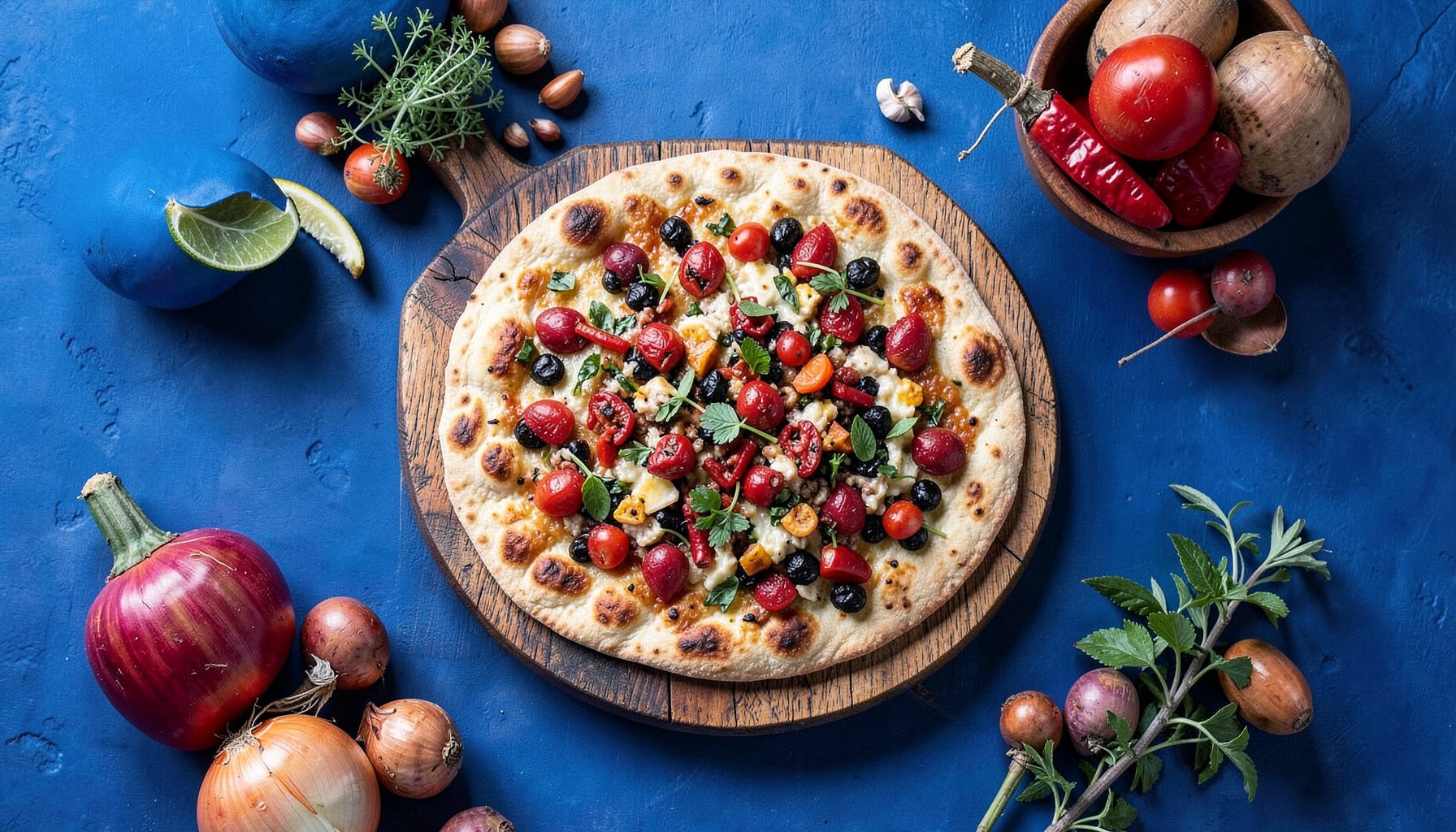
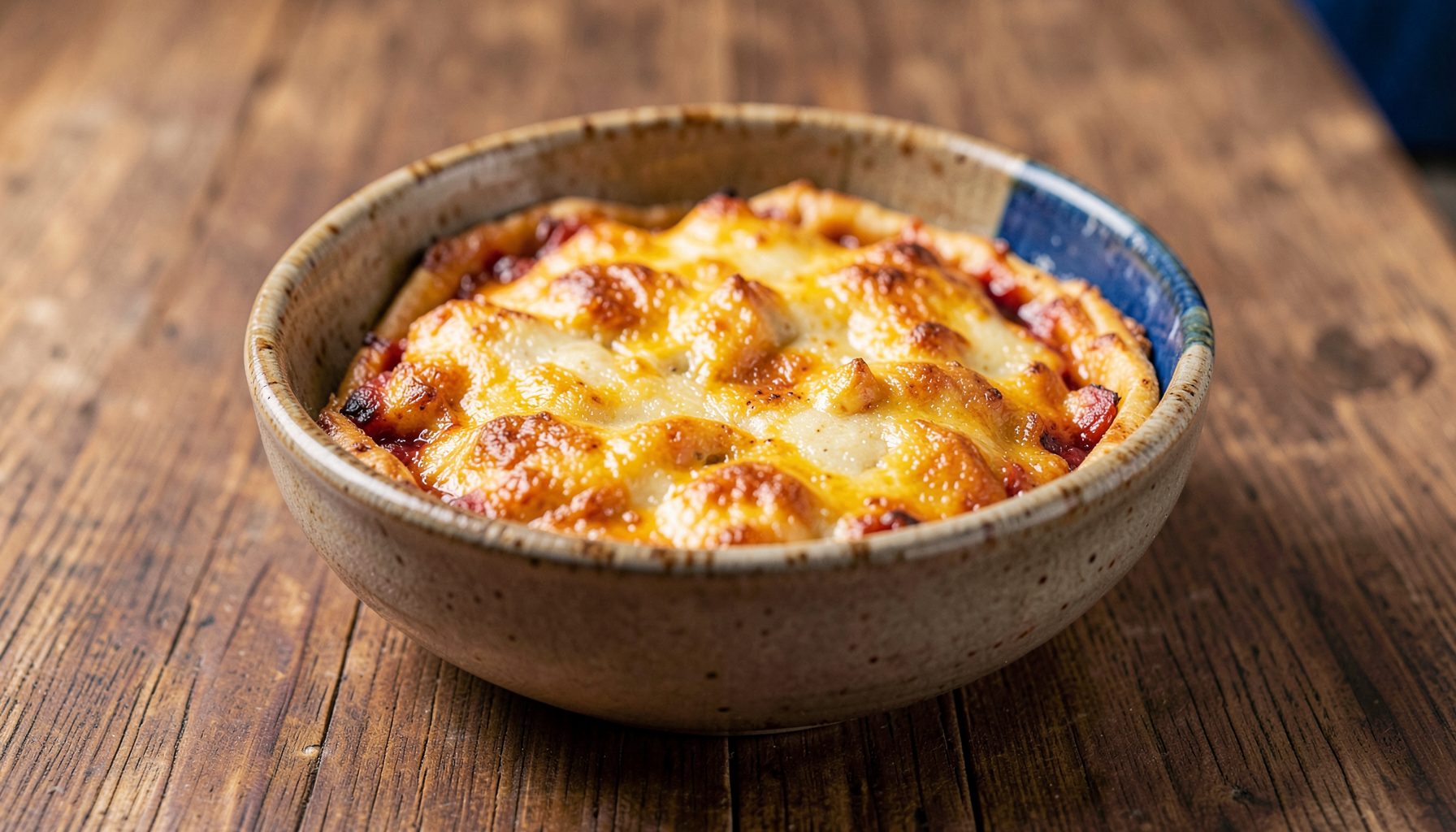
In practice, tallow and lard underpinned a wide range of provincial dishes. Frying in shallow pans was common, with meats, fish, and vegetables seared in rendered fat before being finished with wine, vinegar, or a fish-based sauce. Stews were enriched with lard at the end of cooking to add body and gloss, a technique that survives in many traditional European peasant cuisines. Pastries and dumplings, such as the tracta used to thicken sauces or encase sweetened fillings, relied on lard for their characteristic tenderness.
The Romans also used animal fats for preservation. Meat and fish were sometimes packed in rendered tallow to exclude air, a method that echoes later confit techniques. The resulting product could be stored for months and shipped to military units or urban markets. In the northern provinces, where fresh fish was less abundant than in the Mediterranean, such preserved preparations became dietary staples, particularly among soldiers and labourers. Bakers, too, employed lard to grease wooden moulds and to give flatbreads a richer crumb.
Regional identity in the northern provinces
The northern provinces developed their own culinary identity, shaped by climate, local breeds, and cross-cultural exchange with Celtic and Germanic neighbours. In Britain, pork products dominated, reflecting both the island's husbandry traditions and the preferences of its pre-Roman inhabitants. Gaul, by contrast, produced celebrated hams and lard from both domestic pigs and wild boar, which were traded as far south as Italy. The Rhineland and the Danube frontier saw heavy use of beef tallow, suited to the cattle-rearing economies of the interior.
Local customs also influenced how these fats were consumed. Celtic populations traditionally flavoured lard with herbs, juniper, and smoked salts, practices that Roman cooks gradually adopted. The result was a hybrid cuisine in which Roman techniques met indigenous ingredients, creating dishes that neither Italian settlers nor local inhabitants would have recognised from their own traditions alone. For those interested in the broader context of ancient religious dining, Delphi sanctuary feasting offers a useful comparison point.
Sacred and social functions of animal fats
Beyond the kitchen, tallow and lard carried significant ritual weight. Tallow was burned in lamps for household and temple lighting, and rendered fat was offered in sacrifice alongside grain, wine, and incense. Provincial sanctuaries, particularly those blending Roman and Celtic religious practices, often show evidence of large-scale feasting, with cooking debris pointing to the central role of animal fats in communal meals. These events reinforced social hierarchies while also providing a setting for the negotiation of political alliances.
Wine and food were intimately connected in these gatherings, and the reconstruction of ancient vintages demonstrates how archaeologists approach the sensory experience of historical feasts. At Roman provincial festivals, lard-enriched pastries and tallow-fried meats would have circulated alongside local wines and imported garum, creating a multisensory experience that echoed metropolitan Rome while remaining distinctly northern in character. The lamp fuel itself, rendered from the same animals that provided the feast, tied sacred and domestic lighting to the cycle of sacrifice.
Modern reconstruction in Australia
Australian cooks seeking to explore this culinary heritage have several practical advantages. Local butchers in cities such as Sydney, Melbourne, Brisbane, and Adelaide routinely render tallow and lard, often as byproducts of the country's substantial beef and pork industries. Specialty shops in suburbs like Fitzroy, Surry Hills, and New Farm stock rendered fats suitable for traditional cooking methods, and farmers' markets across the country feature heritage-breed pork whose lard carries a richer flavour profile than commodity varieties.
Reconstructionists typically begin with simple preparations: a basic tallow-fried bread, a lard-enriched stew, or a preserved meat sealed in its own fat. These projects benefit from the same kind of careful sourcing that informed Roman practice, prioritising animals raised on pasture and processed without excessive heat. For those interested in the broader world of preserved and rendered foods, exploring related culinary guides can provide additional context and inspiration for the home kitchen.
Practical recommendations for home cooks
- Source rendered fats from a trusted local butcher, asking for leaf lard for pastry and beef suet for tallow rendering.
- Render fats slowly over low heat to avoid scorching, then strain through fine cloth and store in a cool, dark place.
- Begin with adaptable recipes such as fried bread, simple stews, or preserved meats, before attempting more elaborate Roman dishes.
- Keep a small notebook of observations, much like the Roman agronomists, recording how different fats behave in regional Australian kitchens.
- Pair fat-based dishes with robust wines or traditional verjuice-style acidulants to approximate ancient flavour balances.
For readers inspired to move beyond the page and into the kitchen, the recipes and historical notes at Archeoricette provide a starting point for hands-on exploration. Rendered fats invite patience and attention, qualities that connect the modern cook to the Roman provincial kitchen across two thousand years of shared practice. Whether you are working in a small Sydney apartment or a farmhouse in rural Victoria, the ancient techniques of tallow and lard remain within reach, waiting to be tested against contemporary ingredients and tastes.