How Roman Household Cooks Learned to Feed an Empire
In a wealthy Roman home, the kitchen was a workplace, training ground and command centre. Meals for a single family could involve bread, pulses, sauces, wine, fresh produce, preserved fish and several kinds of meat. Feeding everyone required far more than a confident hand with a knife. It demanded planning, timing, memory and a clear understanding of household rank. Learn more about Os Melhores Sapatos Confortáveis Que Combinam Com Look Formal.
Many of the people performing this work were enslaved. Their labour has often disappeared behind the names of elite diners, yet Roman food culture depended on their practical knowledge. A cook had to manage heat, ingredients, storage and service while meeting the tastes of a demanding household.
Training rarely resembled a modern culinary school. Skills were learned through observation, repetition and correction, usually under the authority of an experienced cook or steward. Some enslaved workers arrived with useful knowledge from another household or region; others began with cleaning, carrying fuel and preparing basic ingredients.
Looking at these workers changes how we read Roman recipes. Instructions preserved in texts such as Apicius are only one part of the evidence. Archaeological remains, kitchen equipment, agricultural writing and social history help reconstruct the people who transformed raw materials into a Roman meal. The Archeoricette project brings these strands together through research and experimental reconstruction.
The kitchen as a Roman workplace
Large Roman households operated through a hierarchy of domestic roles. At the top stood the master and mistress, followed by administrators, supervisors and specialised workers. A kitchen might include a head cook, assistants, pastry makers, wine handlers, cleaners, water carriers and servants assigned to dining-room service.
The scale varied according to wealth. An urban domus with a modest staff could rely on a few versatile workers, while an aristocratic residence or country villa might employ a much larger team. During banquets, extra labour was needed for grinding grain, washing vessels, turning spits, carrying dishes and controlling the sequence of courses.
The kitchen itself was often hot, smoky and physically demanding. Roman cooking relied on braziers, ovens, grills and clay pots rather than a single controlled stove. Workers had to judge temperature by sight, sound and smell. A cook who understood how a pot behaved over embers could prevent a sauce from burning or a grain dish from becoming too dry.
Roman household management valued order. Ingredients were collected, measured and issued according to the meal plan. Salted fish sauce, wine, olive oil, herbs, vinegar and honey were central flavouring agents. Their storage and careful use were part of a cook’s expertise, especially when supplies had travelled from distant parts of the Mediterranean.
How kitchen skills were taught
The first stage of training was likely observation. A novice watched how an experienced worker cleaned vegetables, dressed poultry, kneaded dough or prepared a mortar sauce. Repetition followed. Tasks such as pounding spices or washing greens might seem simple, yet they taught rhythm, consistency and the correct use of valuable ingredients.
A senior cook could divide work according to ability. One assistant might prepare onions and herbs, another tend the fire, while a more trusted worker handled meat or sauces. This system allowed the household to train several people without risking an expensive dish in the hands of an inexperienced beginner.
Memory mattered because recipes were not always written down for kitchen use. A cook needed to remember proportions, sequences and substitutions. Roman flavouring was often layered: an ingredient could be boiled, fried, pounded and combined with wine, vinegar, stock or fermented fish sauce. The final taste depended on knowing when each element entered the pot.
Training also included social discipline. Enslaved cooks worked under surveillance and could be punished for waste, lateness or poor service. At the same time, a skilled cook could become valuable to an owner. Culinary expertise might lead to better food, greater trust, more responsibility or the chance to supervise others, though it did not remove the fundamental coercion of enslavement.
Regional knowledge in the Roman kitchen
The Roman Empire connected kitchens to a vast trading system. Olive oil from Hispania, spices from the eastern Mediterranean, pepper from India, dates from North Africa and fish products from coastal factories could appear in elite households. Cooks needed to understand how unfamiliar ingredients behaved and how local substitutes might work.
Enslaved people were brought from many provinces, carrying knowledge shaped by their home regions. A worker from Greece, Syria, Gaul or North Africa might have experience with different grains, legumes, vegetables, preservation techniques or cooking vessels. Roman cuisine was therefore formed through movement, unequal exchange and the adaptation of regional practices.
The elite often valued foreign cooks precisely because they were associated with specialised culinary traditions. Ancient writers sometimes mention cooks as expensive or prestigious household possessions. This language reveals both the status attached to technical skill and the brutal legal reality that a talented professional could be treated as property.
Modern reconstruction benefits from making those connections visible. An Australian cook working with native ingredients at a community market in Adelaide, Melbourne or Sydney may recognise the importance of seasonality, preservation and substitution. The comparison is limited, since the historical contexts are very different, but the practical questions are familiar: what is available, what lasts, and how can a dish express place?
Food, status and the performance of service
Cooking did not end when a dish left the fire. In a wealthy Roman household, presentation communicated rank. The order of courses, the size of serving dishes, the use of costly ingredients and the speed of service all helped stage the host’s power.
Kitchen workers therefore needed an understanding of dining-room expectations. A dish could be technically sound and still fail if it arrived late, lukewarm or in the wrong vessel. Assistants carried food through busy spaces while avoiding spills, smoke and collisions. Clothing and appearance also mattered for those visible to guests. In a modern analogy, even the choice of comfortable formal shoes can affect how confidently a hospitality worker moves through a long service.
The Roman banquet was a coordinated performance. Cooks, servers, musicians and attendants worked to a rhythm established by the host. A head cook may have communicated with the steward about guest numbers, dietary preferences and the timing of each course. This required leadership as well as technical ability.
Evidence from ancient texts also shows that food could be used to impress or deceive. A humble ingredient might be disguised as an expensive one, while elaborate sauces could conceal the quality of meat. Such practices depended on skilled workers who understood texture, colour and aroma. Culinary training was therefore connected to the household’s public image.
Reconstructing the working kitchen today
Ancient recipes should not be treated as complete instructions. Measurements are often vague, cooking times may be missing and some ingredients are difficult to identify. Experimental archaeology fills those gaps by testing plausible methods with period-inspired equipment and ingredients.
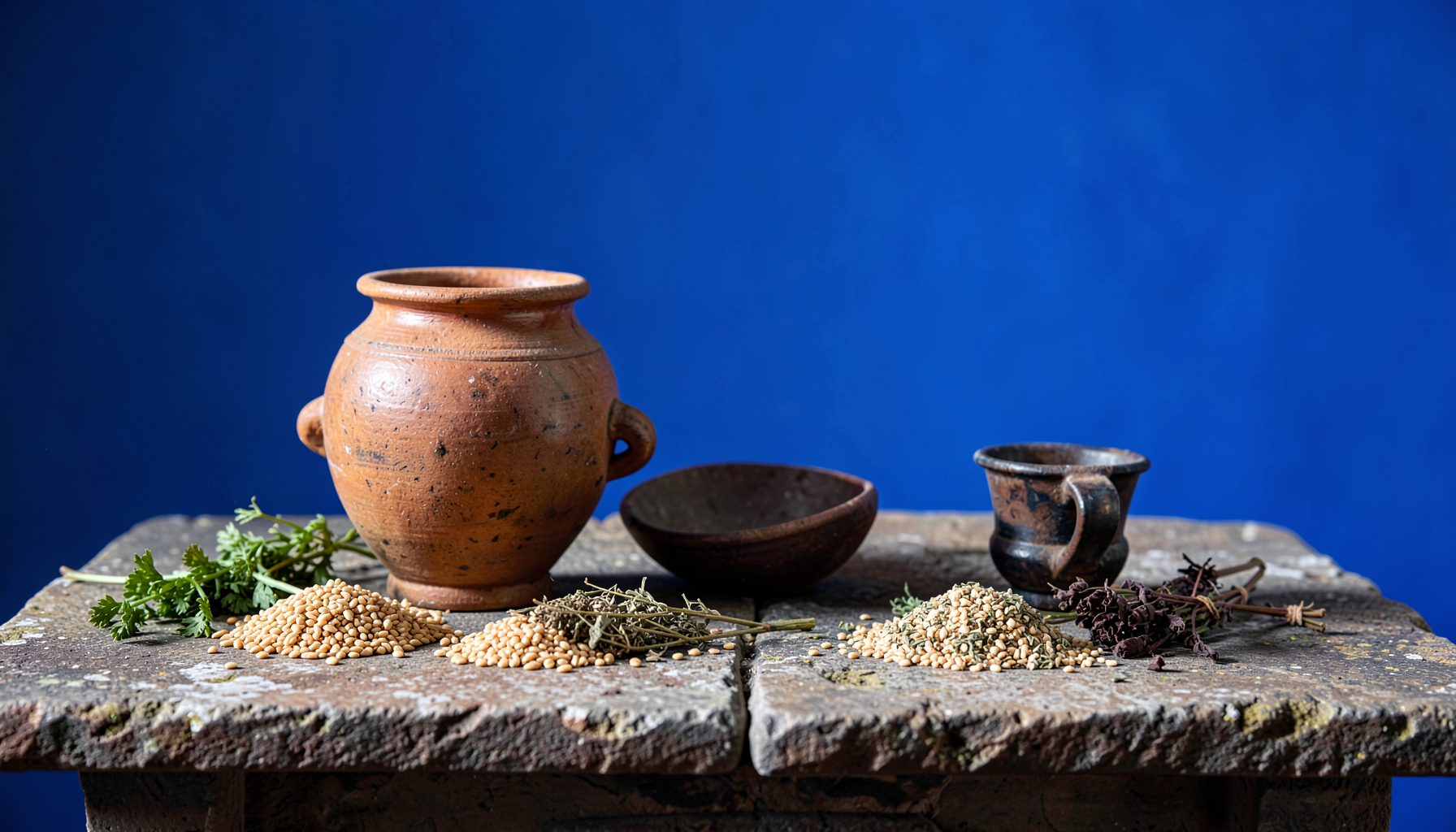
A reconstruction might begin with a mortar, a clay pot and a charcoal fire. The cook then considers how long pounding takes, how quickly a vessel heats and how much liquid evaporates. These physical details reveal the labour hidden inside a short recipe. A sauce described in a few lines may require hours of preparation and several pairs of hands.
Digital food culture offers useful contrasts. Modern recipe sites, cooking videos and tools such as a modern waffle reference make technique easier to share, standardise and repeat. Roman kitchen workers had no filmed demonstrations or searchable databases. Their knowledge travelled through bodies, voices and daily practice, making the household itself the archive.
The same care helps us approach ancient religious meals and commemorative food. Research into the Last Supper can reveal how ingredients, table customs and social roles shaped a famous meal’s historical setting. In each case, attention to preparation brings ordinary workers back into the story.
Roman kitchen slaves were skilled food professionals within a system built on coercion. Their training involved close observation, physical labour, sensory judgement and constant adaptation. Studying their work allows modern readers to see Roman cuisine as a collaborative process rather than the achievement of wealthy diners alone.
Explore ancient recipes, archaeological evidence and reconstructed techniques through Archeoricette, and follow the ingredients from Roman storage rooms to the cooking fire. Supporting careful food history helps preserve the knowledge of the workers whose hands made the ancient table possible.