Roman snail farming and the curious practice of milk-fattened cochleae
The ancient Romans treated snails with a reverence that surprises modern palates. Far from being a humble gastropod relegated to peasant pots, the cochlea was elevated to a delicacy worthy of the most ambitious dinner parties, where hosts competed to offer the largest, the whitest, or the most fragrant specimens. In wealthy households across the Late Republic and early Empire, a dedicated enclosure called a cochlearium or vivarium cochlearum ensured a steady supply of these mollusks throughout the year. The story of how Romans raised, fattened, and finally served their snails opens a window onto a culinary culture that prized patience, terroir, and a certain theatrical flair.
The technique that most fascinates modern food historians is the practice of fattening snails on milk, an indulgence described with undisguised astonishment by Pliny the Elder. The method involved transferring mature snails from their breeding enclosures to smaller, shaded vessels and feeding them on a controlled diet until they grew plump and tender. Combined with wine, spelt porridge, and aromatic herbs, milk-fed snails became a signature luxury item, served in polished shells or presented whole as the opening course of an elaborate cena.
For Australian readers curious about where this obscure tradition sits today, the answer is partly historical and partly local. The practice survives in the global escargot industry, in experimental archaeology projects, and in a small but enthusiastic network of Australian growers who tend vineyards, raise Burgundy snails, and even experiment with milk-based finishing diets along the Murray River. To understand how this all began, one must return to the gardens of Roman Italy and the ink-stained pages of Pliny's Natural History.
| Aspect | Wild snails | Garden-raised cochleae | Milk-fattened specimens |
|---|---|---|---|
| Habitat | Hedgerows, limestone slopes | Cochlearium walls, shaded beds | Small ceramic or wooden vessels |
| Diet | Leaves, algae, decaying matter | Grape leaves, figs, wild greens | Milk, spelt flour, aromatic herbs |
| Texture | Firm, slightly chewy | Tender, vegetal notes | Plump, creamy, almost buttery |
| Colour of flesh | Grey-brown | Pale grey | Ivory to creamy white |
| Typical serving | Simple garlic sauces | With mints, vinegar, garum | Presented whole in shell, rich sauces |
The cochlearium as Roman domestic institution
The cochlearium functioned much like a modern hutch or a small dovecote, fitted into a corner of the peristyle garden or, in grander villas, occupying a dedicated wing of the service quarters. Vitruvius and Columella both refer to enclosed spaces where animals intended for the table were raised in controlled conditions, and the cochlearium fits neatly into this category. Walls of dressed stone or brick kept the snails from wandering, while a steady trickle of water from a nearby cistern kept the air humid and the soil moist.
In larger Roman properties, the enclosure was sometimes divided into two sections: a breeding zone where snails mated and laid eggs, and a finishing zone where selected individuals received more luxurious treatment. The breeding zone was typically planted with grape vines, fig trees, or beds of wild greens, providing both food and shelter. Slaves tasked with running the cochlearium were expected to keep records of stock numbers, feeding schedules, and any signs of disease, much as a modern farmer might track livestock performance.
The Romans believed that the taste of a snail reflected both its diet and its environment. Snails raised on aromatic plants were said to carry those flavours into the dish, while those kept on drier, sun-baked slopes developed a firmer texture prized by connoisseurs. This attention to provenance anticipated modern French appellations for Burgundy snails, where specific terroirs still command premium prices. It also meant that wealthy Romans sometimes purchased snails by region, much as Australians today choose between Margaret River wagyu and Cape Grim beef for special occasions.
Pliny the Elder and the gluttony of Hirpinus
Pliny's Natural History contains one of the most quoted passages on Roman snail husbandry. Writing in the first century CE, he reports that a certain Fulvius Hirpinus was the first to establish dedicated snail parks in his estates around Tarquinia, feeding his stock on a calculated regimen that included spelt flour, honey, and various wines. Pliny notes with a note of satirical disapproval that later refiners went further, using milk to whiten the flesh and add a creamy richness that diners came to expect.
The passage carries an unmistakable tone of satire, suggesting that Pliny himself regarded the practice as a step beyond reasonable indulgence. Yet the very fact that he recorded it in detail indicates that milk-fattened snails had become a recognised category in Roman gastronomy, with its own techniques and connoisseurs. Hirpinus, in this reading, is less a rogue gourmet than a pioneer of what we might now call artisan protein production.
The account also reveals that Roman diners expected a kind of theatre with their snails. Large specimens were brought to the table alive and allowed to crawl across decorated platters before being cooked, while smaller milk-fed varieties were typically served already prepared, arranged in their polished shells and glistening with sauce. The visual contrast between the humble wild snail of the roadside and a fat, ivory-coloured milk-fed cochlea was part of the appeal, signalling to guests that the host had invested real resources in the meal.
Designing the vivarium: walls, shade, and water
A functional cochlearium required attention to three variables: protection from predators, regulation of humidity, and access to calcium-rich soil for shell development. Roman builders typically chose north-facing walls, which received less direct sun and retained moisture longer. The base was often layered with crushed limestone and sand, providing both grit for the snails' radula and minerals for shell growth.
Water management was crucial. The best enclosures incorporated a shallow channel or drip system fed by the villa's cistern, creating a constantly damp microclimate without becoming waterlogged. Columella, in his agricultural manual De Re Rustica, recommends placing pans of fresh water at intervals to keep the snails hydrated, a practice still followed by modern heliciculturists in France and Italy.
Vegetation completed the system. Grape leaves and mulberry leaves were favourites, both because they grew abundantly in Roman Italy and because their broad surfaces offered ideal browsing. Bay laurel, rosemary, and thyme were added in smaller quantities, contributing aromatic compounds that subtly flavoured the snails' flesh. Gardeners were careful not to overstock, since overcrowded snails became stressed, ate less, and developed thinner shells. Modern Australian growers at small farms outside Hobart and in the Adelaide Hills report similar stocking density challenges when raising Helix aspersa for local restaurants.
The milk-fattening method explained
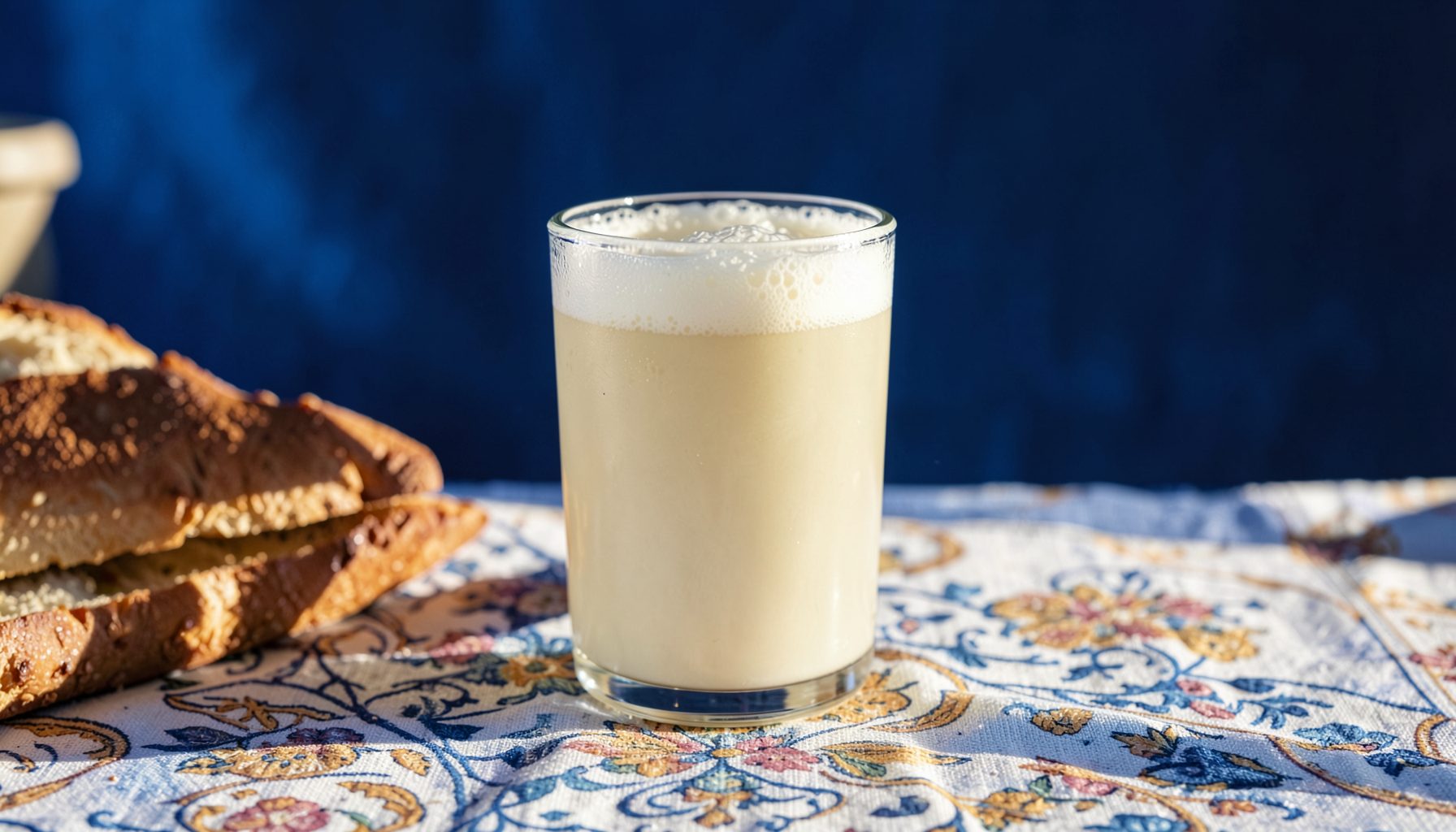
The transition from a regular cochlearium diet to milk finishing marked the moment a snail moved from commodity to indulgence. Once the snails reached a marketable size, typically after their second growing season, they were transferred to smaller vessels such as half-amphorae, shallow wooden troughs, or even repurposed dolia. These containers were kept in shaded, cool positions and supplied with shallow dishes of milk, often mixed with a little honey or spelt flour to thicken it into a porridge.
The Romans appear to have understood, intuitively at least, what modern food science confirms: a diet rich in lipids and sugars produces fatter, sweeter, more tender flesh. The milk acted as both feed and tonic, hydrating the snails while depositing fat reserves under the mantle. Within a few weeks of this treatment, the flesh took on a pale, almost ivory hue, and the snails grew noticeably plumper. They were then purged for a day or two on plain water and aromatic herbs before being cooked.
A handful of specific variations can be reconstructed from Roman sources. Some recipes suggest finishing the snails on wine must rather than milk, producing a sharper, more fermented flavour. Others recommend a final week on a paste of crushed fava beans, an approach echoed today in parts of Spain where snails are finished on chickpea flour. In every case, the principle was the same: control the diet in the final stretch to shape the sensory profile of the finished dish. Readers interested in related reconstructive work may enjoy exploring how the asafoetida in Roman cooking was used to mimic the lost silphium, a parallel example of how ancient cooks chased lost flavours through substitution.
Cooking the snails: sauces and pairings
Once purged and ready, milk-fattened snails were typically blanched briefly in salted water or stock, then returned to their shells or transferred to small baking dishes. The classic Roman sauce combined liquamen (the Roman fish sauce ancestor of modern garum), olive oil, pepper, and a generous measure of laser or laserpicium, the resin of silphium that grew wild in Cyrenaica. When silphium became extinct, cooks turned to asafoetida, a resin still used in some South Asian cuisines today, as a close aromatic substitute.
More elaborate recipes, preserved in Apicius's De Re Coquinaria, call for snails to be simmered in a thickened wine sauce with pine nuts, pepper, and a finishing pour of passum, the sweet raisin wine beloved by Roman elites. The combination of creamy snail flesh and sharp, peppery sauce produced a dish of considerable complexity, often served as the gustatio, or opening course, before the heavier main roasts. Honey was sometimes drizzled at the table for diners who preferred a sweeter profile.
For those recreating these dishes at home, the closest Australian parallels are found in a handful of Mediterranean-influenced restaurants in Sydney and Melbourne, where escargot appears on tasting menus alongside kangaroo tartare or wallaby carpaccio. Queen Victoria Market in Melbourne and the Adelaide Central Market both occasionally stock fresh or canned snails suitable for experimentation, and small importers in Brisbane's Fortitude Valley supply preserved Burgundy snails year-round. A worthwhile detour from purely Roman flavours is offered by those curious about how cabbage pirozhki handle fermented fillings, an entirely different but equally old tradition of stuffed dough.
Australian parallels and local markets
Australia does not possess a deep indigenous tradition of snail cookery comparable to the French or Italian, although Aboriginal communities in several regions have long harvested native land snails, particularly in the Wet Tropics of north Queensland and around the Kimberley. Introduced species such as the common garden snail (Cornu aspersum) are widespread and considered agricultural pests, which has limited their acceptance as food despite their edibility.
Nonetheless, a small commercial heliciculture scene exists. Growers near Mudgee in New South Wales, in the Yarra Valley of Victoria, and around Manjimup in Western Australia have established modest herds of Helix aspersa for sale to restaurants and specialty food retailers. Some of these producers have experimented with finishing diets inspired by Roman sources, though Australian regulations around dairy feeding for invertebrates remain informal. The result is a niche but growing supply of fresh snails available at certain farmers' markets in Sydney and Brisbane.
The most promising site for Australian experimentation is the overlap between viticulture and heliciculture. Several Margaret River producers already raise snails beneath their vines, where the mollusks manage weeds and contribute to soil health, then harvest them for restaurant kitchens in Perth. Pairing such snails with Margaret River semillon or a Hunter Valley chardonnay creates a flavour combination that, while not authentically Roman, sits comfortably in the same gastronomic lineage. Australian readers with a more general curiosity about how ancient foodways intersect with contemporary design and home aesthetics might also enjoy browsing vintage home decor shops in Copenhagen for tableware suited to a Roman-themed dinner party.
Reconstructing an ancient cochlearium today
For anyone tempted to recreate the cochlearium at home, the basic requirements are surprisingly modest: a shaded corner of a garden, a low stone or timber wall, a fine calcium-rich soil, and a reliable source of moisture. In Australian conditions, the major adjustment is heat management, since snails thrive in the 15–22 °C range and suffer above 30 °C. A south-facing wall, deep leaf litter, and an automatic misting line are the practical adaptations that make Australian backyard cochlearia viable.
Stock can be sourced from licensed heliciculture suppliers, or, in regions where Cornu aspersa is considered invasive, collected under permit from infested properties. Once established, a small colony can be maintained on grape leaves, lettuce, and the occasional slice of cucumber, with milk-finishing reserved for a chosen handful of specimens destined for the table. The experience of watching snails grow plump on a slow diet of milk and spelt porridge brings a quiet satisfaction that the Roman otiose would have recognised immediately.
Key elements for a successful small-scale cochlearium:
- Shaded, humid microclimate with stable temperatures
- Calcium-rich substrate for healthy shell development
- Varied leafy greens and aromatic herbs as base feed
- Reserved milk-finishing stage for selected specimens only
Practical considerations for sourcing and serving snails in Australia:
- Check state regulations on collecting or importing live snails
- Farmers' markets in Sydney, Melbourne, and Brisbane occasionally stock fresh stock
- Pair with Australian semillon or chardonnay rather than sweet Roman passum
- Keep records of feeding regimens, echoing Roman slave-steward practice
For those who would rather skip the husbandry and focus on the kitchen, the recipe repertoire developed in antiquity remains surprisingly accessible. Modern Australian cooks can lean on imported canned snails, fresh local specimens where available, and a pantry stocked with fish sauce, black pepper, and good olive oil to approximate the ancient flavours. Those exploring the broader landscape of archaeological cuisine will find further reading in the last supper reconstruction project, a useful companion piece that examines the menu of another iconic Roman meal through a similar historical lens.
Bring the cochlearium to life in a backyard, on a balcony, or simply at the table. Whether the goal is a working vivarium, a milk-fed tasting experiment, or a Roman-themed dinner party with Apicius-inspired sauces, the ancient techniques remain within reach for the curious Australian cook willing to slow down and let the snails do the work. For site terms and conditions relevant to readers exploring experimental recipes, the cookie policy outlines how this research project handles visitor data.