Celtic mead making with honey and wild berries: ancient craft revived
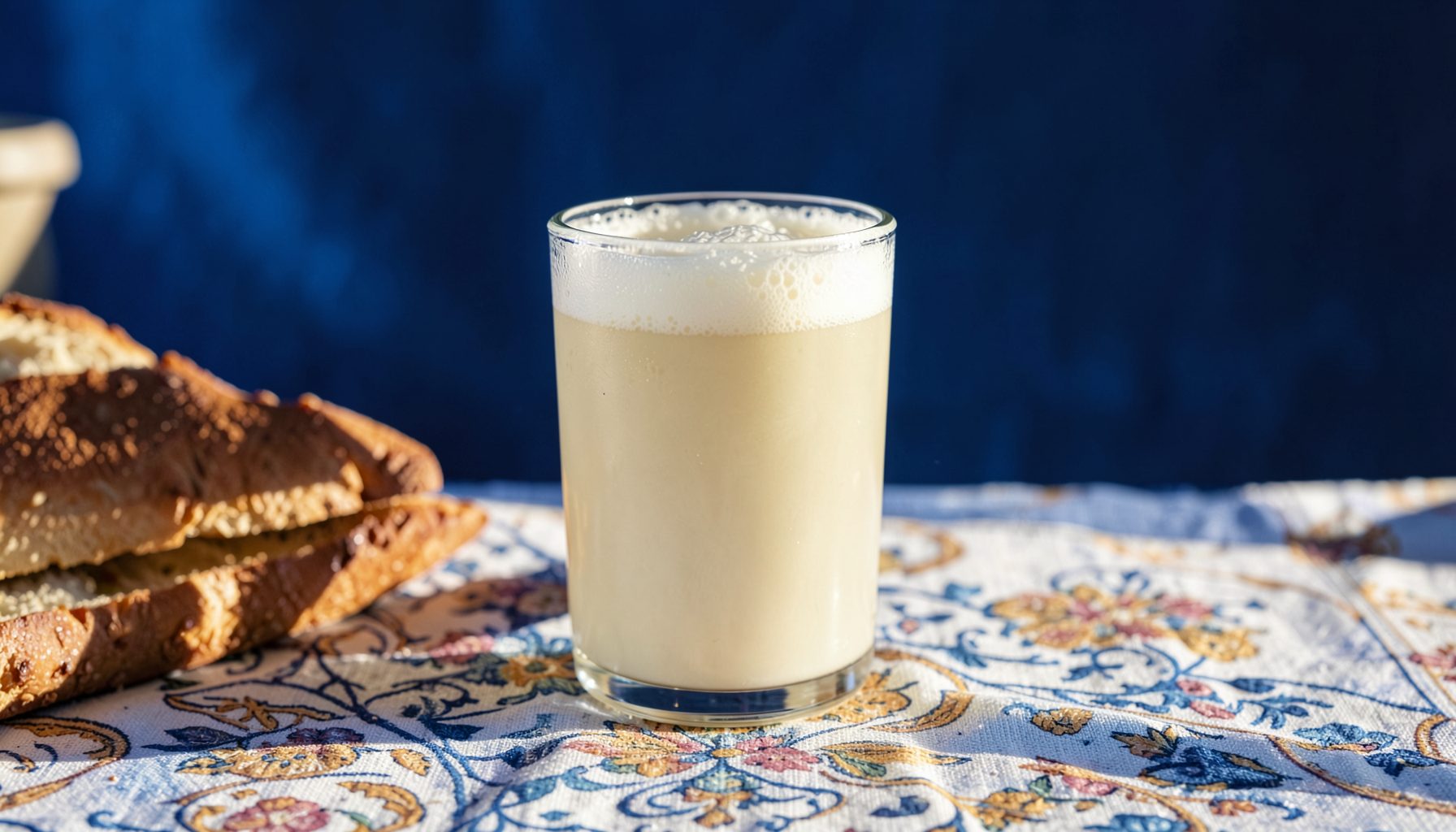
Long before written history captured recipes and rituals, the peoples of the Celtic world were transforming wild honey into a drink that carried the flavours of their landscapes. Archaeological evidence from Iron Age sites across central Europe and the British Isles points to widespread mead production, with residues of fermented honey found on pottery sherds and inside bronze vessels. For the Celts, mead was more than a beverage; it was a cultural anchor, offered to gods, shared between kin, and poured during the great gatherings that marked the turning of seasons. The craft of combining honey with wild berries, herbs, and tree sap created a family of drinks that varied from valley to valley, each batch a liquid expression of the local terrain.
Across the world today, that same craft is being rediscovered by home fermenters, experimental archaeologists, and small-scale producers. In Australia, a growing community of mead makers draws on the country's exceptional honey resources and a remarkable palette of native berries to reinterpret ancient recipes. From the leatherwood forests of Tasmania to the bush food traditions of the east coast, modern brewers are proving that the spirit of Celtic fermentation belongs to no single place, but to anyone willing to listen to the land and the bees.
The ancient roots of mead in Celtic society
Mead occupies a central place in the surviving fragments of Celtic myth and law. The early Irish text Bechbretha, a judgement on bees and their produce, outlines fines and tributes paid in honey and mead, suggesting that the drink circulated as a form of currency and prestige. Welsh legends, preserved in the Mabinogion, describe feasts where mead flowed freely and bards composed verses to honour the host. These references align with physical finds: storage pits lined with stones, fermentation jars, and drinking horns unearthed at sites in Gaul, Britain, and Ireland.
The drink was also tied to the Otherworld in Celtic belief. Tales speak of enchanted vessels that never empty and of feasts in the land of the dead where the inhabitants drink an eternal mead. Such stories reinforced the beverage's sacred status, linking everyday hospitality to the cosmic order. In domestic settings, mead marked important transitions: births, marriages, alliances, and farewells. A wedding without mead was, in many regions, unthinkable.
The soul of the brew: selecting the right honey
The character of any mead begins with its honey, and Celtic mead makers were known for their attention to floral sources. Heather honey, dark and aromatic, was particularly prized in the uplands of what is now Scotland and Wales. Wildflower honey gathered from lowland meadows gave lighter, more floral notes. Roman writers, encountering Celtic mead in conquered territories, often commented on its strength and complexity, although their descriptions were sometimes coloured by cultural bias.
In modern Australia, a parallel attention to terroir has emerged. Tasmanian leatherwood honey, produced from the unique Eucryphia lucida forests of the state's west, is internationally recognised for its bold, slightly woody character and works beautifully in mead. Producers in Hobart and along the Derwent Valley prize it for traditional melomels. Elsewhere, ironbark and yellow box honeys from New South Wales and Queensland offer darker, more caramelised profiles that suit spiced metheglins. Choosing mono-floral or carefully blended honey remains the first act of any serious mead maker, ancient or modern.
Wild berries, herbs, and the art of the mix
Beyond honey, the most distinctive feature of many Celtic meads is the addition of wild fruits and aromatic plants. Elderberries, hawthorn berries, and rowan berries were common, each contributing colour, tannin, and a layer of folkloric meaning. Elder, associated with the spirit world in Celtic belief, was both feared and revered; adding its berries to mead was a way of inviting protection. Bog myrtle, yarrow, and meadowsweet were typical herbal additions, imparting bitter and floral notes that balanced the sweetness of the fermenting honey.
Australian mead makers have begun exploring native equivalents, drawing on traditional ecological knowledge and bush food resources. Muntries, also known as emu apples, lend a spicy, apple-like brightness to melomels and grow wild in southern Australia. Riberries, with their clove-like finish, evoke the warming spices once carried along Roman trade routes. Lemon aspen and native raspberry bring acidity and fragrance, helping to lift the heavy sweetness that can dominate a young mead. Farmers markets in Brisbane, Sydney, and Melbourne now feature small producers selling bottles infused with these native flavours, often with labels that cite both Celtic and Indigenous Australian heritage.
These ingredient variations give rise to several distinct mead styles, summarised below.
| Style | Main ingredients | Typical character | Best aged |
|---|---|---|---|
| Melomel | Honey, fruit | Fruity, balanced, often medium-bodied | 6–12 months |
| Metheglin | Honey, herbs and/or spices | Aromatic, complex, slightly bitter | 9–18 months |
| Pyment | Honey, grapes | Wine-like, dry to off-dry | 12–24 months |
| Cyser | Honey, apples | Crisp, tangy, refreshing | 6–12 months |
| Braggot | Honey, malted barley | Malty, rich, beer-like body | 3–9 months |
Fermentation craft, vessels, and ancient tools
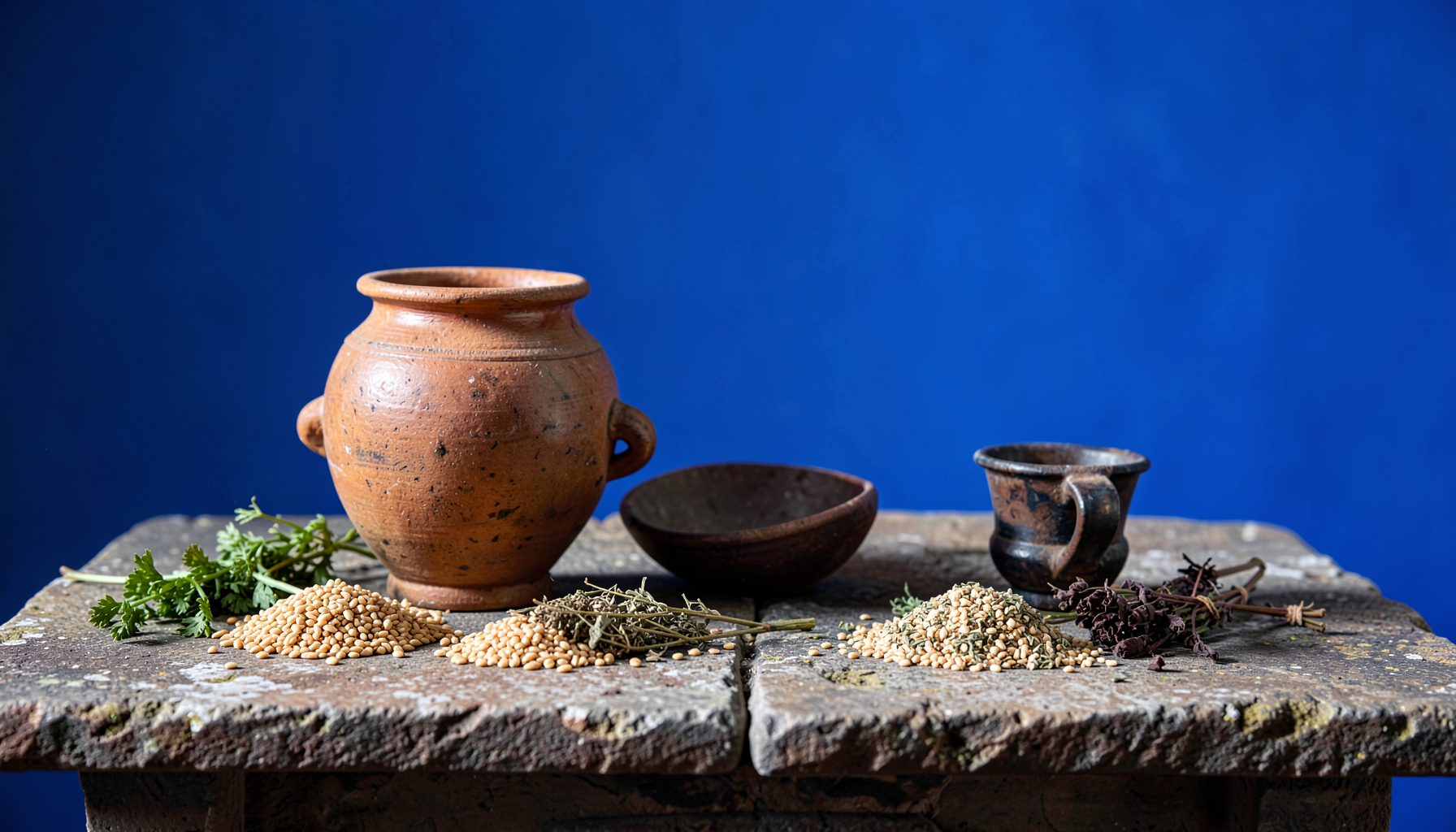
The actual process of turning honey, water, and fruit into mead is deceptively simple, yet it demands patience and respect for microbial behaviour. Crushed berries and bruised herbs are first macerated, often with the help of a stone or wooden tool. Archaeological work has shown that the ancient mortar and pestle was used in many cultures to bruise fruits and release their juices, a step that improves colour extraction and flavour integration. The resulting must is then mixed with honey and water, and left to ferment in a vessel that allows gases to escape while keeping contaminants out.
Clay and wooden vessels were common in Celtic kitchens, and their porous surfaces often hosted wild yeasts that kick-started fermentation. Modern makers typically use food-grade plastics or glass, with carefully selected yeast strains, though some experimental brewers still work with natural captures. Temperature control is critical, and the principles explored in resources on cold machine slots uitleg for industrial processes echo the ancient challenge of keeping fermentation cool in the absence of refrigeration. In southern Australia, fermenting during the cooler months from May to September remains a popular strategy for home brewers in Adelaide and Perth.
Mead in Celtic ritual, feasting, and folklore
The place of mead at the centre of Celtic social life cannot be overstated. Feasts, known in Old Irish as feis, were events where political alliances were sealed, poetry was performed, and mead was served from elaborate vessels. Surviving drinking horns, often ending in the shape of animal heads, hint at the ceremony surrounding the serving of the drink. Some scholars have argued that the famous feasts described in early Welsh poetry were partly responsible for the spread of certain mead recipes into Anglo-Saxon and later medieval English culture.
Mead also appeared in funerary contexts, with honey-based drinks placed in graves alongside other offerings. The discovery of mead residues in high-status Iron Age burials in Germany and France suggests that the drink accompanied the dead into the afterlife, reinforcing its image as a bridge between worlds. Bread, grain, and other foodstuffs were clearly part of these offerings, and the role of bread ovens in Mediterranean antiquity shows how central communal baking was to such ritual events, a parallel that resonates with Celtic feasting culture and the great ovens that once stood at the heart of every village.
The modern revival across Australia
Contemporary Australian mead makers are building on this ancient foundation with both reverence and inventiveness. Small producers in the Yarra Valley, the Adelaide Hills, and the Huon Valley have begun winning medals at national competitions, including classes at the Royal Queensland Wine Show and the Australian Mead Makers Association annual awards. Their bottles often feature Celtic-inspired labels alongside native botanical illustrations, a visual reminder of the cross-cultural conversation at the heart of the craft.
Workshops and tasting events are popping up in urban centres. In Melbourne, mead flights are served at dedicated bars in Fitzroy and Collingwood, while Brisbane's West End hosts monthly mead and mead-cocktail evenings. Sydney fermenters gather in shared community spaces to swap honey, yeast, and advice. The Australian market for mead remains small compared to wine and craft beer, but it is growing steadily, fuelled by curiosity about ancient traditions and a desire for drinks with a story.
Gather a few kilograms of high-quality Australian honey, a handful of native or traditional berries, and a clean food-grade fermenter. Crush the fruit, combine it with honey and spring water in roughly equal parts by weight, and pitch a tolerant wine or mead yeast. Seal the vessel with an airlock, store it somewhere cool and stable, and wait. The slow transformation of sugar into alcohol, and then of fresh must into aged mead, is the same journey that Celtic brewers embarked upon two thousand years ago. For deeper explorations of ancient tools, feasting culture, and the recipes that connect past and present, browse the growing library of guides at Archeoricette and let the old world inspire your next batch.