Etruscan spelt cultivation and its place in ancient Italian cuisine
Before Rome dominated the Italian peninsula, a sophisticated civilization flourished across central Italy, leaving behind frescoed tombs, golden jewelry, and a culinary heritage built on hardy ancient grains. The Etruscans, whose territory stretched from the Tuscan hills to the Campanian plains, developed agricultural practices that would shape Italian foodways for centuries. Among their most significant contributions was the systematic growing of spelt, a hulled wheat that became the foundation of daily meals and sacred rituals alike.
Spelt (Triticum spelta) was more than a crop in Etruscan society; it was a cultural cornerstone. Its resilience to poor soils and variable weather made it ideal for the rolling landscapes of Etruria, where farmers worked terraces, valleys, and coastal lowlands. The grain's nutty flavor and dense nutritional profile gave rise to porridges and loaves that sustained workers in the fields and fed guests at elaborate banquets, embedding this heritage grain deeply into both subsistence and ceremony.
Etruscan fields and the geography of spelt
Etruscan agriculture operated on a scale that impressed later Roman writers, who borrowed heavily from their northern neighbors' techniques. Archaeological surveys across Tuscany, northern Lazio, and western Umbria have uncovered storage pits, threshing floors, and carbonized grain remains that confirm the grain's central role. Pollen analysis from coastal sites near modern Livorno and inland settlements around Chiusi shows that Triticum spelta was planted alongside emmer, barley, and millet, forming a diverse rotation that protected soil fertility.
The Etruscans understood that spelt thrived where common wheat struggled. They planted it on hillside plots that would otherwise yield meager harvests, taking advantage of the hulled grain's tough outer casing, which shielded the kernels from pests and fungal disease. Greek colonists in southern Italy and Roman agronomists like Columella later documented these practices, noting that Etruscan farmers sowed in autumn and harvested in early summer, often leaving the cut stalks to dry in bundles before threshing. Such knowledge filtered southward, influencing the grain culture of Latium and eventually the Roman bread basket.
Bringing spelt to the hearth
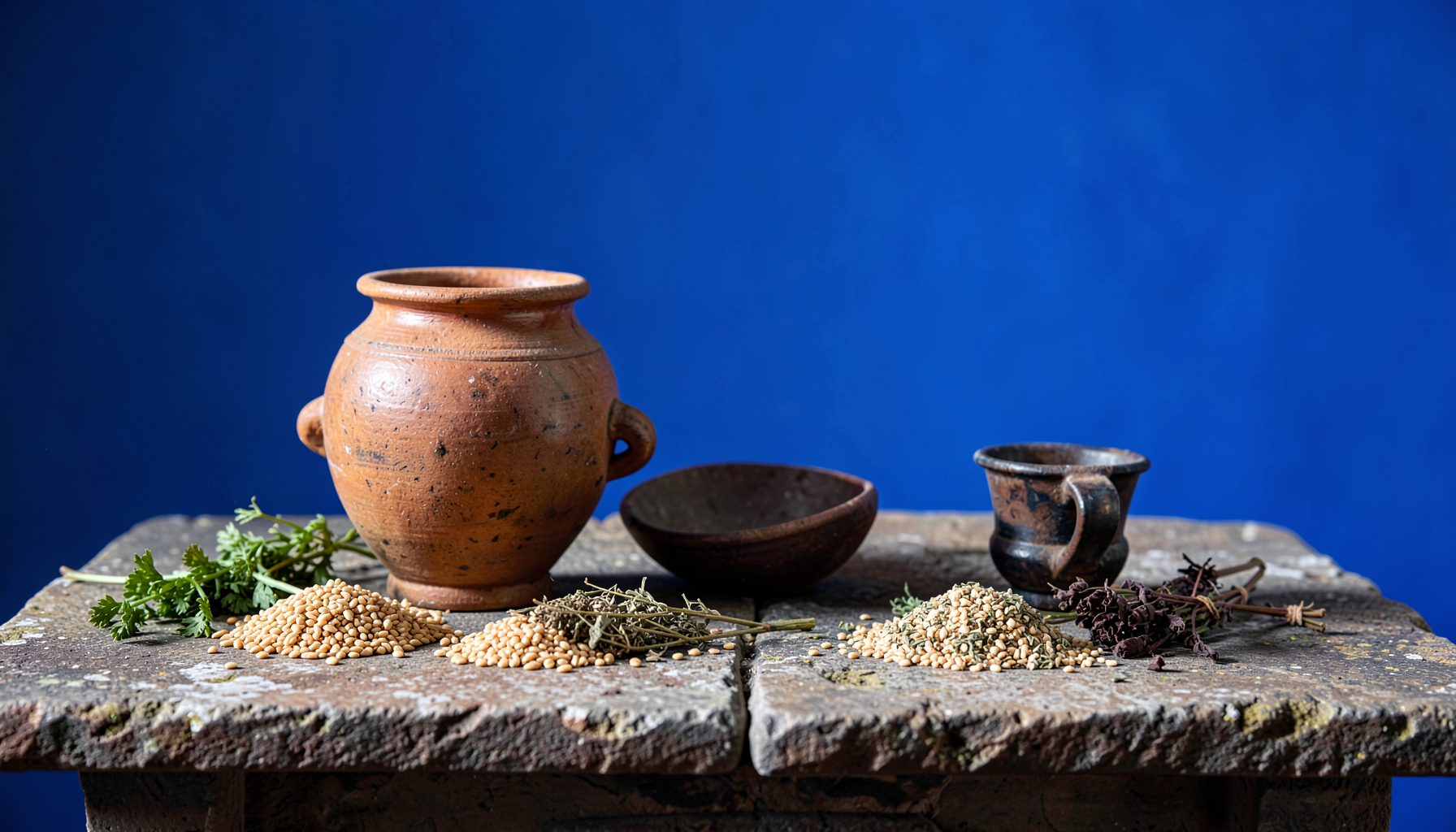
Processing this ancient wheat required labor that shaped Etruscan domestic life. Unlike modern free-threshing varieties, spelt retains its glumes tightly around the kernel, so the grain had to be parched and then pounded to remove the husks. Heavy granite mortars found in village sites reveal the daily rhythm of this work, often performed by women whose efforts sustained entire households. Once dehusked, the grain could be ground on rotary querns and sifted into coarse meal or fine flour, depending on the intended dish.
The kitchen itself, reconstructed from hearth remains at sites like Marzabotto and Acquarossa, was a hub of activity where the grain took multiple forms. Cooks mixed the meal with water, olive oil, and locally grown herbs, or combined it with legumes to stretch proteins. Etruscan cooking pots, typically wide ceramic vessels suited to slow simmering, point to a cuisine that prized soft, slow-cooked textures. The same raw material destined for a rustic porridge might be finely milled and kneaded into dough for offerings at a nearby temple, illustrating how spelt served both mundane and sacred ends.
Puls and the Etruscan breakfast tradition
Porridge, known to the Romans as puls but certainly older and arguably Etruscan in origin, was the most common way to eat spelt. A thick preparation of cracked grains simmered with water and salt, it appeared at every level of society. Wealthy Etruscans might enrich their puls with cheese, honey, or imported spices, while laborers relied on a plainer version eaten from wooden bowls before heading to the fields. The dish's simplicity belied its importance: it provided sustained energy for those quarrying stone, building ships, or tending vineyards along the Tyrrhenian coast.
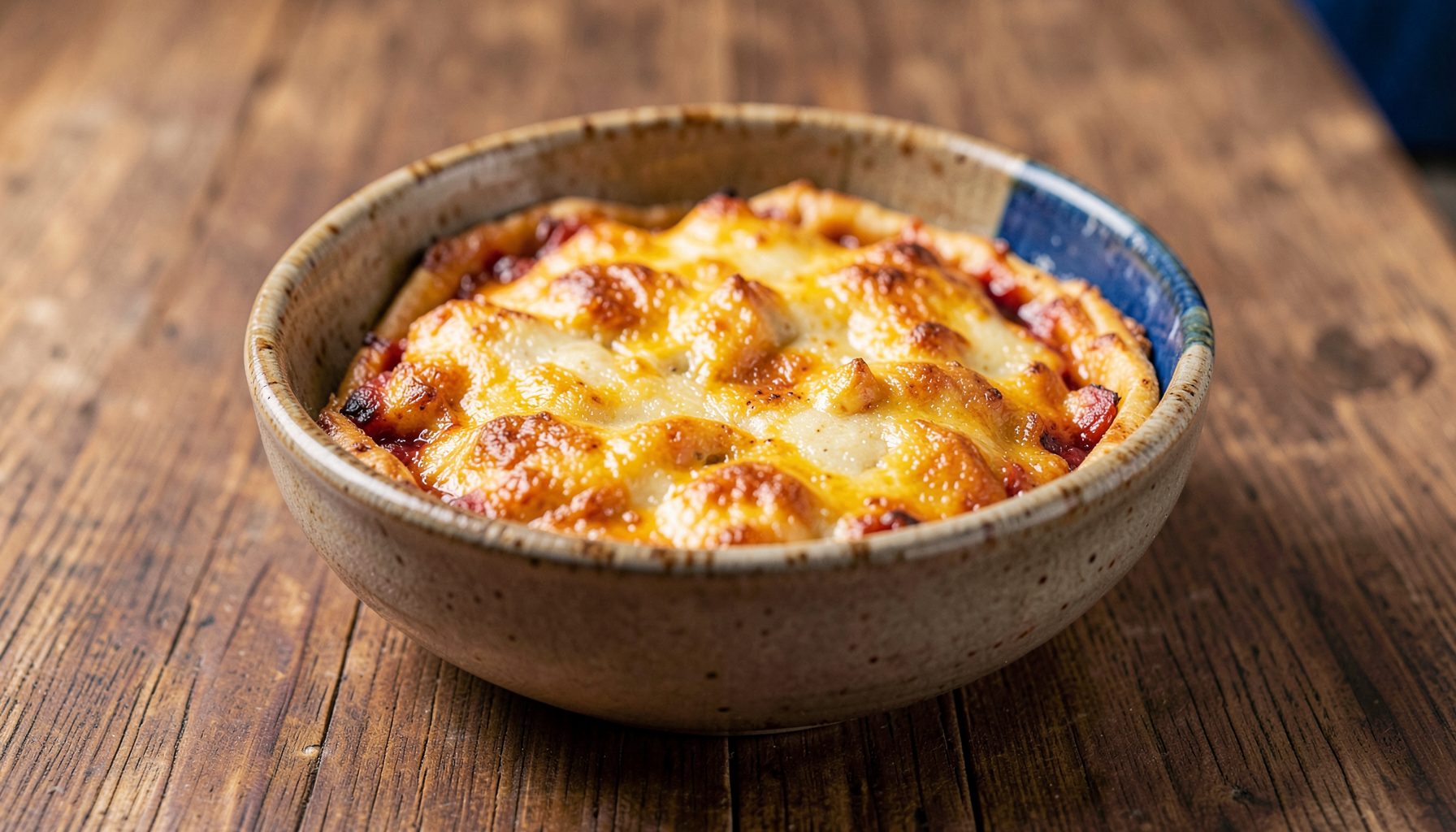
Recipes for Etruscan puls survive indirectly through later Roman sources and through experimental reconstruction by modern food historians. The basic method involved soaking spelt overnight, then cooking it slowly with plenty of water until the grains broke down into a creamy consistency. Some preparations were left loose, while others were pressed into molds and cooled, then sliced and fried, a technique still visible in northern Italian dishes like torta di farro. A bowl of puls would often be accompanied by simple vegetable sides, much like the ancient Egyptian onion and radish salad dressed with oil, which would have offered a crisp counterpoint to soft grain. For travelers exploring heritage grains today, similar preparations can be sampled at weekend markets in Melbourne, where artisan producers revive ancient recipes, or at the famous Queen Victoria Market, where small-scale grain sellers offer spelt alongside modern pasta varieties.
Spelt bread in Etruscan rituals and banquets
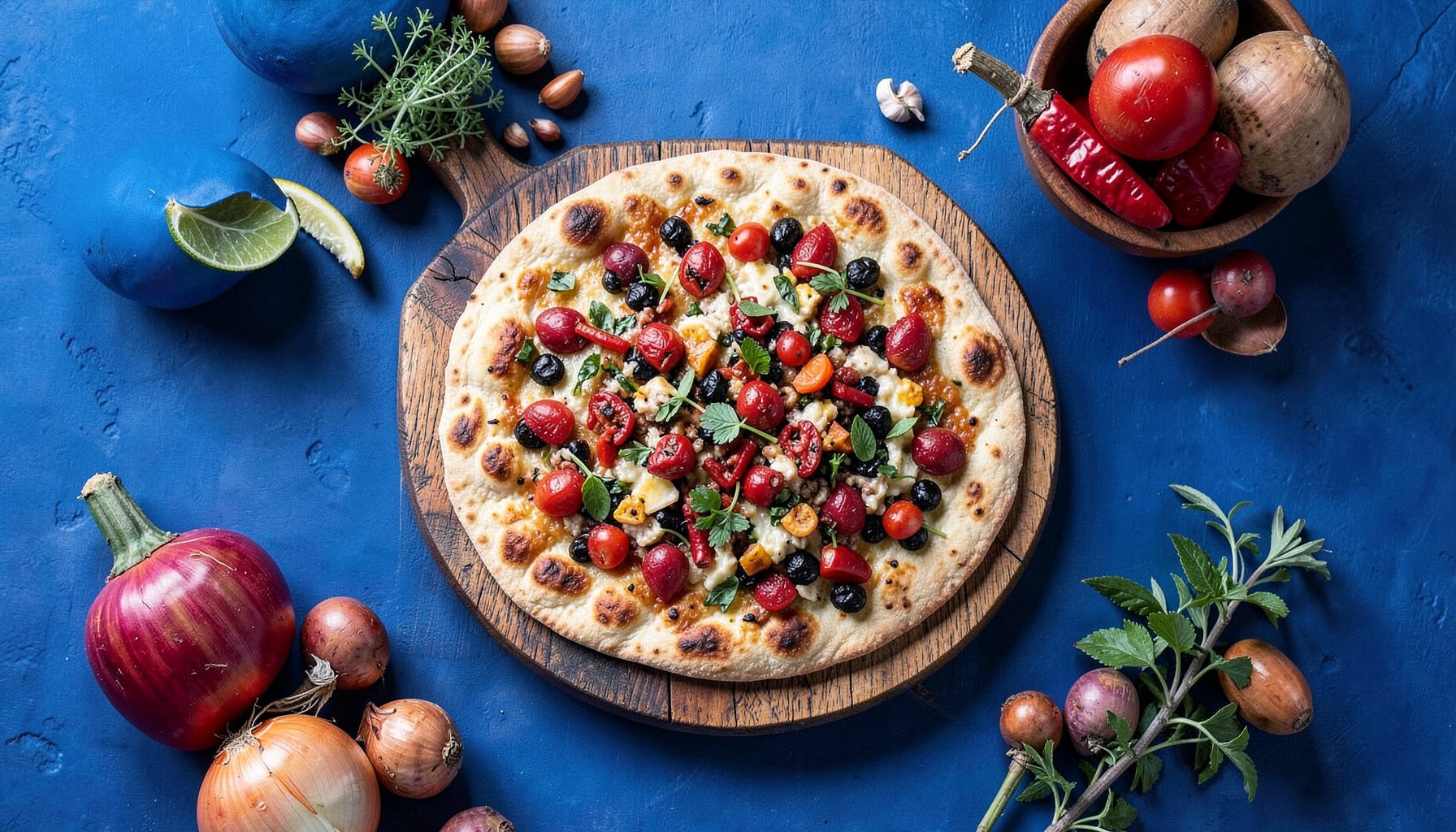
Beyond porridge, spelt flour formed the basis of dense, dark loaves that featured in both everyday meals and religious ceremonies. Etruscan bakers shaped dough into round, flat forms that suited the clay ovens discovered at numerous archaeological sites. Unlike the risen breads familiar to contemporary Australian kitchens, where sourdough has experienced a remarkable revival in cities such as Sydney and Brisbane, Etruscan loaves relied on natural fermentation and sometimes incorporated olive oil or honey to soften the crumb. They were sturdy enough to be carried by travelers and soldiers, yet flavorful enough to anchor a banquet alongside roasted meats and vegetables.
Ritual contexts elevated spelt bread to a sacred status. Tomb paintings from Tarquinia depict banquet scenes where loaves appear alongside fruit, fish, and wine, suggesting that bread was a marker of hospitality and prosperity. Priests offered spelt cakes at sanctuaries, and archaeologists have found carbonized bread offerings in votive pits at sites like the Portonaccio temple at Veii. These religious uses reinforced the grain's symbolic weight, linking the Etruscans to their agricultural cycles and to the chthonic powers they believed governed fertility. The same respect for cultivated grain echoed across the wider Mediterranean, where bread and porridge stood at the center of nearly every culture, from the Egyptian traditions of raising pigeons and quail for royal tables to the refined sweets of Greek banquet halls.
Modern rediscovery and Australian connections
Today, spelt enjoys a quiet renaissance among bakers and home cooks seeking alternatives to industrial wheat. In Italy, pane di farro and farro perlato remain staples of Tuscan and Umbrian kitchens, directly continuing an Etruscan legacy. Across the Southern Hemisphere, Australian consumers have embraced heritage grains with enthusiasm, driving demand at farmers' markets in Adelaide and Hobart, where small mills package locally grown or imported spelt for home bakers. Health food shops in Perth stock organic spelt flour alongside other ancient varieties, and cooking schools in capital cities occasionally run workshops on traditional porridges and flatbreads.
The parallels between ancient Etruscan practices and contemporary food culture are striking. Just as Etruscan farmers valued spelt for its resilience and nutrition, modern growers appreciate its tolerance for low-input agriculture and its richer mineral profile. Australian chefs experimenting with heritage grains often draw on Mediterranean traditions, pairing spelt with olive oil, roasted vegetables, and fresh cheeses in dishes that echo ancient combinations. Those interested in exploring the broader world of ancient Mediterranean cooking might enjoy the Greek cheesecake plakous with ricotta and thyme, a sweet finish that pairs beautifully with the savory, grain-based dishes central to ancient tables.
If you feel inspired to bring these ancient flavors into your own kitchen, Archeoricette offers a growing library of guides that translate archaeological evidence into approachable recipes. Start with a simple spelt porridge seasoned with olive oil and salt, then progress to a rustic loaf shaped by hand and baked in a hot cast-iron pot. The Etruscans cultivated this remarkable grain for thousands of years because it nourished body and community alike, and that wisdom travels well across continents and centuries. Explore the site, try a recipe, and taste a thread of history that still connects the kitchens of Italy to tables around the world today.