Olive harvest and brining in ancient Greece
An olive tree can offer a year’s oil, a table full of fruit, and a harvest that turns seasonal work into communal knowledge. In ancient Greece, olives were gathered in late autumn and winter, when fruit colour and oil content indicated ripeness. Some went to the press; others were salted or submerged in brine. The same tree therefore fed several needs at once: food, lighting, grooming, trade, ritual, and status.
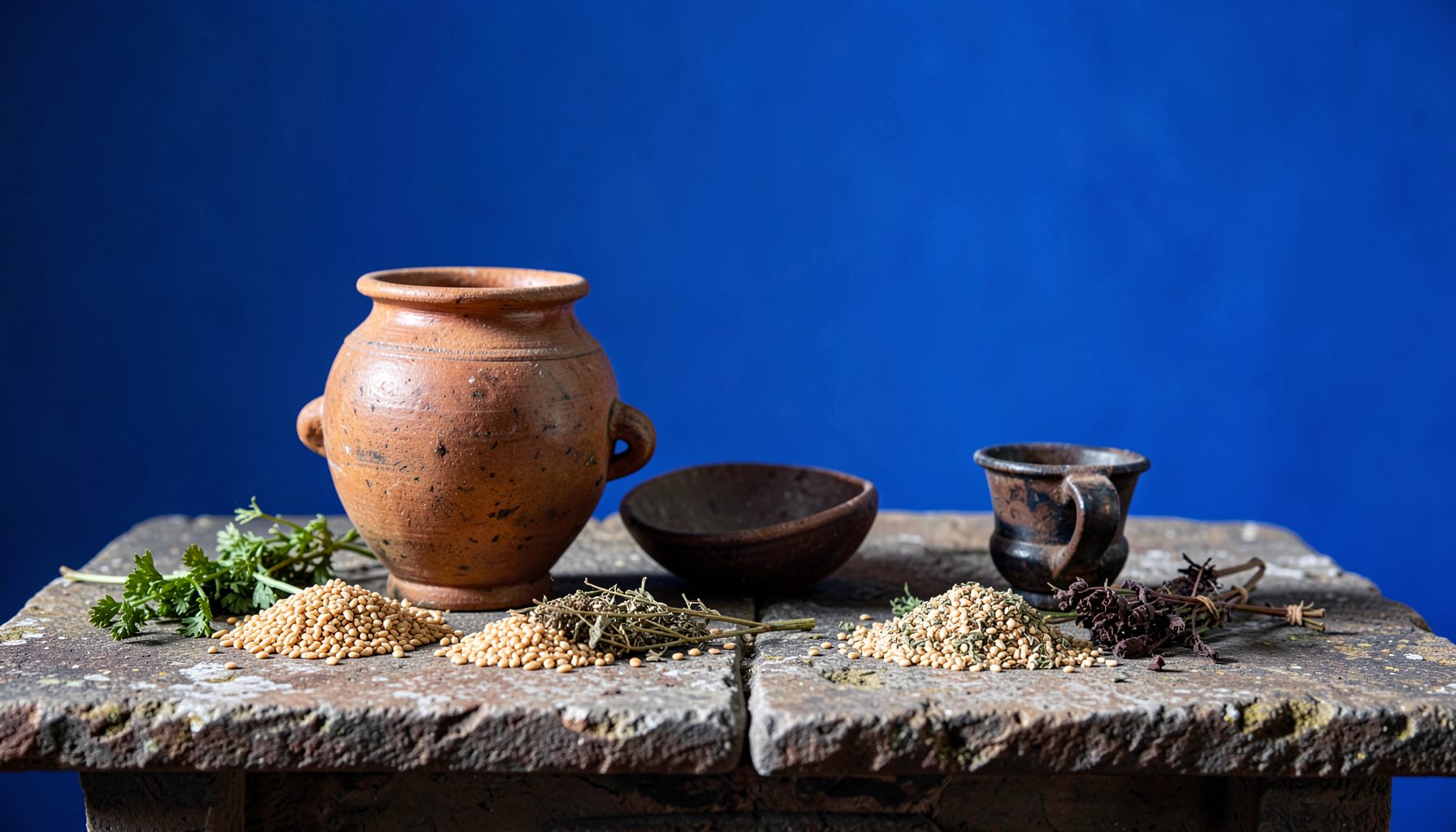
Evidence comes from olive stones recovered from settlements, presses found in excavated processing areas, amphorae and storage vessels, and writers who recorded agricultural practice. None tells a complete harvest story on its own. An endocarp may reveal that a fruit was eaten, but not whether it was cured in salt, vinegar, or brine; a press can reveal force and scale, not the hands that worked it. Reconstruction joins these traces without pretending certainty.
For Australian readers, the subject has an immediate seasonal echo. The commercial olive harvest generally runs from late autumn into spring, with timing shifting across Victoria, South Australia, and Western Australia. Traditional Greek harvesting is centred more heavily on late autumn and early winter. Climate, cultivar, and intended use all matter, so the old calendar should be treated as a pattern rather than a fixed timetable.
A responsible experimental reconstruction asks narrower questions: When was fruit picked? How was it moved quickly? Which vessel held the brine? How was salt concentration judged without a laboratory? Such questions turn the harvest from a picturesque custom into a chain of decisions about freshness, spoilage, labour, and taste.
Harvesting the ancient Greek landscape
Olive groves occupied coastlines, valleys, and the hinterlands behind Greek cities. Theophrastus and later agricultural writers describe regional differences in yield and quality, while excavated fruit remains and pollen show cultivation well beyond the Aegean islands. Crete, mainland Greece, and the western colonies were not a single culinary landscape. A dry island cultivar could behave differently from a rain-fed mainland tree.
Harvesting began with selection rather than a single mass pick. Ripe fruit for pressing had to reach the mill quickly, while damaged or early fruit might suit curing. Colour was informative, but wind, rain, and the difference between fruit and oil yield required experienced judgement. Some accounts describe gathering by hand; others mention poles or combs. This variety of tools suggests careful use of a tree, not simply stripping it bare.
Archaeological endocarps cannot date individual trees, yet their abundance in kitchens, hearths, and rubbish pits can show where fruit was consumed and discarded. Experimental pressing also helps compare soft, water-rich unripe olives with firmer mature fruit. The results reveal a trade-off: early picking reduced some quality losses but required more salt, while late picking concentrated oil and made prompt processing essential.
Picking, crushing, and the olive press
The picker’s first task was to keep fruit intact. Bruising could release heat and moisture, encouraging mould before the olives even reached a vessel. Gentle combing, hand stripping, and shallow baskets or cloth-lined containers all protected the crop. In larger estates, teams coordinated pickers, carriers, fire tenders, and press operators. A harvest was therefore a chain of timed handovers as much as a gathering in the grove.
Once at the press, fruit was crushed in a stone or mortar-like basin and pressed in several ways. The familiar lever-and-weight composite press suited smaller batches, while a spindle arrangement could apply steadier pressure. Rotary presses and the Roman trapetum belong to later or distinct technological trajectories. Ancient sites should not be collapsed into one “ancient press” type. Each design changed the labour, oil yield, and amount of watery residue left behind.
Text and residue studies complicate the cleanest distinction between oil production and olive preservation. Oil-rich, sound fruit generally went straight to crushing, whereas misses and surplus could be salted or brined. Heat and water might be added during pressing, and the remaining liquid contained suspended fruit solids. To call that liquid “brine” is helpful in a modern kitchen, but historical terminology and intended use require care: some residues were processing waste, while others may have been retained for seasoning or cleaning.
Salt, brine, and the stored harvest
Preserving olives meant controlling salt, moisture, and time. In dry curing, alternating layers of olives and salt rested in sloped or pierced containers so moisture escaped. In wet curing, fruit was held under brine, sometimes beneath weights, with sound olives selected and spoiled ones removed. In the broad modern sense, both are forms of pickling, although ancient writers did not necessarily group them under one technical term.
Ancient evidence supports these broad Mediterranean practices more securely than it supports a fixed recipe, exact salinity, or a universal curing vessel. The salt drew water from the fruit, while the olive’s own microbes gradually lowered acidity and developed its preserved flavour. Modern vinegar-assisted methods can make this process more predictable, but adding vinegar should not be projected uncritically into every classical recipe.
For modern Australian producers and home experimenters, that control has a legal dimension. Many commercial brined olives fall within the Australia New Zealand Food Standards Code category of acidified foods, for which pH must be brought to 4.6 or below. Salt alone should not be assumed to make a low-acid product shelf-stable. Commercial preserved olives also require compliant ingredient labelling, including declaration of sulphites when used, and businesses must meet state and local council food-handling requirements.
Regional foodways, trade, and ritual
At the Greek table, cured olives and fresh oil occupied different roles. Oil formed the base for dressings, cooked dishes, lamps, and scented unguents; brined fruit offered a salty accompaniment that could travel without losing all its character. Ceramic vessels, dining scenes, and literary menus help place both within communal meals. Their presence beside bread, cheese, vegetables, and wine shows preservation functioning as part of an entire cuisine.
Olive products also carried social meaning. Fine oil marked wealth, hospitality, gymnasium use, and the careful display of guests, while curing made an abundant crop usable across seasons. Palace archives from the Bronze Age, including quantities attached to liquid measures and sealings, show oil being organised at scale. Amphorae and shipwrecks then moved the commodity, linking a Mediterranean harvest to ports, markets, and consumers far from the grove.
Preservation was never isolated from neighbouring craft. The regional dairy traditions traced through Cretan cheese in the Minoan and Mycenaean periods show comparable attention to salt, draining, pressing, and storage when making perishable dairy foods stable. Comparing olive curing with cheese-making is not evidence that the two had identical recipes, but it reveals a shared concern with time, temperature, sanitation, and the conversion of seasonal abundance into food for later.
Bringing ancient practices into Australian kitchens
Australian growers work with many familiar olive cultivars, including Frantoio, Leccino, Arbequina, Koroneiki, and Kalamata. Their harvest calendar gives a practical comparison with ancient practice: the main picking is often later than a reader might expect, extending from May through June and sometimes into July in cooler districts. Growers must also separate table fruit from oil fruit, much as an ancient household would have assessed ripeness and destination before crushing or curing.
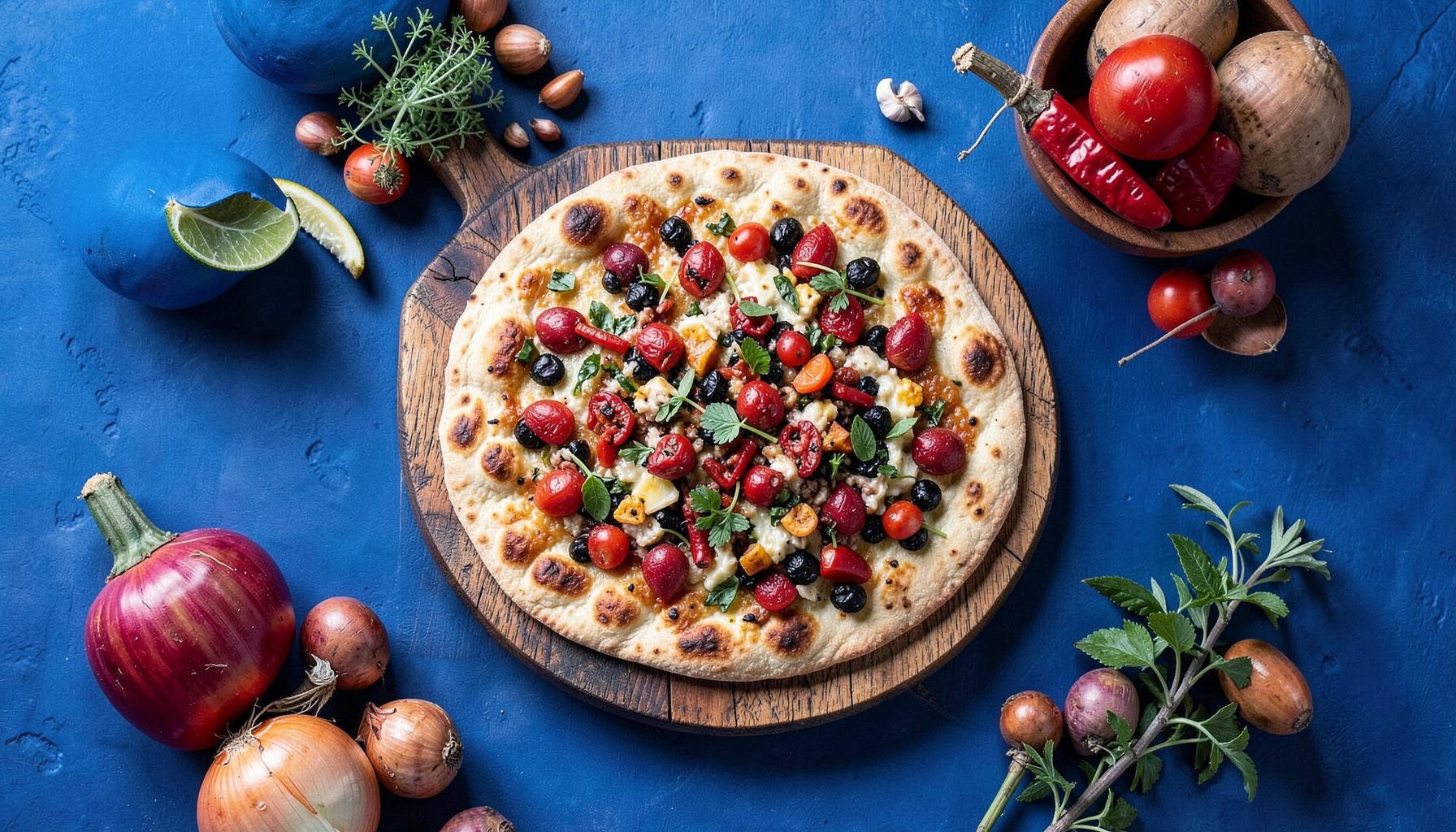
Those differences meet everyday Australian habits at the supermarket shelf, where jars of brined Kalamata olives are familiar as an antipasto, pizza topping, or bar snack. Many shoppers rinse them in a sieve before eating because commercial brine can be intensely salty. At Melbourne’s Queen Victoria Market, shoppers can look for olives among Mediterranean produce, herbs, and cheeses; in Sydney, Greek delis and restaurants around Chippendale and Marrickville keep imported and locally cured olives in regular circulation.
Experimentation can begin with comparisons rather than claims of perfect authenticity. Salt a batch lightly, cure another with a saltier brine, and compare its texture with fruit pressed soon after picking. A baker can also study the seasoning side of brine: contemporary baking methods provide a modern counterpoint for testing mild salinity against sweetness, even though olive brine was never a standard classical cake ingredient. Record every weight, temperature, and resting time so the result becomes evidence rather than folklore.
Most importantly, ancient brining was a system of preservation, not a costume for modern kitchens. The secure details are simple: harvest sound fruit, move it promptly, control moisture and salt, keep the vessel clean, and record what happens. Experimental work can refine brines, press design, and timing while leaving room for uncertainty. That combination of care and transparency makes historical cooking useful without turning it into fiction.
To keep following the research and its practical experiments, read project field notes for new reports, recipes, and event coverage. Then choose a well-made jar of olives from a local market, make a small test batch using a tested, safety-checked method, and serve it with bread, cheese, and wine as the ancient table is brought back into the present.