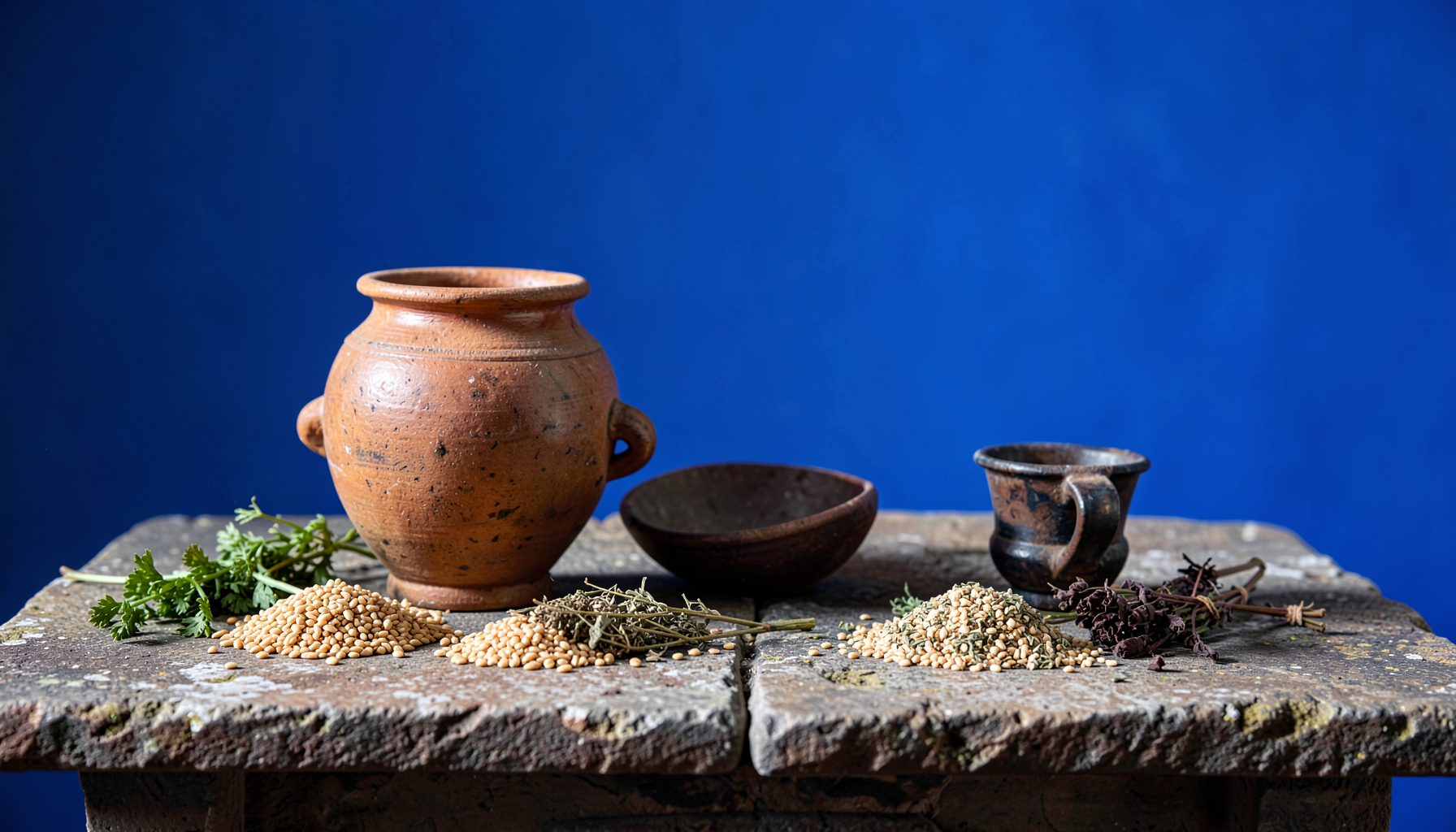
Bringing Ancient Flavours to Life
Explore the rich history of dairy in ancient Egypt, from butter and ghee to the role of buffalo milk, in our latest feature. Butter, Ghee, and Buffalo Milk in Egyptian Food History Archeoricette investigates what people ate across Mesopotamia, Greece, Rome, and beyond — reconstructing recipes from historical sources and archaeological evidence. The blog features recipe posts, event reports, and published works on the archaeology of cuisine.
The study of ancient cuisine offers a remarkable window into how people lived, traded, and celebrated across the civilisations of Mesopotamia, Greece, Rome, and beyond. By piecing together fragments of clay tablets, painted pottery, and the charred remains of everyday meals, researchers can reconstruct not only what was eaten but also the rituals and social customs that surrounded food. These investigations reveal that cooking was never merely about sustenance; it was an expression of identity, hospitality, and religious devotion. Each reconstructed dish carries with it the texture of daily life in a distant era, inviting modern readers to taste the past in a way that no textbook alone can convey.
Archaeological evidence has transformed our understanding of ancient foodways. Storage jars, grinding stones, and even the microscopic residues left on cooking vessels tell stories of trade routes that carried spices across continents and of kitchens where generations of cooks perfected their craft. The careful analysis of seeds, bones, and carbonised remnants allows historians to verify which ingredients were genuinely available in a given region and period, separating myth from culinary reality. This meticulous work grounds every recipe reconstruction in solid evidence, ensuring that the flavours brought back to life are as faithful to the historical record as modern scholarship can achieve.
Recreating ancient recipes is an exercise in both science and imagination. Translators must interpret archaic terminology, often uncertain whether a word refers to a specific herb, a cooking technique, or a type of vessel. Experimental cooks then test these interpretations, adjusting heat, timing, and proportions to produce dishes that are plausible and, ideally, delicious. The process is iterative and collaborative, drawing on philology, archaeology, and gastronomy alike. What emerges is not a perfect replica of a long-lost meal but something arguably more valuable: a living conversation between ancient sources and contemporary curiosity.
The culinary traditions of antiquity were far more sophisticated than casual assumptions might suggest. Roman cookbooks describe complex layered sauces, carefully balanced sweet-and-sour flavours, and elaborate presentation techniques that would not seem out of place in a modern fine-dining kitchen. Mesopotamian tablets record recipes for stews seasoned with leeks, garlic, and an array of aromatics, demonstrating a refined palate and a deep knowledge of ingredient pairing. These sources reveal that ancient cooks were inventive, resourceful, and unafraid to experiment, qualities that resonate strongly with today's home cooks and professional chefs alike.
Food also served as a powerful marker of social distinction in the ancient world. Banquets and symposia were occasions for displaying wealth, forging alliances, and reinforcing hierarchies, with the choice of ingredients and the order of courses carrying subtle political meaning. At the same time, the everyday meals of farmers, soldiers, and labourers were shaped by seasonality, local availability, and economic constraints, producing a rich diversity of culinary traditions across social classes. Understanding these dynamics helps modern readers appreciate that ancient food culture was neither monolithic nor static, but a living system in constant evolution.
Religious practice and food were deeply intertwined throughout the ancient Mediterranean and Near East. Offerings of bread, wine, honey, and roasted meats were central to temple rituals, while festivals often revolved around communal feasting that strengthened the bonds between worshippers and their deities. Dietary regulations in various traditions prescribed what could be eaten, when, and by whom, shaping culinary habits for centuries. By examining these connections, researchers gain insight into how ancient peoples understood the sacred, the profane, and the boundary between the two, with the kitchen serving as a meeting point between the everyday and the divine.
The influence of ancient cuisine extends far beyond the borders of the classical world. Trade networks carried ingredients, techniques, and recipes across vast distances, so that a spice first cultivated in one corner of the empire might appear on tables thousands of kilometres away within a generation. Migrations, conquests, and diplomatic exchanges all left their mark on regional food cultures, creating a complex web of culinary influence that continues to shape what we eat today. Tracing these connections reveals the deep historical roots of many modern dishes and reminds us that the globalised palate is hardly a recent invention.
Publishing and sharing the results of culinary archaeology is essential to the field's mission. Recipe reconstructions, event reports, and scholarly articles each play a role in making this research accessible to a broader audience, bridging the gap between academic journals and the curious home cook. The format of the blog lends itself particularly well to this kind of storytelling, allowing for photographs, step-by-step instructions, and the kind of narrative context that brings ancient dishes to life. Through these channels, the flavours of the past reach new generations of cooks eager to explore culinary history in their own kitchens.
Engaging with ancient recipes is ultimately an act of imagination grounded in evidence. It asks us to consider what a Roman merchant might have eaten after a long day at the market, or what a Mesopotamian family prepared for a festival celebration, and then to test those possibilities in our own pots and pans. The results can be surprising, delicious, and occasionally strange, but always instructive. This hands-on approach to history makes the distant past feel immediate and tangible, offering a unique form of connection across the millennia and demonstrating that the human relationship with food is one of our most enduring and universal stories.
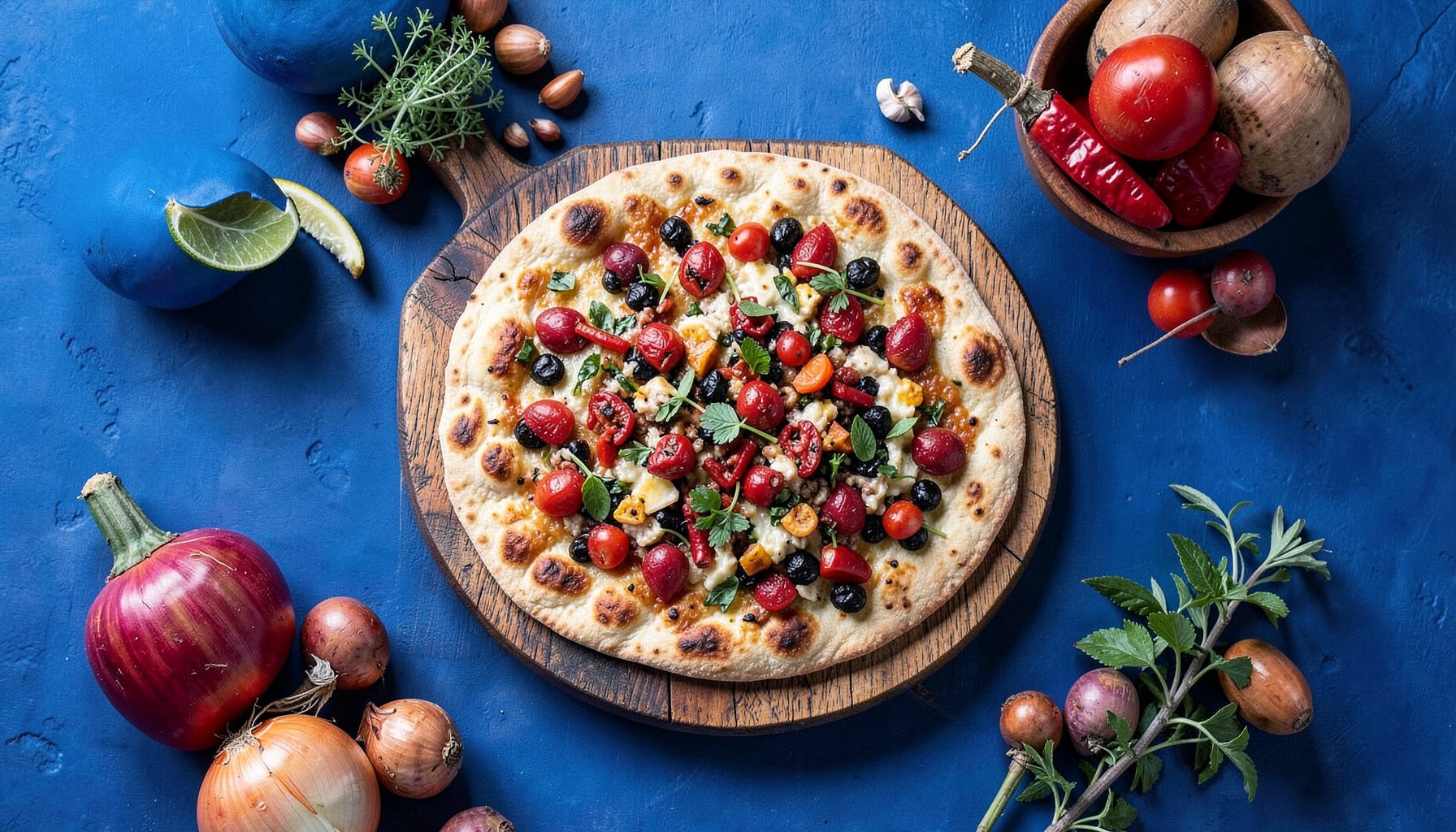
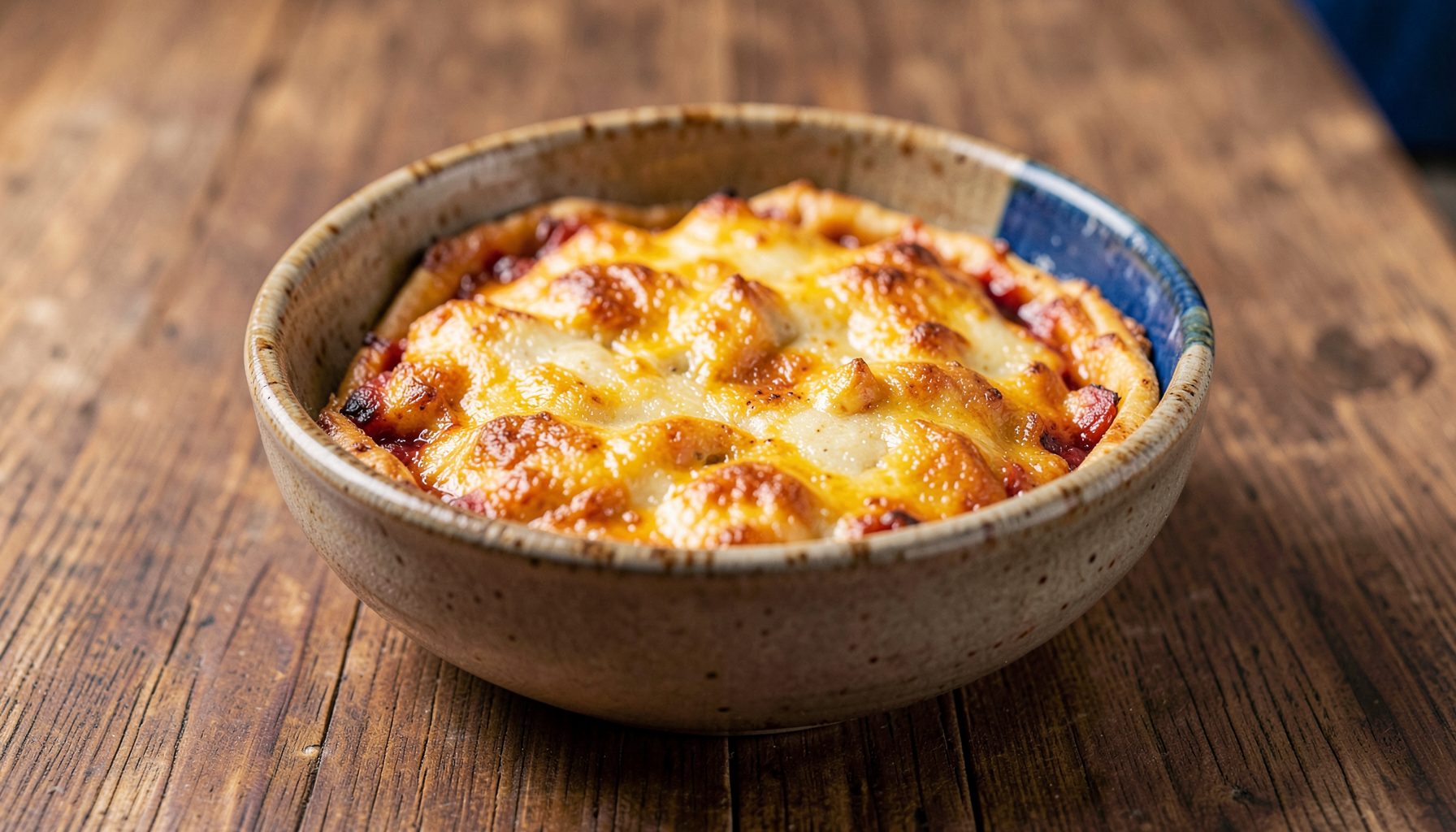
Ancient Recipes
From Bollito alla Erodoto to Spada al fico, each recipe draws on historical texts and archaeological findings to recreate dishes from antiquity.
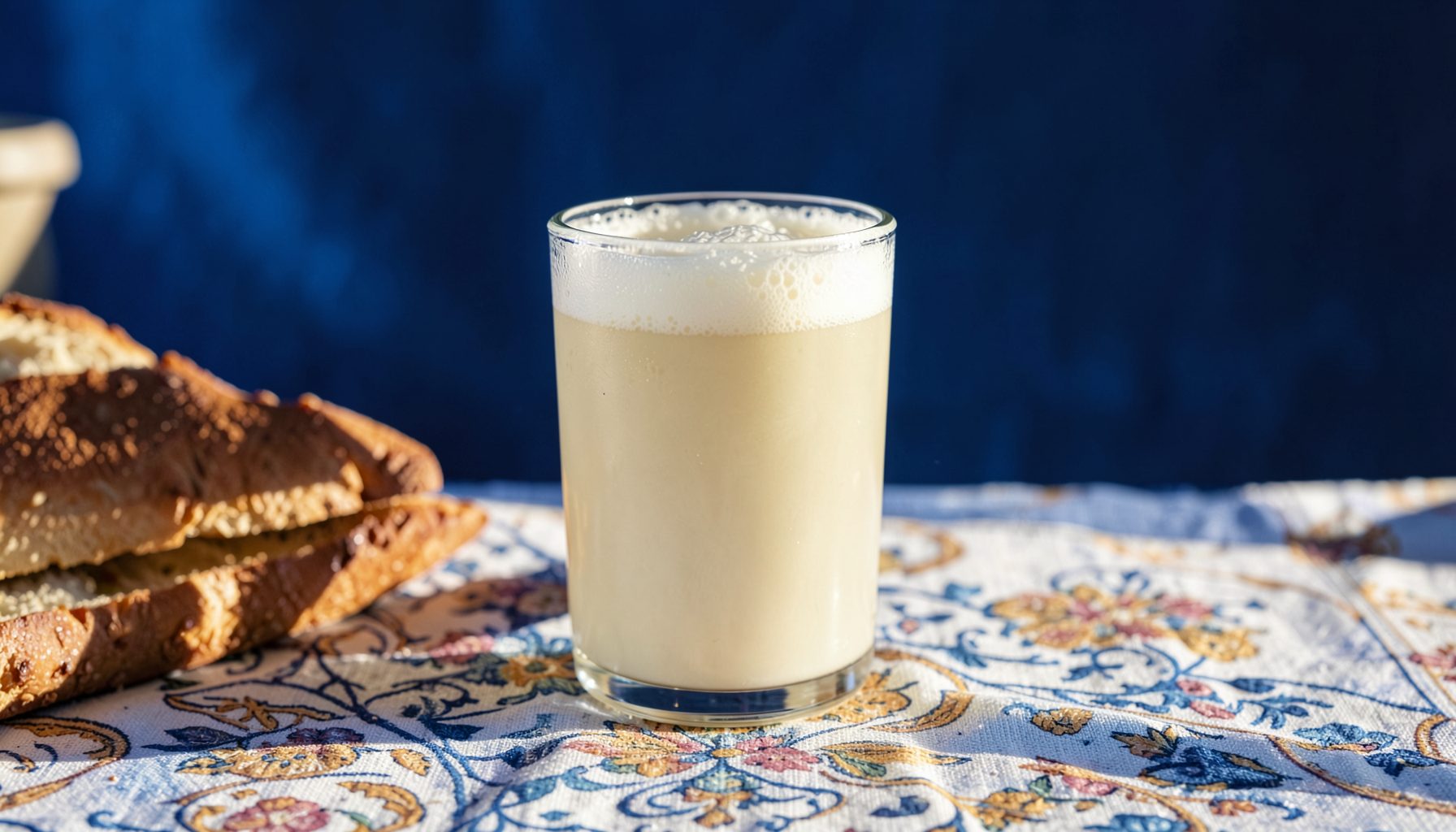
Talks & Tastings
Archeoricette organised guided tastings and conference talks, including a chickpea-flour journey from Assyria to Liguria and presentations of Gerusalemme: L'Ultima Cena.