

Books & Publications
Exploring the archaeology of cuisine through research, experimentation, and storytelling — from ancient Mesopotamia to the Roman table.
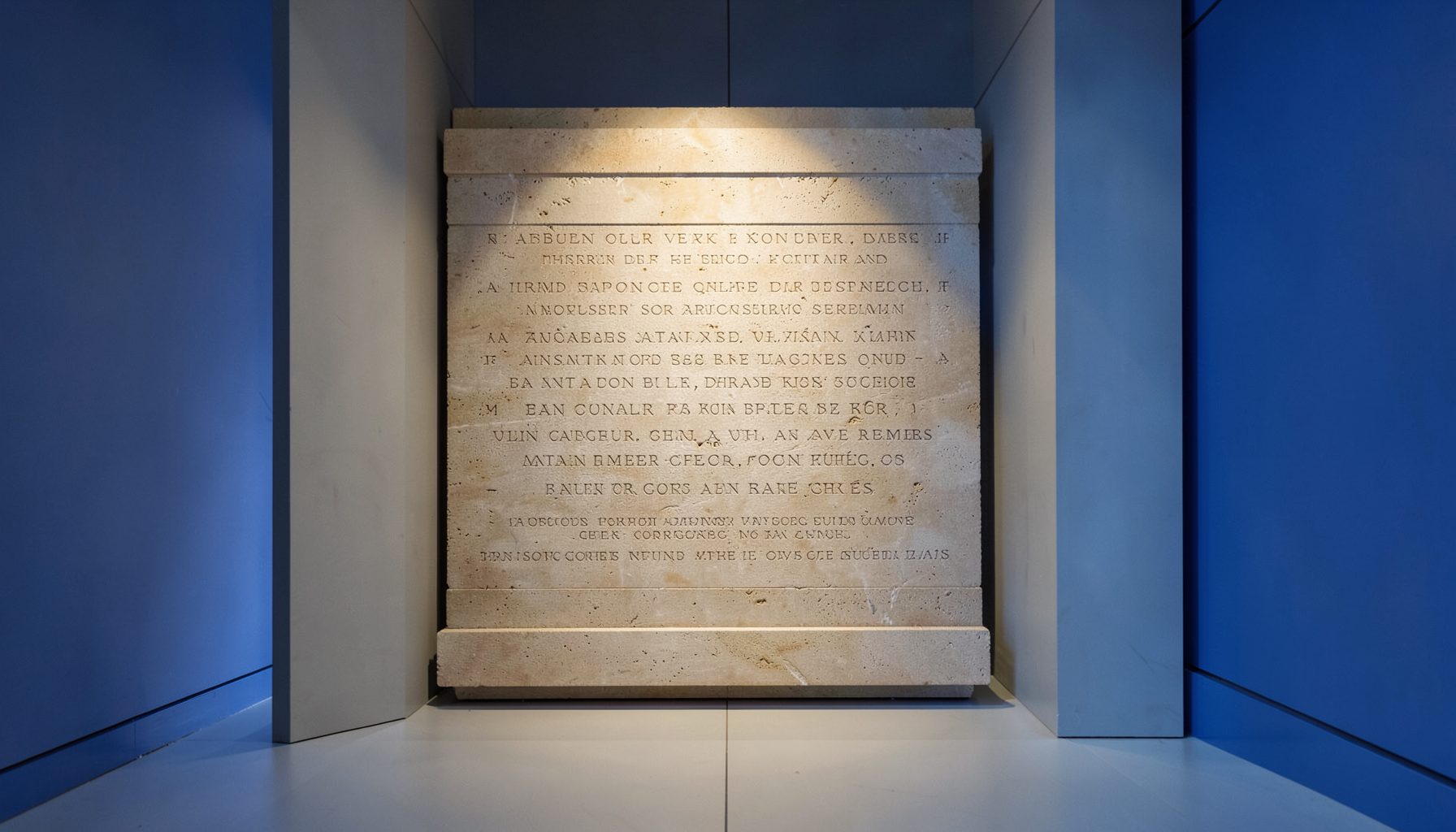
Archeoricette
The foundational ebook by Generoso Urciuoli that brings together historical research and culinary experimentation. A journey through the foods and recipes of antiquity, drawing on archaeological sources and ancient texts to reconstruct dishes from Mesopotamian, Greek, and Roman traditions.
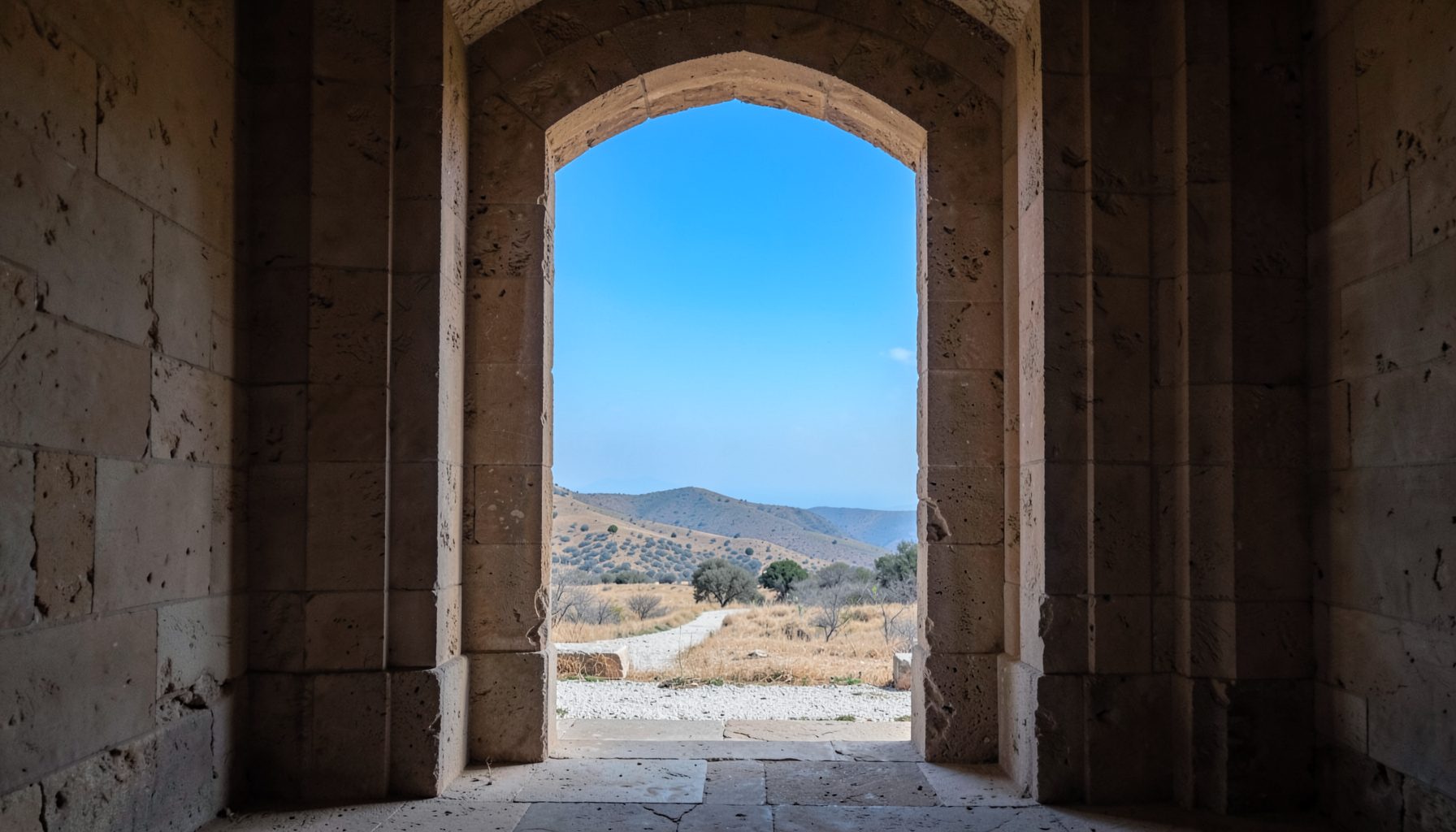
Gerusalemme: L'Ultima Cena
An in-depth investigation into the menu of the Last Supper, examining the historical and archaeological context of the foods that may have been served. Presented at multiple venues across Italy in 2015, including Libreria ArcheoBooks in Milan, Libreria Offline in Rome, and Libreria Irnerio in Bologna.
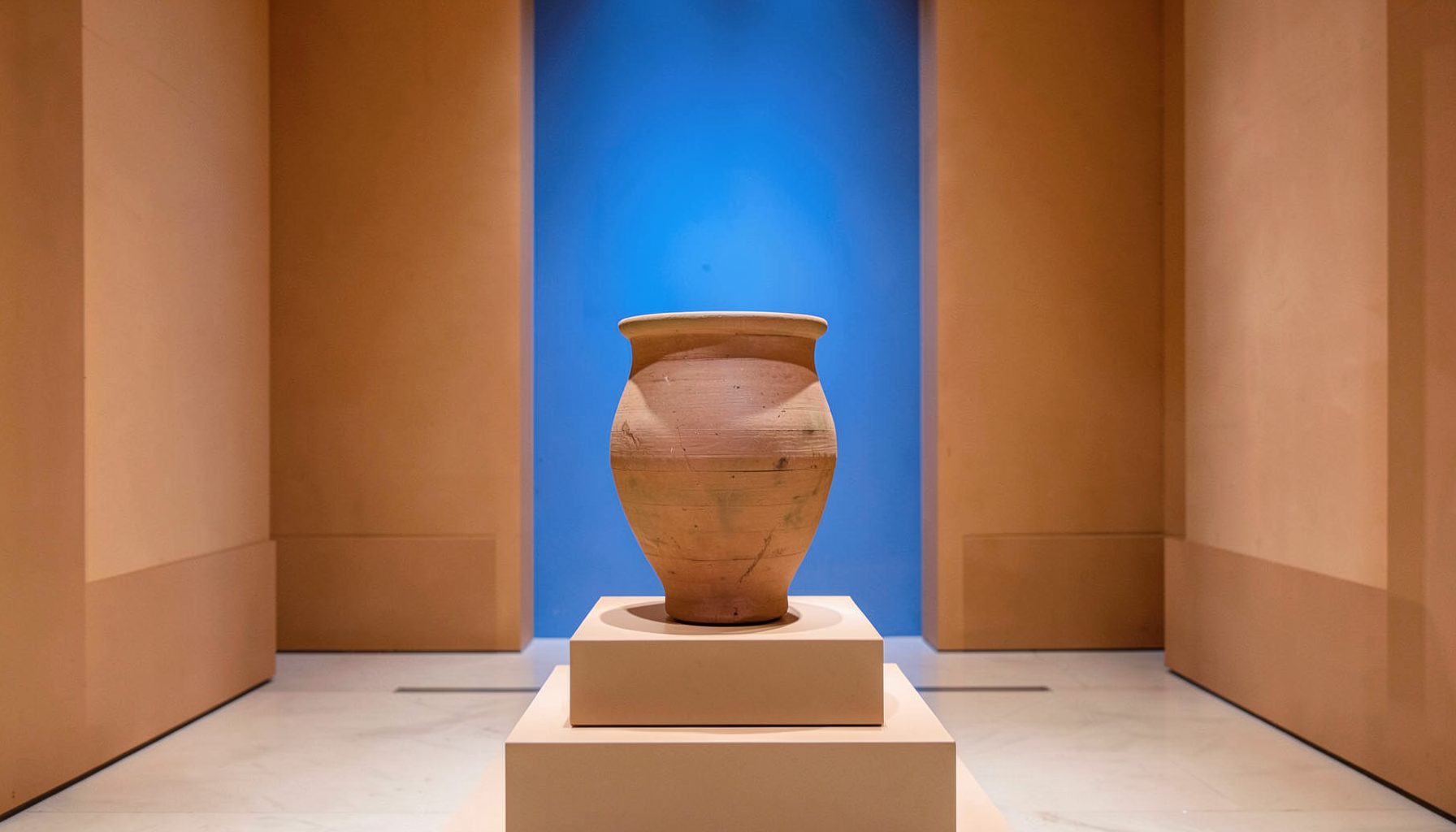
Piramidi e Pentole
An additional title exploring the intersection of food and archaeology, referenced within the Archeoricette project. Further details on this work can be found in the site's bibliography.
From the Author
Generoso Urciuoli's publications sit at the crossroads of archaeology and gastronomy. Each work draws on primary historical sources — from cuneiform tablets to classical texts — and translates them into accessible narratives and reconstructed recipes. The books are intended for anyone curious about what people ate thousands of years ago and how those foodways shaped culture, ritual, and daily life.
The Archeoricette ebook and Gerusalemme: L'Ultima Cena were both published during the project's active period (2013–2015) and reflect years of research into ancient culinary traditions across the Mediterranean and Near East.
The archaeology of cuisine offers a remarkable window into how people lived, cooked, and gathered around the table across the ancient world. From the fertile plains of Mesopotamia to the bustling markets of Rome, food was never merely sustenance — it was ritual, identity, and memory. By studying clay tablets, kitchen vessels, and the residues left behind in cooking pots, researchers can begin to reconstruct not just what was eaten, but how meals were prepared, shared, and celebrated. This intersection of history, archaeology, and gastronomy reveals that our modern fascination with dining has deep and fascinating roots.
The philosophy behind this work is simple yet profound: the past is best understood through the senses. Experimenting with ancient techniques, ingredients, and methods allows a connection that dry historical records alone cannot provide. Recreating a dish mentioned in a classical text or hinted at in an excavated hearth becomes an act of living history, one that bridges millennia in a single taste. This hands-on approach transforms scholarly research into something tangible, approachable, and deeply human, inviting readers to experience antiquity not as a distant relic but as a vivid, flavorful reality.
For those drawn to creative ideas and inspiring design, the story of ancient food is also a story of ingenuity. Every grinding stone, bread oven, and storage jar reflects thoughtful problem-solving and a keen eye for what works. The same spirit of experimentation and refinement that drives contemporary kitchen design and modern living spaces echoes across the ages. Exploring these connections reminds us that good design, whether in a Roman triclinium or a contemporary dining room, is ultimately about creating warmth, hospitality, and a sense of belonging around the table.