How ancient Egyptian beer and bread paid workers at Deir el-Medina
Nestled against the cliffs of the Theban mountain range on the west bank of the Nile, a small settlement once hummed with the rhythms of one of the ancient world's most skilled labor forces. The artisans, scribes, and supervisors who carved and painted the royal tombs in the Valley of the Kings lived with their families in a tightly planned village now known as Deir el-Medina. For roughly five centuries during the New Kingdom, these workers received their compensation not in coin but in sacks of emmer wheat, loaves of bread, and jars of fermented brew handed out in carefully measured portions.
The arrangement was both a logistical necessity and a state-controlled system of welfare that quietly shaped daily life. Each month, accountants inscribed tallies on flakes of limestone and pottery sherds, documenting who received what and when. Modern researchers can therefore reconstruct with unusual precision how a craftsman supporting a household of six ate, drank, and occasionally went hungry, all thanks to the meticulous record-keeping of scribes more than three thousand years ago.
The community of royal tomb builders
Deir el-Medina sat about halfway between the cultivated floodplain and the desert necropolis where the pharaohs were entombed. Roughly seventy to one hundred workers moved through the village at any given time, each housed in a small rectangular dwelling of mudbrick, often with a courtyard, a flat roof, and a chapel niche for domestic gods. Their families, servants, and apprentices swelled the population during peak seasons, when the men descended into the limestone to chisel corridors, chambers, and elaborate funerary imagery.
The men were organized into two crews, each named after its foreman, and they alternated in shifts. Senior scribes, named foremen, and deputy overseers watched over progress, while the state supplied grain, firewood, oil, and finished food products through official channels. The arrangement kept workers on site, away from outside distractions, and ensured that the secrets of royal burial architecture remained sealed. Still, life within the village could fall short: deliveries were sometimes late, and when the cupboard ran empty, complaints often turned into collective action.
Daily rations and the written records
Compensation flowed through the "Institute," a bureaucratic office staffed by royal treasury officials who allocated staple foods to teams and individuals. Workers received a baseline allotment that could be supplemented for special tasks or extended travel. Most famously, the lower-ranking team members are documented on ostraca as receiving two sacks of emmer and four jars of beer per month, while scribes and foremen received larger shares, sometimes including meat, vegetables, dates, and extra grain. A skilled artisan on a tomb-painting assignment might earn beyond the standard baseline.
A comparison of monthly allotments recovered in surviving ration lists shows the variation clearly:
| Rank | Emmer wheat | Beer jars | Bread loaves | Extras |
|---|---|---|---|---|
| Standard artisan | 2 sacks (~76 kg) | 4 | ~30 | Fish, dates |
| Deputy foreman | 2 sacks | 6 | ~45 | Olive oil, vegetables |
| Tomb scribe | 2.5 sacks | 6 | ~45 | Honey, roasted grain |
| Chief foreman | 3 sacks | 8 | ~60 | Additional meat, incense |
The numbers fluctuate across dynasties, but the hierarchy remains stable. The output of bread and beer was calculated to feed a household rather than a single worker, recognizing that wives, children, and elderly relatives all lived under the same roof. Children sometimes received smaller portions, recorded separately on dusty limestone scraps that have survived thousands of years in the desert's arid climate.
Brewing techniques for ancient beer
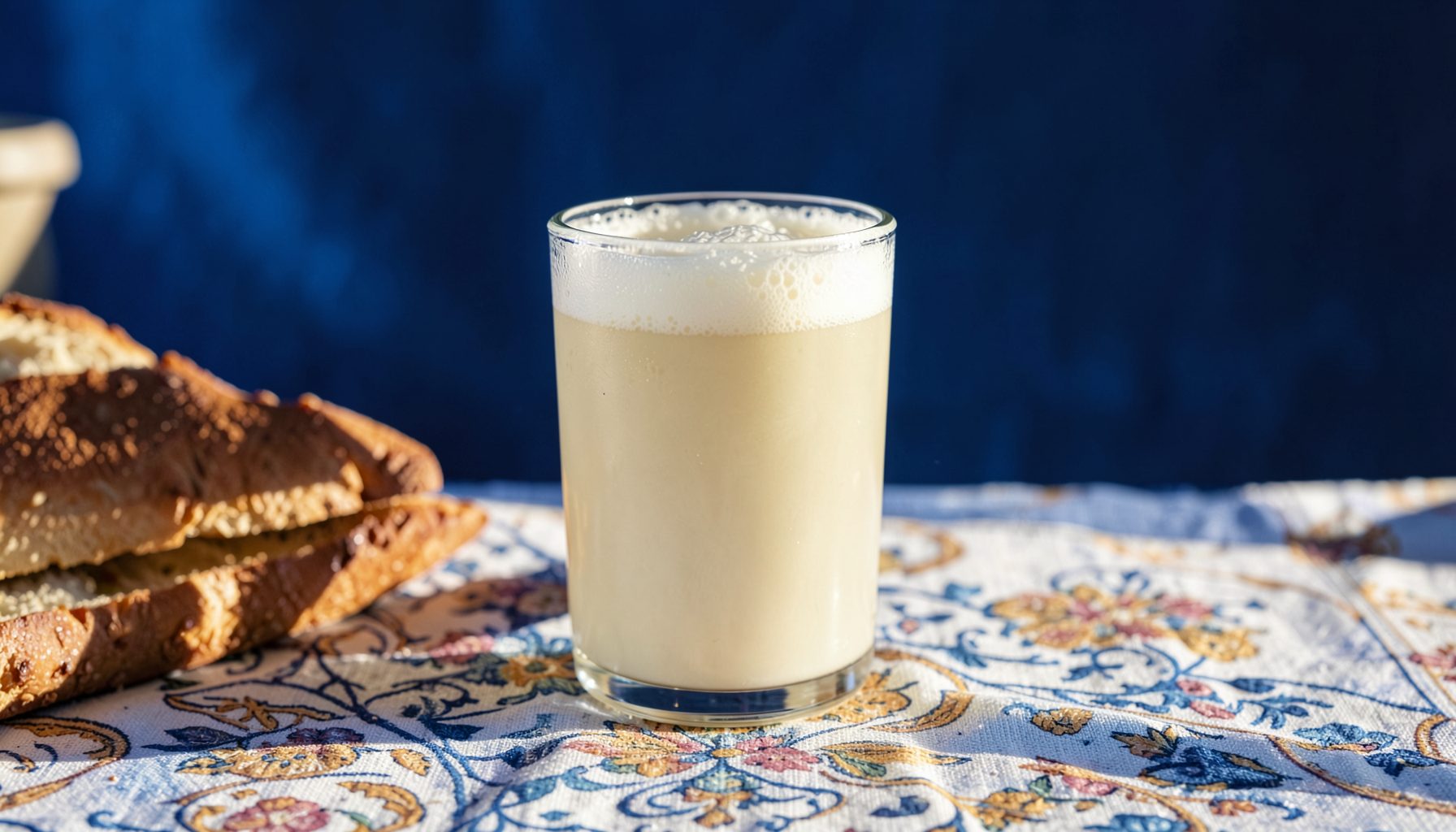
Egyptian bread and beer were made from the same foundation: emmer wheat or barley, partly germinated, then soaked, fermented, and strained. Workers at Deir el-Medina did not brew their own rations in the village; instead, the state contracted with official bakeries and breweries at the riverbank, often run by female workers from neighbouring settlements. The resulting beverages were dense, cloudy, and lightly alcoholic, closer to a thick gruel than to the clear gold found in a contemporary pub.
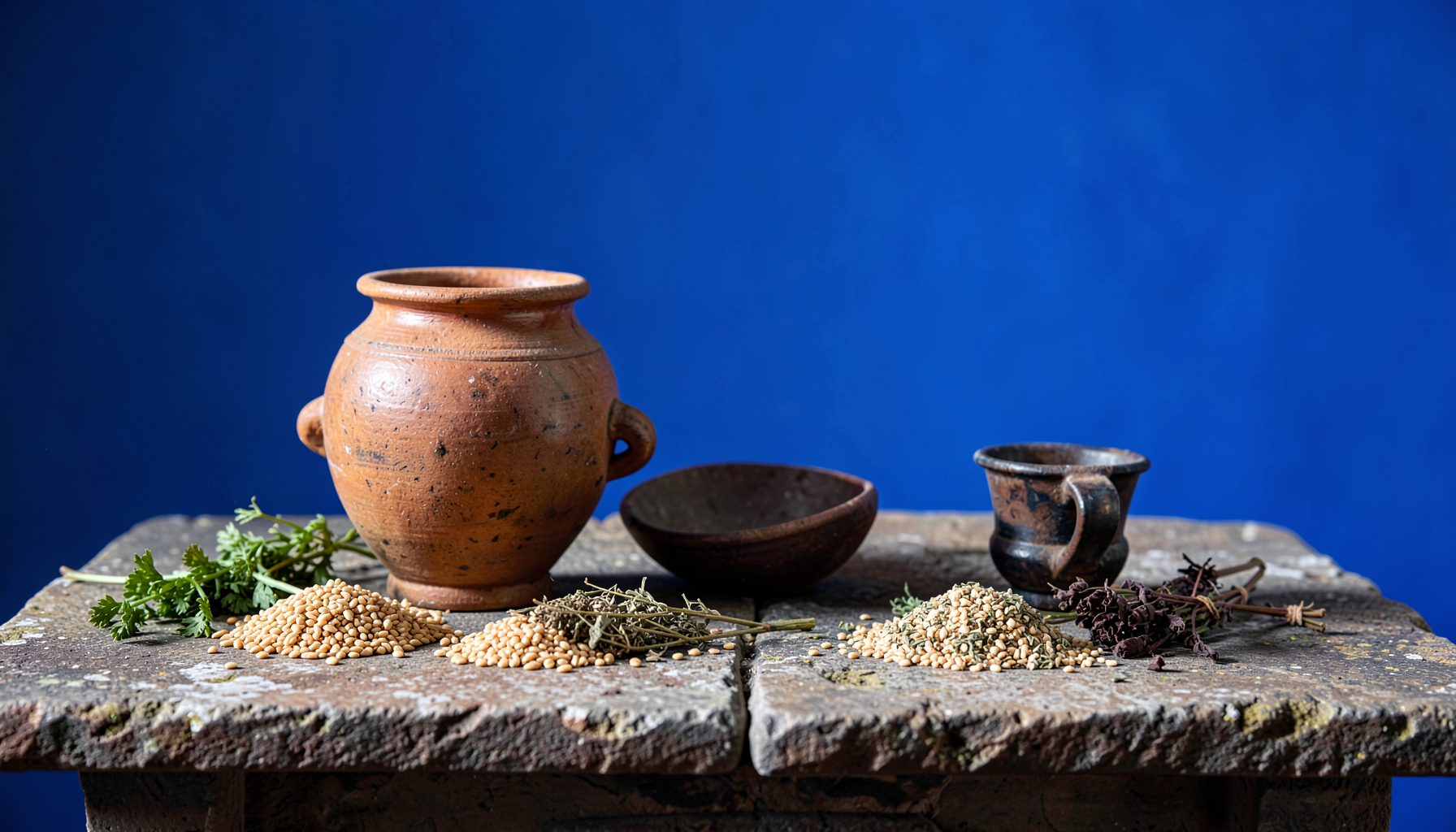
The brewing vat was a large ceramic pot, sometimes with residue still visible on inner walls in archaeological excavations. Malt grains and bread crumbs were mixed with water, mashed by hand and foot, then left to ferment with wild yeasts, sometimes with the addition of date syrup or honey. A single jar held around four litres, and the allotment of four to eight jars a month worked out as a fair proportion of an artisan's daily calorie requirement. On hot days in the desert, the mixture quenched thirst while delivering nutrients from the suspended solids.
Compared to the chilled pale ales Australians enjoy at the colonial-era pubs of Hobart or in a Sunday session at a Sydney craft brewery, ancient rationed beer would taste yeasty, sour, and mildly sweet, more akin to a thick kvass or modern ginger beer in texture.
Bread on the ration lists
Bread came in many forms, and the type granted to a worker signalled the day of the month and the status of the household. Tallies on ostraca reveal at least forty named varieties: round loaves, tall moulded loaves, flat hearth cakes, and sweet spiced breads reserved for festival days. A single loaf often weighed well over a kilogram, baked in dome-shaped moulds that left a ridged pattern on the base.
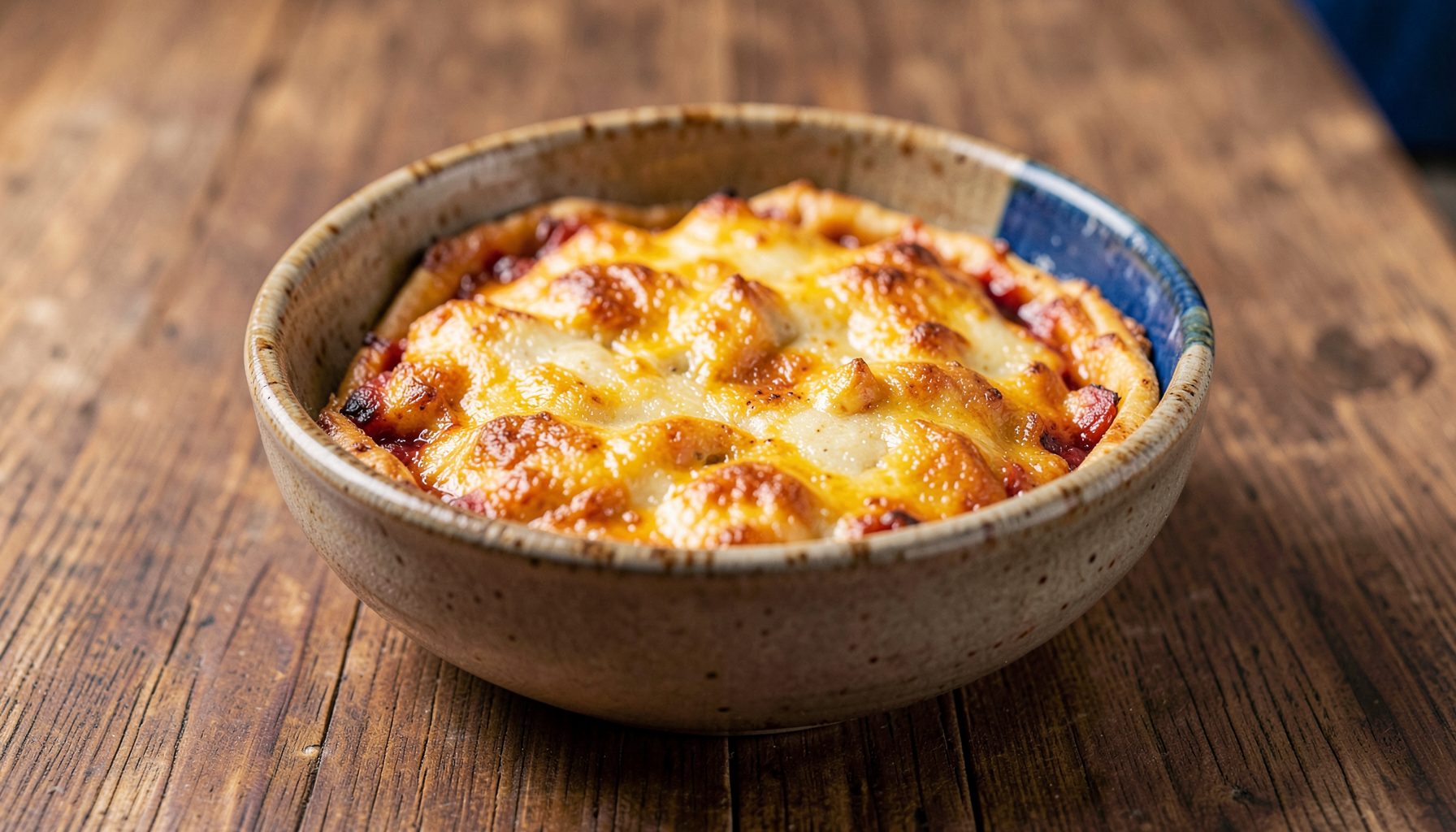
Baking happened at large institutional ovens outside the village. Dough was kneaded with feet, shaped by hand, and then slid onto hot clay floors or into ceramic moulds. Workers received their loaves by weight rather than by count, so a typical month's share might amount to thirty or more kilograms for a man of ordinary rank, while a foreman received a third more. When archaeologists excavated the village, they recovered charred bread fragments, complete with impressions of cereal grains, along with pollen studies that confirm the range of crops used.
The bread was not the airy sourdough Australians line up for at Melbourne's Queen Victoria Market or the buskers at Adelaide Central Market, but a dense, hearty staple that could sit for days without spoiling. It was portable, nourishing, and easy to share among family members of different ages.
Strikes, shortages, and the limits of state welfare
The ration system worked well when deliveries arrived on time, but the Theban bureaucracy sometimes faltered. In the twenty-ninth year of Ramesses III, payments stalled for weeks, and the workers walked off the job in what may be the earliest recorded strike in history. They marched to the mortuary temple of a reigning pharaoh and confronted the local official, an incident preserved on a papyrus in the Turin Museum.
The records show that the men demanded their rightful share of grain and threatened to expose royal tombs if the treasury continued to withhold payment. They also complained about the poor quality of the bread delivered that month, accusing the bakers of mixing sand into the dough. The strike ended with promises of back payment and reaffirmed reliance on rations for the next generation of craftsmen.
Similar complaints appear multiple times in the surviving archive, suggesting that the village experienced recurring tensions similar to those familiar to any modern household juggling rent, wages, and grocery bills. From a contemporary Australian perspective, the workers' grievances echo concerns raised in the halls of Brisbane's Trades Hall or at union meetings in Newcastle, where late pay and substandard supplies have long been sticking points for organised labour.
What the archaeology confirms at Deir el-Medina
Excavations led by Bernard Bruyère in the early twentieth century uncovered the village layout, a small temple, and the tombs of many workers and their families. The nearby rubbish dumps yielded thousands of inscribed fragments that supported the textual evidence: jar dockets, ration lists, and letters penned by everyday villagers. Modern residue analysis has even detected traces of barley, wheat, and yeast on broken pottery, allowing researchers to check which vessels once contained beer.
The Australian Centre for Egyptology at Macquarie University has contributed to excavation seasons, and Australian Museum collections in Sydney include artefacts traced to the area. Analysts at the Australian National University in Canberra have helped refine isotope analysis on grain samples from storage pits. The combined evidence paints a vivid portrait of daily life in a workers' village, where the rhythm of bread production and beer distribution dictated the pace of monumental construction that powered pharaonic belief in eternal life.
Echoes in modern kitchens and pantries
The model of paying labourers with food products sounds unusual to modern Australians used to direct deposit into a bank account and an EFTPOS card for the weekly Coles shop. Yet the underlying logic still operates in many sectors, from kitchen hands fed on shift to army cooks, prisoners, and even crew on long-haul ships. The basic insight is the same: when producing cooked food is cheaper than delivering cash wages, and when oversight of what workers consume aligns with institutional goals, payment in kind makes sense.
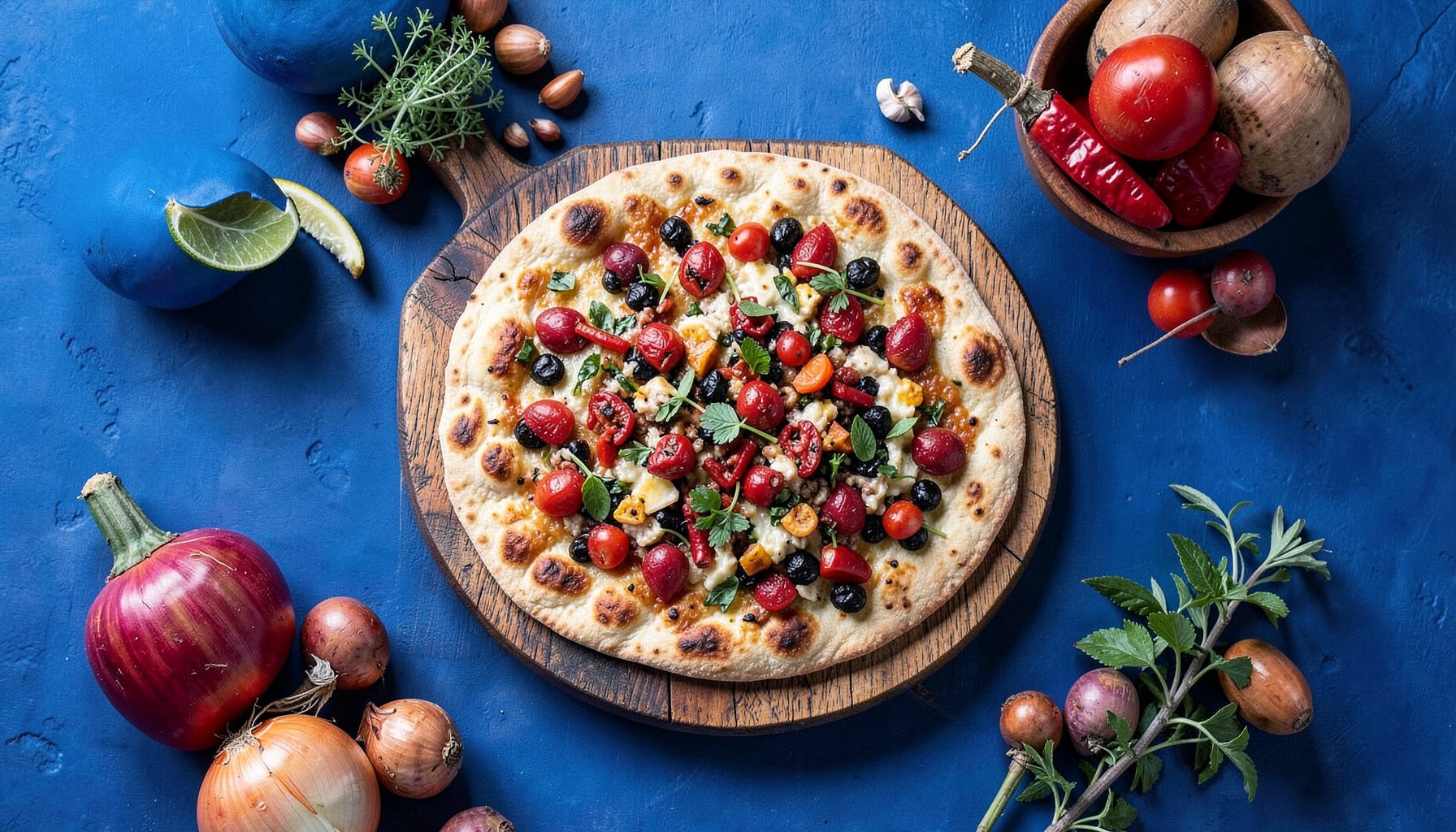
Modern experimental archaeologists and food historians have begun to reconstruct the recipes, offering readers a chance to taste them. Recipes for ancient Egyptian bread and beer have been adapted and adapted again, much as the original bakers adjusted their loaves to seasonal grain. Those who want to compare ancient techniques with other classical traditions can explore nearby culinary experiments, such as recreating an ancient Greek fava bean puree with herbs alongside emmer loaves and date-sweetened ale.
Anyone exploring ancient Egyptian cooking today should pause to read the site's legal guidelines before republishing recipes or photographs. Readers curious about food from Sumer to Rome are invited to browse the full collection at Archeoricette, where the daily details of life at Deir el-Medina serve as a vivid example of how closely woven together were bread, beer, labour, and ritual in the ancient world.