Greek Gymnasion Diets: Barley Bread, Cheese, and Dried Fish
The Greek gymnasion, more than a place of athletic exercise, functioned as a total institution where young men trained their bodies and minds under the disciplined supervision of trainers, philosophers, and senior athletes. Across city-states from Athens to Thebes, food was not merely sustenance but a regulated practice woven into daily routines. The diet was austere, grounded in cereals, dairy, and fish, and famously reluctant to indulge the belly beyond what training demanded.
Historians often contrast the gymnasion fare with the lavish symposium meals of wealthy households, but the contrast was deliberate. Greek thinkers believed that bodily excellence flowed directly from what one consumed, and the regimens recorded by physicians and philosophers show a clear preference for simple, portable, protein-rich staples. Modern readers who have toured restoration projects across Mediterranean countries often remark on how ancient training grounds still echo with the discipline of those meals.
The information that follows draws on archaeological finds, fragmentary medical texts, and the reconstructions published on this research site, where experimental cooking has revived many of these ancient foods. Readers curious about how hierarchical food systems worked in the Roman kitchen can consult Roman kitchen slaves and cooking hierarchies for a parallel case, since Greek and Roman dietary thinking often overlapped in surprising ways.
In Australia, where interest in Mediterranean and ancient foodways has grown alongside the sourdough and heirloom-grain movements in Melbourne and Sydney, these ancient regimens feel surprisingly current. Suburban food co-ops in Brunswick and Newtown, weekend stallholders at the Queen Victoria Market, and Greek delis along Lonsdale Street and King Street all stock the kind of tucker an Athenian ephebe would have recognised.
Life Inside the Ancient Gymnasion
The gymnasion was a public space, often shaded by plane trees and supplied with water from nearby springs or fountains. Athletes, or "gymnasts," spent entire days there, training in wrestling, running, the pankration, and the throwing of the discus and javelin. Their meals were taken in nearby rooms or carried in small leather pouches, and a trainer known as the paidotribes watched over both exercise and nourishment.
The daily rhythm rarely varied. After dawn exercises, athletes broke their fast with bread and figs. Midday brought another round of bread, with cheese or dried fish, washed down with diluted wine or, more often, plain water. Evening meals were similarly modest, with no expectation of meat unless a religious festival interrupted the routine. The most common food, mentioned by nearly every source from Xenophon to Philostratus, was barley bread formed into a thick cake called maza, eaten with olives, cheese, or a smear of fish paste.
The Humble Glory of Barley Bread
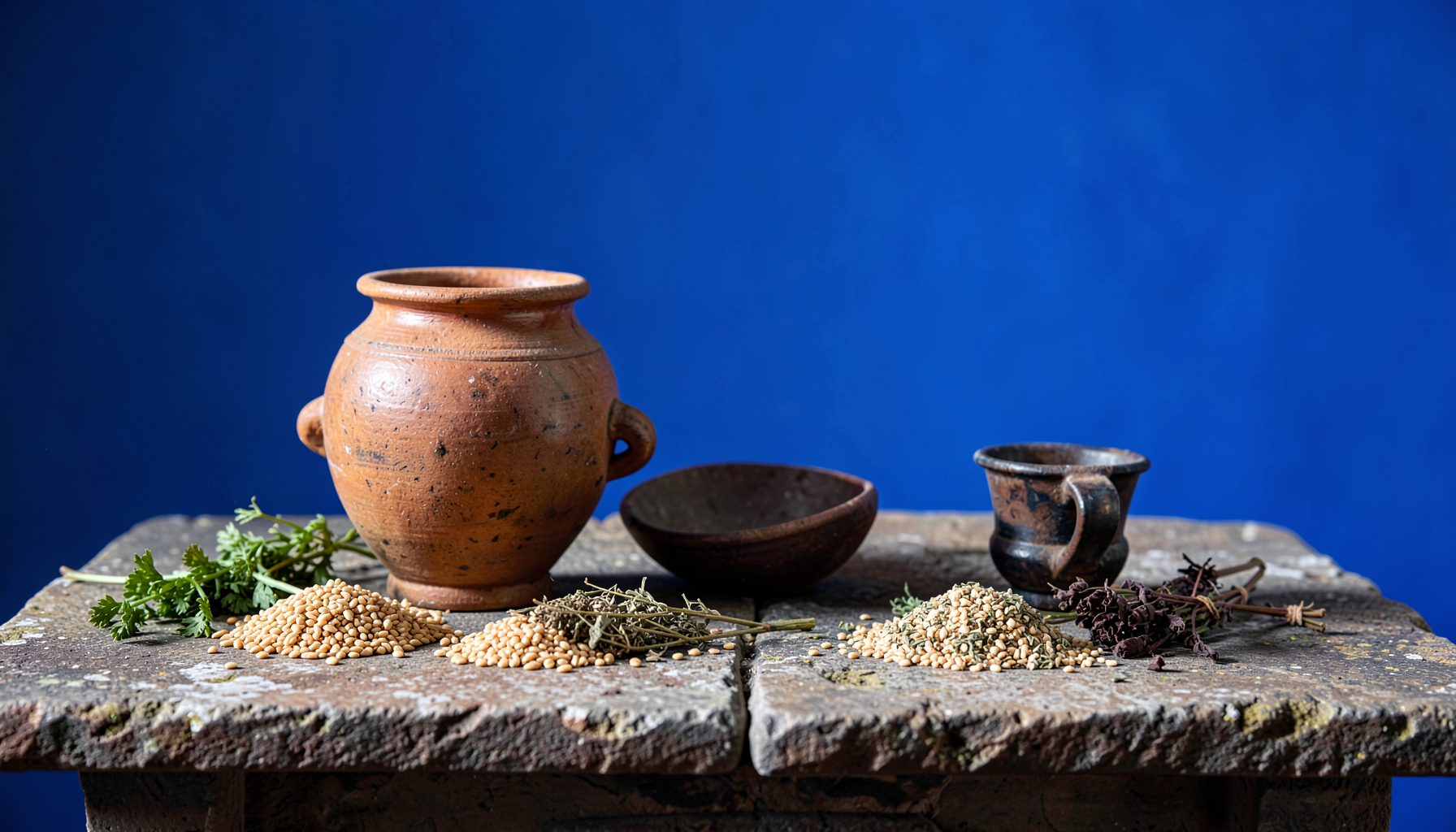
Barley was the grain of choice across much of mainland Greece, partly because it tolerated poor soils better than wheat and partly because it produced a bread that did not spoil quickly. The loaf was made by soaking barley grains overnight, then pounding them into a coarse meal mixed with water, formed into a cake, and baked on a flat stone or under embers.
The result was a loaf that modern tasters often compare to dense sourdough or to the rough-textured rye breads of Northern Europe. Its taste was earthy and slightly bitter, with a chew that required serious jaw work, which the Greeks themselves counted as a form of exercise. Galen wrote approvingly of its effect on the bowels, a quality that mattered to athletes who could not afford digestive weakness during competition.
For home bakers in Adelaide or Brisbane, where heirloom grains have become fashionable, recreating maza is a satisfying challenge. Using Australian-grown barley from the Wimmera or the Darling Downs, paired with a sourdough culture, produces a loaf that captures something of the ancient flavour while fitting comfortably into a contemporary kitchen routine.
Cheese, Olives, and the Pastoral Tradition
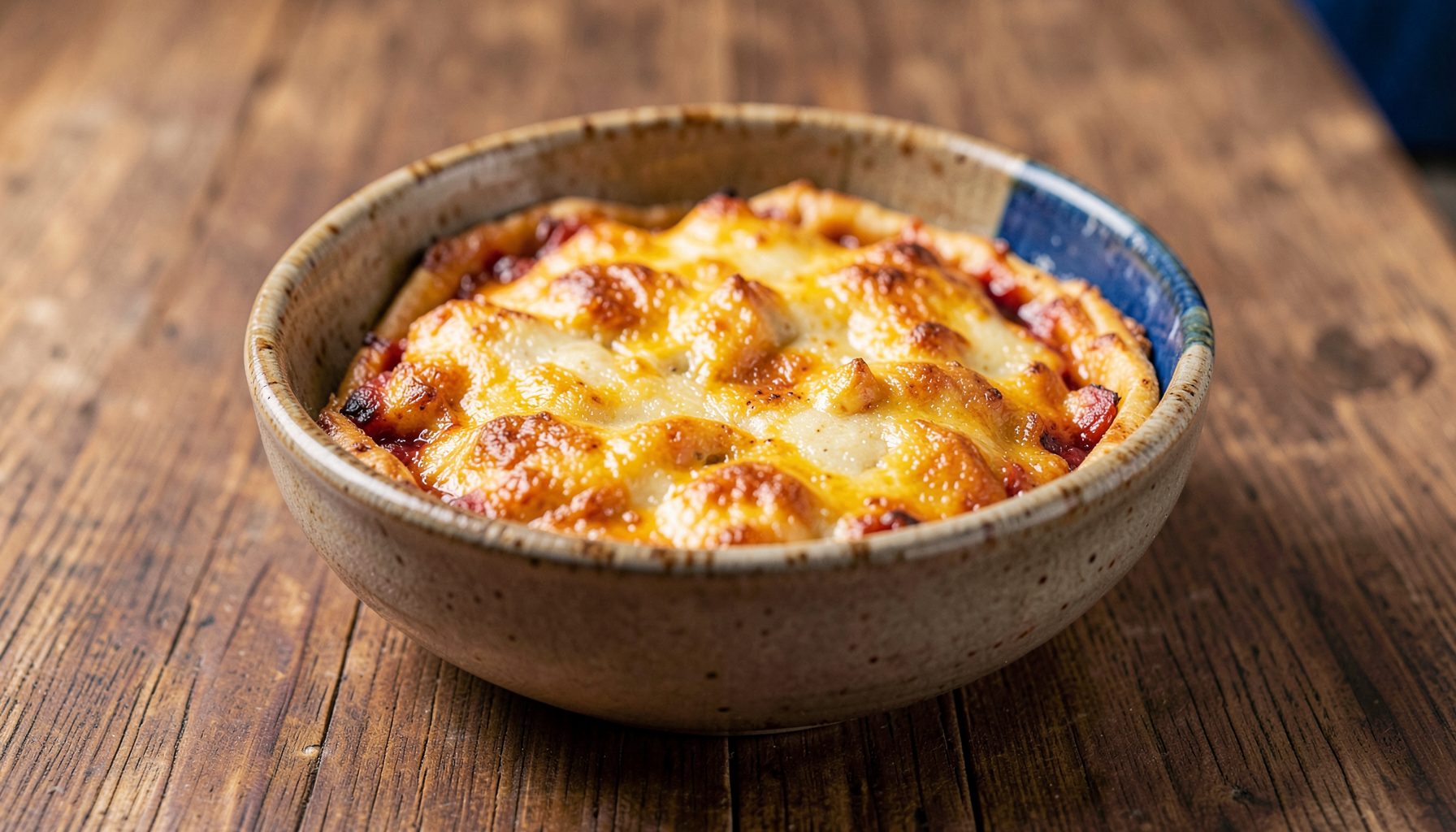
Cheese appeared in nearly every documented gymnasion meal, and Greek writers had strong opinions about its quality. Theophrastus noted that the cheese of Mytilene was especially prized, and recommended aged goat cheese for athletes because of its concentrated protein and lower moisture. Soft, fresh cheese was eaten with bread and a sprinkle of salt, while harder wheels were grated over dishes or sliced thin.
Olives accompanied almost every meal, providing fats, salt, and a satisfying bitterness. The olive trees that still dot the Greek countryside, many of them centuries old, produce fruit that can be eaten raw after brining or pressed into oil. In gymnasion practice, olive oil was also rubbed into the skin after exercise, both to clean the body and to soothe tired muscles.
Modern Australian cheesemakers in the Huon Valley, the Yarra Valley, and the Adelaide Hills produce fresh goat and sheep cheeses that share much with their ancient Greek counterparts. Pairing them with Kalamata olives from Greek delis in Sydney's inner west or Melbourne's Lonsdale Street creates a direct sensory bridge to the ancient table.
Dried Fish and the Mediterranean Protein Trade
Dried and salted fish, known collectively as tarichos, was the principal source of animal protein in the gymnasion diet. The species most commonly mentioned are small fish from the Aegean and the Black Sea, including mackerel, sardines, anchovies, and the famed tuna from the Hellespont. These were gutted, salted, and laid in the sun to dry, producing a hard, intensely flavoured food that could be stored for months.
Athletes ate dried fish directly, tearing pieces with their fingers and chewing them slowly alongside bread and cheese. When soaked in water or wine, the same fish softened into a paste that could be spread on bread. Some physicians recommended this preparation for older athletes whose teeth were no longer equal to the tough strips, while younger men were expected to manage the chew as another form of training.
The Mediterranean trade that brought dried fish to inland cities like Athens also carried other preserved goods, and the routes established by Phoenician and Greek merchants would later shape Roman and ultimately European cuisine. Curious readers can trace the parallel history of spice imports through pepper importation from India, which followed similar maritime paths centuries later.
Wine, Water, and the Question of Hydration
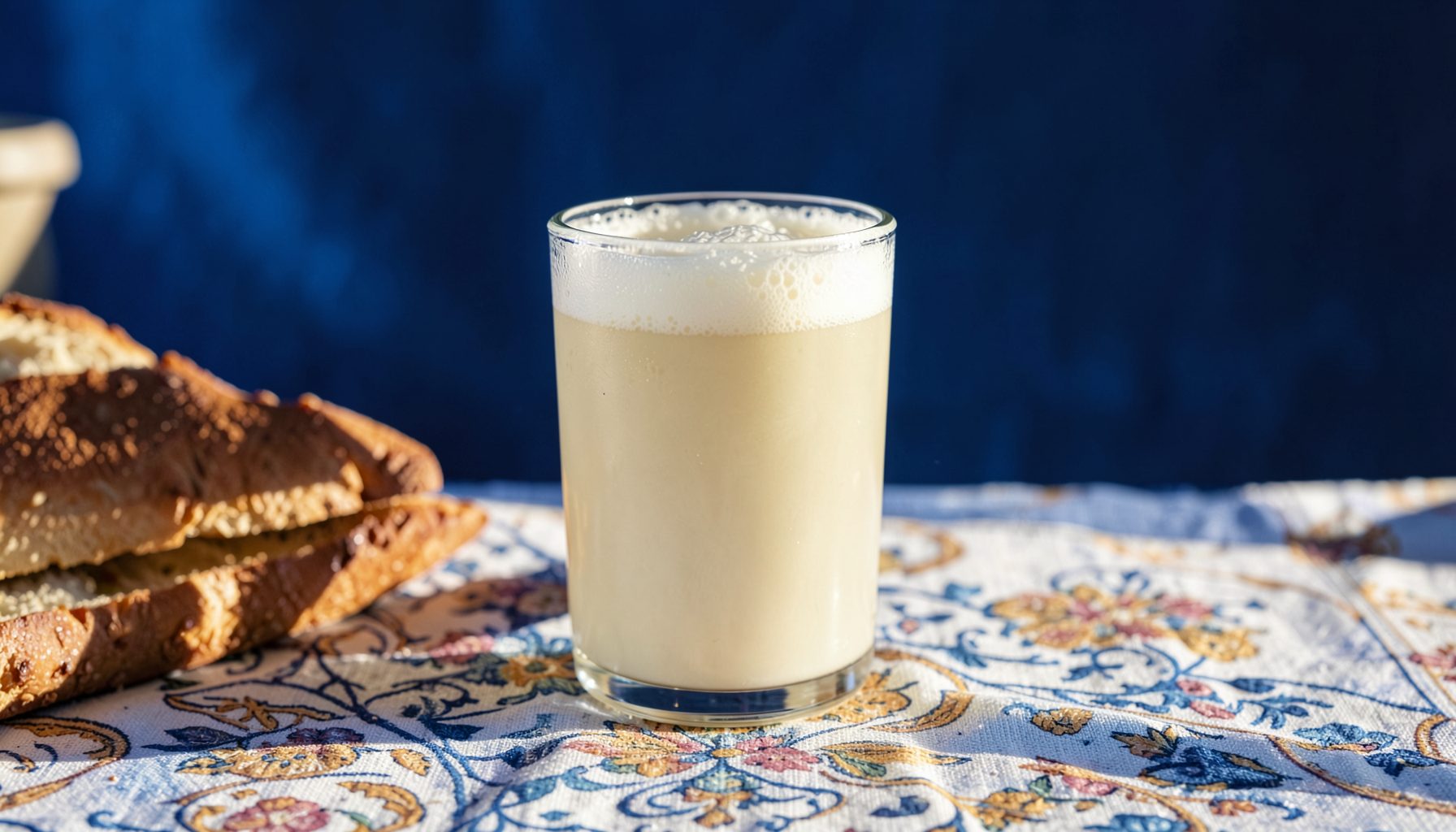
Greek athletes drank a beverage called kykeon, a mixture of water, barley, grated cheese, herbs, and sometimes wine. Homer's description of Nestor preparing kykeon for his weary guests became a kind of model for athletic refreshment, and the drink was common in the gymnasion because it combined hydration with nourishment in a single serving.
Pure wine was generally avoided during training, since it was thought to overheat the body and disturb judgment. When wine was consumed, it was mixed with two or three parts water in a krater, and the resulting mixture was sipped slowly. Plain water, often from a sacred spring or a public fountain, was the everyday drink, and Greek trainers believed that cold water helped the body recover from exertion.
For modern readers in Australia's hot interior, where summer training can be punishing, the ancient emphasis on temperate, well-timed hydration feels remarkably sound. The same logic that kept Athenian wrestlers away from strong drink applies today, whether one is training at a suburban pool in Parramatta or walking the trails of Kings Canyon after a long arvo.
Forbidden Bites and Dietary Taboos
Greek trainers maintained long lists of foods athletes were told to avoid. Heavy meats from beef and pork were suspect, as were rich sauces, sweets, and anything fried. The fear was not moral but practical: rich foods were thought to slow the body, dull the senses, and cause indigestion. Pythagorean communities went further, banning beans on the grounds that they contained souls, a belief that made lentils, broad beans, and chickpeas taboo in some circles.
Sweet pastries, honey cakes, and sweetened wine were reserved for celebrations rather than training days. Even ripe figs were eaten sparingly because of their laxative effect. Modern nutritionists might smile at the reasoning, but the underlying principle of eating light before exertion still shapes the diets of endurance athletes in Sydney's inner-city running clubs and along the board-riding stretches of Margaret River.
Athletes who broke the rules were easy to spot. Galen complained that young men who attended too many symposia arrived at training sluggish and overweight, lacking the lean muscle and clear gaze that trainers prized. The Greek word for this state of decline was, fittingly, the same word used for spoiled food.
Bringing Ancient Athenian Practice to Modern Tastes
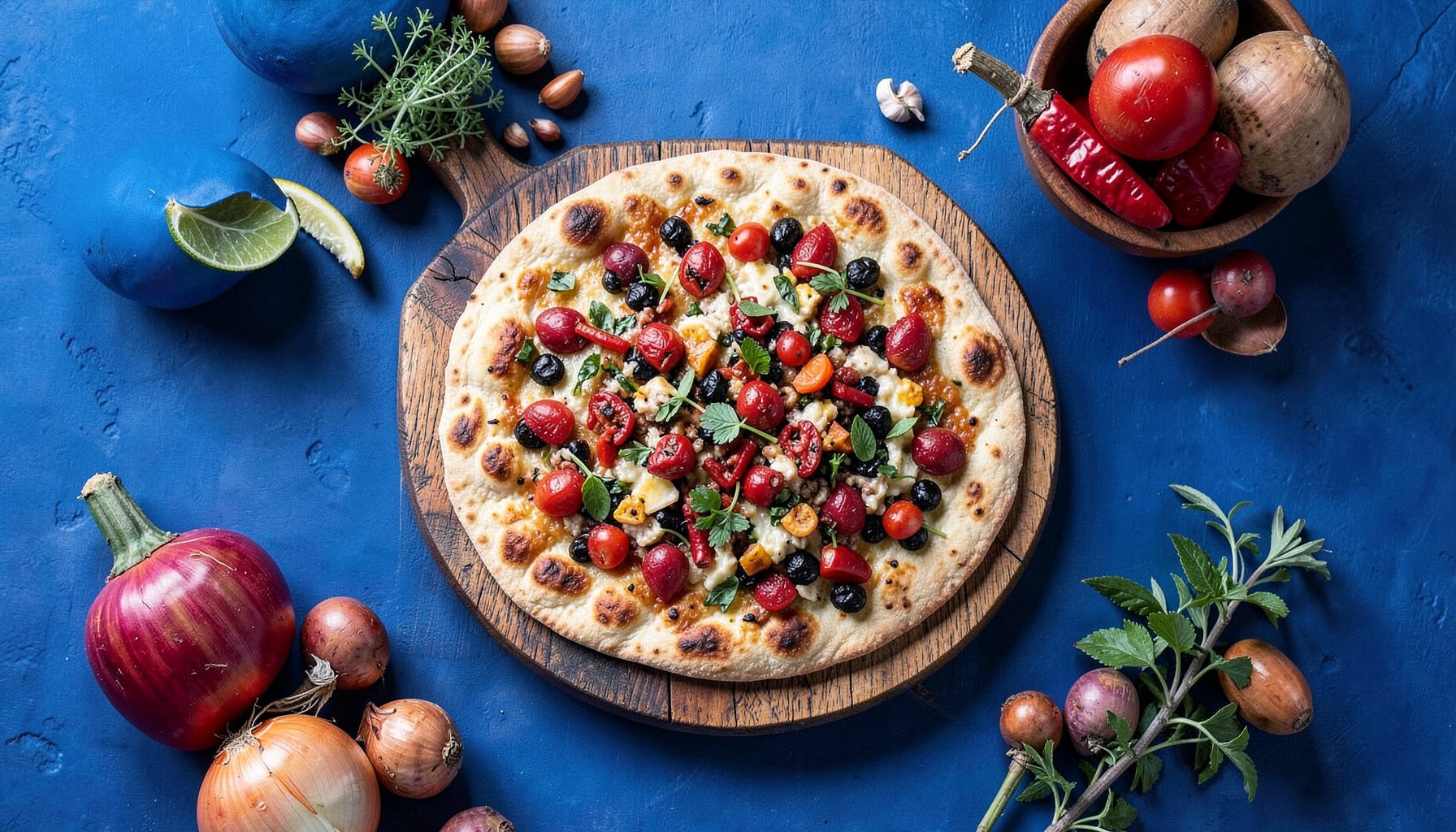
Modern cooks interested in these ancient regimens can begin with a simple maza, paired with a sharp aged cheese and a few oil-cured olives. A handful of dried fish, soaked briefly in water and lemon, completes a meal that a fourth-century Athenian wrestler would have recognised. The kitchen tools required are few: a stone mortar, a flat baking surface, and patience.
For those who wish to track their nutrition with the same rigour that ancient trainers demanded, modern digital tools and specialist culinary resources can help quantify what an ancient meal actually delivered. A small jar of preserved fish, a round of fresh goat cheese from a local farmers market, and a stack of barley cakes can transform a suburban kitchen into something resembling the old gymnasion refectory.
Whether you gather around a table in Fitzroy, North Adelaide, or Fremantle, the discipline of simple, well-sourced food paired with daily movement remains the heart of the ancient practice. Try one meal this week in the ancient style, share it with a mate, and note what shifts in your own energy and focus.