Sun-dried octopus and sea urchin dishes from the Greek islands
Greek island cooking has always drawn its character from the sea, with fishermen and home cooks transforming modest catches into slow-stored provisions that tasted of salt, sun, and stone. Across the Cyclades and the Dodecanese, two sea creatures became cornerstones of everyday fare: octopus, hung out on lines to dry under the relentless summer sun, and sea urchins, pried open and eaten within minutes of being pulled from the rocks. These were not delicacies reserved for special occasions; they were pantry staples, lunch counters, and taverna signatures rolled into one.
Australia's relationship with Greek food runs deep, shaped by waves of migration after the Second World War that reshaped suburbs from Brunswick to Oakleigh. Greek-Australians built cake shops, milk bars, and ouzeri that became neighbourhood institutions, and along the way they imported a taste for seafood that feels right at home on the Australian coast. Today, octopus shows up at Sydney Fish Market stalls, on charcoal grills from Fremantle to Geelong, and in slow-braised stews served at family tables across the country. Sun-dried octopus and fresh sea urchins sit comfortably inside that story, offering Australian cooks a chance to reach back to Aegean tradition while working with ingredients that arrive on our shores daily.
The recipes gathered here trace the island practice of stretching a catch through preservation, then pairing it with the bright, briny pop of sea urchin roe. They work in an Australian kitchen because the seasons, roughly inverted from those in Greece, still give us long sunny afternoons to hang an octopus, and reliable access to both fresh and frozen cephalopods year-round.
Ancient Aegean roots of the daily catch
Octopus appears on pottery fragments from the Minoan period, where artists rendered the writhing arms of the creature alongside fishing nets and dolphin hunts. The Greek poet Homer mentioned octopus drying in the open air, and later writers such as Athenaeus catalogued a wide vocabulary of names for different sizes and preparations. Islanders along the Aegean developed drying racks called klimata, wooden frames angled toward the prevailing wind where cleaned octopuses were spread skin-side-up and beaten repeatedly against the rock to break down the fibres. The result was a tender, deeply flavoured protein that could be stored for months in cloth sacks.
Sea urchins carry their own history. The Greek word echinos referred both to the spiny creature and to the cup of a chrysanthemum, a small reminder that ancient cooks noticed shapes long before they pinned them down scientifically. Aristotle described urchins in his History of Animals, noting their seasonal fattening and the way their roe — the orange or yellow mass diners prize today — swelled during the colder months. Islanders ate them raw with a squeeze of lemon, folded them into omelettes, or tossed them with pasta dressed only in olive oil and sea salt.
How the sun does the work
The technique of drying octopus under the Mediterranean sun depends on three things: relentless heat, dry wind, and the patience of the cook. The octopus is cleaned, the beak and internal organs removed, and the head turned inside out to expose the white flesh. After a thorough rinse in seawater, the body is patted dry and hung over a taut line or laid across a slatted wooden frame, where the sun does the rest. Islanders sometimes leave the octopus out for two or three days, bringing it indoors at night to avoid the dew, then hanging it again at dawn.
This is where the Australian kitchen finds its rhythm. From December through February, much of the country bakes under skies that rarely cloud over. A back verandah in Adelaide or a north-facing balcony in Brisbane offers the same punishing glare that the Cycladic summer delivers. Cooks who lack a suitable outdoor space can replicate the process in a low oven set at sixty degrees, leaving the door slightly ajar so moisture can escape. The goal is not a brittle, jerky-like texture, but a tacky, semi-dried flesh that bends without snapping and intensifies in flavour as it loses water.
The drying step serves two practical purposes. It extends the shelf life of a catch that would otherwise spoil quickly in the heat, and it begins the tenderising work that finishes on the grill or in the pot. Greek cooks often bash the octopus against a stone before drying, a ritual still common in fishing villages around Kimolos and Sifnos. The mechanical pounding softens the muscle fibres and helps the salt penetrate more evenly.
Sea urchins from the Aegean to the Southern Ocean
In Greece, sea urchins are eaten the day they are gathered, sometimes while the fisher is still knee-deep in the water. They are split open with a quick, decisive cut, and the roe is scooped out with the edge of a spoon. The flavour is intensely oceanic, somewhere between briny custard and the scent of a cold wave breaking on a slate beach. A drizzle of good olive oil, a few drops of lemon, and a pinch of sea salt are the only embellishments.
Australian diners encounter sea urchins, locally known as sea eggs, mostly through the roe processed and sold as uni. Tasmania supplies much of the premium product, where cold waters yield a creamy, pale orange roe that commands high prices at the Sydney Fish Market and in high-end restaurants from Perth to Cairns. Fresh whole urchins are harder to source on the mainland, but specialist seafood suppliers and some Melbourne fishmongers in the Greek quarter stock them during the cooler months. For home cooks without access to live urchins, the prepared roe in small trays offers a faithful stand-in, though the texture and salinity will differ from a freshly cracked shell.
Bringing the recipes home
A traditional island-style sun-dried octopus dish starts by soaking the dried tentacles in cold water for several hours, sometimes overnight, until they soften and lose their tackiness. The cook then simmers them gently in a covered pot with a splash of red wine, a bay leaf, and a few peppercorns. Some recipes add potatoes, others finish the octopus with a splash of vinegar and a generous slick of olive oil. The flesh comes away from the tentacles in silky ribbons that catch the sauce and the heat of the pan.
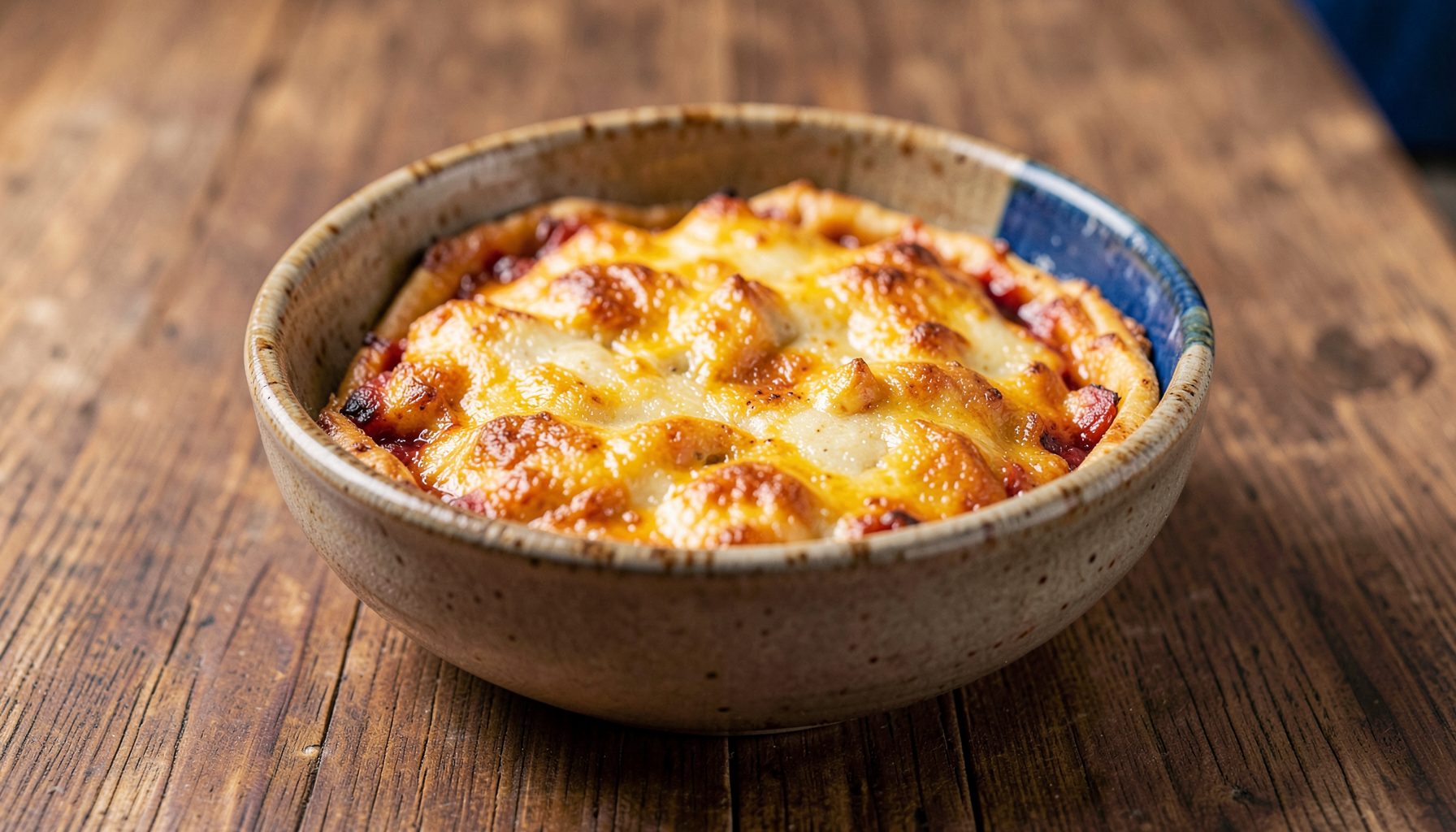
The sea urchin element arrives at the end. A handful of roe is folded into warm pasta with a glug of extra virgin olive oil, or spread across toasted sourdough and held under the grill for a minute. In Australia, sourdough has become the everyday canvas for this kind of preparation, whether the loaf comes from a Brunswick bakery or a suburban IGA in the Hills District. The trick is restraint: a teaspoon of roe delivers enough flavour to carry the dish, and too much overwhelms the bread.
An Australian cook working through these recipes should keep three things in mind. First, octopus varies wildly in tenderness depending on age, so a longer simmer rarely hurts. Second, sea urchin roe should be added at the very last moment, off the heat, to preserve its delicate texture. Third, sourcing matters: an octopus dried at home carries a flavour that no imported product matches, and a sea urchin eaten within hours of being cracked is a different creature from one shipped across the country. For cooks interested in the wider world of ancient provisioning, the Roman military food supplies and cooking gear examined at Archeoricette show how earlier empires kept their marching armies fed with similar dried and salted preparations.
Serving the meal in an Australian context
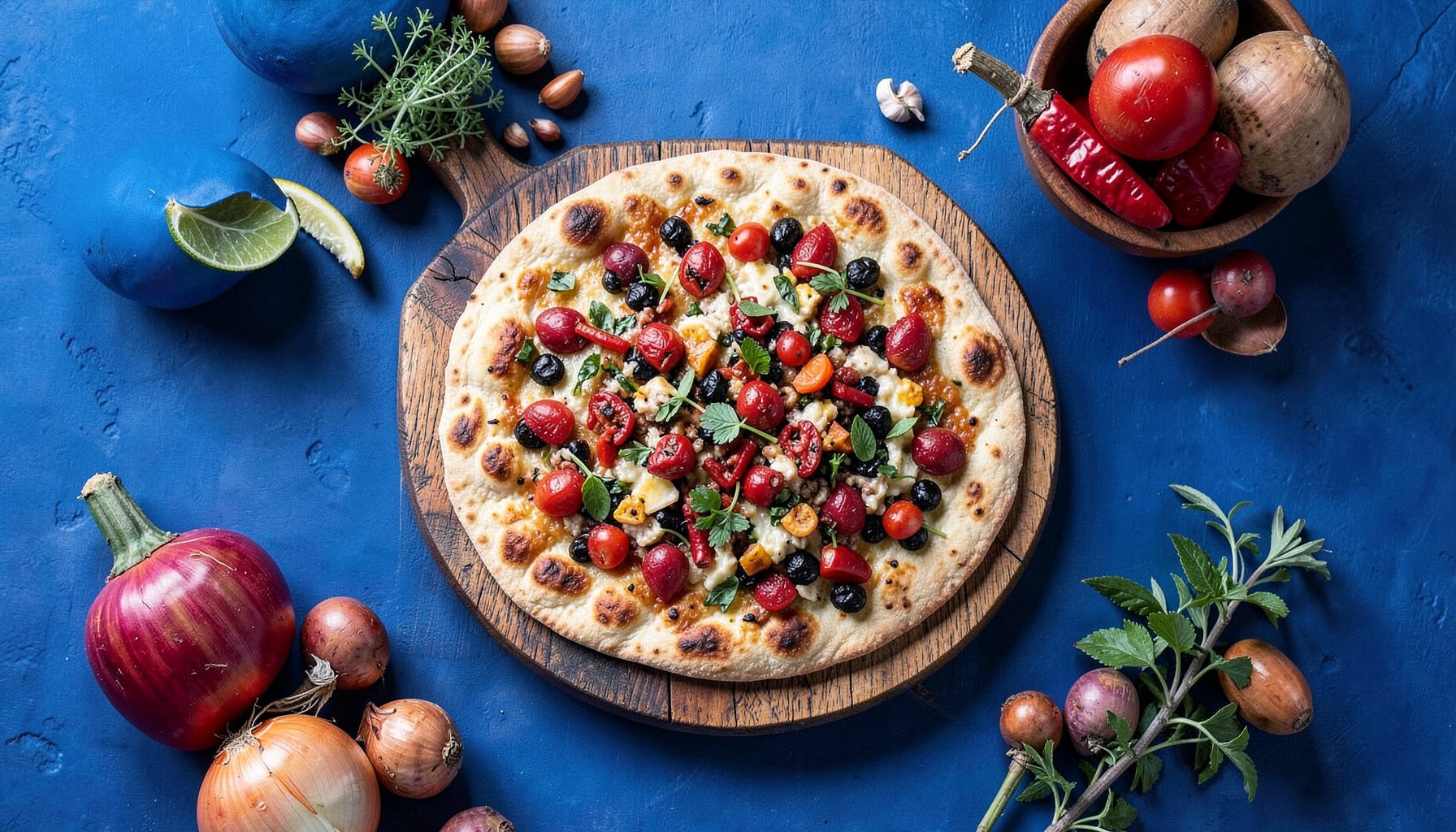
A summer arvo on the back patio, friends gathered around a timber table with the barbie smoking gently, fits naturally with these Aegean flavours. Serve the slow-cooked octopus in a wide shallow bowl, drizzled with olive oil and scattered with chopped parsley and a few capers. Alongside it, set out grilled sourdough rubbed with raw garlic and topped with sea urchin roe, lemon wedges, and a small dish of marinated anchovies for anyone who wants extra punch. A crisp Greek-style salad of tomato, cucumber, red onion, and oregano sharpens the palate between bites.
Wine pairing leans toward something dry and herbaceous: an Australian Assyrtiko, an Adelaide Hills sauvignon blanc, or a young Vermentino from a McLaren Vale producer. For non-drinkers, sparkling water with a slice of cucumber and a sprig of mint echoes the salinity of the dish without competing with it. The meal works as a long lunch that stretches into the evening, or as a share plate among four friends with a stack of napkins and no formal plan.
Cooks drawn to these methods often find themselves returning to the wider body of work at Archeoricette, where the project gathers recipes, archaeological notes, and experimental reconstructions from across the ancient Mediterranean. Try the sun-dried octopus with sea urchins this weekend, share the dishes with friends, and let the back verandah serve as a stand-in for a Cycladic terrace until the next trip to the islands comes around.