Greek Oxymel and the Ancient Tonic That Fuelled Marching Men
The Greek world produced a quiet but remarkably durable drink that combined two pantry staples — honey and vinegar — into a daily ration for soldiers on the move. Oxymel, literally "acid-honey" from the Greek oxys (sharp) and meli (honey), appears in medical texts, military manuals, and cookery fragments dating back to the fifth century BCE. Modern Australians who have wandered through the bustling stalls of Melbourne's Queen Victoria Market or sampled ferments at a Brisbane farmers' market might be surprised to learn that the bottle in their hand echoes a beverage once sipped by hoplites marching through Thrace.
Long before energy gels and electrolyte powders, Greek physicians including Hippocrates recommended oxymel for coughs, fatigue, and digestive sluggishness. Soldiers drank it because it was cheap, shelf-stable, and easy to brew in a camp kettle. The combination was clever: vinegar acted as a natural preservative, honey delivered quick energy, and the mildly tart taste encouraged water intake during long marches. Today, the drink is enjoying a small revival among home fermenters in Adelaide, Hobart and Sydney's eastern suburbs, who treat it as a functional everyday tonic rather than a museum piece.
Origins in Hippocratic Medicine and the Spartan March
The earliest written record of oxymel comes from the Hippocratic Corpus, a collection of medical treatises compiled between the fifth and fourth centuries BCE. Doctors prescribed it for pleurisy, fevers, and what we would now call upper respiratory infections. Xenophon, in his account of the March of the Ten Thousand, mentioned soldiers brewing sour drinks sweetened with honey to disguise the taste of stagnant water — a detail historians read as an early field-expedient version of oxymel.
Spartan training regimens, documented in texts like Xenophon's Constitution of the Lacedaemonians, emphasised endurance over comfort. Young recruits were given a diluted oxymel alongside their standard ration of black broth, a habit thought to settle the stomach during exhausting drills. The drink carried through Roman military practice too, where it informed the production of posca — a sour wine mix given to legionaries. Curious readers can trace that Roman cousin through this ancient posca guide, which lays out how the two drinks diverged in technique and taste.
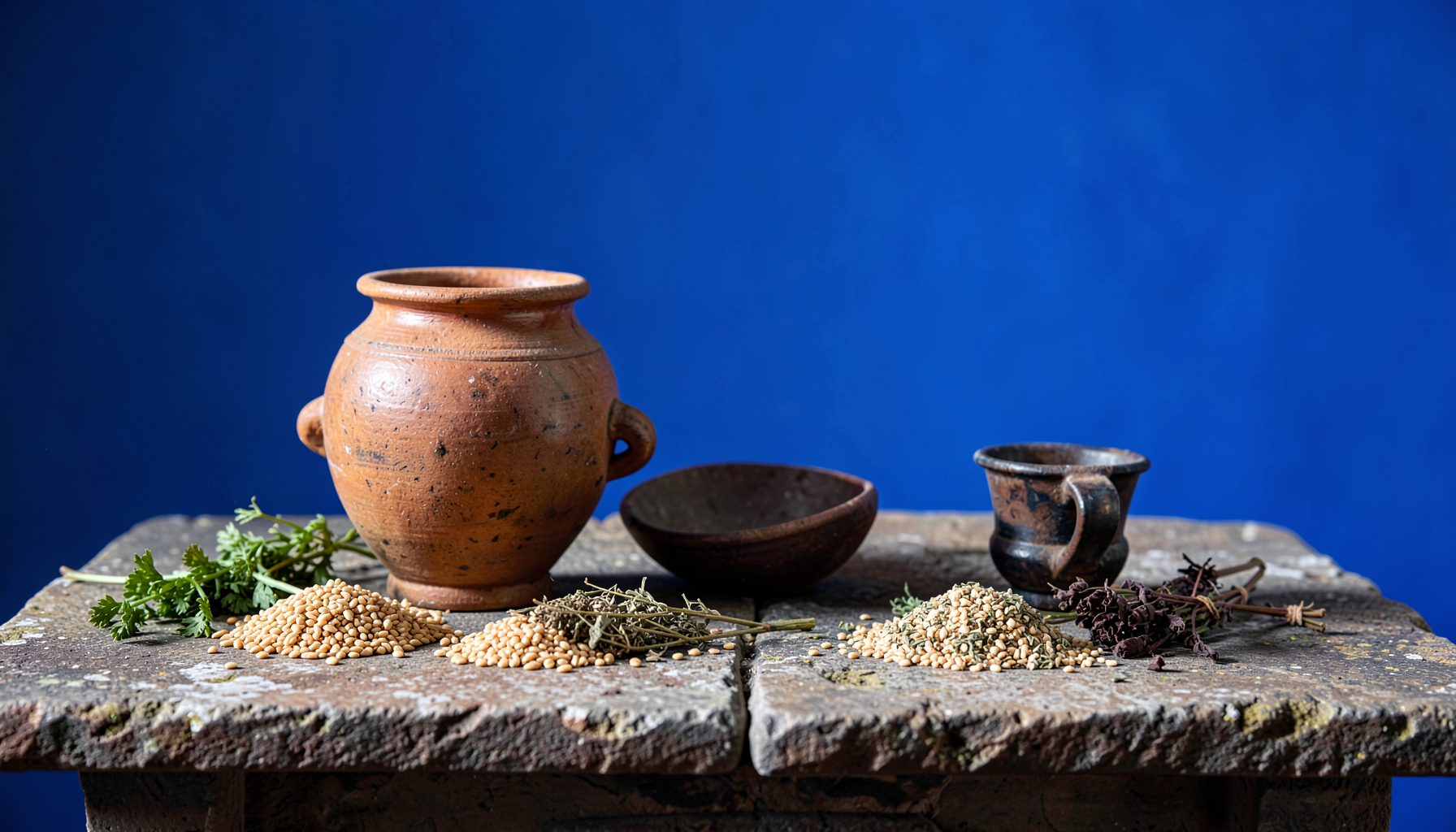
Outside the barracks, oxymel was a kitchen staple. The Geoponica, a tenth-century Byzantine compendium, lists variants with sea water, thyme, garlic, and a stronger medicinal version simmered to a syrup. That flexibility — part cordial, part medicine, part field ration — explains why it survived so many centuries on the Mediterranean pantry shelf.
The Recipe and Why It Stands Apart from Posca
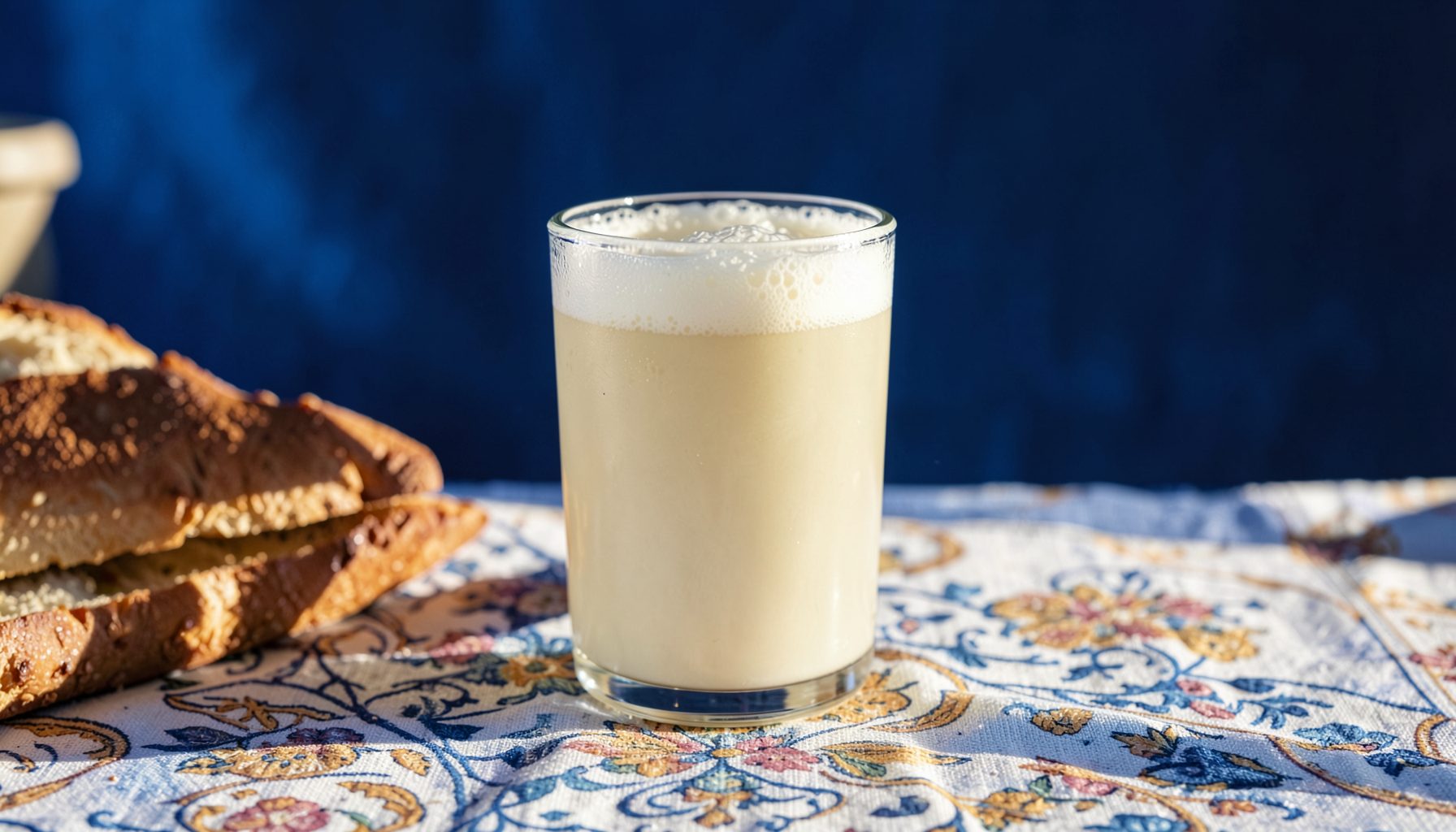
At its simplest, oxymel is a one-to-one mixture of raw honey and wine vinegar, sometimes thinned with water. Classical recipes called for skimming the foam off boiling honey, then pouring vinegar slowly into the hot syrup while stirring with a wooden spatula. Some cooks added sea salt, dried oregano, or a handful of crushed fennel seed. The result tasted like a dry, floral mead with a sharp finish — somewhere between a shrub and a digestif.
The honey-and-vinegar combination has even older roots. Cuneiform tablets from southern Mesopotamia, including the inscriptions cataloguing the royal feasts of King Lipit-Enlil of Isin, list honey-vinegar syrups served alongside beer and bread. Readers interested in those precedents can follow the Mesopotamian Isin inscriptions for a fuller picture of how the Greeks refined an older Near Eastern idea.
The differences from Roman posca are worth noting. Posca relied on sour, watered-down wine, often the dregs left after pressing better vintages. Oxymel skipped the wine altogether and built its acidity from vinegar. That gave it a longer shelf life, especially in leather or ceramic containers being jolted along mountain passes. From a nutrition standpoint, the acetic acid in oxymel also slowed the absorption of its sugars, giving soldiers a steadier energy lift than they would have got from straight honey or unmixed wine.
Several modern Australian makers, including small operations in the Barossa Valley and the Mornington Peninsula, are producing honey-and-vinegar shots that draw direct inspiration from these classical recipes. Some pair leatherwood honey from Tasmania with aged cabernet vinegar, producing a dark, almost malty tonic that has shown up in health-food aisles from Fitzroy to Fremantle.
Why Oxymel Was the Soldier's Go-To Tonic
Three practical qualities made oxymel the preferred ration of marching men across the Greek world. First, preservation: a properly acidified honey solution resists bacterial growth for weeks without refrigeration, an important consideration when baggage trains moved through uncharted terrain. Second, palatability: the sour-sweet profile masked the taste of old water, stagnant from goatskin containers, which encouraged hydration. Third, function: the drink delivered quick calories while the acetic content helped the body retain electrolytes — an accidental but useful match for the needs of a soldier on a long march.
Looking across the ancient Mediterranean, the differences between oxymel, posca, and plain hydromel become clearer. Each drink used a different acid base, sweetener, and shelf-life strategy, and each reflected the priorities of the army issuing it. A quick comparison makes the distinctions easier to grasp.
| Property | Greek Oxymel | Roman Posca | Plain Hydromel |
|---|---|---|---|
| Base acid | Wine vinegar | Sour or watered wine | None |
| Sweetener | Raw honey | None typically | Honey only |
| Shelf life unrefrigerated | 4–6 weeks | 2–4 days | 1–2 weeks |
| Primary troop use | Daily ration and medicine | Daily ration | Occasional treat |
These practical benefits also shaped the drink's cultural reputation. Greek writers from Theophrastus to Dioscorides described oxymel as a household staple — the kind of thing a mother kept beside the bread and olive oil. One Byzantine physician even praised it as a hangover cure, which drinkers in Surry Hills and Newtown have enthusiastically repurposed.
Brewing Oxymel in a Modern Kitchen
Reproducing oxymel at home requires little more than a saucepan, a sterilised jar, and two reliable ingredients. The classical ratio of one part raw honey to one part wine vinegar still works well, though many Australians reduce the honey slightly — say, four parts honey to five parts vinegar — for a crisper result.
Begin by warming the honey gently in a heavy pot, skimming off any foam that rises. Remove from the heat and pour the vinegar in a slow stream, stirring constantly with a wooden spoon. Add a pinch of sea salt and, if desired, a sprig of fresh thyme or rosemary. Pour the warm mixture into clean bottles, seal, and store somewhere cool and dark for at least a week before tasting. The flavour deepens noticeably after a fortnight.
A few things help. Use a vinegar with live, cloudy "mother" if you can — apple cider vinegar from a farmers' market stall in Adelaide, or a cloudy red wine vinegar from a Hunter Valley producer, will both reward you. Avoid pasteurised supermarket honey; it has been heated and loses the floral aromatics that made the original drink worth drinking. If the syrup ferments further, that's not a disaster; the ancients allowed their oxymel to age in amphorae for months, and a slight fizz fits the tradition.
Oxymel in an Australian Kitchen and Tips for a Good Brew
Australia's love affair with bush honey and fermented ingredients makes the country an unusually good place to experiment with ancient recipes. Yellow box honey from Victoria, leatherwood from Tasmania, and manuka from the eastern coast all carry distinctive botanical notes that change the character of the finished oxymel in ways Greek cooks would have found fascinating. Pairing the drink with native ingredients such as lemon myrtle, pepperberry, or finger lime has become a quiet experiment in inner-city kitchens and remote outback homesteads alike.
For those curious to wander further into the world of unusual flavour pairings, the hot chocolate marshmallow review over on Cook Journal offers a useful reminder that ancient sweeteners and modern confections share more DNA than they appear to. Anyone who has spent time scanning the long, combed stalls of the Mindil Beach market in Darwin or the Salamanca weekly market in Hobart will recognise the same logic at work: honey and an acid partner, presented in a way that feels both ancient and immediate.
A few practical tips help the home brewer get a balanced bottle on the first try:
- Start with a mild vinegar such as apple cider before graduating to red wine or sherry varieties, which carry more assertive tannins.
- Store the oxymel in dark glass, ideally amber or green; ultraviolet light will degrade both the honey and the live cultures in raw vinegar.
- Try a small test batch with thyme and black pepper before committing to a full two-litre brew — the balance between sweet and sour shifts quickly as the mixture ages.
- For a hot toddy variation, warm a small glass of finished oxymel with a cinnamon quill and a slice of fresh ginger.
- If you can find Greek thyme honey from a deli in Brunswick or a Leichhardt grocer, use it — it brings the brew closer to what soldiers in the fifth century BCE actually tasted from their camp kettles.
Readers interested in the broader wellbeing conversation around traditional fermented foods can also explore the longevity research hub, which collects studies on diet, longevity, and the cultural practices that tend to outlive the civilisations that invented them.
For readers who want to keep exploring what the ancient world cooked, brewed, and served, the complete recipe library keeps growing with new additions from archaeological sources and reconstruction projects. Brew a small jar of oxymel, pour it over ice on a hot arvo, and see how a two-thousand-year-old soldier's ration tastes alongside your next plate of grilled fish.