Making Posca: The Roman Sour Wine Drink for Legionaries
Posca was a sharp, refreshing drink made by diluting sour wine or wine vinegar with water. It is often associated with Roman legionaries, whose daily provisions had to remain practical, inexpensive, and safe to drink. Rather than treating it as a fine vintage, Roman soldiers valued posca for its acidity, portability, and ability to make ordinary water more agreeable.
The drink belongs to a wider history of fermented beverages, preservation, and military foodways. In the ancient Mediterranean, wine could turn sour during storage, yet that change did not make it useless. Diluted and sometimes seasoned with herbs, vinegar, or honey, it became part of the ordinary diet.
Reconstructing posca today requires a balance between textual evidence and informed experimentation. The available sources rarely provide a complete recipe, so each modern preparation should distinguish between what is documented and what is an educated interpretation. This approach reflects the wider work of the Archeoricette project, which uses ancient texts, archaeology, and practical cooking to investigate historical food.
What Posca Meant In Roman Life
The Latin word posca generally refers to a drink made from water and an acidic wine product. That product may have been wine vinegar, sour wine, or a mixture created from wine that had begun to deteriorate. Ancient terminology was not always as precise as modern culinary language, and the boundary between diluted vinegar and diluted sour wine could be fluid.
For soldiers, posca offered several advantages. Water could be unpleasant or unsafe, especially when stored or collected far from a clean spring. A small quantity of acidic wine could improve its taste and perhaps reduce the risks associated with some contamination. The acidity did not sterilize every dangerous organism, but it made the beverage more stable and familiar than plain water.
Posca also suited the economics of the Roman army. It required no expensive ingredients and could be prepared from wine that was no longer desirable at the table. The drink therefore connected military logistics with the wider Roman habit of using every part of a food supply carefully.
Evidence From Texts And Images
Ancient literary references help establish the drink’s existence, although they do not produce a single authoritative formula. Roman authors mention mixtures of water and vinegar in military, medical, and everyday contexts. The famous scene in which a drink is offered to Jesus at the crucifixion is also commonly interpreted as involving posca, though the terminology and circumstances remain subjects of scholarly discussion.
Vegetius, writing about Roman military organization centuries after the early imperial period, describes vinegar as part of a soldier’s provisions. This evidence supports the importance of acidic wine products in military supply, but it does not tell us exactly how every unit prepared its drink. Regional practice, available water, climate, and the quality of the vinegar would all have influenced the result.
Archaeology adds useful context through storage vessels, wine residues, amphorae, and evidence for large-scale wine production. It cannot usually identify a particular cup as posca. Instead, it reveals the infrastructure that made such a drink possible: vineyards, transport containers, military supply chains, and everyday vessels used for mixing and drinking.
Ingredients For A Plausible Reconstruction
A modern reconstruction should begin with a naturally fermented wine vinegar or a strongly sour, low-alcohol wine. Commercial distilled white vinegar is usually too harsh and uniform, while balsamic vinegar is too sweet and concentrated. Red wine vinegar, white wine vinegar, or a mild homemade wine vinegar can all produce a convincing base.
Water should be clean and pleasantly neutral. In a Roman setting, water quality varied greatly, and the final drink may have tasted more mineral-rich than a modern filtered version. For a first experiment, however, filtered or spring water makes it easier to judge the balance of acidity.
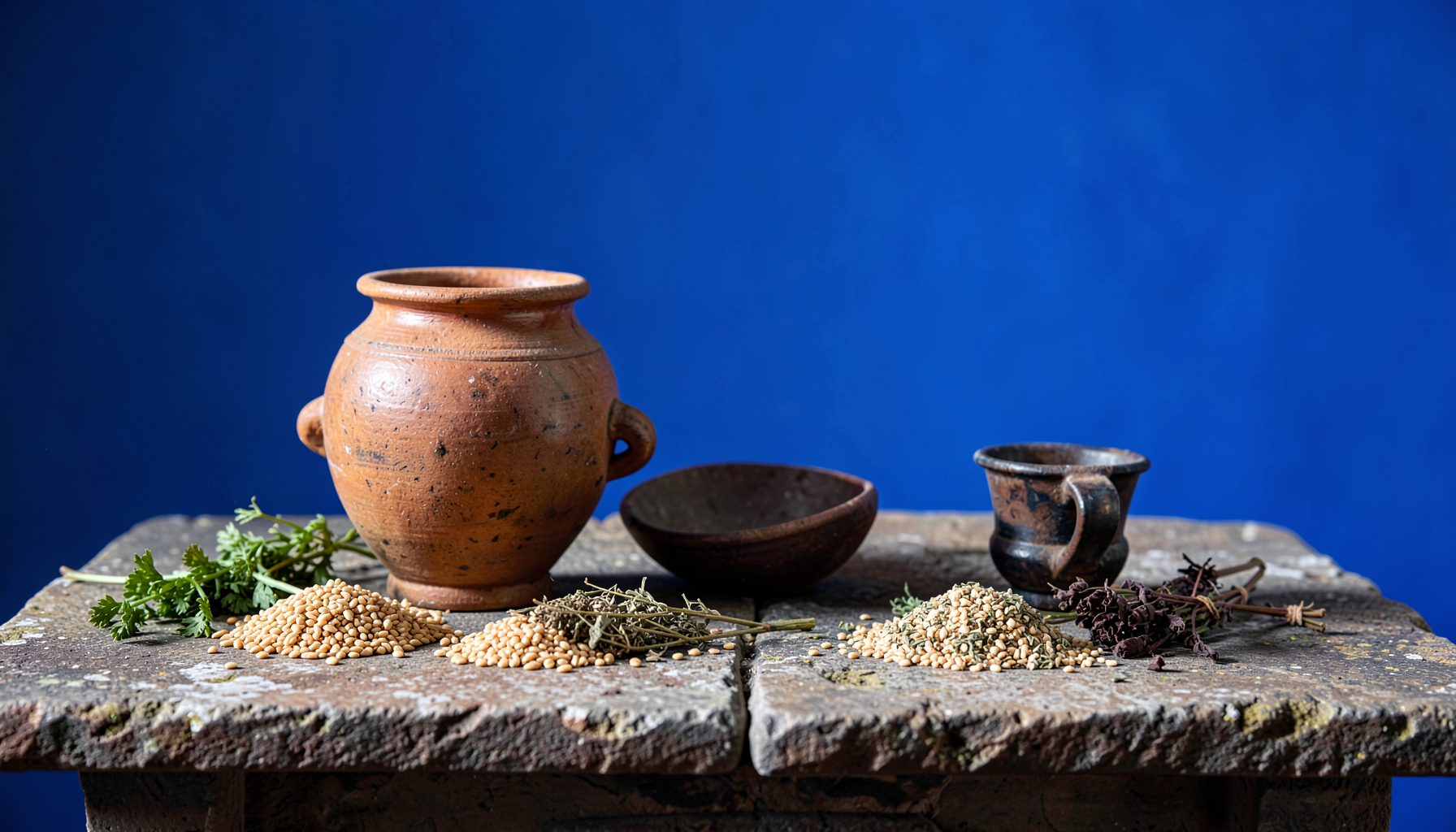
Seasonings are optional. Salt may have been used in some ancient drinks, but adding it can quickly overwhelm the sourness. Herbs such as mint, thyme, savory, or coriander are plausible additions because they were familiar in Roman cooking, yet no single herb blend can be presented as the standard legionary formula. Honey is also possible, especially for a softer drinking version, although a sweetened mixture would move away from the simplest military preparation.
| Ingredient | Basic quantity | Historical reasoning | Modern effect |
|---|---|---|---|
| Water | 250 ml | The main diluting liquid | Softens acidity |
| Wine vinegar or sour wine | 15–30 ml | Represents acetum or sour wine | Provides the characteristic tang |
| Salt | A tiny pinch | A plausible seasoning, not essential | Adds savoriness |
| Honey | ½ teaspoon, optional | Ancient sweetener used in many drinks | Rounds the sharp edge |
| Herbs | 1 small sprig, optional | Fits Roman culinary practice | Adds fragrance and complexity |
A Simple Method For Making Posca
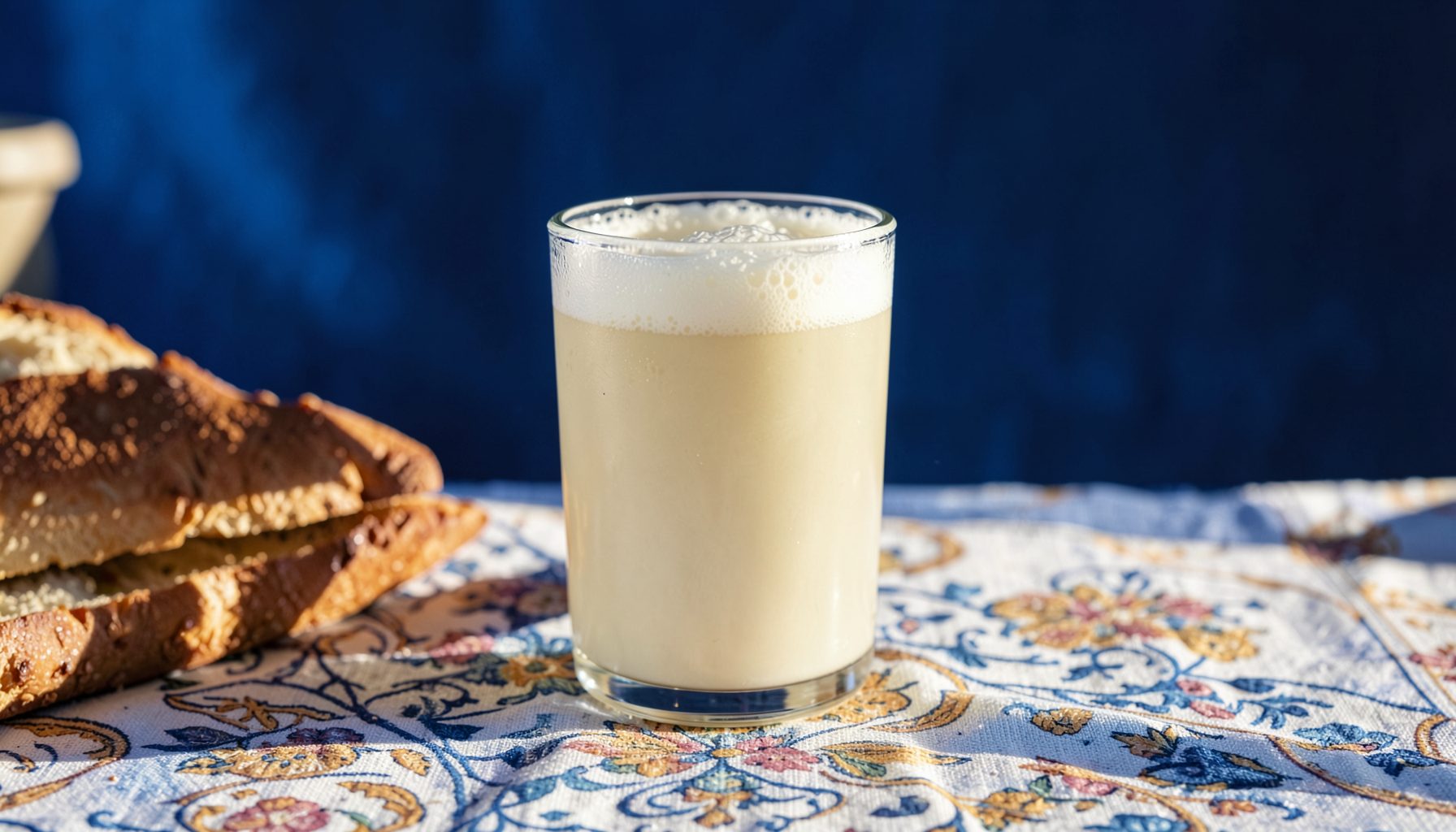
Combine 250 milliliters of cool water with 15 milliliters of red or white wine vinegar. Taste the mixture before adding anything else. The result should be clearly sour but still drinkable, closer to a tart refreshment than to straight vinegar. If the acidity is too aggressive, add more water rather than immediately adding honey.
For a stronger version, increase the vinegar to 25 or 30 milliliters. This may resemble the sharper drink that a soldier could have received when the available wine had already turned intensely acidic. If using sour wine instead of vinegar, begin with 60 to 80 milliliters of wine and dilute it with water until the flavor becomes bright and lightly tart.
Add a tiny pinch of salt if desired. For a gentler household interpretation, dissolve half a teaspoon of honey into the drink and add a bruised mint sprig or a little thyme. Let the herbs infuse for five to ten minutes, then remove them. Serve cool, but avoid assuming that ancient posca was always iced; chilled drinks depended on season, geography, and access to stored snow or cold water.
The safest modern practice is to prepare only what will be consumed promptly. Keep the drink refrigerated if it is not served immediately, and use clean equipment. Historical reconstruction should recreate flavor and technique without reproducing uncertain sanitation conditions.
How Legionaries Might Have Used It
Posca was probably part of routine hydration rather than a ceremonial beverage. A soldier could mix it in a cup, flask, or larger communal container, depending on the circumstances. The drink’s strong flavor would have made it useful during marches, hot weather, and strenuous labor, when plain water might have seemed dull or unappealing.
Its relationship with wine is important. Roman soldiers did receive wine or wine-based rations, but posca was not simply ordinary wine served in another form. It represented a lower-cost, lower-status, and often lower-alcohol option. The drink could stretch supplies while making sour or declining wine useful.
The association with legionaries should not obscure its broader social range. Vinegar and diluted wine were familiar throughout Roman society, and similar sour drinks existed in many cultures. Farmers, travelers, laborers, and urban households could all have consumed acidic beverages, even if the military connection is the most memorable modern image.
Flavor, Strength, And Historical Uncertainty
The flavor of posca depends chiefly on the liquid identified as its base. Wine vinegar produces a clean and forceful acidity, while sour wine gives a rounder taste with more fermented depth. The water-to-acid ratio also matters: a weak mixture becomes a lightly tart table drink, while a strong mixture can be bracing and almost medicinal.
Modern drinkers may expect a polished beverage with a fixed recipe, but ancient foodways rarely worked that way. Quantities could be adjusted by taste, supply, and circumstance. A soldier in a dry frontier zone might receive a different drink from a household in Italy, even if both called it posca.
This uncertainty is a strength rather than a weakness when the reconstruction is presented honestly. The aim is to recreate a credible range of experiences, not to claim access to one lost official formula. Recording the vinegar, water, seasonings, and proportions used in each experiment makes comparisons more meaningful.
Serving Posca In A Historical Food Experience
Serve the drink in a small ceramic cup, simple glass, or wooden vessel rather than a modern sports bottle if the goal is to evoke Roman practice. The container changes the sensory experience, especially when the drink accompanies bread, olives, salted fish, legumes, or roasted meat. Its acidity cuts through fatty and salty foods particularly well.
A tasting session can compare three versions: diluted wine vinegar, sour wine, and a lightly sweetened preparation. This reveals how much the ancient drink’s character depends on the starting liquid. It also demonstrates why the word posca should be treated as a category of sour wine drink rather than a rigid recipe.
When publishing or sharing a reconstruction, explain which elements come from evidence and which come from modern interpretation. Readers interested in the practical side of historical cooking can also review the site’s cookie policy while exploring further research on ancient food and culinary reconstruction.
Practical Choices For Your Reconstruction
- Use mild wine vinegar or genuinely sour wine instead of distilled vinegar.
- Begin with a weak mixture and add acidity gradually until the drink becomes pleasantly tart.
- Treat salt, honey, and herbs as optional variations rather than mandatory ingredients.
- Serve the drink with simple Roman-style foods that benefit from a sharp, refreshing accompaniment.
- Record your proportions and tasting notes so different reconstructions can be compared.
Posca is simple to make, but its simplicity reveals much about Roman life. It reflects military provisioning, the value placed on preserving resources, the practical use of wine products, and the varied ways ancient people managed water and hydration. Mix a small batch, taste it alongside historically inspired food, and let the sour drink become a starting point for exploring the wider world of Roman culinary history.