How the Romans Made Libum: A Cheesecake Offering to the Lares
Libum sat at the heart of Roman domestic religion, a humble cake made from fresh cheese, flour, and eggs that found its way onto household shrines across the empire. Unlike the elaborate sacrifices performed in major temples, this simple preparation was the everyday offering to the Lares, the protective spirits who watched over Roman families. It bridged the gap between sustenance and sanctity, transforming basic ingredients into a medium of communication with the divine.
The earliest recipes for libum appear in the agricultural manual of Cato the Elder, written in the second century BCE. Later authors like Columella refined the formula, and the writings of these ancient farmers and philosophers provide remarkably precise instructions for modern reconstruction. What emerges from these texts is not just a recipe, but a window into a worldview where food, family, and faith were inseparably intertwined. The ritual of offering libum was as important as the cake itself.
For modern cooks in Australia, libum presents a fascinating challenge. The ingredients are largely familiar, think ricotta, flour, eggs, honey, but the proportions and methods produce something quite different from contemporary baked goods. The result is neither bread nor cake in the modern sense, but something in between, with a dense texture and subtle flavour that rewards patient preparation. Many Australians are discovering that ancient recipes offer a refreshing alternative to modern processed foods.
Whether you're wandering through the Queen Victoria Market in Melbourne on a Saturday arvo or browsing the stalls at Paddy's Markets in Haymarket, sourcing ingredients for libum is remarkably straightforward. The Australian dairy industry produces excellent ricotta, and local honey varieties add complexity that ancient Roman cooks could only have imagined. This accessibility makes libum an ideal starting point for anyone keen to explore the culinary traditions of the ancient world.
Origins and religious significance
Libum derived its name from the Latin term for a ritual offering, though the word has roots in the Greek libanos, meaning incense or frankincense. By the time of the Roman Republic, however, it had come to refer specifically to a cheese-based cake prepared for religious purposes. Cato's De Agri Cultura, our oldest complete Latin prose work, contains the first detailed recipe and treats libum as a standard component of household worship.
The Lares themselves were household deities, typically represented as small bronze or terracotta figures kept in a domestic shrine called a lararium. Romans believed these spirits protected the family, watched over the home, and ensured prosperity. Offerings to the Lares were frequent; wine, incense, flowers, and libum were left at the shrine as part of daily or weekly routines. The relationship was reciprocal: the family provided care and offerings, and the Lares offered protection in kind.
Libum featured in several major festivals throughout the Roman calendar. The Compitalia, celebrated in early January, involved offerings at crossroads shrines where the Lares of the community were honoured. During the Parentalia in February, families remembered their dead with quiet rituals that often included libum. Even ordinary meals might conclude with a small portion of the cake being placed at the lararium as a sign of gratitude for the day's food.
Sourcing ingredients in the Australian context
Australian ricotta stands among the finest in the world, thanks to the country's robust dairy industry and high standards of production. Most major supermarkets stock fresh ricotta that's perfectly suitable for libum, but for those wanting exceptional results, specialty cheese shops offer artisan varieties with richer flavour profiles. In Sydney, the options around the Rocks district and Surry Hills are particularly strong, while Melbourne's Lygon Street and South Melbourne Market house several excellent producers.
The flour component requires some consideration, as modern Australian flours are typically more refined than what Roman bakers would have used. Stone-milled flours from organic suppliers or specialty bakeries provide a closer match to ancient grain processing. The texture and flavour of these flours, with their higher bran content, contribute meaningfully to the final product. Wheat has been grown in Australia since the early colonial period, and Australian wheat is renowned for its quality.
Honey plays a supporting role in many libum variations, and Australian honey is spectacular. Tasmanian leatherwood honey offers complex, slightly bitter notes that complement the mild cheese beautifully. Other native varieties, such as yellowbox honey, provide different aromatic profiles. Bay leaves, used as both flavouring and a baking surface, grow readily in many Australian gardens or can be purchased at any nursery across the country. Cooks looking for detailed background on historical ingredients can explore resources like Archeoricette, which gathers evidence from ancient texts and archaeological findings.
Preparation according to ancient sources
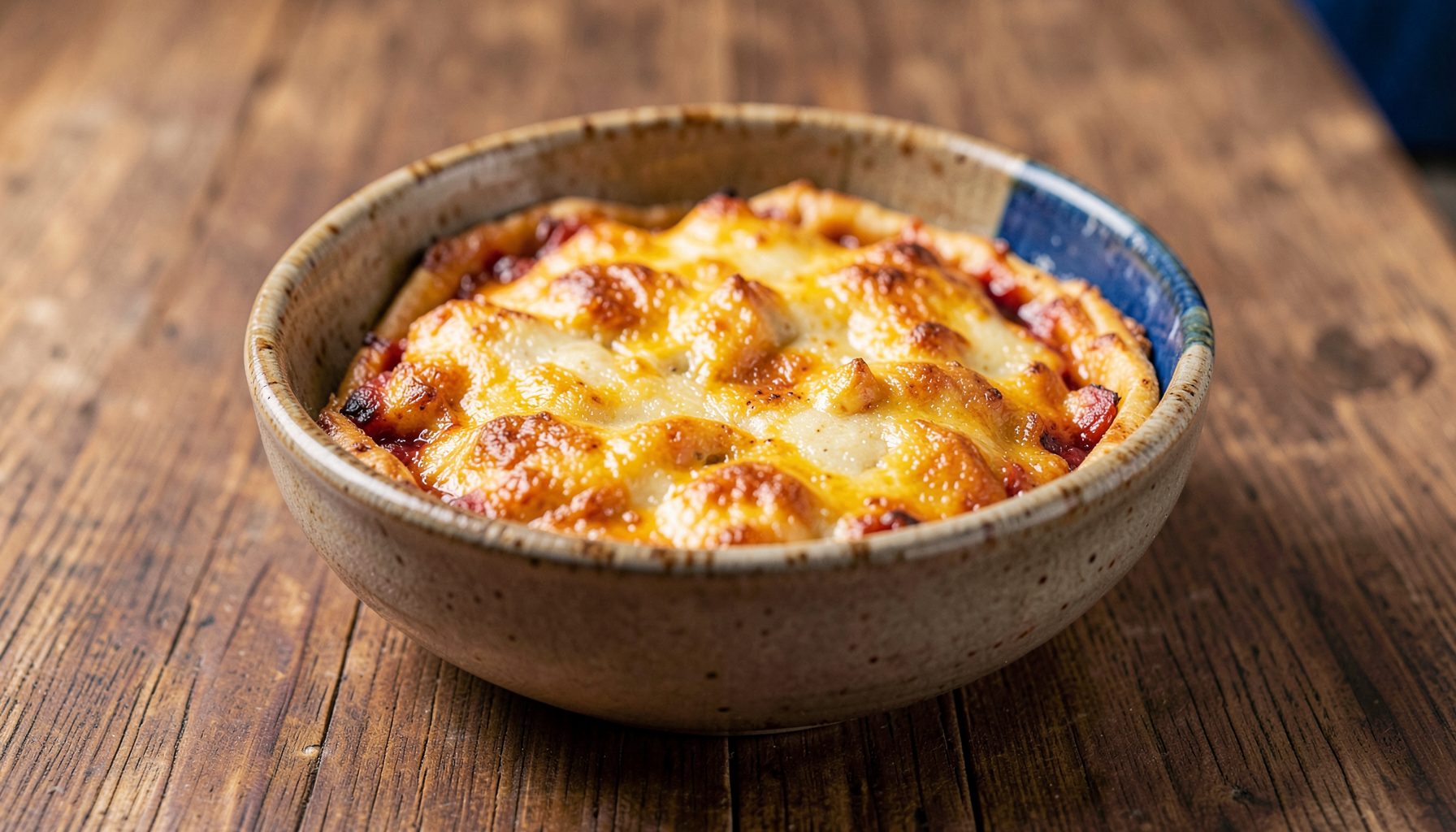
The basic method outlined by Cato involves mixing equal weights of fresh cheese and flour, then binding the mixture with a beaten egg. The resulting dough is formed into a round cake roughly two fingers thick, placed on fresh bay leaves, and baked over a brazier or in a simple oven. The cooking time is brief, and the final product has a golden exterior with a soft, dense interior.
Columella's later recipe suggests a more elaborate approach, with additional eggs and a resting period for the dough. His version produces something closer to a modern cake in texture, though still quite different from the sweet, cream-heavy desserts familiar to contemporary palates. The variation between sources suggests that Roman cooks experimented with the formula, adjusting proportions based on regional preferences and available ingredients.
| Source | Cheese to flour ratio | Eggs added | Cooking method | Texture |
|---|---|---|---|---|
| Cato (c. 160 BCE) | 1:1 | 1 | Brazier | Dense, bread-like |
| Columella (1st c. CE) | 2:1 | 2–3 | Oven | Richer, softer |
| Later adaptations | Variable | Variable | Modern oven | Varies |
Modern recreators should note that thorough mixing is essential; the dough must achieve a smooth, almost paste-like consistency before shaping. Using a wooden spoon or stand mixer both work, though hand-beating with a heavy spoon provides the most authentic experience. The bay leaves used as a base both prevent sticking and impart subtle aromatic compounds during baking, a technique Romans understood well.
Ritual practices and family customs
The act of making libum was itself a form of devotion, and families often took turns preparing offerings throughout the year. Mothers taught daughters the recipe, passing down techniques that had been refined over generations. The continuity of practice reinforced both family bonds and religious observance, turning simple cooking into a sacred duty.
The timing and context of libum offerings followed established patterns. During festivals like the Compitalia, households prepared larger quantities to share with neighbours and to honour community Lares at crossroads shrines. The Parentalia required more solemn preparations, with libum offered alongside other foods to deceased family members. Daily offerings, if made, were typically smaller and simpler, acknowledging the constant presence of household spirits.
The physical consumption of the offering followed specific customs. After the appropriate rituals were performed and the Lares had symbolically accepted their portion, the libum would be eaten by family members or distributed to household slaves. This dual nature, spiritual offering and physical nourishment, reflected a worldview where the supernatural and material worlds were intimately connected. Nothing was wasted, and every act of eating could carry sacred significance for those who knew how to read the signs.
Modern adaptations and further exploration
Contemporary chefs have approached libum with varying degrees of historical fidelity. Some stay strictly faithful to ancient recipes, using only ingredients available to Roman bakers. Others adapt the formula for modern tastes, adjusting seasonings or incorporating local ingredients. In Australia, experimentation with native ingredients like wattleseed or finger lime has produced interesting variations that bridge ancient tradition and contemporary cuisine.
Whether you're a seasoned food historian or just keen to try something different on the weekend, libum offers an accessible starting point. The techniques require no special equipment, and the ingredients are available at any decent supermarket or farmers market across the country. For practical tips on sourcing and preparation, historical recipe guides provide useful context for modern cooks adapting ancient methods.
The beauty of libum lies in its simplicity and its connection to a living tradition of household devotion. Australians who try this recipe often find themselves part of a chain of practice stretching back more than two thousand years, from Roman kitchens to modern suburban homes in Brisbane, Adelaide, or Perth. It's a fair dinkum way to connect with the past through the universal language of food, and one that rewards both the cook and those who share the meal.