Recreating a Mesopotamian Red Wine of the Gods
A dark, fragrant drink made from grapes and dates offers a vivid way to explore ancient Mesopotamian foodways. The combination connects two important crops: grapes associated with upland vineyards and date palms that flourished across the irrigated plains of southern Iraq. It also raises a useful historical question: how much can a modern kitchen reconstruct without pretending that an exact ancient recipe has survived? Learn more about Cooking With Asafoetida The Roman Staple You Never Knew C300.
This interpretation treats the drink as an experimental reconstruction rather than a confirmed formula. Clay tablets, artistic representations, botanical evidence and later Near Eastern traditions can suggest ingredients and techniques, but they rarely provide a complete method. For Australian cooks, the result is an approachable small-batch beverage with a rich red colour, gentle sweetness and a flavour profile somewhere between spiced wine, raisin cordial and young fortified wine.
Wine, Dates And Mesopotamian Landscapes
Grape cultivation was especially important in northern Mesopotamia and the foothills beyond the great river plains, where cooler conditions and suitable slopes favoured vines. Southern cities such as Ur and Babylon were famous for their date palms, which supplied food, sweeteners, drinks, fibre and timber. Trade allowed products from different ecological zones to meet in urban kitchens, temples and elite households.
The date and grape blend therefore makes historical sense at the level of ingredients, even if no surviving tablet confirms this precise recipe. Grapes bring acidity, tannin, colour and fermentable sugar. Dates contribute concentrated sweetness, a raisin-like aroma and a thick mouthfeel. A red grape must softened with dates could have appeared luxurious, particularly when served at a ceremonial meal or offered to a deity.
Mesopotamian food and drink were closely tied to institutions. Temples managed fields, orchards, breweries and storage rooms, while feasts could express status, hospitality and divine favour. The drink’s modern nickname, “wine of the gods”, should be understood as an evocative description rather than a translated ancient title. Research into these connections can be followed through the project’s latest field reports, where food history meets archaeological interpretation and practical reconstruction.
Building A Plausible Ancient Blend
For a manageable home experiment, use one litre of unsweetened red grape juice or fresh red grape must, 150 to 200 grams of soft pitted dates, 250 millilitres of water and a small amount of wine yeast. A full-bodied Australian Shiraz juice gives colour and peppery fruit, while a lighter variety such as Cabernet Sauvignon or Grenache can produce a brighter, less heavy drink. Choose juice without preservatives that inhibit fermentation.
Warm the water and soak the chopped dates until they soften. Mash them into a coarse paste, then combine the paste with the grape juice in a sanitised fermentation vessel. Allow the mixture to cool before adding yeast. A modern airlock is sensible for safety and consistency, although it is obviously not an ancient tool. The ancient analogy lies in the fruit mixture and fermentation, not in reproducing every piece of equipment.
Ferment for five to eight days at a moderate indoor temperature, stirring carefully once each day during the most active stage. When bubbling slows, strain through clean cheesecloth or a fine nylon bag and transfer the liquid to a second vessel. Leave the sediment behind, then allow the drink to settle for another one to three weeks. Do not seal fermenting liquid in a rigid bottle, as pressure can build dangerously.
The finished beverage will probably be lower in alcohol than commercial wine unless additional sugar and controlled fermentation are used. It may also retain some natural sweetness from the dates. For an alcohol-free interpretation, simmer the grape juice and dates briefly, cool, strain and serve the dark cordial over ice. This version is suitable for family tastings and avoids the legal and practical complications of home fermentation.
Ingredients, Equipment And Serving Choices
The simplest reconstruction depends on a few ingredients, but careful selection makes a major difference. In Australia, soft Medjool dates are widely available in supermarkets and Middle Eastern grocers in Sydney, Melbourne, Adelaide and Perth. Look for moist fruit rather than hard, sugar-coated dates, since the former break down more easily and contribute a fuller texture.
Use metric measurements and ordinary kitchen equipment, keeping every vessel scrupulously clean. Australian summer temperatures can push a ferment too quickly, especially in a warm pantry or garage. A cool cupboard, shaded bench or temperature-controlled room will give a more reliable result than leaving the vessel beside a sunny window.
For the fruit blend
- 1 litre preservative-free red grape juice or fresh grape must
- 150–200 grams pitted Medjool dates
- 250 millilitres clean water
- Wine yeast, used according to the packet instructions
The flavour can be adjusted without turning the drink into a modern cocktail. A small piece of cinnamon or a few crushed coriander seeds may create a historically plausible aromatic direction, though these should be treated as optional experiments. Avoid adding table sugar at the beginning; the dates already provide a substantial dose of fermentable sweetness.
For tasting and presentation
- Small ceramic cups or stemless wine glasses
- A fine strainer or clean cheesecloth
- Fresh dates, grapes and toasted flatbread
- A written tasting note for colour, aroma, sweetness and acidity
Serve a chilled non-alcoholic version at a backyard gathering or family lunch, where Australians often favour cold drinks during warm weather. An alcoholic batch should be offered only to adults aged 18 or over, and any public tasting or ticketed event must follow the relevant state or territory liquor requirements. Personal historical cooking is different from selling or serving alcohol commercially.
A Drink For Feasting And Ritual
The social setting matters as much as the liquid. Ancient Mesopotamian feasts involved food distribution, music, formal hospitality and relationships between human communities and the divine world. A dark fruit drink poured into small cups can help modern participants imagine the pace of such a gathering, even when the ingredients and vessels are contemporary.
The drink would work well beside roasted lamb, grilled vegetables, flatbreads, lentils, onions and date-based sweets. Its sweetness balances salt and smoke, while the grape acidity prevents the meal from becoming heavy. For a distinctly Australian event, it could accompany a winter dinner in Adelaide or a warm evening gathering in Brisbane, with the historical explanation offered before the tasting rather than interrupting it.
Ancient Near Eastern ritual should not be flattened into a generic feast. Offerings, sacrifices and shared meals had different meanings in different contexts. Comparisons with other ancient cultures can be useful when handled carefully; for example, the discussion of Greek ritual feasting shows how burning, distribution and communal eating could structure a religious occasion without making Greek practice identical to Mesopotamian custom.
A modern reconstruction can preserve this distinction by presenting the drink as an interpretive object. Taste, aroma and texture provide evidence for discussion, while the gaps in the written record remain visible. That balance is more honest than claiming that a supermarket grape juice and dates reproduce a royal banquet exactly.
Tasting Notes And Historical Limits
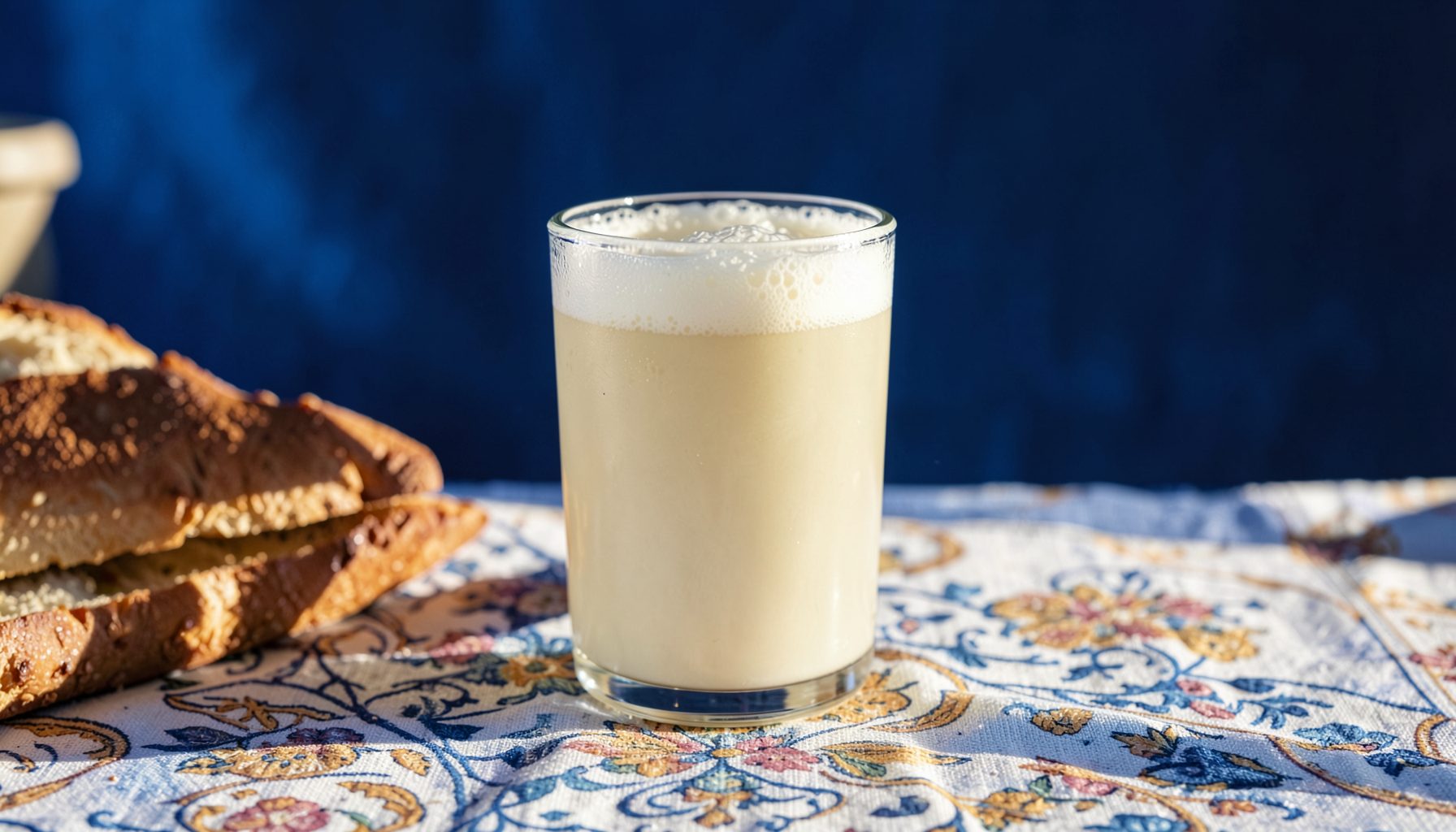
Expect an opaque ruby or garnet colour, especially when using Shiraz. The nose may suggest raisins, stewed plums, grape skins and a faint earthy sweetness. On the palate, dates add weight and caramel-like depth, while the grape component contributes tartness and a dry finish. If the dates dominate, dilute the next batch with more grape juice or reduce the soaking time.
The texture will probably be fuller than ordinary young wine because date pulp releases soluble solids. Straining twice can make it clearer, but excessive filtering may remove some of the character that makes the reconstruction interesting. Ancient drinks were not necessarily bright and polished by modern standards; cloudiness, sediment and variation were familiar features of many pre-industrial beverages.
There are important limits to the evidence. A recipe assembled from ingredients known in Mesopotamia is not proof that those ingredients were fermented together. Dates may have been eaten whole, pressed into syrup, made into a sweet drink or used in other preparations. Grapes could be dried, eaten fresh, pressed into must or fermented separately. The reconstruction becomes valuable when it shows what is plausible while clearly identifying what remains uncertain.
Keep a record of each batch, including grape variety, date weight, fermentation time and serving temperature. Comparing results turns a single recipe into a small experiment in ancient food history. Notes from Australian kitchens can also reveal how local climate, available produce and modern equipment shape the final flavour, giving the reconstruction a contemporary layer without disguising its ancient inspiration.
Prepare the blend, taste it alongside dates and flatbread, and document the process as carefully as an excavation of flavour. Share the experiment through Archeoricette’s research and recipe work, using each glass to connect Mesopotamian agriculture, ritual hospitality and the living food culture of Australia.