Recreating a Roman Pork Shoulder with Prunes and Cumin
The smell of slow-roasted pork shoulder drifting through a suburban kitchen in Brisbane or Perth feels surprisingly close to what an Apicius-era cook might have produced in a Roman villa. The dish called perna in Latin texts combined pork, dried fruit, and warming spices in a way that bridged everyday nutrition and festive dining. Across the empire, pork shoulder was a favoured cut for braising because its marbling kept the meat moist over hours of gentle heat. When prunes and cumin entered the pot, the result was a savoury-sweet profile that suited the Roman preference for layered seasoning rather than a single dominant spice.
The recipe survives in fragments within the cookbook attributed to Apicius, alongside references in Pliny the Elder and later Byzantine compilations. Archaeobotanical work on carbonised seeds from sites in Roman Britain and Gaul has confirmed that dried plums and cumin were pantry staples, traded along the same Mediterranean routes that carried garum and olive oil. In a Sydney flat or a townhouse in Adelaide, the modern cook faces a similar puzzle to the ancient one: how to balance sweet, salt, fat, and aromatic heat without any element overwhelming the others. The recipe below draws on textual sources and experimental reconstruction, adapted to the ingredients and equipment available to home cooks across Australia.
Australian kitchens differ from Roman hearths in obvious ways, but the principles of low, slow cooking translate well. A heavy cast iron casserole on a modern stovetop can mimic a bronze or earthenware vessel over coals, and a domestic oven set to a steady 150°C replicates the radiant heat of a Roman bakery oven. Local butchers in places like Paddy's Markets in Sydney or the Queen Victoria Market in Melbourne routinely break down whole shoulders, providing the bone-in pieces that hold up best to long braising. Before lighting the flame, it helps to understand how each element of the ancient recipe functions.
The Perna Tradition in Roman Cookery
Perna referred both to a specific preparation and, in later texts, to a ham or cured leg cut. The shoulder version described here belongs to a broader family of dishes that paired pork with fruit and honey, building sweetness into a long-cooked savoury base. Cato the Elder's De Agri Cultura mentions pork preserved with salt and herbs, while later authors detail richer combinations designed for banquets. The use of dried plums is documented in dishes where fruit served as a sweetener before sugarcane reached the Mediterranean in any meaningful quantity.
Roman diners expected meat dishes to carry depth, often achieved through layering rather than concentration. Cumin was valued for its digestive reputation, frequently added to slow-cooked meats and even sprinkled on bread. Apicius recommends it in several pork recipes, often alongside pepper, lovage, and a reduced wine syrup. The shoulder cut lent itself to this treatment because its connective tissue breaks down over several hours, releasing gelatin that thickens the surrounding liquid naturally.
For a cook in Melbourne trying the dish on a winter evening, the appeal is partly sensory and partly historical. Long braising releases aromas that have not changed much in two millennia, since the same family of compounds - Maillard products, rendered fat, volatile esters from cooked plums - would have filled Roman kitchens. Understanding the tradition helps frame the recipe as a continuation rather than a novelty, an idea explored further in studies of Etruscan spelt preparations and other ancient grain dishes.
Sourcing the Shoulder in Australia
Australia produces around 360,000 tonnes of pork each year, and shoulder cuts are widely available at retail butchers and major chains. A bone-in, skin-on shoulder weighing between 1.5 and 2 kilograms suits this recipe, providing enough fat to keep the meat moist during the long cook. Woolworths and Coles stock boned and rolled shoulders, but specialty pork butchers in Brisbane's Eat Street markets or Adelaide's Central Market can supply pieces with the shank bone left intact, which adds flavour during braising.
Australian pork labelling follows the Australian Pork Industry Quality Assurance Program, which guarantees domestic origin and traceability. Under Food Standards Australia New Zealand (FSANZ) regulations, pork sold for human consumption must meet strict microbiological criteria, so cooks can focus on flavour rather than safety concerns. Free-range and heritage-breed pork from producers in the Yarra Valley or the Southern Highlands tends to have thicker fat caps, which suits the Roman approach of rendering the skin into the cooking liquid.
Prunes for the recipe are almost entirely imported, with the majority coming from California, Chile, or France. Australian prune production is limited to small orchards in the Sunraysia region, so most cooks will buy pitted prunes from the dried fruit aisle. Cumin seeds, similarly, come from India or the Middle East through Melbourne's spice wholesalers. Choosing whole seeds and toasting them just before grinding gives a noticeably brighter aroma than pre-ground cumin, a small adjustment that aligns with the Roman preference for freshly prepared seasonings.
The Ancient Pantry: Garum, Defrutum, and Spice
Three ingredients anchor the flavour of perna: garum, defrutum, and cumin. Garum was a fermented fish sauce that functioned as the primary source of salt and umami in Roman cookery, produced from whole fish layered with salt and left in the sun for weeks. Modern reconstructions often substitute Asian fish sauces, which share a similar fermentation profile, though anchovy-based versions come closest in intensity. A mild soy-and-anchovy blend also works for cooks avoiding fermented fish products.
Defrutum was a reduced grape syrup made by boiling fresh must down to a thick, dark consistency. It appears throughout Apicius as both sweetener and glaze, lending dishes a fruity depth without refined sugar. Australian winemaking regions like the Barossa Valley and Margaret River produce grape must in commercial quantities, and a small amount of unfermented juice reduced on the stovetop serves as a faithful substitute. Honey can replace defrutum partially, but the caramelised grape notes are worth pursuing for accuracy.
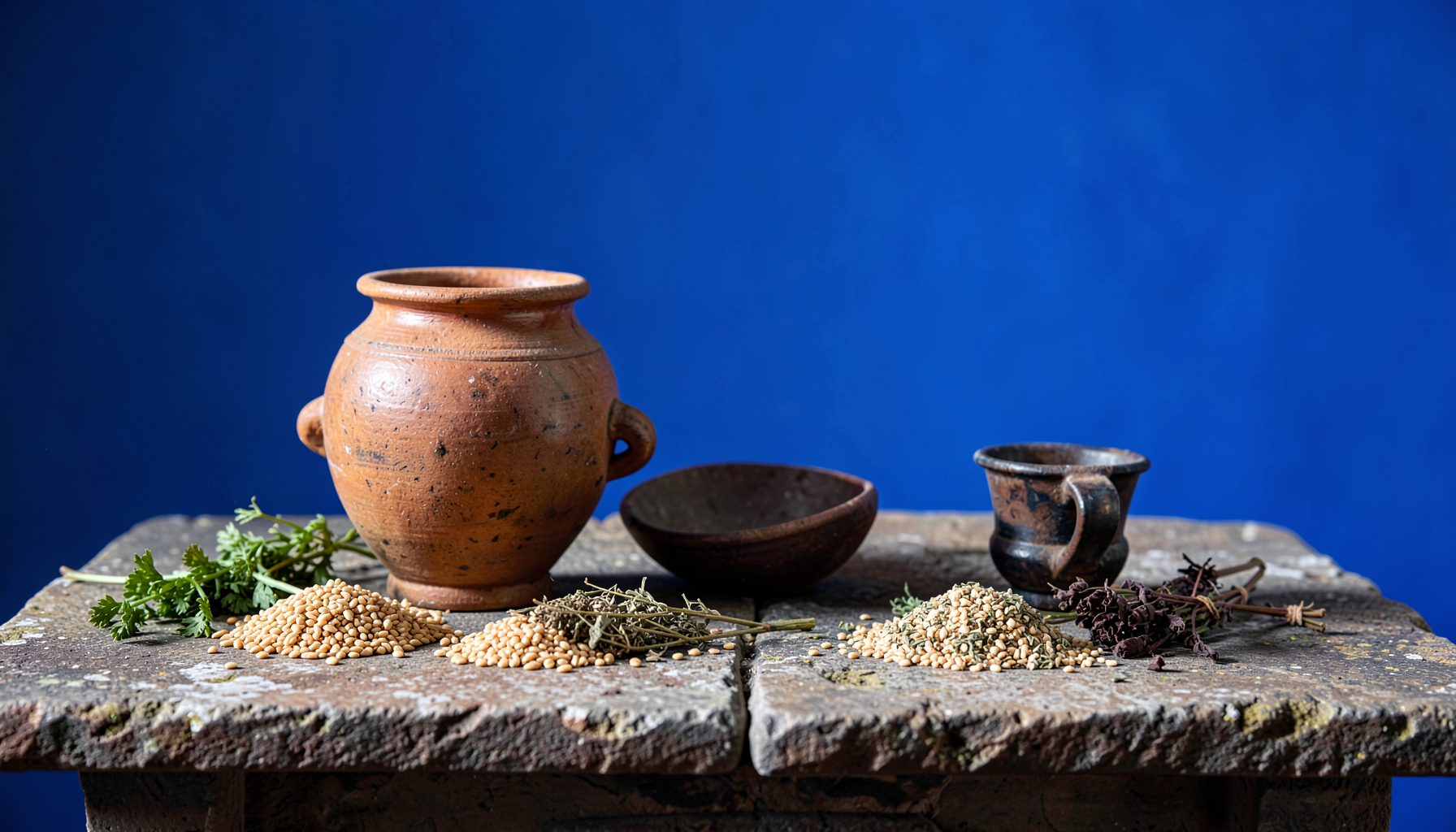
Cumin completes the trio, providing the resinous warmth that defines many Roman meat dishes. The Romans used both black and white cumin, with the white variety milder and more frequently called for in delicate preparations. Toast the seeds in a dry pan over medium heat until fragrant, then crush them in a mortar. The following table compares these ancient staples with their readily available Australian substitutes.
| Ancient Ingredient | Function in Dish | Modern Substitute Available in Australia |
|---|---|---|
| Garum | Salt and umami base | Asian fish sauce or anchovy paste |
| Defrutum | Sweetener and glaze | Reduced grape juice or mild honey |
| Cumin seeds | Aromatic warmth | Whole cumin, toasted and ground |
| Dried plums | Sweetness and body | Imported pitted prunes |
| Lovage | Herbal lift | Celery leaves or fresh parsley |
Cooking the Shoulder Step by Step
Begin by scoring the skin of the shoulder in a tight diamond pattern, taking care not to cut into the meat. Rub the surface with sea salt, freshly ground black pepper, and half the crushed cumin, then leave the shoulder uncovered in the refrigerator for at least twelve hours. This dry-brining stage mimics the salt curing that Roman cooks applied to pork shoulder before longer treatments, and it seasons the meat deeply while drawing off excess moisture.
The next day, render the skin side down in a heavy casserole over low heat until the fat begins to soften and turn golden. Pour off excess fat, then add a cup of fish sauce, a cup of reduced grape syrup, and the remaining cumin along with a handful of pitted prunes. Pour in enough water or light wine to come halfway up the shoulder, then cover and transfer to an oven set at 150°C. Braise for three to four hours, basting every forty minutes, until the meat pulls cleanly from the bone.
In the final hour, uncover the pot and raise the heat to 180°C to concentrate the sauce. The prunes should have broken down into the braising liquid, thickening it naturally and lending a glossy sheen. Remove the shoulder and let it rest under foil while you skim the sauce and adjust the seasoning with a splash of wine vinegar. Slice across the grain and spoon the sauce over each portion. The sweet-savoury balance will be familiar to anyone who enjoys the sticky, spiced pork served at Christmas markets across Melbourne and Hobart.
Eating Perna the Roman Way
Roman dining culture treated meat dishes as centrepieces, surrounded by vegetables, breads, and relishes. Perna would typically appear as part of a cena, the main evening meal, alongside puls (a thick grain porridge), olives, cheese, and raw or pickled vegetables. A modern host in Sydney or Perth can recreate this arrangement by serving the shoulder with a coarse wheat porridge, dressed greens, and a plate of marinated olives. The sense of abundance matters as much as any single dish.
Wine was the standard accompaniment, often mixed with water and sometimes flavoured with herbs. A medium-bodied red from McLaren Vale or the Hunter Valley complements the sweetness of the prunes without overpowering the cumin. If wine is not served, a sharp verjuice or unsweetened pomegranate juice echoes the acidic edge that Romans favoured in their beverages.
Communal eating was the norm, with diners reclining on couches for formal occasions and sitting at tables for everyday meals. Even a casual dinner party in Canberra or Geelong can borrow something from this approach by presenting the pork shoulder whole on a large platter, allowing guests to serve themselves. For readers interested in the wider social context of who actually ate dishes like perna, the grain dole and public kitchens of imperial Rome offer a useful contrast to the banquet table.
Historical Threads and a Living Tradition
The dish belongs to a network of foodways that stretched across the Roman world, from the olive oil amphorae of southern Spain to the spice ports of the Red Sea. Pork shoulder with prunes and cumin reflects the empire's capacity to combine ingredients from distant regions into a single plate. The same connective tissue links to feasts held in sacred groves elsewhere in ancient Europe, where different meats and grains played similar ceremonial roles, as shown in accounts of Celtic grove feasts with acorn bread and venison.
Bringing perna to a modern Australian table is less about strict authenticity than about engaging with a culinary lineage. The recipe invites cooks to think about how flavour travels, how scarcity shaped ancient menus, and how preservation techniques like braising and reduction still serve contemporary kitchens. Sharing the dish with friends or neighbours extends the social dimension that made Roman food more than mere sustenance.
Try the recipe on a cold weekend, photograph the result, and share a note on your own kitchen blog or community newsletter. If you have access to a wood-fired oven through a pizza night in your suburb, even better - the radiant heat will tighten the skin in a way that recalls the brick hearths of Pompeii. Subscribers to Archeoricette receive a printable recipe card, a sourcing list for Australian shops, and notes on every variant tested in the project kitchen.