The Celts’ Sacred Grove Feasts With Acorn Bread And Venison
A meal beneath ancient trees can seem wonderfully vivid: smoke drifting through oak branches, venison roasting over embers, and coarse acorn loaves shared from wooden platters. Yet the Celtic world was not a single kingdom with one standard menu or ritual calendar. It covered communities across Ireland, Britain, Gaul, Iberia and parts of central Europe, each shaped by its own landscapes, trade routes and customs.
The evidence for sacred grove feasts comes from several different sources. Classical writers describe wooded sanctuaries, archaeology reveals hearths, animal remains and imported vessels, while later Welsh and Irish literature preserves memories of feasting and supernatural woodland places. A modern reconstruction must therefore separate what is documented from what is plausible. The result can still be a compelling historical meal, provided the ingredients and ceremony are handled with care.
Groves, Sanctuaries And Seasonal Gatherings
The Latin word nemeton is associated with a sacred grove or sanctuary among several Celtic-speaking communities. Place names containing related forms appear across Europe, including locations in Gaul and Britain. These sites were not necessarily dense forests untouched by people. A sacred grove might include a clearing, a spring, a shrine, a standing stone or a timber structure where offerings and communal gatherings took place.
Roman accounts often portray Celtic religious practice through an outsider’s lens, so their descriptions need careful reading. Archaeological discoveries provide firmer details: animal bones, metal objects, coins, pottery, weapons and traces of fire. At some sanctuaries, offerings appear to have been deposited rather than eaten. At others, evidence suggests that ritual meals and ordinary hospitality could overlap.
A feast held in such a setting may have marked a seasonal transition, a treaty, a victory, a funeral or a community gathering. Food carried social meaning. The person who supplied a deer, the household that brewed ale, and the group responsible for preparing grain each contributed to the standing of the event. Sharing the meal under the trees created a temporary community beyond the boundaries of a single farmstead.
For an Australian audience, the closest visual comparison might be a gathering in a bush reserve or around a campfire at a regional festival, though the religious meanings were entirely different. A grove feast should not be presented as an ancient version of an Australian bush tucker event, and Indigenous Australian traditions must never be used as a decorative substitute for missing Celtic evidence.
Acorns, Grain And The Making Of Bread
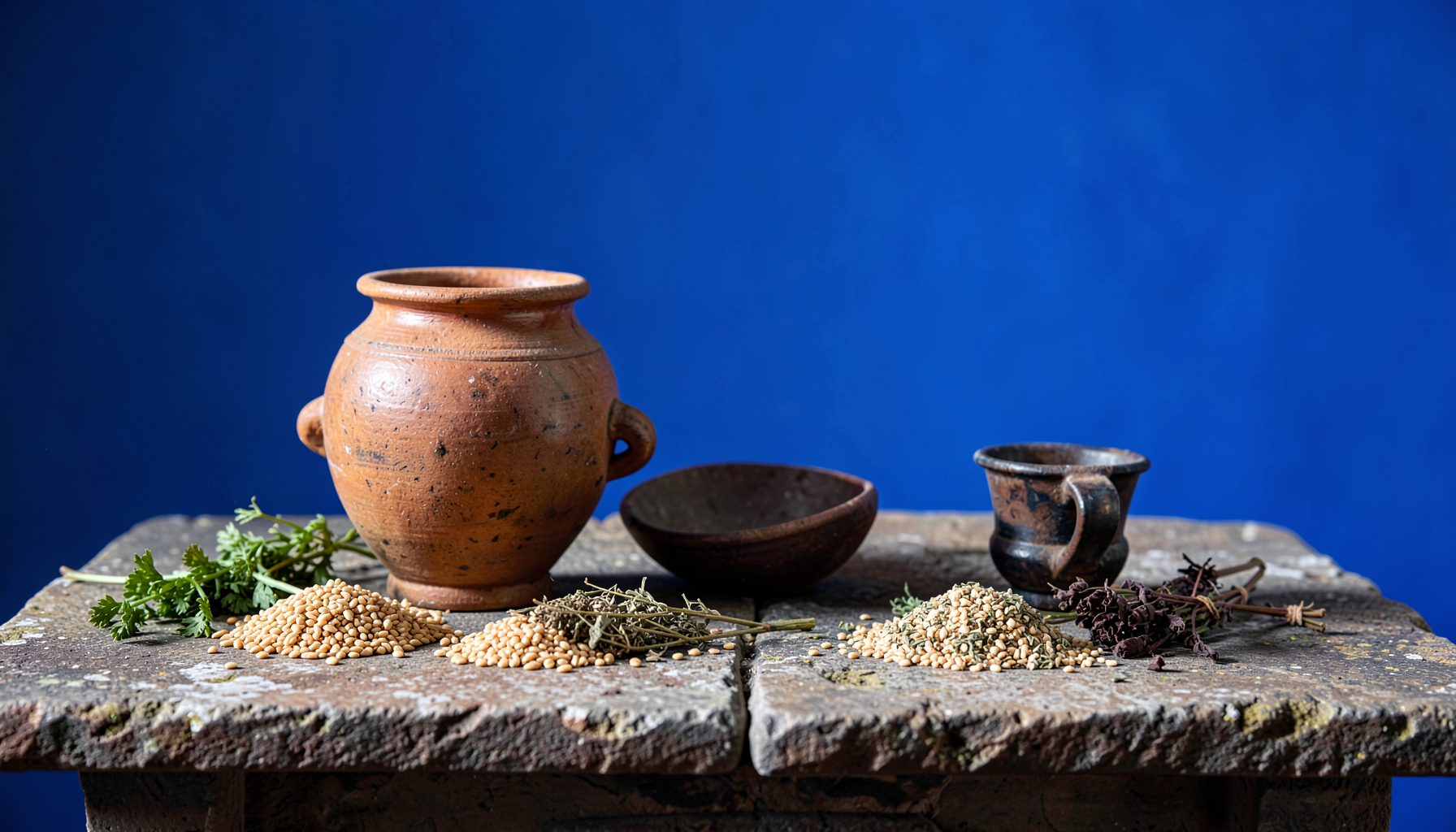
Acorns were an important wild food in parts of prehistoric and Iron Age Europe, especially where oak woodland was widespread. They contain useful starch and fat, but raw acorns are bitter because of their tannins. To make them edible, cooks had to crack, shell, dry and grind them, then leach the meal repeatedly in water. Boiling or soaking in several changes of water reduced the bitterness before the acorn paste was mixed into dough.
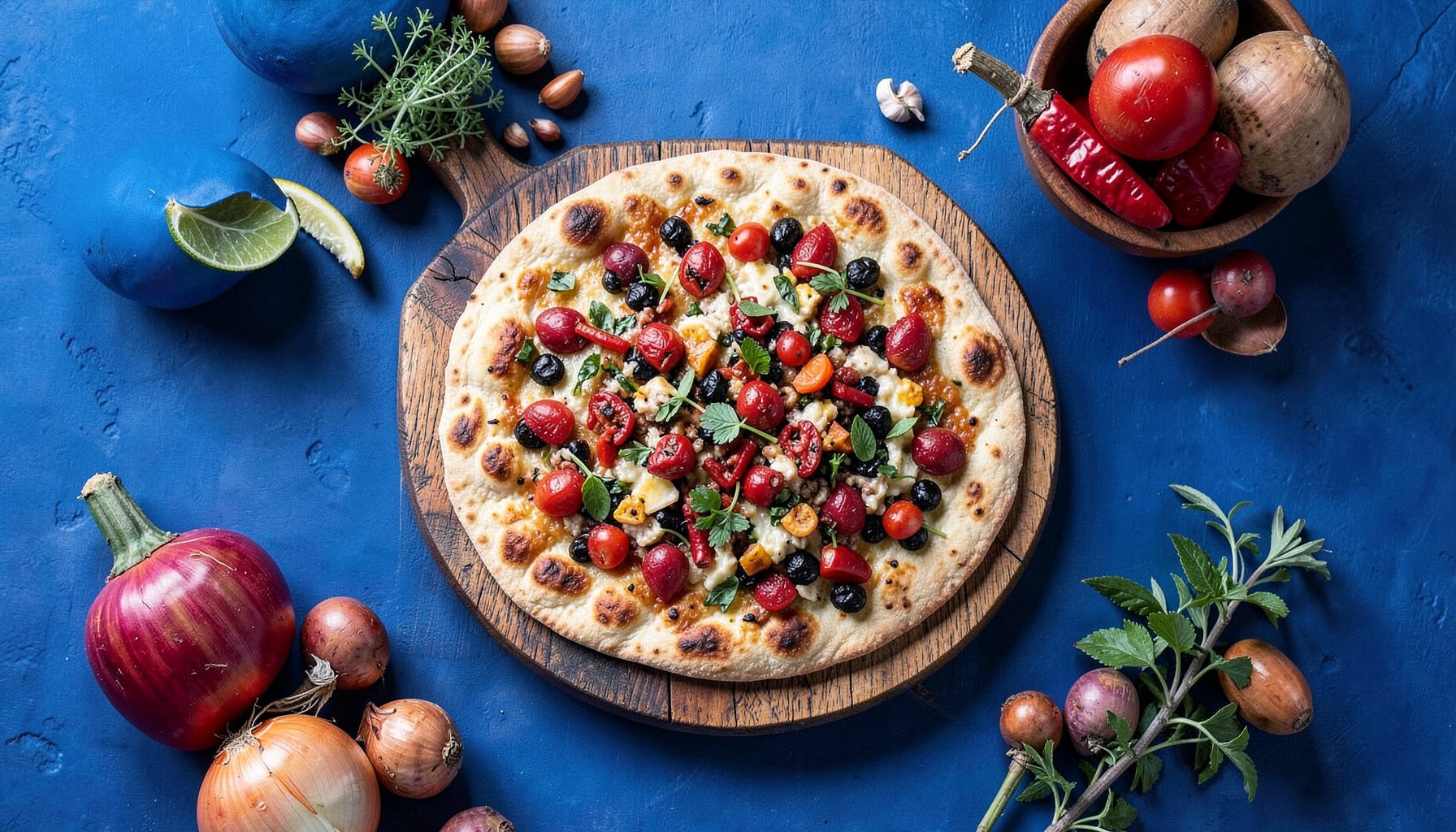
Acorn flour produces a dense, nutty loaf rather than a light modern sandwich bread. It contains little gluten, so a practical reconstruction would combine it with a cereal such as emmer, spelt or barley. The finished bread might be shaped into flat rounds and baked on a heated stone, inside a covered clay oven or beside a carefully managed hearth.
For comparison, the techniques discussed in Roman emmer bread help demonstrate how ancient bakers could work with whole grains, hand milling and low-tech ovens. The Celtic loaf would not be Roman simply because it uses emmer; cereal cultivation, grinding and baking methods circulated widely across Iron Age Europe.
A reconstruction for a kitchen in Melbourne, Hobart or regional New South Wales could use food-grade acorn flour sourced from a specialist supplier, but preparation instructions should be followed closely. Australian oak species and introduced oaks vary in flavour and tannin levels, and acorns gathered from public parks may carry pesticides, pollutants or fungal contamination. Commercially prepared flour is the safer route for a demonstration meal.
Ingredients For A Reconstructed Loaf
- 250 grams emmer, spelt or wholemeal flour
- 100 grams prepared acorn flour
- Water, salt and a small amount of sourdough starter
- Optional crushed hazelnuts or linseeds for texture
The bread can be fermented overnight, shaped into thick rounds and baked on a preheated tray or stone. A modern oven changes the result, yet the earthy aroma and compact crumb communicate something of the original foodway. It is better to acknowledge that compromise than to claim an exact Iron Age loaf.
Venison, Hunting And The Politics Of Meat
Red deer were present in parts of the Celtic world, although their distribution changed over time and differed between regions. Deer bones occur at settlements and ritual sites, while hunting scenes appear in later Celtic art and mythology. Venison would have been a valuable feast food, especially when obtained through a communal hunt or presented by an elite host.
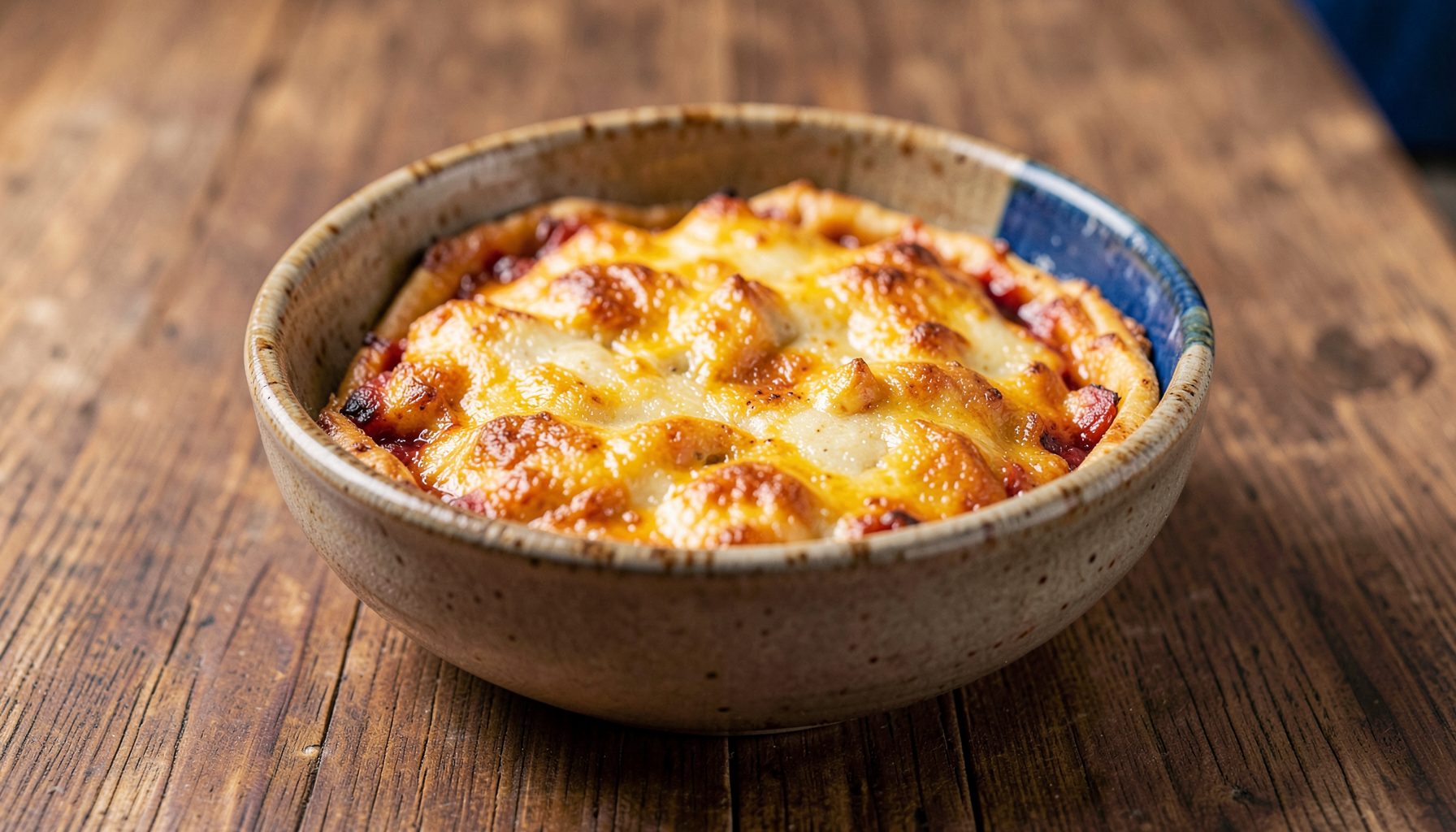
A whole deer was unlikely to be treated like a neatly trimmed supermarket roast. Butchery would divide the carcass into joints, ribs, neck, offal and bones for stock. Some cuts could be roasted over a spit, while tougher pieces benefited from slow cooking in a cauldron with water, ale, onions, herbs and wild greens. Fat and marrow helped enrich a diet that otherwise relied heavily on cereals, pulses, dairy and gathered foods.
The status of venison depended on access. A hunter, chieftain or landholding household could turn a successful kill into a public display of generosity. Guests might receive portions according to rank, age or relationship. The best cuts could go to honoured visitors, while scraps, organs and broth ensured that the animal was used thoroughly.
In contemporary Australia, legal access is a major consideration. Farmed venison from a reputable butcher is the sensible option for a historical dinner in Adelaide, Brisbane or Perth. Wild game regulations differ between states and territories, and illegally sourced meat has serious food-safety and conservation risks. A reconstruction should evoke the social importance of venison without encouraging unlicensed hunting.
Fire, Drink And The Shape Of The Feast
The cooking fire was the centre of the meal, providing heat, light and a visible focus for storytelling. A reconstruction might place the venison on a spit, warm the bread at the edge of the embers and simmer a stew in a suspended pot. Smoke would have flavoured the food, while ash, sparks and changing weather shaped the rhythm of preparation.
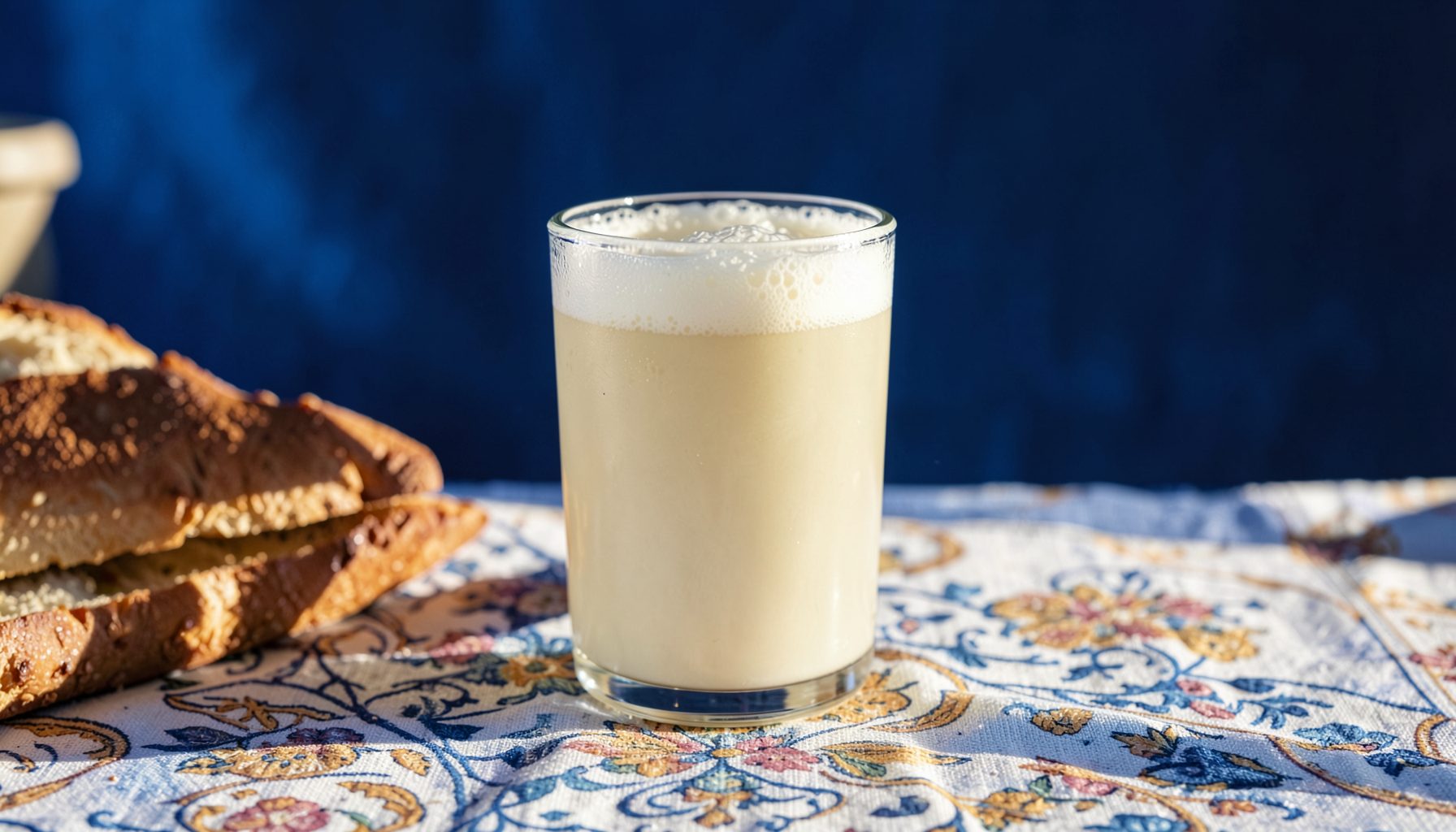
Fermented drinks probably varied according to region and available crops. Grain-based ale is a reasonable choice for many communities, although honey beverages, fruit wines and imported Mediterranean wines also appear in different contexts. Archaeological vessels can reveal drinking practices, but they rarely tell us exactly what each cup contained. A modern feast can serve a lightly hopped ale, mead or a non-alcoholic barley drink while explaining the uncertainty.
Salt, herbs and berries would have helped preserve and season food. Finds of salt production, grinding stones and imported goods show that flavour was connected to trade. Local Australian ingredients can create a respectful interpretive bridge: wattleseed may offer a roasted nuttiness alongside the acorn bread, while mountain pepper or saltbush can supply a distinctly local accent. These are modern adaptations, not claims that ancient Celts used Australian plants.
A gathering near Canberra, the Blue Mountains or the Otways should also follow current fire restrictions. Open flames in parks and bushland may be prohibited, particularly during the warmer months. A gas spit, enclosed brazier or indoor demonstration can reproduce the techniques without placing woodland at risk.
A Plausible Feast Sequence
- Welcome guests with bread, salt and a small cup of ale
- Serve venison broth before the roasted or stewed meat
- Pass acorn-and-grain loaves with soft cheese and preserved fruit
- Finish with hazelnuts, apples or honeyed cakes
Reconstructing The Meaning Without Inventing Certainty
The strongest historical reconstruction makes its limits visible. We can say that acorns were processed, deer were eaten and sacred places existed. We can suggest that feasting connected food with identity, obligation and religious activity. We cannot confidently assign a single menu to every Celtic community or describe a universal grove ceremony from scattered evidence.
This distinction matters when presenting the meal to visitors, students or readers. A recipe can carry notes explaining which elements are archaeological, which come from classical testimony, and which are practical choices made by a modern cook. The serving vessels might be inspired by Iron Age pottery, while the kitchen thermometer and commercial flour remain openly modern tools.
Archeoricette’s latest food history reports provide a useful setting for following new research, event accounts and experimental approaches to ancient cuisine. Such work benefits from collaboration between archaeologists, historians, food producers and cooks. It also benefits from resisting the temptation to turn every mysterious woodland site into a dramatic ritual banquet.
For an Australian event, the most responsible format could be a guided tasting at a museum, heritage farm or farmers’ market. Explain the difference between archaeological evidence and imaginative reconstruction, identify every modern ingredient, and invite guests to consider how food changes when it moves from household nourishment to public ceremony. The grove then becomes more than a backdrop: it becomes a way to discuss land, labour, memory and belonging.
Bring the feast to life with a carefully sourced venison dish, properly prepared acorn bread and a clear account of what is known and what remains uncertain. A small gathering around a safe hearth, supported by notes on Iron Age agriculture and ritual practice, can turn an ancient foodway into an engaging Australian historical experience.