Recreating the Greek dessert gastrin with honey and nuts
Gastrin is one of the most intriguing sweet preparations associated with ancient Greece. It combines honey, nuts, seeds, spices, and a crisp or layered pastry element in a dessert that sits somewhere between a confection, a filled cake, and a ceremonial treat. Its appeal today lies in the balance of textures: fragrant syrup, toasted ingredients, and a thin shell that breaks beneath the teeth.
The surviving description is brief rather than a complete modern recipe. Gastrin appears in Athenaeus’ Deipnosophistae, a later Greek work that preserves valuable information about earlier foodways. The passage gives enough clues to attempt a reconstruction, but it does not specify every quantity, cooking time, or kitchen technique. Any contemporary version must therefore distinguish between what the text states and what an experimental cook reasonably infers.
The result is best approached as historical interpretation rather than a claim to have recovered one definitive ancient formula. By choosing ingredients that were available in the Greek world and working with simple cooking methods, it is possible to create a dessert that reflects ancient taste without pretending that modern measurements were used in antiquity.
What gastrin may have been
The name gastrin is generally connected with a sweet preparation made from honey, sesame, nuts, and spices. Ancient references suggest a composition involving layers or sheets, with a rich filling enclosed or combined with a pastry-like element. Some reconstructions also include poppy seeds, dried fruit, and pepper, all ingredients that help explain the dessert’s unusual character.
Its closest modern relatives might appear to be baklava, pasteli, or sesame-honey bars, but these comparisons should be used carefully. Gastrin belongs to its own culinary setting. Ancient Mediterranean cooks did not necessarily separate sweet and savory flavors as sharply as modern European dessert traditions often do, so pepper and aromatic herbs could have a legitimate place beside honey and nuts.
The dish may also have carried social meaning. Honey was a prized sweetener, nuts required labor and cultivation, and imported spices signaled access to trade networks. A preparation built from these ingredients would have been suitable for a feast, a religious occasion, or an elite household where time and resources could be devoted to elaborate food.
Reading the ancient evidence
Athenaeus provides the essential literary evidence, but his work is a compilation created centuries after the classical period. He quotes earlier authors and discusses food in a learned, sometimes playful setting. This means that the description of gastrin is important, yet it should be read alongside archaeological evidence for ingredients, cooking vessels, milling, and ancient methods of preserving food.
The word “recipe” can also mislead. Ancient culinary writing rarely follows the format of a modern cookbook. Instructions may assume that the cook already knows how to roast sesame, judge honey by appearance, or prepare dough by touch. A short list of ingredients could therefore contain much more practical knowledge than it appears to a modern reader.
For reconstruction, the safest method is to establish a core version from the clearest evidence. Honey, sesame, and nuts form that core. Spices and dried fruits can be added in restrained quantities, while pastry can be interpreted through a thin dough made from flour, water, and oil. This produces a plausible working model without presenting uncertain details as fact.
Choosing ingredients for a modern kitchen
The honey should be aromatic but not overwhelmingly floral. Wildflower, thyme, or chestnut honey can all work, although a strongly bitter honey may dominate the other ingredients. Ancient honey varied according to landscape and season, so there is no need to search for one historically “correct” variety.
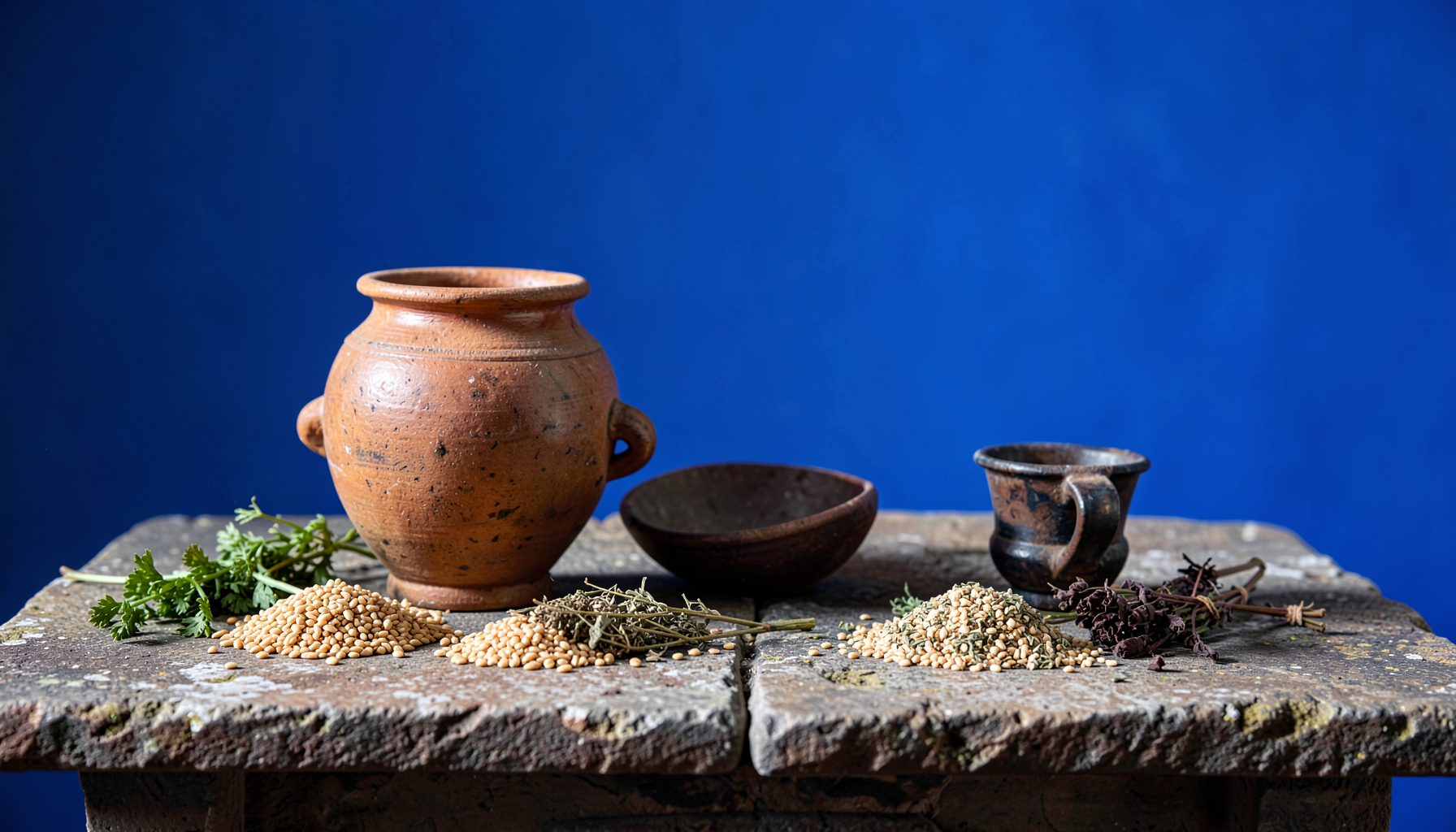
Sesame is essential because it contributes both flavor and texture. Toasting it gently deepens its nuttiness, but it should remain pale rather than dark and bitter. Walnuts, almonds, and hazelnuts are reasonable choices for the nut component. Almonds offer a mild, clean flavor; walnuts provide a more pronounced bitterness; hazelnuts create a particularly rich filling.
Spices deserve restraint. A small pinch of freshly ground black pepper can produce the sweet heat suggested by some reconstructions. Coriander seed, cumin, or cinnamon may be considered depending on the interpretation, but adding every possible ancient spice at once can obscure the central flavors. Dried figs or raisins supply fruitiness and a chewy contrast, although they should remain secondary to the honey and seeds.
| Component | Practical modern choice | Culinary purpose |
|---|---|---|
| Honey | Wildflower or thyme honey | Sweetness, binding, aroma |
| Sesame | Lightly toasted sesame seeds | Nutty flavor and crunch |
| Nuts | Almonds, walnuts, or hazelnuts | Body and richness |
| Pastry | Thin flour-and-water dough with oil | Crisp outer or layered element |
| Spice | Black pepper or coriander | Fragrance and gentle warmth |
| Fruit | Fig or raisin, used sparingly | Chewiness and natural sweetness |
Building the dessert step by step
Begin by preparing the nut and seed mixture. Toast the sesame in a dry pan until fragrant, then set it aside. Toast the chopped nuts separately because they may brown at a different rate. Once cool, combine them with finely chopped dried fig or raisin if using. The mixture should be coarse enough to retain texture rather than becoming a paste.
Warm honey in a small saucepan over low heat. It should become fluid but should not be boiled aggressively. Ancient cooks could have reduced honey to a thicker consistency, yet prolonged high heat risks caramelizing it and producing a flavor that overwhelms the delicate roasted ingredients. Stir a portion of the warm honey into the nut mixture until it holds together.
Prepare a simple dough from flour, water, and a little olive oil. Roll it as thinly as possible, then use it as a base, cover, or separate layers according to the desired reconstruction. A baking dish lined with one sheet of dough gives a practical structure: spread the honeyed nut filling across it, cover with another thin sheet, brush the surface with oil, and bake until crisp and golden.
For a less pastry-centered version, the mixture can be pressed into a shallow dish and cooled until firm, creating a sesame-and-honey confection. That form may resemble a seed cake more closely than a layered dessert, but it is useful when the available evidence does not justify a more elaborate interpretation.
Balancing texture, sweetness, and heat
Modern honey desserts often become excessively sweet because sugar is added alongside honey. Gastrin does not need additional refined sugar. The sweetness should come from the honey and any dried fruit, while toasted sesame, nuts, and spice prevent the result from becoming flat.
Texture is central to the experience. A successful reconstruction should offer resistance from the pastry, a slight chew from the honey binding, and a crisp fracture from the seeds and nuts. If the filling is too wet, the pastry will soften quickly. If the honey is reduced too far, the mixture may become hard and difficult to cut.
Pepper is best added with a light hand. It should appear after the honey has been tasted, creating warmth at the back of the mouth rather than a distinctly peppery first impression. This contrast helps explain why an ancient cook might have valued the ingredient in a sweet preparation.
Serving temperature also matters. Gastrin can be eaten warm when the honey is soft, but cooling allows the layers to settle and the filling to firm. Cut it into small pieces, since the combination of concentrated honey and nuts makes it more substantial than a modern sponge cake or biscuit.
Placing gastrin in a Greek meal
A dessert like gastrin makes most sense when considered as part of a wider meal rather than as an isolated recipe. Ancient Greek dining involved different forms of hospitality, from ordinary household meals to formal drinking parties. Sweet foods could accompany wine, follow savory dishes, or appear during special celebrations.
A reconstructed Greek symposium menu offers useful context for thinking about sequence and service. Gastrin could be presented in small portions after fruit and before or alongside wine, allowing its intense sweetness to function as a final accent rather than the centerpiece of the entire meal.
The drink pairing should be chosen with care. A lightly diluted sweet wine or a dry aromatic wine can work better than a heavily oaked modern dessert wine. Water scented with herbs would also provide a refreshing contrast. The goal is to preserve the rhythm of a shared meal, where conversation, drinking, and small portions shaped the experience.
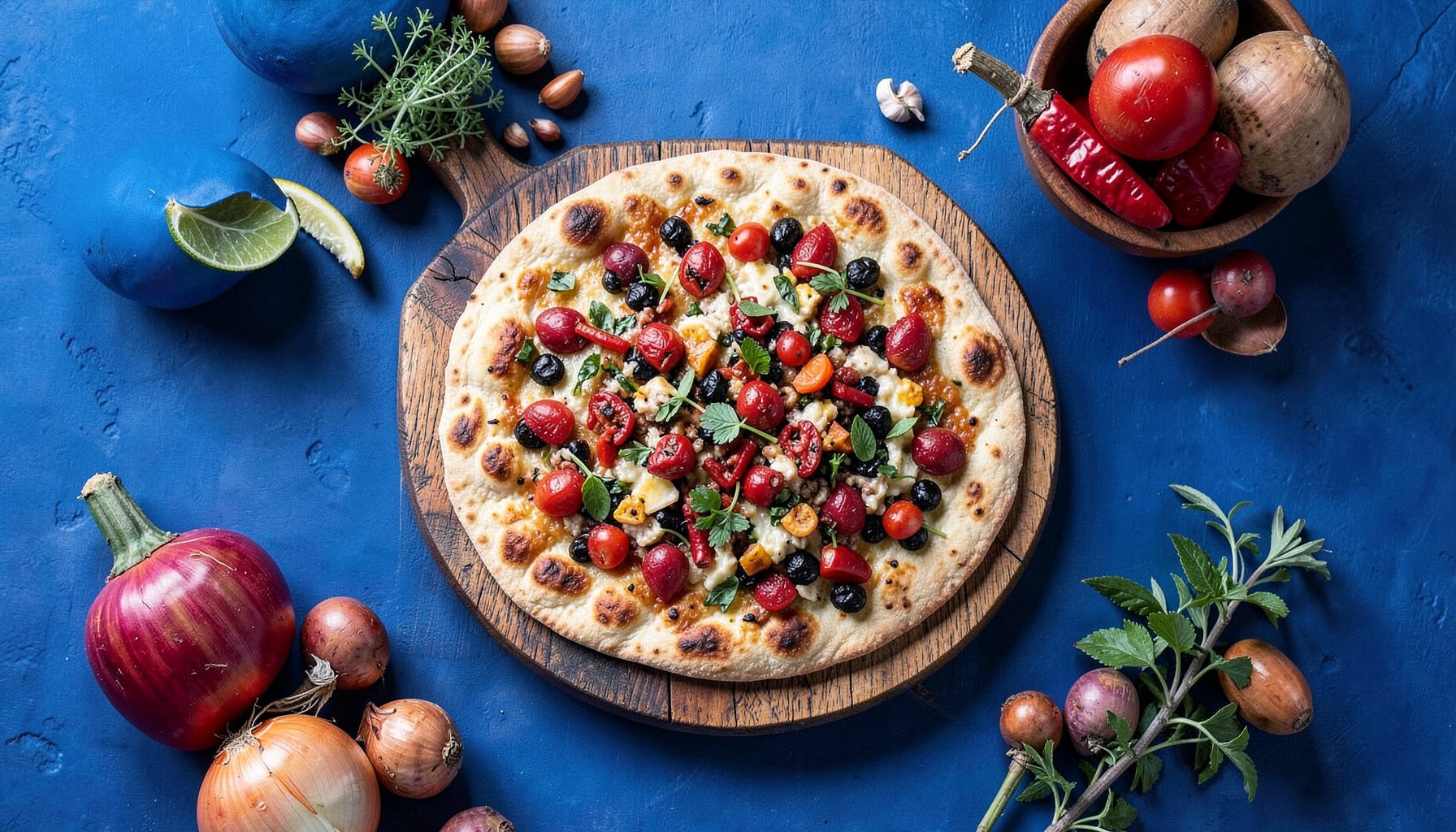
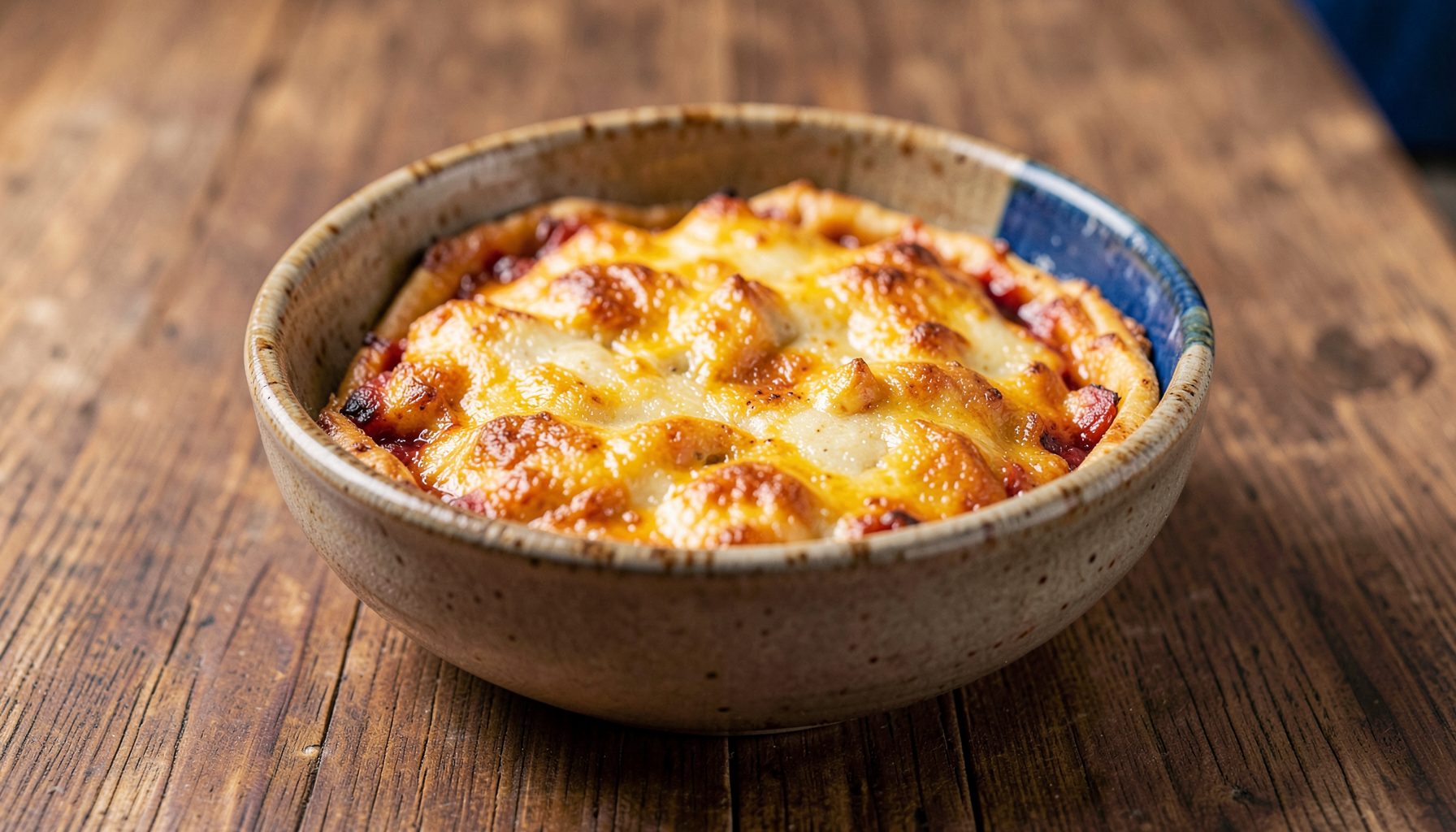
Presentation does not require elaborate decoration. A plain ceramic dish, a scattering of sesame, or a few whole nuts communicates the ingredients more honestly than contemporary frosting or powdered sugar. The dessert should look handmade and dense, with visible layers and a surface that suggests toasted grain and honey.
Historical cautions for experimental cooks
The reconstruction should avoid ingredients that would radically change the character of the dish. Refined white sugar, vanilla, chocolate, and commercially produced puff pastry may be convenient, but they introduce flavors or techniques that belong to much later culinary histories. Modern equipment is perfectly acceptable; modern ingredients should be chosen with greater care.
Olive oil is a plausible fat for greasing the dough, although its intensity varies. A mild oil allows the honey and nuts to lead, while a peppery extra-virgin oil can add an interesting savory edge. The ancient Mediterranean had many regional food traditions, so variation is more historically believable than a single standardized recipe.
Trade also shaped what could reach Greek kitchens. Sesame, spices, and certain nuts moved through extensive networks linking the eastern Mediterranean with wider regions. The broader story of ancient flavor economies can be seen in the Roman garum trade, where preserved fish sauce became a major commercial product. Sweet ingredients followed similarly complex paths, even when their journeys are less visible in the surviving sources.
Practical choices for a convincing reconstruction
- Use honey as the only major sweetener, adjusting the quantity after tasting the nut mixture.
- Toast sesame and nuts separately so neither burns before the other develops flavor.
- Roll the dough thinly, but do not aim for the delicate uniformity of industrial pastry.
- Add pepper or another spice gradually, keeping the aroma subtle and integrated.
- Serve small pieces with unsweetened wine, fruit, or herbal water for balance.
Sharing an ancient flavor today
Gastrin becomes most rewarding when its uncertainties remain visible. The cook can record which ingredients are directly supported, which are inferred, and how changes in baking or honey concentration affect the final result. Repeating the preparation with different nuts or dough thicknesses turns a historical recipe into a small archaeological experiment.
The finished dessert should be crisp at the edges, fragrant with toasted sesame, and held together by warm honey rather than drowned in syrup. Its sweetness is deep and rounded, while dried fruit and pepper add variation. Each bite suggests the practical intelligence of a cook working with a small group of valuable ingredients.
Prepare a batch for a historically inspired dinner, serve it in modest portions, and explain the evidence behind the reconstruction. By bringing gastrin to the table, you can taste the distance between an ancient text and a modern kitchen while keeping both the scholarship and the pleasure of cooking alive.