Whole Hog Feasts In The Celtic World
A whole hog turning slowly above a fire is an arresting image, especially when the setting is an Iron Age enclosure filled with smoke, music, and hungry guests. For Celtic communities, roasting a large animal could transform cooking into a public performance, linking the labour of preparation with hospitality, status, and ritual.
The phrase “Celtic spit roasting of whole hogs” covers a wide geographical and chronological area. Celtic-speaking communities were never a single culture with one menu, and the evidence comes from places as different as Gaul, Britain, Ireland, and the Alpine regions. Still, large-scale feasting repeatedly appears in archaeology, ancient writing, and later traditions.
A pig was valuable for practical reasons. It supplied meat, fat, skin, and bones, while its size made it suitable for feeding a crowd. A mature animal also required planning: someone had to select it, butcher or dress it, build a strong fire, turn the spit, baste the carcass, and divide the cooked meat fairly.
For Australian readers, the closest modern comparison may be a community spit roast rather than an everyday barbecue. Picture a winter gathering outside Canberra, a historical festival near Ballarat, or a long lunch in regional New South Wales. The equipment is modern, but the social logic of cooking a large animal in public remains remarkably familiar.
Feasting Sites And Social Power
Iron Age feasting sites were more than convenient places to eat. Some were enclosed settlements, hillforts, sanctuaries, elite residences, or specially prepared gathering places. Their archaeological layers can contain broken pottery, animal bones, hearth debris, storage vessels, and signs of repeated occupation.
A feast required surplus. Raising and fattening a hog took time, and surrendering it to a single occasion demonstrated that the host controlled animals, labour, fuel, and food distribution. The animal’s size therefore communicated generosity while quietly advertising wealth and authority.
The roast also created a hierarchy of work. Guests might see the finished spectacle, while cooks and attendants managed the difficult tasks behind it. Turning a carcass for hours was tiring and potentially dangerous. The person controlling the spit controlled the pace of serving, the presentation of prized cuts, and perhaps the order in which important guests were fed.
Ancient writers often described northern European peoples through the lens of warfare, drinking, and lavish hospitality. Their accounts are selective and sometimes biased, but they point towards feasts as political occasions. Alliances could be strengthened over food, while disputes about seating, portions, and honour could become highly charged.
The Pig On The Fire
A whole hog could be cooked in several ways. A long wooden or metal spit might pass through the body, with the carcass supported by forked posts or a framework beside the hearth. Another possibility was indirect roasting near a bed of embers, allowing the heat to circulate without exposing the skin to fierce flames.
The spit needed regular turning to prevent scorching and to distribute heat. Fat rendered from the animal would drip onto the coals, producing smoke and flare-ups. Cooks could use brushes, bunches of herbs, cloth, or containers to baste the skin with fat, salt water, beer, or a seasoned liquid, although the exact mixture cannot usually be identified.
The practical obstacles matter. A large carcass is heavy, awkward, and difficult to rotate evenly. It may need to be opened and cleaned before roasting, and the cavity could be packed with herbs, grains, greens, or smaller cuts of meat. Slow cooking would soften connective tissue, but a poorly managed fire could leave the shoulder underdone while the outer skin blackened.
Modern “Celtic pork” recipes often add ingredients associated with later medieval or modern European cooking. Experimental archaeology should resist presenting these as certain ancient facts. Salt, wild herbs, grains, apples, and fermented drinks are plausible in some regions, yet the safest reconstruction distinguishes evidence from informed interpretation.
What Archaeology Can Reveal
Animal bones rarely preserve the image of a hog turning on a spit. They more often show butchery marks, burning, breakage, age, sex, and the parts of the animal discarded at a site. A concentration of pig bones from several age groups may indicate feasting, but it does not automatically prove that whole carcasses were roasted there.
Metal spits, firedogs, hooks, and large roasting equipment provide stronger clues. Their presence can suggest cooking on a substantial scale, especially when found with hearths and serving vessels. Yet equipment may have been used for many kinds of meat, so interpretation depends on the complete archaeological context.
Useful traces can be divided into two groups:
-
Animal evidence
- Pig bones with cut or chop marks
- Burnt fragments from large communal hearths
- High proportions of shoulder, pelvis, and limb bones
- Signs of repeated butchery and food disposal
-
Cooking and serving evidence
- Long spits, supports, hooks, or firedogs
- Large ceramic vessels and storage jars
- Hearths with thick ash and charcoal deposits
- Enclosures associated with unusual quantities of animal remains
Comparisons across sites are valuable, but they should be made carefully. A rural settlement, a sanctuary, and an elite hillfort may all have served roast pork while using different recipes, tools, and rules of distribution.
Ancient Texts And The Wider Celtic Menu
Written sources offer vivid descriptions of feasting but rarely provide a complete recipe. Greek and Roman authors mention the hospitality, drinking practices, and meat consumption of communities they called Celtic or Gallic. These texts were written by outsiders, often to contrast “northern” customs with Mediterranean ideals.
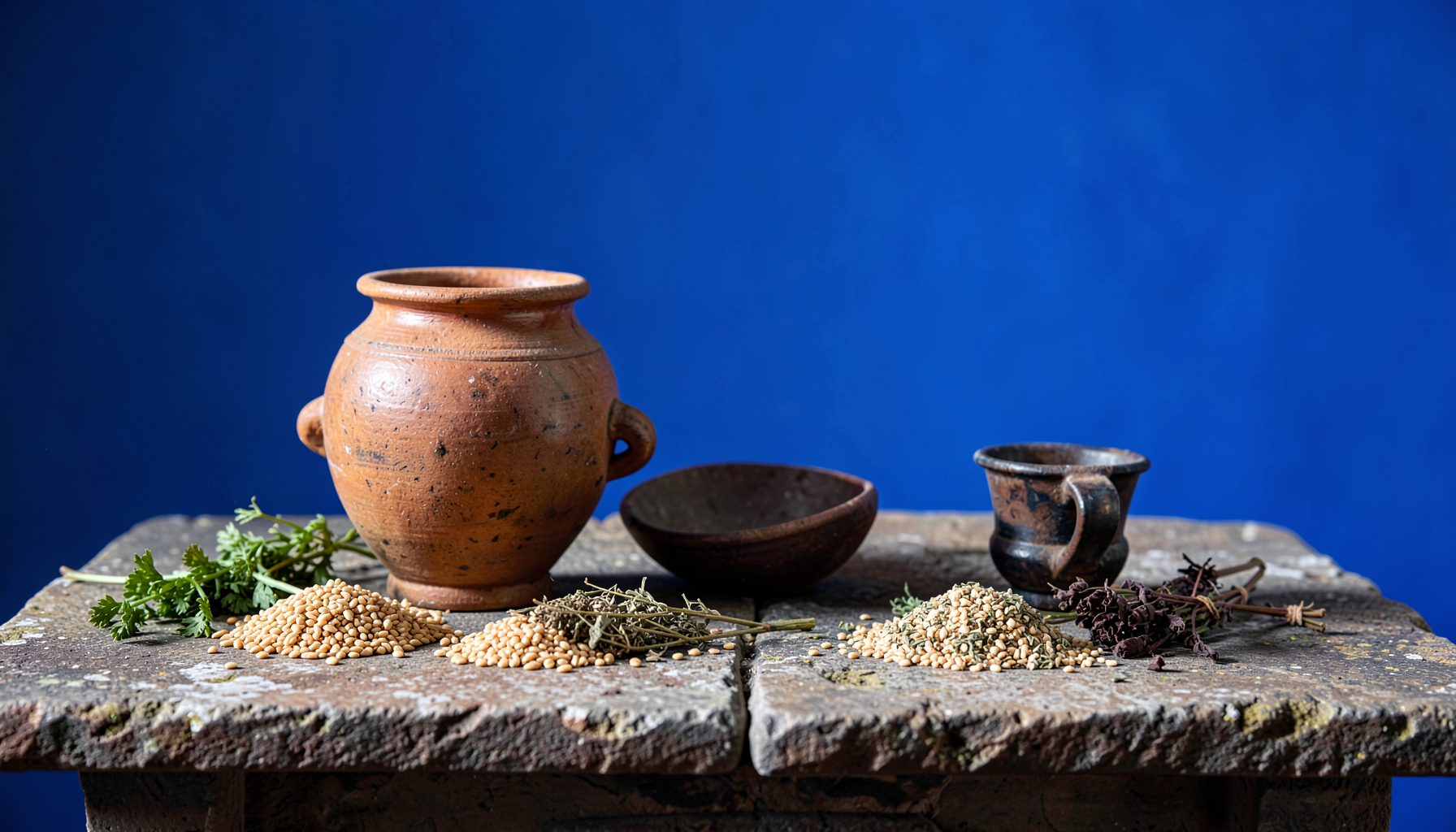
The wider diet included cattle, sheep, goats, pigs, hunted game, fish, grains, legumes, dairy products, and gathered plants. Pork was important in many European Iron Age contexts, but it should not be treated as the sole or universal feast food. A major gathering might feature several animals, bread or porridge, cheese, fermented drinks, and preserved foods.
The status of horse meat is a useful reminder that ancient food customs were complex. Some communities ate horse, while others treated horses as prestigious animals, ritual offerings, or symbols of identity. The horse meat controversy in Gaul shows why a single statement about “what the Celts ate” can conceal regional and political differences.
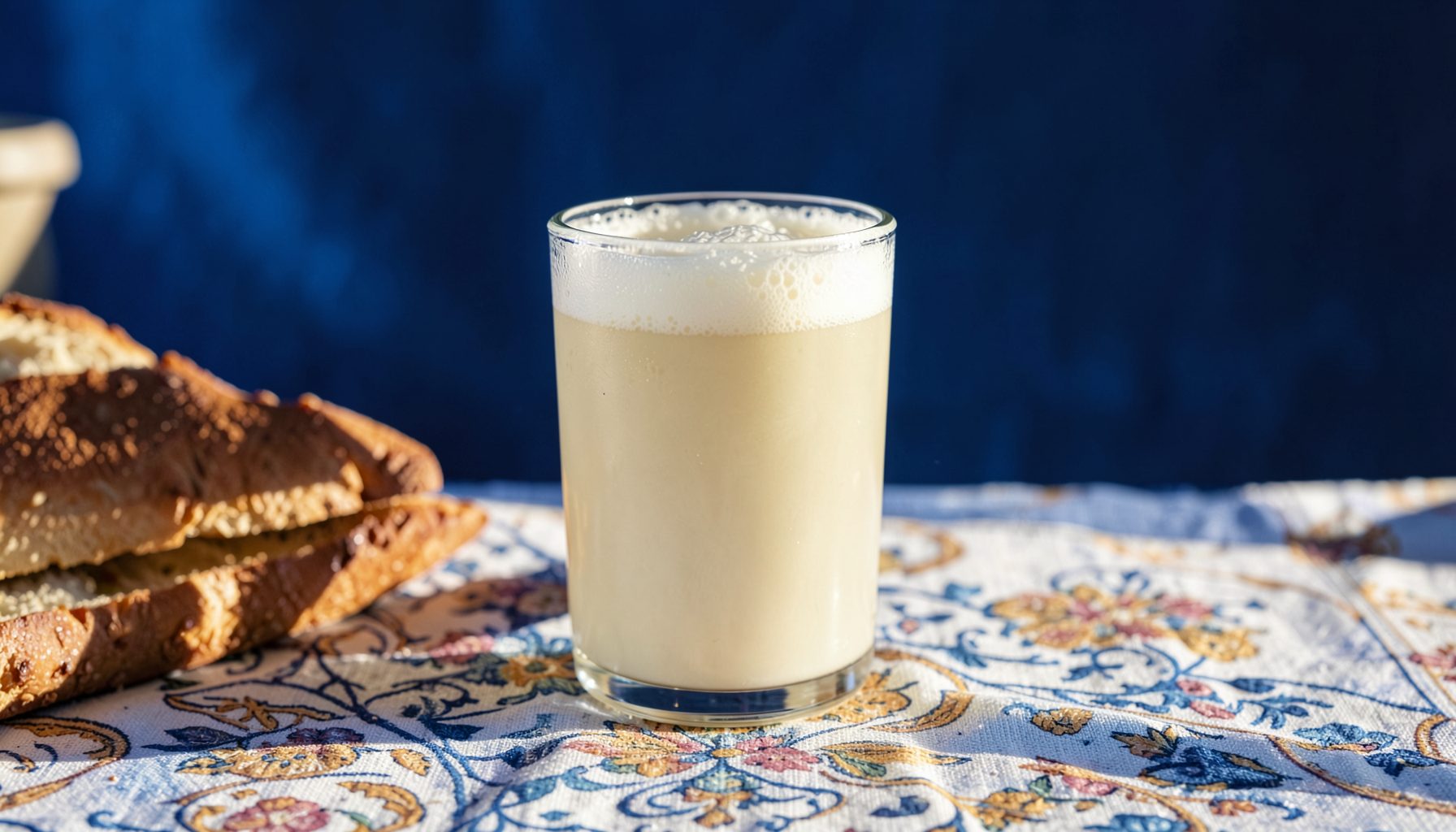
Drinks would have shaped the event as much as the meat. Beer made from grains was widespread in parts of temperate Europe, while imported wine could signal access to long-distance trade and Roman goods. Sharing a drink from a communal vessel may have marked belonging, rank, or a formal agreement.
Recreating A Feast Without Pretending Certainty
A responsible reconstruction begins with the site rather than a fantasy of generic Celtic life. If the evidence comes from Iron Age Britain, ingredients and equipment should reflect that region as closely as possible. A reconstruction inspired by Gaul should acknowledge Roman contact, imported goods, and changing cooking practices.
For an Australian event, a whole-animal demonstration must also follow present-day food regulations. Commercial kitchens, registered caterers, temperature control, safe handling, and approved suppliers are essential. Fire restrictions can affect outdoor cooking, particularly during dry conditions in South Australia, Victoria, New South Wales, and Western Australia.
The modern market creates further differences. A heritage festival might source a pig from a local butcher, while a restaurant may use a specialist farm promoting free-range or pasture-raised meat. In Melbourne and Sydney, audiences may expect provenance and ethical sourcing; in regional towns, the language of a “proper spit” and a generous feed may be more persuasive than elaborate historical branding.
The aim is to make the evidence visible. Explain which parts are documented, which are inferred, and which are modern adaptations. That approach is more engaging than claiming that every herb, tool, or serving custom has been recovered intact.
From Ancient Hearth To Australian Gathering
A practical comparison helps separate the ancient setting from a modern recreation. The basic action—cooking a large animal slowly for a crowd—can be shared, while the infrastructure, ingredients, and regulations are very different.
| Feature | Iron Age Celtic feast | Contemporary Australian recreation |
|---|---|---|
| Cooking site | Hearth, enclosure, settlement, or sanctuary | Festival ground, farm, restaurant, or private property |
| Heat source | Wood fire and embers | Gas, charcoal, or managed hardwood fire |
| Equipment | Wooden or metal spit, posts, hooks, firedogs | Rated spit motor, stainless-steel frame, trays |
| Food control | Custom, status, and communal authority | Food-safety law, caterers, temperature checks |
| Flavouring | Salt, herbs, grains, fermented drinks, local produce | Brine, spice rubs, native herbs, sauces, or cider |
| Social purpose | Alliance, ritual, prestige, redistribution | Celebration, heritage education, fundraising, hospitality |
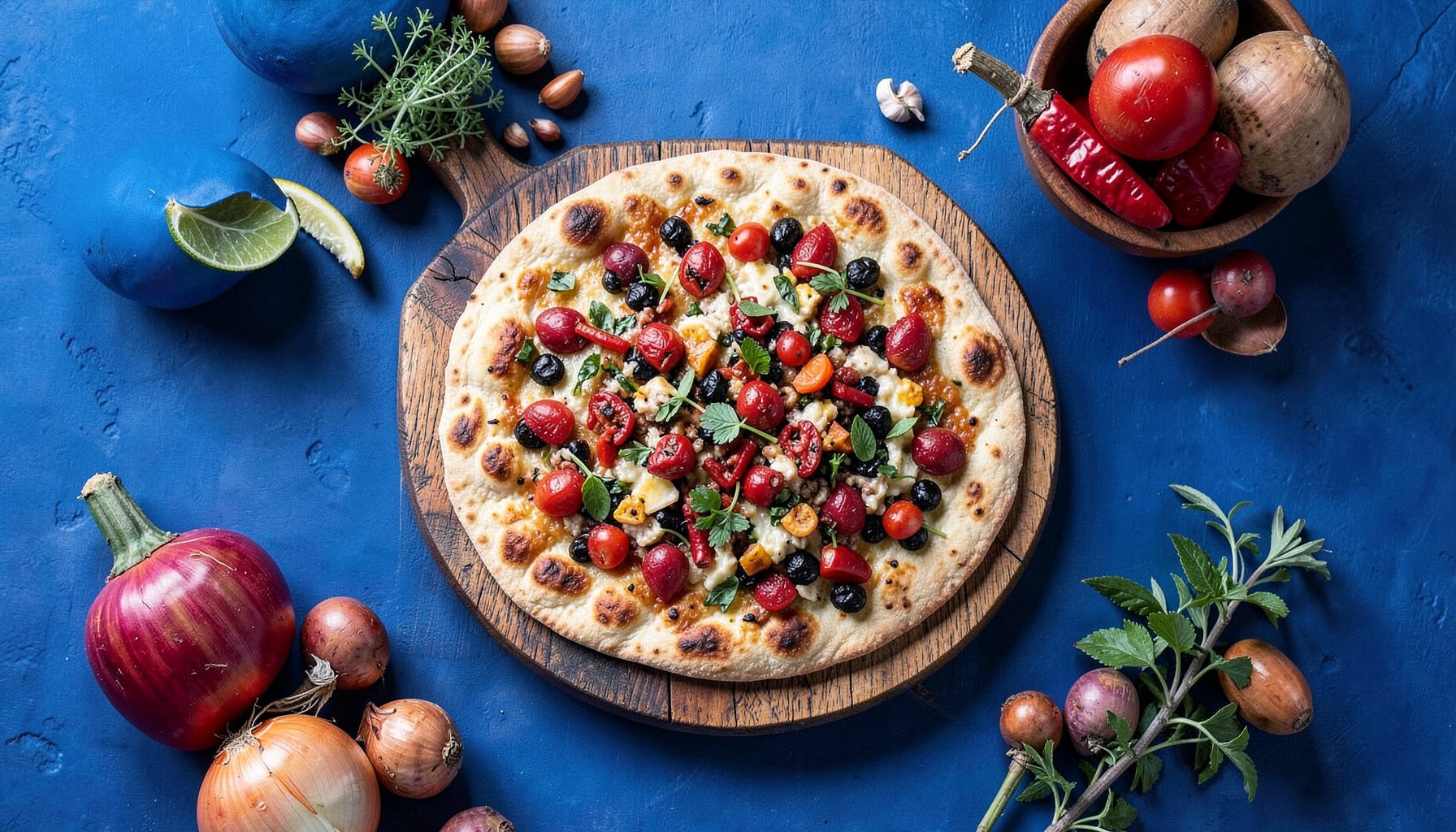
A reconstruction might pair slow-roasted pork with barley cakes, fresh greens, apples, mustard, and a lightly fermented grain drink. Native Australian ingredients could appear as clearly labelled modern additions rather than being presented as ancient Celtic foods. Pepperberry, wattleseed, or lemon myrtle may create an excellent local connection, but they belong to a different culinary history.
For deeper research into ancient foodways, recipes, and experimental interpretation, explore the wider Archeoricette research project. Its approach suits this subject: begin with material evidence, read ancient sources critically, and allow uncertainty to remain part of the story.
Recreate the gathering with a documented menu, a carefully managed fire, and an explanation of how the evidence has been interpreted. A whole hog turning above the embers can then become more than spectacle: it can show how food, labour, authority, and communal memory came together at ancient feasting sites.