Wild fennel and fennel pollen in the Etruscan tradition
The Etruscan people inhabited the Italian peninsula long before the rise of Rome, building cities, cultivating vineyards, and shaping a cuisine that merged local ingredients with borrowed techniques from Greek and Near Eastern neighbours. Among the aromatic plants that grew freely across their sun-drenched hills, wild fennel held a place of quiet importance, prized both for its flavour and for the symbolic weight it carried in ritual life.
Centuries later, cooks in modern kitchens rediscover this ancient herb, treating its pollen as a precious seasoning and its fronds as a versatile vegetable. The journey from Etruscan hearths to contemporary tables passes through texts, archaeology, and a growing community of enthusiasts who experiment with recipes rooted in deep history.
The Etruscan landscape and the abundance of wild fennel
The Etruria region stretched from the Arno to the Tiber, encompassing rolling hills, coastal plains, and mineral deposits that made the land fertile for Mediterranean herbs. Fennel (Foeniculum vulgare) grew spontaneously along roadsides, in olive groves, and on the edges of cultivated fields, where its feathery fronds and bright yellow flowers marked the changing seasons. Etruscan farmers likely harvested wild stands rather than cultivating the plant formally, gathering tender shoots in spring and mature seed heads in late summer for drying.
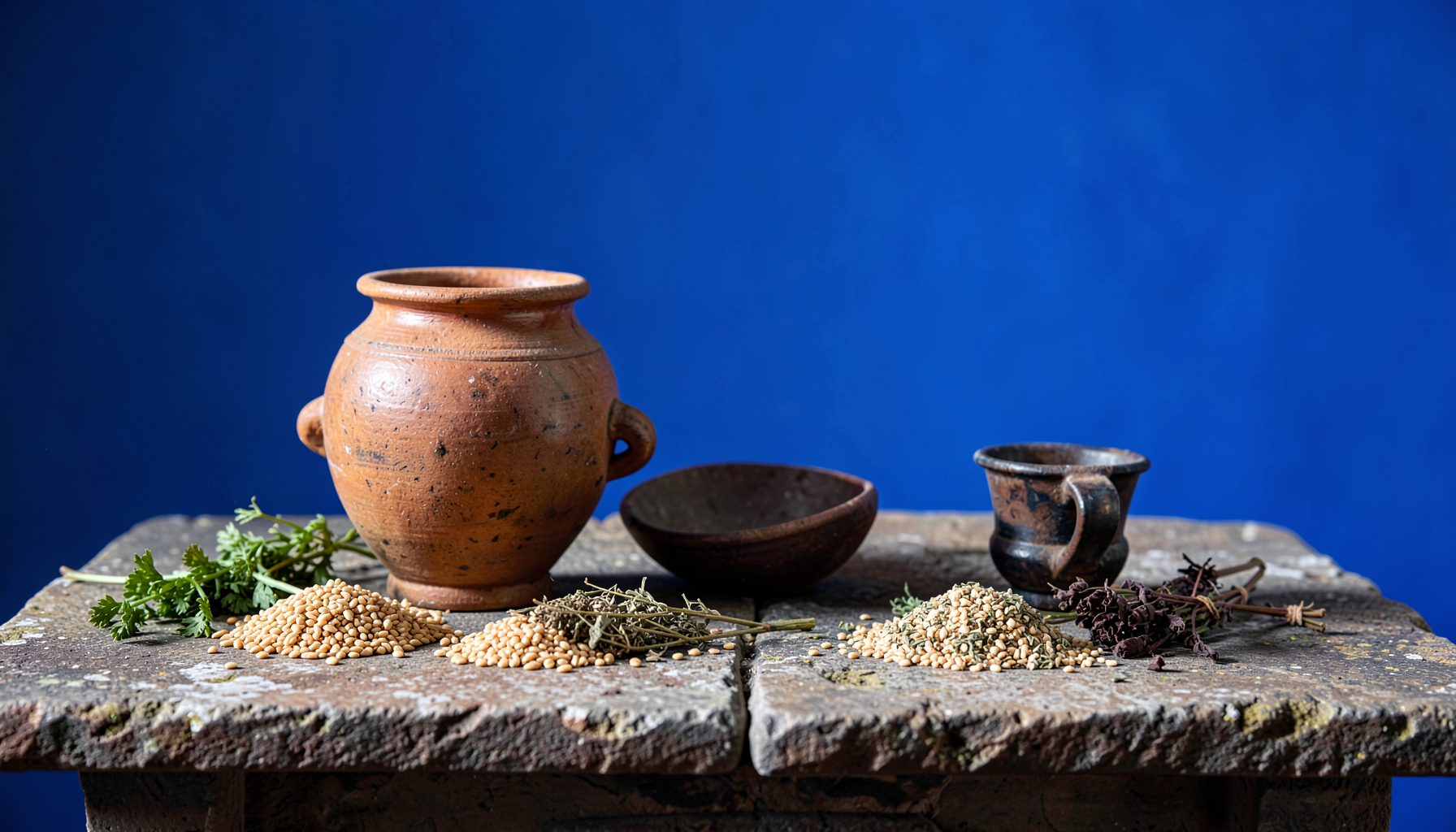
Archaeobotanical evidence from sites like Populonia and Cerveteri reveals seeds and pollen grains preserved in storage jars and hearths, confirming that fennel was a familiar presence in daily meals. The plant's hardiness meant it required no irrigation, fitting neatly into the agricultural rhythms of a people who traded extensively with Greek colonists and Phoenician merchants along the Tyrrhenian coast.
In contemporary Australia, similar Mediterranean climates exist in regions like the Adelaide Hills and parts of Victoria, where fennel thrives in home gardens and on small organic farms. Visitors to Melbourne's Queen Victoria Market often find bunches of wild-style fennel alongside cultivated vegetables, allowing curious shoppers to taste something close to what an Etruscan forager might have gathered on a spring morning.
Fennel as a ritual and symbolic plant
Beyond the kitchen, fennel occupied a space in Etruscan spiritual life, where boundaries between food, medicine, and religion remained fluid. The plant's strong scent and ability to repel insects made it useful in purification rites, a practice that overlapped with the Greek use of similar herbs. Etruscan priests, known as haruspices, observed the natural world for signs from the gods, and the appearance of fennel in unusual places might have been interpreted as an omen.
Bronze mirrors and tomb paintings from the 6th and 5th centuries BCE occasionally depict banquet scenes where herbs and fruits appear as decorative motifs or actual food offerings. While direct evidence linking fennel to specific rituals is scarce, the recurring presence of aromatic plants in funerary contexts suggests they played a role in preparing the dead for the afterlife or in ritual meals left for ancestors.
Modern readers interested in symbolic eating can find parallels in Australian Indigenous traditions, where native herbs like lemon myrtle and wattleseed carry cultural significance beyond mere flavour. Just as fennel threaded through Etruscan ritual, so native botanicals anchor ceremonies and storytelling in communities across the continent, reminding us that food and meaning have always been inseparable.
Culinary techniques of the Etruscan kitchen
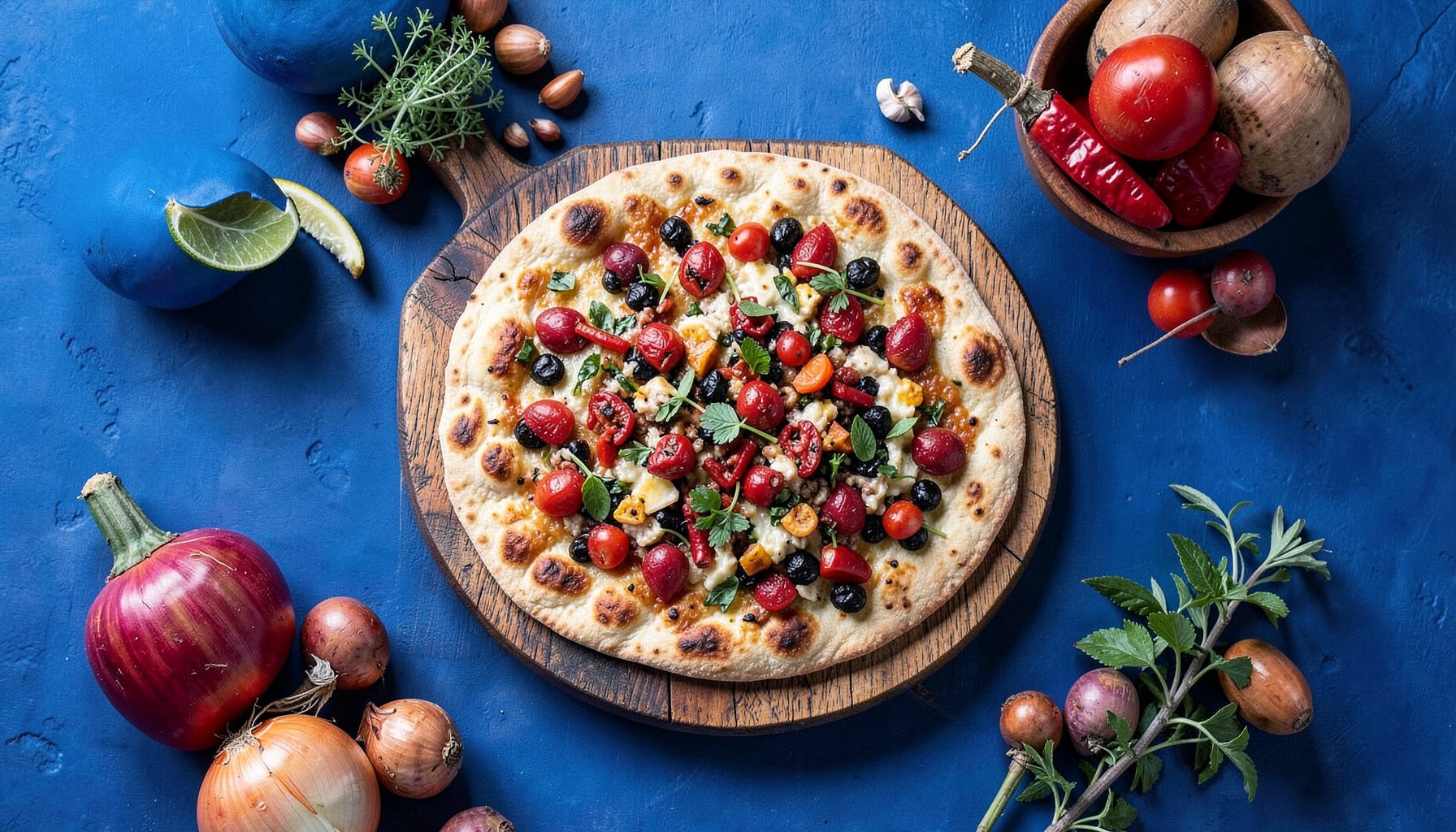
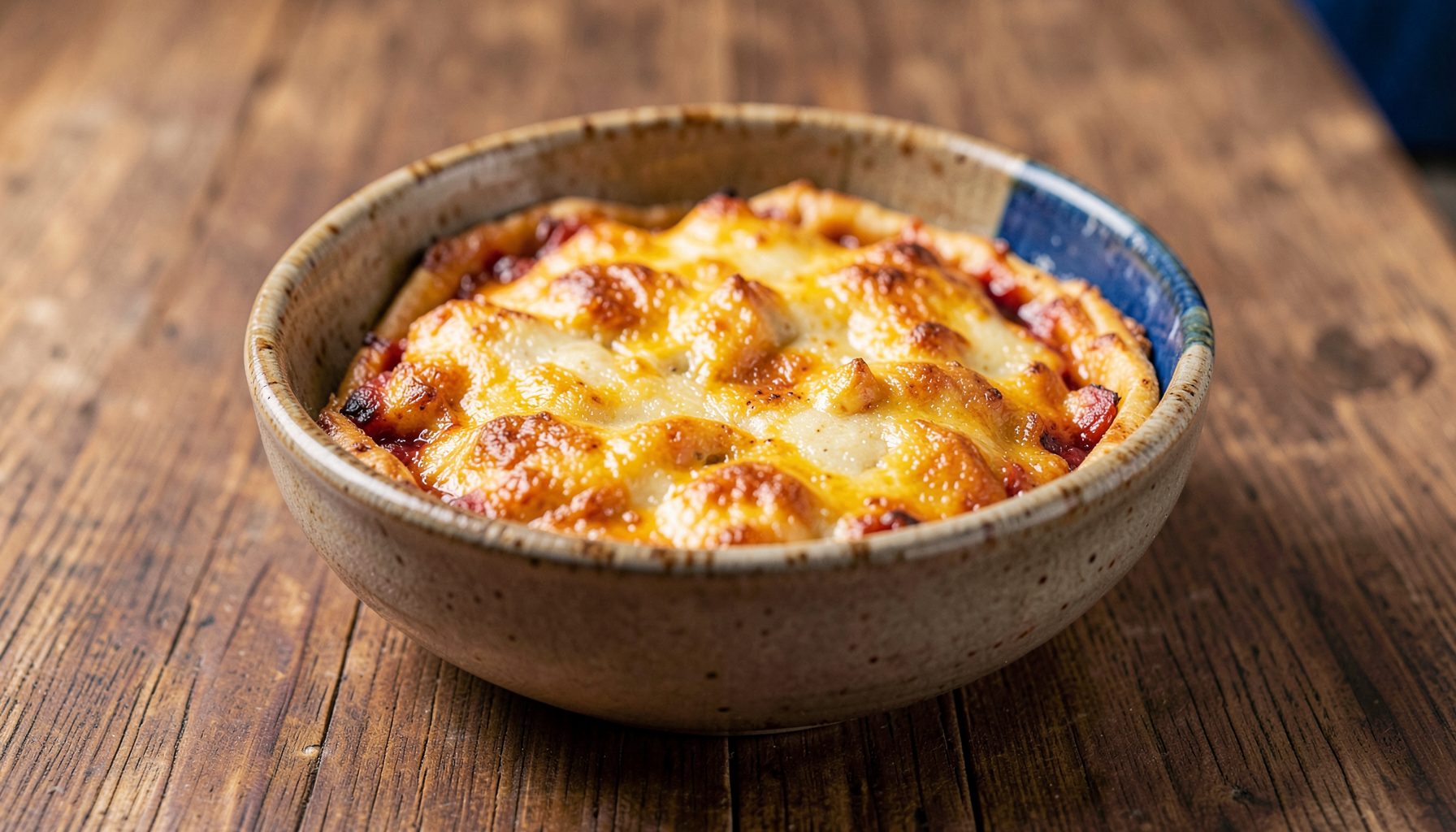
Etruscan cooks worked with simple tools: clay ovens, bronze cauldrons, and spits over open fires. Fennel found its way into many preparations, from slow-cooked stews of pork and beans to lighter vegetable dishes seasoned with olive oil and aged cheese. A common technique involved blanching the bulbous bases or tender shoots, then serving them with a drizzle of unfiltered olive oil and a sprinkle of coarse salt, a method that still appears in Italian homes today.
The Etruscan fondness for pork, documented through bone fragments in urban middens, often saw fennel paired with rich cuts to aid digestion and balance fat. Texts preserved by later Roman authors, including Cato the Elder, reference Etruscan sausage recipes that included herbs and spices, though the original ingredient lists remain uncertain. Experimental cooks at events hosted by historical associations sometimes reconstruct these sausages, mixing pork with wild fennel pollen and pepper.
In Australian kitchens, chefs like those at Sydney's Pilgrim restaurant have explored similar territory, foraging for wild fennel along coastal paths and incorporating it into charcuterie boards. The approach echoes Etruscan practice, where local terroir shaped flavour more reliably than any imported spice route.
Fennel pollen: the Etruscan gold
Pollen, the fine dust gathered from fennel flowers as they mature, represents one of the most concentrated flavouring agents in the ancient Mediterranean kitchen. Harvesting it required patience: pickers collected ripe flower heads in the morning, dried them on cloths, and tapped or sieved the yellow powder into containers. The yield was small, making pollen a precious commodity in households wealthy enough to afford the labour.
Etruscan usage likely extended beyond a simple sprinkle on roasted fish or grilled meat. Combined with honey, the pollen could form a glaze for pastries, while mixed into dough it added a subtle anise note to breads and biscuits. Ancient texts rarely mention fennel pollen directly, but the prevalence of honey-sweetened treats in Etruscan dessert traditions, evidenced by baking moulds and residue analysis, supports the idea that aromatic powders enhanced these sweets.
Today, fennel pollen commands premium prices at farmers' markets in Brisbane and Perth, where small-scale producers sell jars labelled "wild" or "organic." Australian home cooks use it sparingly, a pinch transforming roasted vegetables or a simple tomato salad into something layered and aromatic. The modern appreciation mirrors what Etruscan diners might have experienced: a fleeting, golden season captured in a jar.
Trade, routes, and the spread of fennel
Etruscan merchants sailed the Tyrrhenian Sea, exchanging metals, wine, and crafted goods for goods from Greece, Carthage, and beyond. While fennel is indigenous to the Mediterranean and required no import, the exchange of culinary ideas likely spread its uses across cultures. Greek settlers in southern Italy adopted local herbs, and Roman writers later absorbed Etruscan techniques, sometimes crediting their neighbours directly.
The Via Aurelia and other roads carved through Etruria connected inland cities to coastal ports, allowing the movement of people, plants, and recipes. Fennel pollen, dried and packed in small containers, could travel alongside more valuable cargo, reaching dining tables in distant colonies. The plant's association with travel and refreshment persisted into Roman times, when travellers chewed fennel stalks to stay alert on long journeys.
Australia's distance from the Mediterranean once limited exposure to such ingredients, but global trade has changed the landscape. Importers now stock Italian-grown fennel pollen in specialty shops from Melbourne to Darwin, and local growers in parts of New South Wales produce their own. The journey of a spice from an Etruscan field to an Australian pantry, mediated by centuries of trade, illustrates how flavour connects continents.
Modern recreations and the Australian connection
Contemporary enthusiasts who cook from ancient sources often begin with the texts and material evidence available, then test combinations in their own kitchens. For fennel, this means starting with whole plants: bulbs braised in wine, fronds chopped into salads, seeds toasted and ground, pollen sprinkled at the end. The experimentation feels closer to archaeology than to traditional recipe-following, since so few complete Etruscan dish descriptions survive.
Australian cooks have engaged with this approach through workshops, historical dining events, and online communities. Participants in Melbourne's seasonal food festivals sometimes encounter tables set with reconstructed ancient menus, where fennel features in several courses. The Royal Botanic Gardens in Sydney occasionally host foraging walks that highlight Mediterranean herbs naturalised in the local landscape, including wild fennel growing in disturbed soil near walking paths.
These modern recreations rarely aim for strict authenticity. Instead, they offer a dialogue between past and present, using available ingredients to evoke the textures and aromas an Etruscan cook might have known. The result is a cuisine that feels ancient yet entirely relevant to contemporary palates.
Fennel in the modern Australian pantry
Home cooks across Australia now treat fennel as a familiar vegetable rather than an exotic import, finding it in supermarkets from Coles to independent grocers. The bulbs roast beautifully, the fronds garnish soups, and the seeds flavour sausages and pickles. Fennel pollen remains a niche ingredient, but its availability has grown as Italian and Mediterranean cooking has become mainstream in Australian food culture.
Chefs in Brisbane's James Street precinct, for instance, incorporate pollen into finishing salts for grilled octopus, while Adelaide bakers fold it into focaccia dough. These applications echo ancient pairings, even when the cooks are unaware of the Etruscan lineage. The plant's versatility, from sweet to savoury, simple to elaborate, ensures its place in kitchens worldwide.
For those inspired to explore these ancient flavours at home, the collection of historical recipes offers practical guidance and inspiration, inviting cooks to bring a taste of Etruscan tradition into their own kitchens and discover how a humble Mediterranean herb can transform the simplest of meals.