The Mesopotamian date palm: fruit, syrup, wine, and wood
The date palm stood at the heart of Mesopotamian life, towering over the alluvial plains between the Tigris and the Euphrates rivers. Cuneiform tablets from Ur, Babylon, and Nippur mention the tree hundreds of times, listing it among the most valuable crops a temple or household could own. Its fruit sustained labourers, its sweet syrup replaced refined sugar long before sugar cane was known in the region, and its fermented juice became one of the earliest wines of the ancient Near East.
Beyond food and drink, the tree supplied timber, fibre, and building materials in a landscape almost devoid of large native trees. Scribes recorded deliveries of palm trunks for roof beams, and weavers used fronds to fashion baskets, mats, and ropes. The palm therefore touched every layer of daily life, from taxation ledgers to temple offerings, and its cultivation shaped the rhythm of the agricultural year in southern Iraq for at least five thousand years.
Modern readers approaching the topic often meet dates only as a sticky, caramel-like dried fruit sold in supermarkets. In Mesopotamia the palm was a complete economic system, and exploring its different products opens a window onto ancient flavours, rituals, and trade. The sections that follow look at the fruit, the syrup, the wine, and the wood, and trace how these products travelled outward, eventually reaching tables as far away as modern Australia.
The date palm in the Tigris-Euphrates plain
Mesopotamia's hot, dry summers and reliable river flooding created ideal conditions for the date palm, which thrives on heat and tolerates saline soils that defeat most other fruit trees. Texts from the third millennium BCE describe groves in the south, particularly around Basra's modern region, where the climate still produces a heavy crop each autumn. Early cultivators recognised that the trees needed both male and female specimens, and they became skilled at hand-pollination, a practice that is still standard in date cultivation today.
The Babylonians classified palms by fruit quality, colour, and ripening time, and several of these ancient names survive in Arabic cultivars that growers in Iraq, Oman, and Tunisia still use. Varieties such as Zahidi, Halawy, and Khadrawi trace their ancestry to selections made in Mesopotamian orchards thousands of years ago. The continuity is striking: the same families of fruit that fed a temple accountant in ancient Ur now ripen in experimental plots around Carnarvon on Western Australia's coast and in small orchards near Mildura in Victoria.
Fresh dates and ancient sustenance
A fresh Mesopotamian date is a moist, fibrous fruit with a glossy amber skin and a faintly floral taste, very different from the chewy, sun-dried specimens common in Australian pantries. The earliest references in Sumerian literature describe dates eaten straight from the bunch, often as part of a worker's midday meal alongside barley bread, fish, and onions. Tablets from the city of Lagash record allocations of fresh dates to temple servants, scaled by age and role.
The fruit's high natural sugar content made it an ideal energy food for travellers, soldiers, and labourers on long irrigation works. A single kilogram of fresh dates delivers around 1,500 kilocalories, a density that explains why armies, caravans, and date-cultivating families could rely on the harvest for weeks of mobility. Texts from Mari and Ugarit also refer to dried and pressed dates, suggesting that preservation techniques were well established by the second millennium BCE. In Australia, fresh Barhi and Medjool dates are increasingly available through growers in the Riverland and at farmers' markets in Melbourne and Sydney, though imports remain regulated by the Department of Agriculture, Fisheries and Forestry to keep out date palm pests.
Date syrup and ancient sweetening
Before sugarcane reached the Mediterranean world, the most concentrated sweetener available in Mesopotamia was date syrup, a thick, dark liquid produced by boiling down the fruit's juice. Known in Akkadian as "dīpu" and often translated as "honey", the syrup appears in countless recipes, including a remarkable set of cuneiform tablets from Yale University's Babylonian Collection that list ingredients, measures, and cooking instructions for stews, broths, and pastries. Greek octopus with wine and bay leaves shows how the ancient Mediterranean inherited some of these sweet-savoury combinations, but the Mesopotamians had been pairing syrup with meat, onions, and legumes for centuries before.
A typical Babylonian stew might combine lamb, leek, garlic, coriander, and a generous pour of dīpu, finished with rendered fat and a touch of roasted flour. The syrup kept well in sealed jars, which made it a tradable commodity across the Persian Gulf and into the Indus Valley. Modern Australian cooks can replicate the technique with locally produced or imported date syrup, which has become easier to find in specialty food shops in Adelaide and Brisbane. The Australian Food Standards Code permits the labelling of pure date syrup as a natural sweetener, a regulatory detail that reflects how familiar the product has become.
| Product | Raw material | Preparation | Ancient use | Modern counterpart |
|---|---|---|---|---|
| Fresh fruit | Ripe dates | Harvested, sorted | Eaten fresh, used as pay | Sold in Australian markets |
| Date syrup (dīpu) | Boiled juice | Slow reduction | Sweetener, medicine, trade | Sold in health-food stores |
| Date wine (karānu) | Fermented juice | Crushing, fermentation | Ritual, festival, daily drink | Craft date mead, dessert wines |
| Palm wood | Trunks, fronds | Seasoned, split | Roofs, baskets, boat parts | Specialty craft, restored buildings |
| Palm fibre | Leaf bases, stalks | Soaked, beaten | Rope, matting, writing support | Eco-friendly packaging |
Date wine and the origins of fermentation
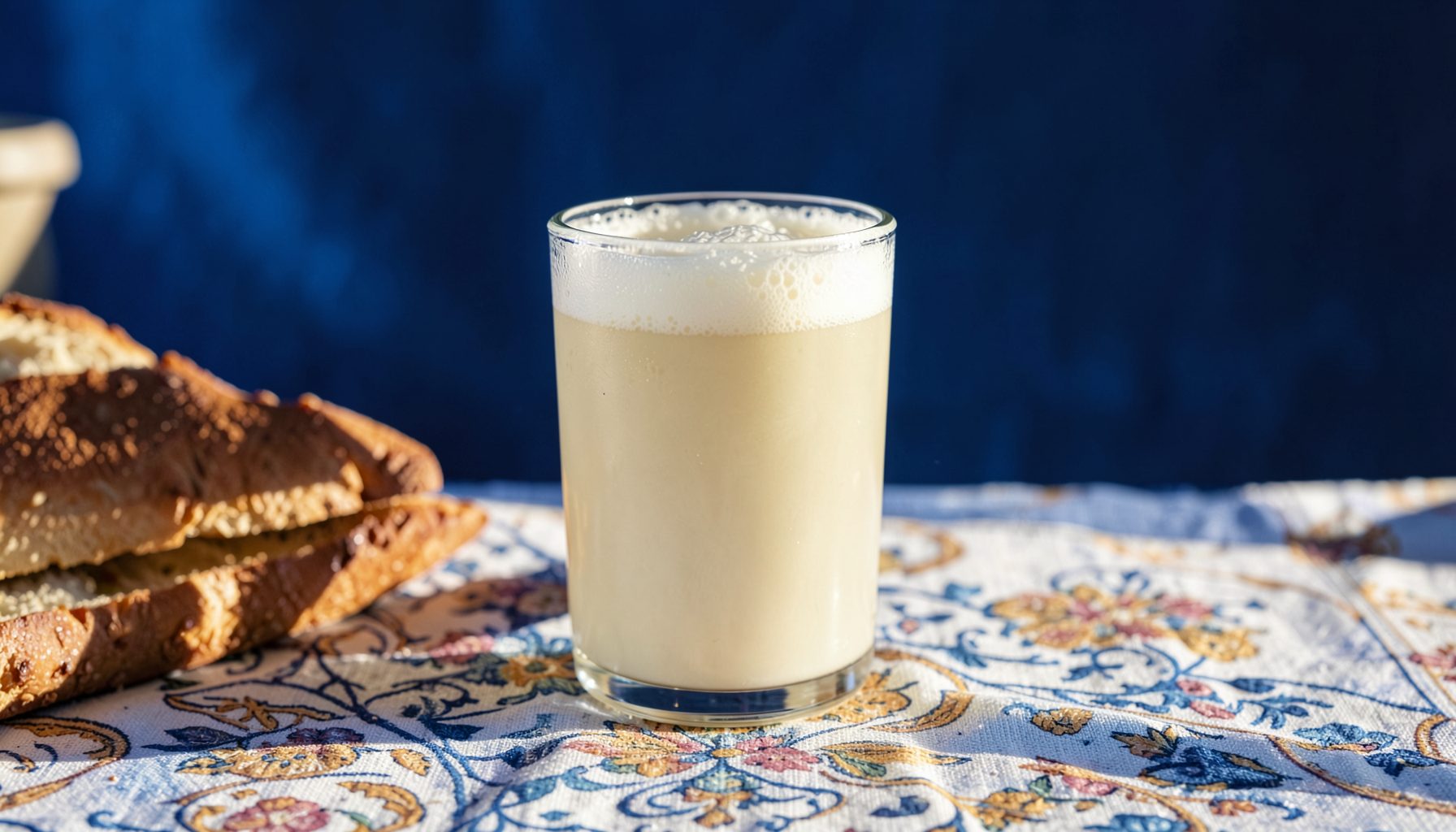
Dates carry enough natural sugar to ferment vigorously, and the Mesopotamians exploited this to produce a potent wine known as "karānu" or, in later Aramaic, "khamr". Sumerian hymns praise the beverage alongside barley beer, and the Epic of Gilgamesh famously describes the hero and Enkidu feasting on bread, meat, and date wine before their encounter with Humbaba. Temple economies reserved the finest vintages for offerings to Inanna, while ordinary households drank lighter versions during festivals and family gatherings.
The wine was usually made by crushing ripe dates in a stone vat, mixing the pulp with water, and leaving the must to ferment in clay jars for several days. A second pressing of the remaining solids produced a cheaper drink, often reserved for workers. Texts from the Old Babylonian period mention vintners by name and describe quality grades based on colour, clarity, and aroma. Australian readers exploring this ancient beverage can experiment with home-fermented date mead, a craft popular among hobbyists in Perth and Tasmania. The Australian Wine Research Institute in Adelaide notes that date wines share aromatic compounds with certain aromatic white grape varieties, an interesting echo across three thousand years of fermentation science.
Timber, fronds, and the materials of daily life
The date palm produces a fibrous, lightweight wood that Mesopotamian builders used for roof beams, door lintels, and the curved ribs of boats on the rivers and marshes. Because large trees were scarce in the alluvial south, palms supplied much of the structural timber for ordinary houses, while imported cedar from Lebanon was reserved for temples and palaces. Cuneiform contracts from the Ur III period specify the number of palm trunks owed by a tenant farmer, a detail that reveals how closely the wood was woven into rural taxation.
Fronds and leaf bases had equally diverse uses. Split and woven, they became baskets for carrying dates and grain, mats for floors and walls, and screens for shade. The fibrous pith of the trunk, beaten and dried, served as a writing surface in some scribal schools, an early alternative to clay for short notes. The legacy of palm materials survives in craft traditions across the Middle East and has inspired contemporary Australian designers working in sustainable construction. In Western Australia, several small firms experiment with palm-wood veneers in furniture, a practice discussed at Perth Design Week. Heritage-listed homes in Sydney and Melbourne sometimes specify imported palm-wood elements to match the colour and grain of historic fittings.
Trade, exchange, and the wider ancient world
Mesopotamian dates and date products travelled along the Persian Gulf to the Indus Valley, up the Euphrates to the Mediterranean coast, and across the Arabian desert to Egypt. The text of a Sumerian lullaby mentions "dates of Dilmun", referring to the island kingdom in the modern Gulf that served as an entrepôt for the fruit and its derivatives. By the second millennium BCE, clay stoppers stamped with Mesopotamian seals were found in Bahrain and along the Omani coast, evidence of an organised trade in date syrup and wine.
The fruit also entered ritual exchange. Egyptian tomb paintings from the New Kingdom show scribes offering dates in temple processions, and the Hebrew Bible mentions the palm as a symbol of fertility and prosperity. Greek and Roman writers such as Strabo and Pliny described the palms of Babylonia with admiration. The Silk Road carried these traditions further east, where Silk Road spices in Roman kitchens shows how ancient cooks blended sweet and savoury elements from distant lands. The palm's economic geography anticipated the global trade networks that Australian importers and exporters now navigate every day.
The date palm in modern Australia
Australia imports the majority of its dates from Iran, Iraq, and Saudi Arabia, and strict biosecurity controls managed under the Biosecurity Act 2015 govern every shipment that arrives at Australian ports. The rules exist to keep out pests such as the red palm weevil, which has devastated plantations elsewhere and which Australian growers are keen to exclude from the Northern Territory and Western Australia. Domestic cultivation is small but growing: Carnarvon in Western Australia produces fresh Barhi and yellow dates, and small orchards near Mildura experiment with Zahidi and Khadrawi.
Farmers' markets in Brisbane and Sydney regularly feature Australian-grown dates in late summer, often sold by growers who travelled to the Middle East to source cuttings and learn hand-pollination techniques. Consumer interest is strong, with double-digit growth in fresh-fruit sales reported over the past five years. The cultural memory of the Mesopotamian palm also lives on in community gardens, where second-generation Iraqi Australians in Melbourne's western suburbs tend heritage varieties brought from family orchards in Basra. Their plantings connect a forty-thousand-year relationship between people and palms to a modern Australian story of migration, agriculture, and the enduring appetite for sweet, sun-ripened fruit.
A handful of simple ideas can help bring the ancient fruit into a contemporary kitchen:
- Pair fresh dates with aged cheddar, walnuts, and a drizzle of date syrup for a cheeseboard that echoes Mesopotamian sweet-savoury traditions.
- Replace refined sugar in marinades for lamb or chicken with a tablespoon of date syrup, then roast with cinnamon, cumin, and coriander.
- Simmer chopped dates with red wine, star anise, and orange peel to make a quick reduction sauce for duck or pork.
A few of the most rewarding products to seek out include:
- Australian-grown fresh Barhi dates, available seasonally from Carnarvon and select Melbourne markets.
- Pure date syrup from Middle Eastern importers, stocked by grocers in Sydney's Lakemba and Auburn.
- A good-quality date vinegar, which adds a tangy caramel note to salads and braises.
For those who would like to experiment with ancient recipes at home, the contact page on Archeoricette offers a direct way to reach the project. Readers seeking specialty ingredients can explore sourcing hard-to-find ingredients for additional guidance. Whether the goal is reconstructing a Babylonian stew, fermenting a small jar of date wine, or simply understanding the long journey of the date from the banks of the Euphrates to a fruit bowl in suburban Melbourne, the palm's history offers both practical inspiration and a vivid taste of the ancient world.