Greek Mastic Gum In Chewing And Wine
Long before chewing gum became a wrapped confection, people chewed aromatic plant resins for their flavour, texture, and practical qualities. In the Greek world, one of the most distinctive examples was mastic, a fragrant resin collected from the lentisk tree, Pistacia lentiscus. Its pale tears released a pine-like, herbal aroma when softened between the teeth.
Mastic also entered the ancient Mediterranean pantry as a seasoning and aromatic ingredient. It could perfume sauces, sweets, medicines, and drinks, including wine. The evidence is scattered across botanical writings, medical texts, archaeological contexts, and later culinary traditions, so its use needs to be reconstructed carefully rather than treated as a single fixed recipe.
The resin is especially associated with the island of Chios in the eastern Aegean. The island’s dry climate and specialised cultivation created ideal conditions for the production of high-quality mastiha. Ancient trade networks helped carry valuable aromatics across the Mediterranean, where wine, spices, resins, and medicinal substances circulated between ports.
For modern cooks in Australia, mastic offers a fascinating bridge between historical research and sensory experimentation. It is available through Greek grocers in Melbourne and Sydney, specialist online food retailers, and some delicatessens serving established Greek-Australian communities. Used sparingly, it can give a contemporary glass of wine a flavour that feels both unfamiliar and recognisably Mediterranean.
What Mastic Is And Where It Comes From
Mastic is the dried sap of the lentisk tree. Small cuts are made in the bark, allowing resin to emerge and harden into translucent droplets known as “tears”. These pieces range from nearly white to pale yellow and become softer when warmed or chewed. Their flavour is resinous, fresh, slightly bitter, and reminiscent of pine needles, wild herbs, and cedar.
Chios became the principal centre of mastic production because the resin-producing trees grew particularly well in the southern villages known as the Mastichochoria. The product was valuable enough to support organised cultivation, careful harvesting, and long-distance trade. Its reputation continued through Byzantine and Ottoman periods, although the roots of its culinary and medicinal use reach much further back.
Ancient writers did not always distinguish mastic from every other aromatic resin with modern botanical precision. Terms could overlap, and translations may conceal differences between imported substances. For that reason, a historical recipe mentioning a fragrant gum does not automatically prove that it contained Chios mastic. Material identification and textual interpretation need to work together.
Chewing Resin In The Ancient Mediterranean
Chewing mastic produced a pleasant scent and a clean, persistent taste. The act may have helped freshen the breath after meals containing garlic, onions, fish sauces, or strong wine. It also offered a tactile pleasure: the resin began hard and brittle, then softened into a pliable mass as it absorbed warmth and saliva.
Mastic chewing was associated especially with Greek-speaking communities, but aromatic resins were used widely throughout the ancient Near East and Mediterranean. Similar practices existed with frankincense, pine resin, and other plant exudates. Mastic’s appeal came from its comparatively agreeable flavour and its association with cultivated orchards, trade, and refined consumption.
Ancient medical authors also valued the resin. They described it in relation to the mouth, stomach, and digestion, although such descriptions belong to historical medical theory rather than modern clinical evidence. The line between food, medicine, perfume, and ritual substance was fluid, allowing the same material to move between a marketplace, a household cupboard, and a physician’s preparation.
Mastic As A Wine Aromatic
Adding mastic to wine could have several purposes. It might contribute fragrance, soften the perception of harshness, or signal that the drink was prepared for a special occasion. The resin could be steeped in wine, added during fermentation, or combined with other aromatics. Each method would produce a different result, and the quantity would have required careful control.
Mastic was not the only flavouring used in ancient wine. Honey, herbs, spices, dates, seawater, pine resin, and concentrated must all appear in historical discussions of wine culture. The famous modern Greek retsina, flavoured with pine resin, should not be treated as identical to mastic wine. Both belong to a broader world of resinous wine aromatics, yet they use different plants and create different sensory profiles.
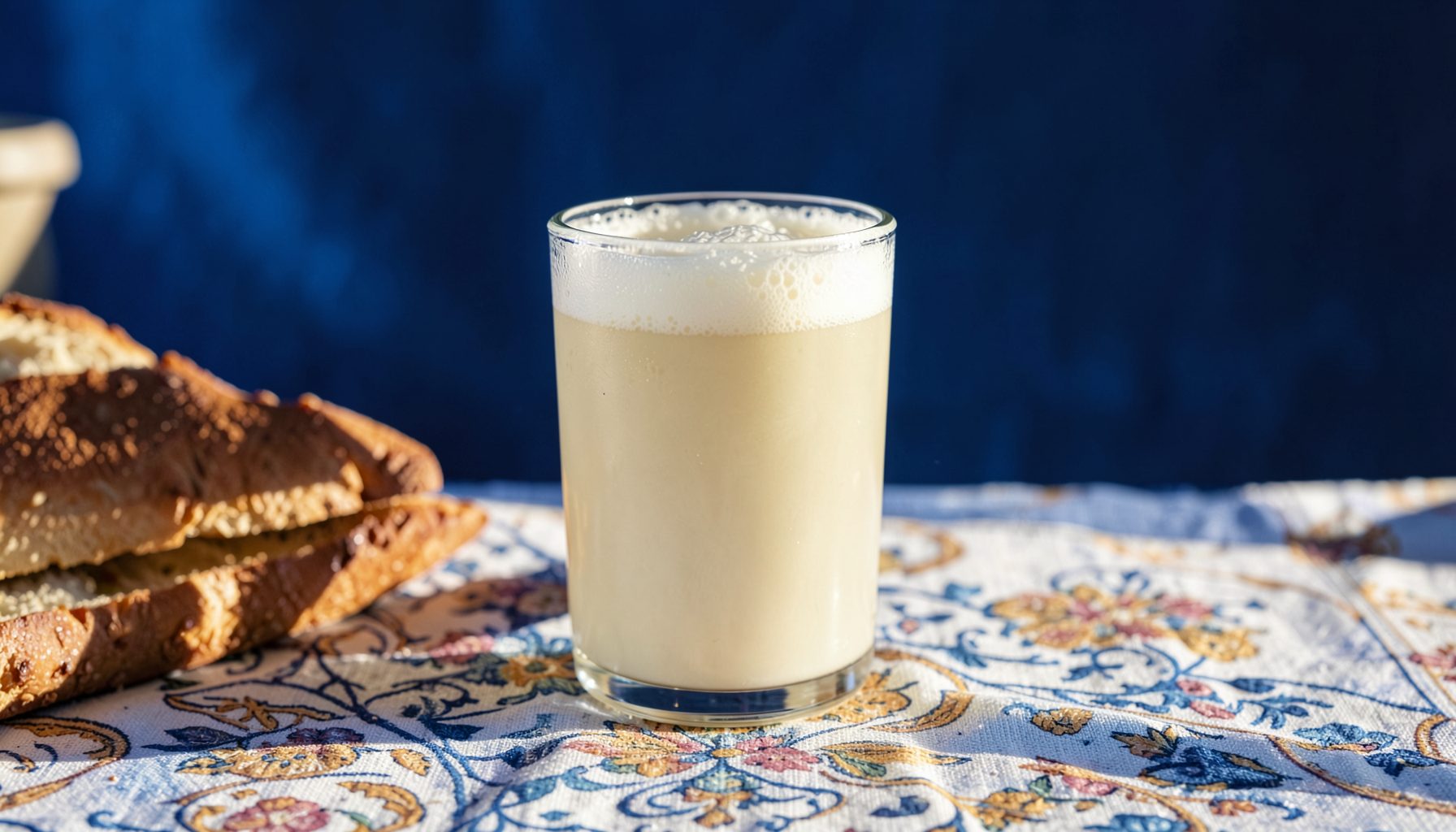
A useful reconstruction begins with a neutral, dry wine and a very small amount of crushed mastic. The resin can be suspended in the wine for a short infusion, then filtered. White wine makes its herbal character easy to detect, while a lighter red may create a deeper combination of fruit, spice, and woodland aromas. Excess mastic can become medicinal, bitter, or aggressively pine-like.
Evidence From Texts And Archaeology
References to aromatic wine appear in Greek and Roman literature, medical writing, and technical works. Authors such as Dioscorides and Pliny discuss mastic in botanical and pharmacological contexts, while wider literary sources reveal how wine was mixed, strained, sweetened, and perfumed. These texts rarely function as modern recipes, so interpretation depends on vocabulary, context, and comparison with surviving practices.
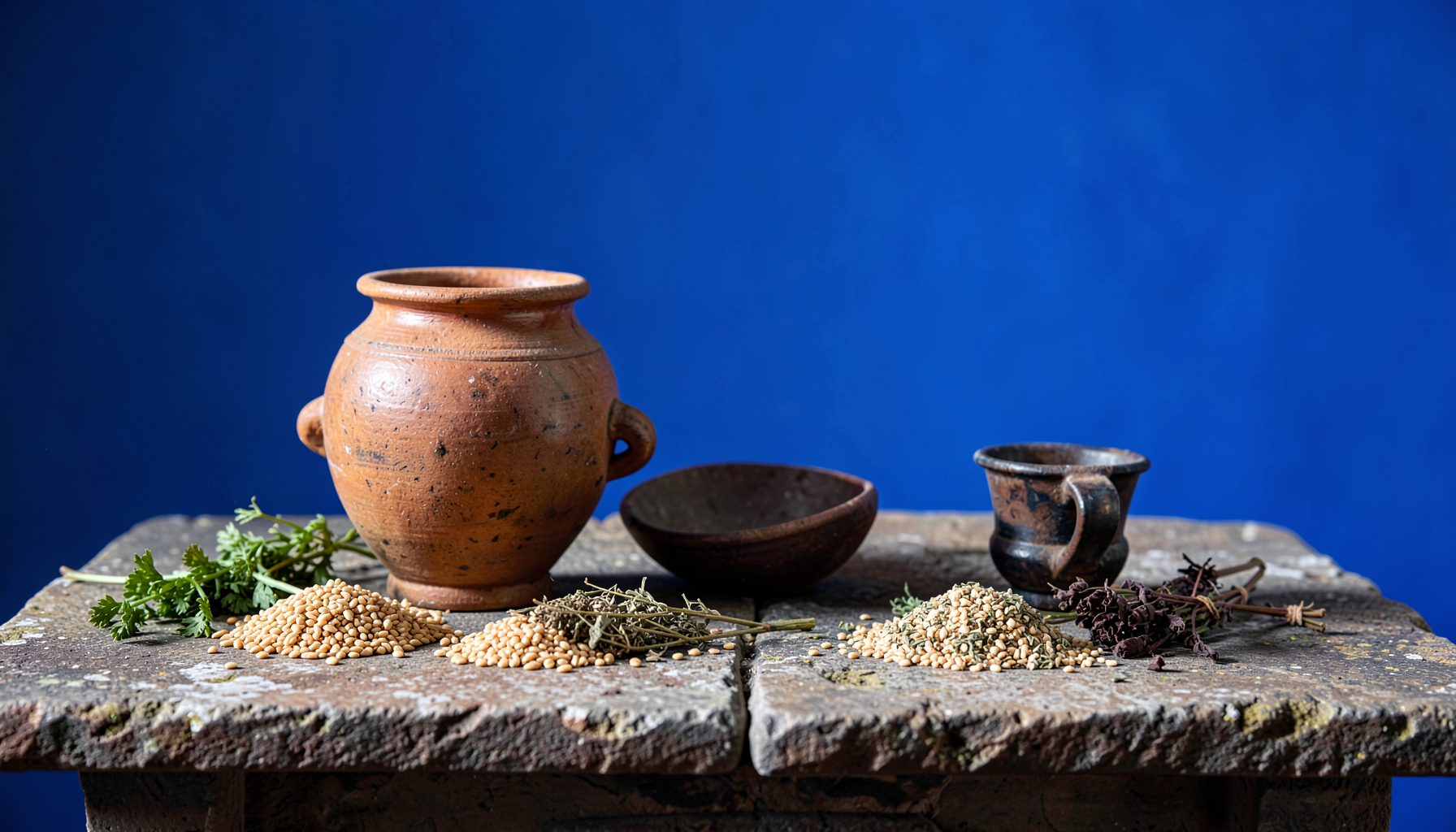
Archaeology adds another layer of evidence. Resin residues may survive in ceramic vessels, although distinguishing mastic from pine resin or other botanical substances can be difficult. Storage jars, cups, strainers, mixing vessels, and production installations show how wine was handled, but the original flavour of a particular batch is usually impossible to recover with certainty.
This uncertainty is part of the value of experimental archaeology. A reconstruction should state what is documented, what is inferred, and what is being tested. The broader world of ancient Greek dining can be explored through this account of feasting at Delphi, where food, wine, ritual, and social order came together in a sacred setting.
Wine, Status, And Ritual Performance
Flavoured wine was more than a beverage. At a symposium, the selection of ingredients, the mixing of wine and water, the quality of the vessels, and the manner of serving all communicated status. An aromatic resin imported from a distant island could transform an ordinary drink into a display of knowledge, wealth, or hospitality.
Mastic may also have fitted ritual occasions because aromatic substances carried associations of purity, offering, and sacred space. Fragrant materials were used in cult practice, medicine, cosmetics, and elite dining. Their meanings changed according to context, but scent itself helped mark a meal as different from everyday eating.
At a temple feast or civic celebration, wine with a distinctive resinous note could have contributed to the atmosphere of ceremony. It would have mingled with roasted meat, bread, herbs, smoke, flowers, and the smell of large crowds. Recreating that experience requires attention to the whole setting rather than treating the drink as an isolated modern cocktail.
Reconstructing A Mastic-Infused Wine Today
For a small experimental batch, begin with a bottle of dry white wine, a few grains of food-grade mastic, and a clean glass vessel. Crush the resin lightly with a mortar, add it to the wine, and taste at intervals. A short infusion may be enough. Filtering through fine muslin or a coffee filter removes particles, though some haze may remain.
Mastic dissolves unevenly and can cling to equipment, so it is sensible to test a small quantity before preparing wine for a gathering. A little honey can echo ancient sweetening practices, while fennel seed, coriander, or dried herbs can create a more complex profile. These additions should be treated as informed experiments rather than proof of a single ancient formula.
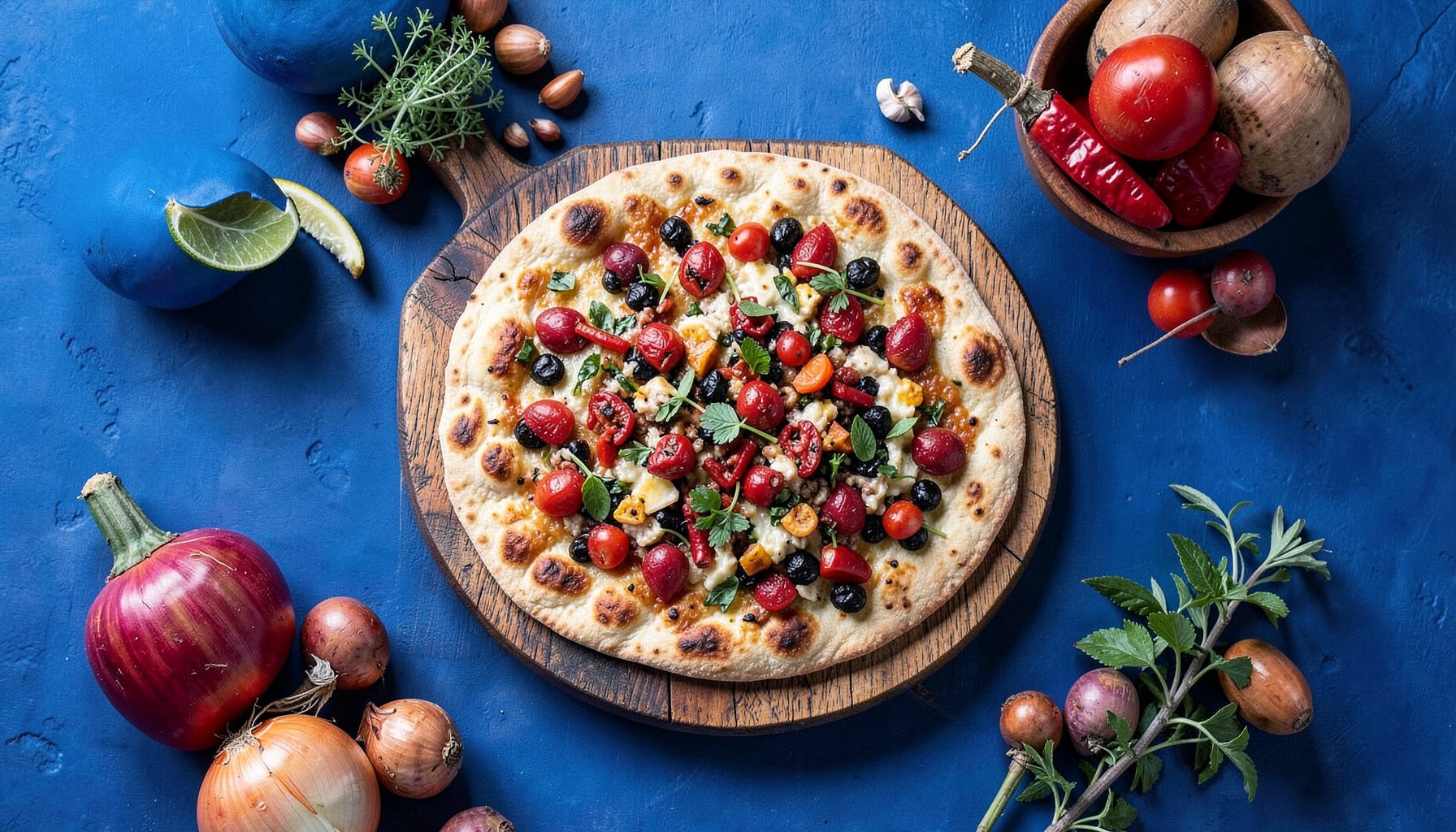
For an Australian tasting, a crisp Adelaide Hills white wine would make a useful base, while a Greek varietal from a Melbourne specialist importer could provide a closer cultural connection. Serve the wine cool but not icy, since very low temperatures suppress the resin’s aroma. Pair it with flatbread, olives, grilled seafood, soft cheese, or roasted vegetables.
Finding Mastic And Reading Its Flavour
Look for culinary-grade Chios mastic labelled mastiha or masticha. Greek food stores in Melbourne’s northern suburbs, Sydney’s inner-west, and larger delicatessens may stock it alongside mahleb, rosewater, and filo pastry. Australian buyers should check that the product is intended for food use, since craft and cosmetic resins are not suitable for consumption.
Mastic is often sold as whole tears, powder, chewing pieces, or flavoured sweets. Whole tears preserve their aroma well and allow the cook to control the dose. Powder is convenient for baking but can be harder to measure accurately in liquid. Its flavour is strongest when freshly crushed, so small airtight containers are preferable to large packets left open in a warm kitchen.
The modern European wine community also provides useful points of comparison. Producers and educators connected with Gambellara wine culture demonstrate how local identity, grape varieties, and food traditions shape the meaning of a regional drink. Mastic wine belongs to a similar conversation: ingredients gain significance through landscape, trade, technique, and shared memory.
Bringing An Ancient Aroma Into A Modern Table
The appeal of mastic lies in its ability to make history tangible. A single aromatic tear can suggest island agriculture, merchant routes, medical practice, household chewing, and the elaborate social world of Greek wine. It also reminds us that ancient people expected drinks to be adjusted according to taste, occasion, season, and status.
A careful reconstruction does not need to claim perfect authenticity. Its purpose is to test sensory possibilities while respecting the limits of the evidence. Recording the wine, resin quantity, infusion time, serving temperature, and accompanying foods makes each trial more useful for future research.
Readers interested in ancient foodways can continue exploring recipes, archaeological interpretation, and experimental cooking through Archeoricette. Prepare a modest batch, taste it alongside simple Greek-inspired foods, and record how the resin changes as the wine opens in the glass. That small act of attention can turn a historical ingredient into a vivid encounter with the ancient Mediterranean.