What Did the Hittites Eat? A Look at Hittite Palace Records
The Hittites ruled much of central Anatolia during the second millennium BCE, creating a powerful kingdom whose capital stood at Hattusa, near modern Boğazkale in Turkey. Their food culture developed in a landscape of high plateaus, seasonal rainfall, mountain pastures, orchards, and fertile river valleys. It was shaped by farming, animal husbandry, trade, religious practice, and the demands of the royal court.
Much of what we know comes from cuneiform tablets found in the royal archives. These documents include offering lists, festival instructions, inventories, rations, land records, diplomatic texts, and administrative accounts. They rarely describe a household meal in the manner of a recipe, but they reveal which foods mattered to the palace, the temples, and the communities that supplied them.
The evidence therefore needs to be read carefully. A food recorded for a deity was not necessarily an everyday dish, while a ration assigned to a worker may tell us little about elite dining. Taken together, however, the records provide a detailed map of Hittite ingredients and culinary priorities.
The Palace Archives As Food Evidence
The Hittite archives contain thousands of tablets, many written in the Hittite language with Sumerian and Akkadian terminology. Food references appear in several administrative settings. Officials recorded animals brought for sacrifice, grain delivered to institutions, provisions allocated during festivals, and supplies needed by the royal household.
Festival texts are especially valuable because they sometimes specify quantities and sequences. They describe the movement of priests, musicians, officials, and offerings through sacred spaces, while noting bread, beer, wine, meat, dairy products, and fruits. These texts show that food was deeply connected to political authority. The king’s participation in ritual helped maintain relations with the gods and displayed the kingdom’s ability to gather and redistribute resources.
The tablets do not represent a complete diet for every Hittite. They are products of institutions, so foods connected with the palace and temples appear more often than inexpensive village meals. Archaeobotanical remains, animal bones, storage facilities, cooking installations, and later Anatolian parallels help fill in the gaps.
Grain, Bread, And The Daily Meal
Cereals formed the foundation of Hittite foodways. Barley was particularly important because it grew reliably in the Anatolian climate and could be used for both food and beer. Wheat also appears in administrative and ritual contexts, probably including varieties used for different kinds of bread and other preparations.
Bread was more than a basic accompaniment. Hittite ritual texts list many forms of baked food, sometimes distinguished by ingredients, shape, size, or ceremonial purpose. Loaves could be presented to deities, placed beside meat offerings, or distributed as part of a festival ration. The variety suggests that baking involved specialized knowledge and that bread carried social and religious meaning.
Cereals could also be cooked into porridge or gruel. Such preparations would have been practical for workers, soldiers, and households because they required relatively little equipment and could be enriched with legumes, fat, milk, or herbs. Grain was stored in large quantities, making it a central measure of wealth and institutional power.
Meat, Milk, And Herd Animals
Animal husbandry was essential to the Hittite economy. Sheep and goats provided meat, milk, wool, and hides, while cattle supplied labor as well as food. Palace records frequently mention sheep, lambs, kids, calves, and oxen in connection with sacrifices and feasts. The animal chosen for an offering could reflect the importance of a deity or the status of a ceremony.
Pork is also attested in the broader archaeological record of Bronze Age Anatolia, although its place in Hittite ritual practice appears more limited than that of sheep, goats, and cattle. Hunting added another source of protein. Deer and other wild animals occur in texts and artistic representations, reminding us that elite food culture included access to managed herds and prestigious game.
Milk and dairy products were likely significant, even when the tablets do not always distinguish the exact form. Fresh milk could be consumed seasonally, while butter, curds, and cheese offered more durable ways to preserve animal nutrients. The storage and movement of dairy products would have required containers, labor, and careful timing, especially in a region with hot summers and cold winters.
| Food or ingredient | Evidence in palace records | Likely role |
|---|---|---|
| Barley | Grain accounts, rations, brewing contexts | Bread, porridge, beer, institutional provisioning |
| Wheat | Festival and offering texts | Bread and ceremonial baked foods |
| Sheep and goats | Sacrifice lists and livestock records | Meat, milk, wool, hides |
| Cattle and oxen | Royal rituals and animal inventories | Meat, labor, high-status offerings |
| Wine and grapes | Festival provisions and offerings | Feasting, ritual use, elite consumption |
| Honey | Religious and culinary references | Sweetening, offerings, preserved foods |
| Legumes and vegetables | Agricultural and food-related references | Everyday stews and mixed dishes |
Beer, Wine, And Sweet Flavors
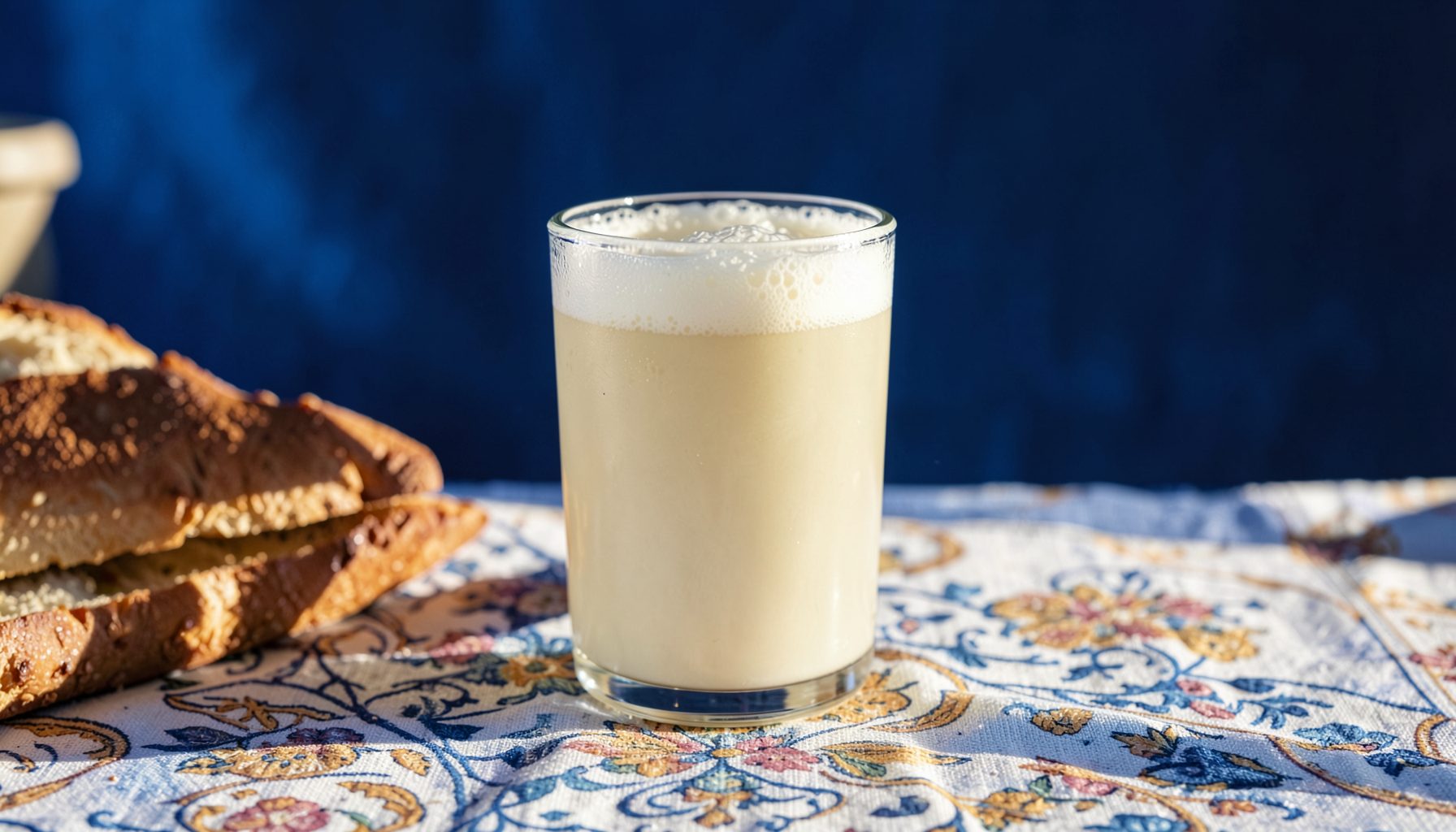
Beer was probably made from barley and would have been an important beverage for both ritual and ordinary consumption. Ancient brewing methods often involved producing a thick, nourishing drink rather than the clear, highly filtered beer familiar today. Grain could be baked or malted, soaked, fermented, and flavored according to local practice.
Wine had a special place in the Hittite world. Anatolia was an ancient center of grape cultivation, and vineyards appear in texts concerning agriculture, offerings, and royal resources. Wine could be consumed at banquets, poured for deities, or used in libations. The prominence of wine did not mean that beer was unimportant; the two beverages likely occupied different economic, regional, and ceremonial settings.
Honey supplied sweetness in a food culture without refined sugar. It could be used as an ingredient, offering, or preserved product, and it may have flavored drinks, breads, and fruit preparations. Grapes, figs, apples, and other orchard produce added seasonal variety. Some fruits could be dried for storage, allowing palace households to extend their availability beyond the harvest.
Vegetables, Pulses, And Seasoning
The Hittite record is less generous with everyday vegetables than with sacrificial animals and grain deliveries, but farming in central Anatolia supported a broad range of crops. Lentils, peas, chickpeas, onions, garlic, leeks, and related plants are plausible components of Bronze Age meals, supported by archaeological evidence and comparisons with neighboring Near Eastern traditions.
Pulses were especially valuable because they combined well with cereals and supplied protein in a stable, storable form. A thick stew of barley, lentils, onions, and animal fat would have been practical for a household or work crew, even if no tablet preserves a complete recipe. Such dishes represent a careful reconstruction rather than a direct quotation from a Hittite kitchen.
Seasoning may have included salt, herbs, and aromatic plants gathered from cultivated fields or the wild. Salt was essential for preserving meat and improving flavor, while herbs could vary by region and season. The absence of detailed ingredient lists should not be mistaken for blandness; ancient cooks worked with concentrated stocks, rendered fat, fermented drinks, herbs, and slow cooking to create complex flavors.
Feasting, Sacrifice, And Social Rank
Food in the Hittite palace was inseparable from ritual. Major festivals could last for days and involved large quantities of animals, bread, beer, wine, and other provisions. Offerings were presented to the gods, but ritual activity also created opportunities for distribution. Priests, officials, musicians, servants, and visiting dignitaries all participated in a carefully ordered system of consumption.
The royal court used food to express hierarchy. A king who could command grain from distant estates, livestock from dependent communities, and wine from vineyards demonstrated control over land and labor. Banquets reinforced alliances and marked the presence of foreign envoys. The scale and organization of these events were political statements as much as culinary occasions.
Sacrificial meat was not necessarily destroyed completely. In many ancient ritual systems, portions were assigned to divine recipients while other portions circulated among priests, officials, or participants. Hittite texts can be technical and difficult to interpret, but they strongly suggest that ceremonial slaughter connected the temple, palace, and wider economy.
Reconstructing A Hittite Food Culture
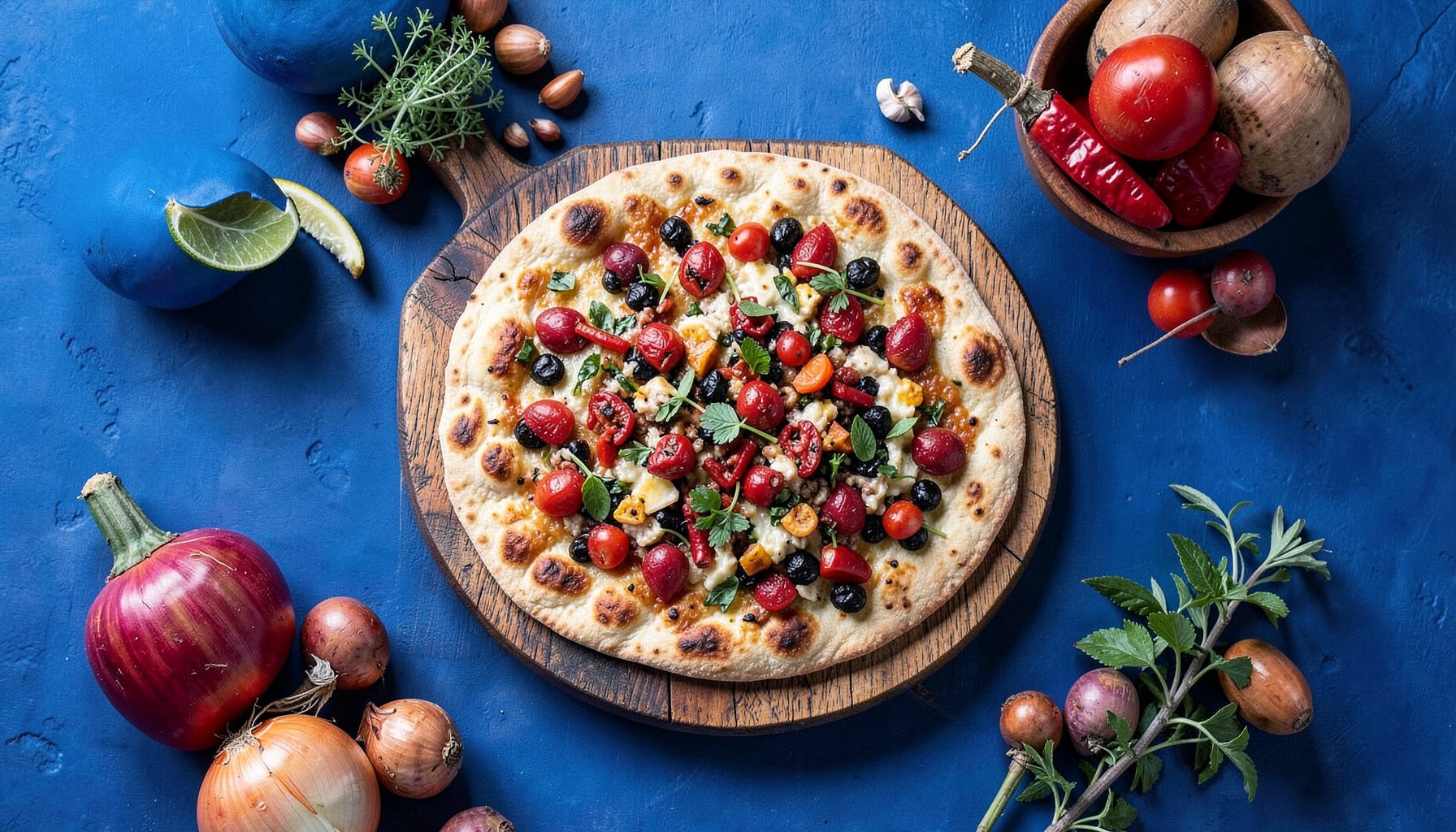
Recreating Hittite cuisine requires a distinction between documented ingredients and reasonable interpretation. Barley bread, lentil dishes, sheep or goat stew, grape products, honey, and fermented beverages fit the evidence well. Exact recipes, cooking times, and proportions are much harder to establish. Even the meaning of some food terms remains debated because words may have shifted between languages or referred to specialized preparations.
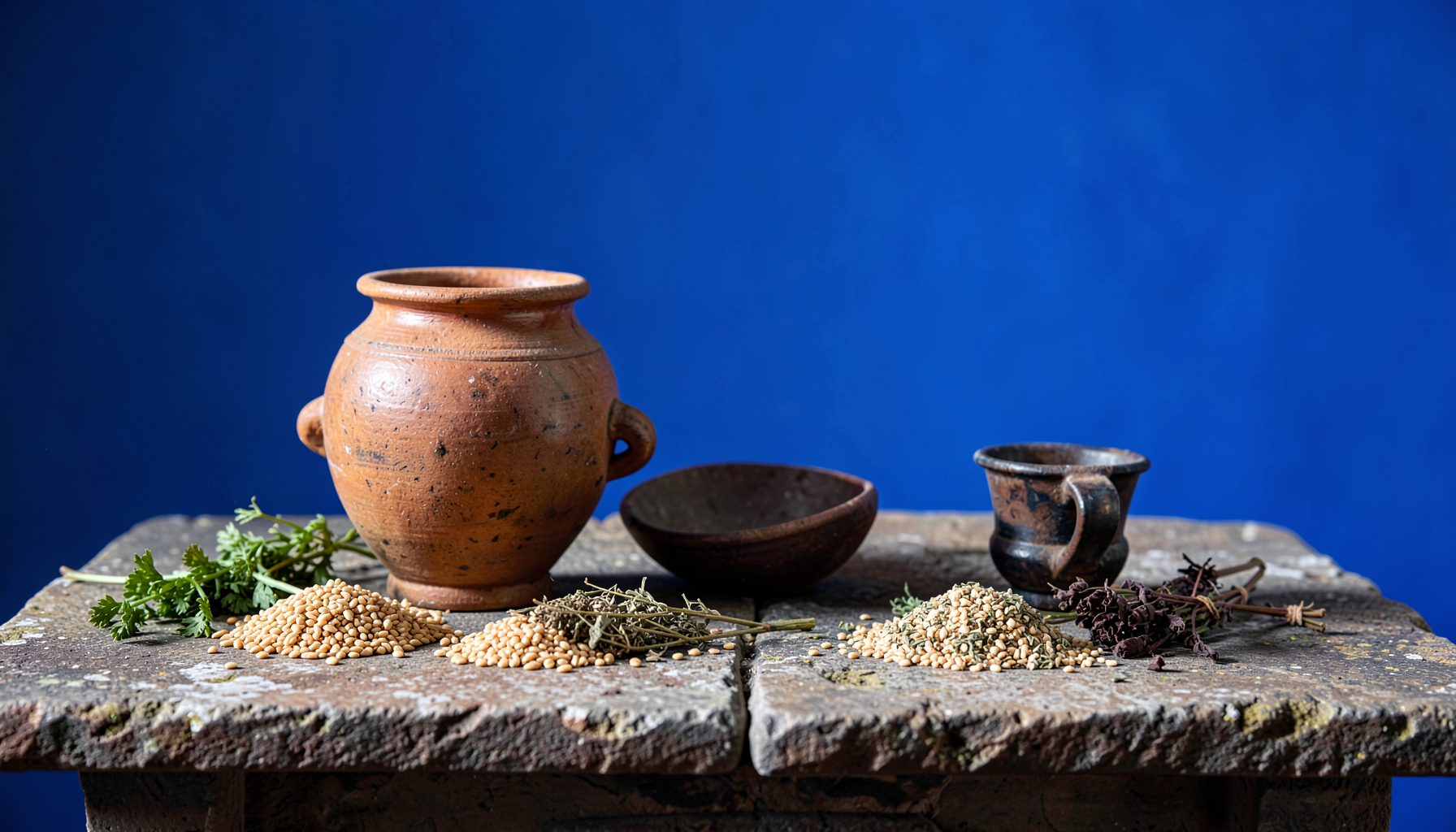
Experimental archaeology can still offer useful insights. Cooking barley or wheat in a clay pot, fermenting a simple grain beverage, preparing flatbread, or slow-cooking lamb with onions and herbs reveals the labor involved in ancient food production. It also shows how fuel, vessel shape, grinding technology, and ingredient processing affected the final meal.
For readers interested in connecting textual evidence with reconstructed dishes, Archeoricette brings ancient food history into dialogue with practical experimentation, archaeology, and culinary traditions. Its approach is most valuable when it makes clear which elements come directly from the sources and which are modern interpretations grounded in historical context.
Practical Principles For Reading The Records
- Treat palace and temple documents as institutional evidence, not as a complete cookbook for all Hittite communities.
- Separate securely attested foods from ingredients inferred through archaeology or comparison with neighboring cultures.
- Pay attention to quantity, setting, and recipient: a divine offering, worker ration, and royal banquet served different purposes.
- Use cooking experiments to explore texture, preservation, and labor without presenting the result as a certain ancient recipe.
- Compare written records with seeds, animal bones, storage remains, tools, and regional environmental evidence.
The Hittite diet was built from dependable staples and shaped by ceremony. Barley and wheat sustained communities, sheep and goats supplied meat and dairy, cattle represented both labor and wealth, and wine, beer, honey, fruit, and bread transformed ordinary provisions into offerings and feast foods. Palace records reveal a society in which eating was connected to administration, religion, agriculture, and royal power.
Readers who wish to investigate ancient foodways further can consult the project’s editorial and legal information alongside its historical reconstructions, then use the Hittite evidence as a starting point for their own exploration of Bronze Age cooking and culture.