
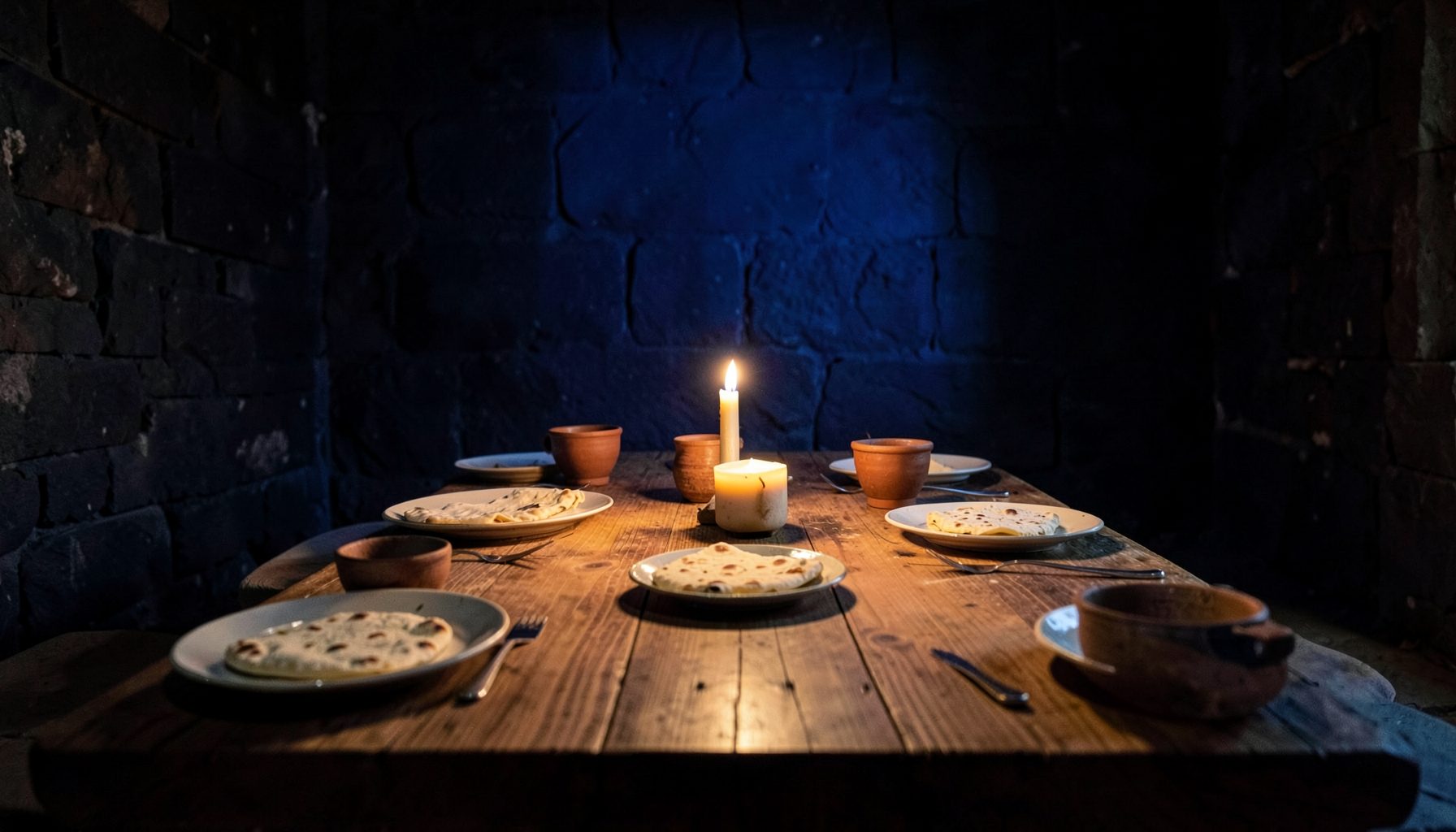
The Last Supper Menu
A deep investigation into one of history's most famous meals, drawing on archaeological evidence and ancient sources to reconstruct what may have been on the table in first-century Jerusalem.
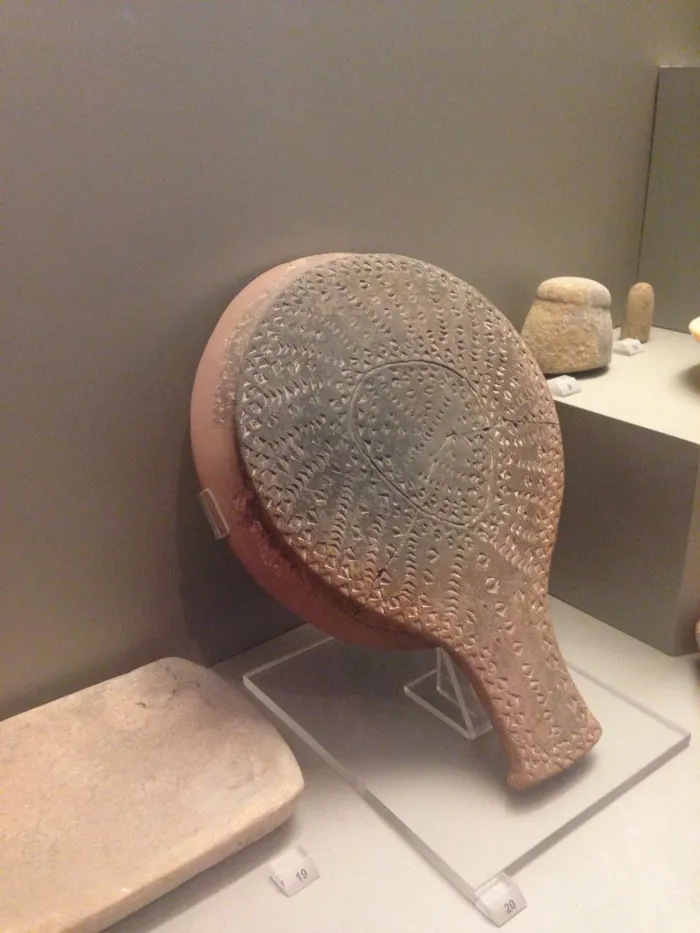
This dedicated section of Archeoricette examines the menu of the Last Supper through the lens of archaeology and food history. Generoso Urciuoli draws on biblical texts, ancient Near Eastern culinary traditions, and archaeological findings from first-century Judea to piece together a plausible reconstruction of the meal.
The investigation considers the ritual context of the Passover Seder, the ingredients available in Roman-era Jerusalem, and the symbolic significance of bread, wine, and other foods mentioned in the Gospel accounts. Rather than treating the meal as purely theological, the project approaches it as a genuine historical dinner — one rooted in the everyday foodways of the ancient Mediterranean.
Key areas explored include:
- The structure of a first-century Passover meal and its component dishes
- Archaeological evidence for food preparation and dining customs in Herodian Jerusalem
- The role of bread, wine, bitter herbs, and other elements in both ritual and daily life
- Comparisons with other known festive meals from the ancient Near East
This research formed the foundation for the book Gerusalemme: L'Ultima Cena, presented at multiple venues across Italy in 2015 — including Libreria ArcheoBooks in Milan, Libreria Offline in Rome, and Libreria Irnerio in Bologna.
Related Resources
Explore more from Archeoricette on this topic and beyond.
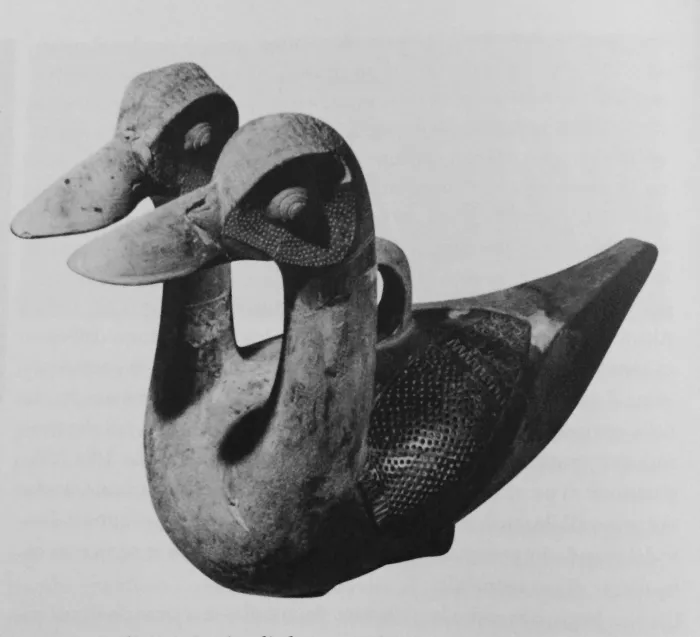
The Book
Gerusalemme: L'Ultima Cena expands on the research presented here, offering a full archaeological and historical study of the Last Supper menu. Presented at venues across Italy in 2015.
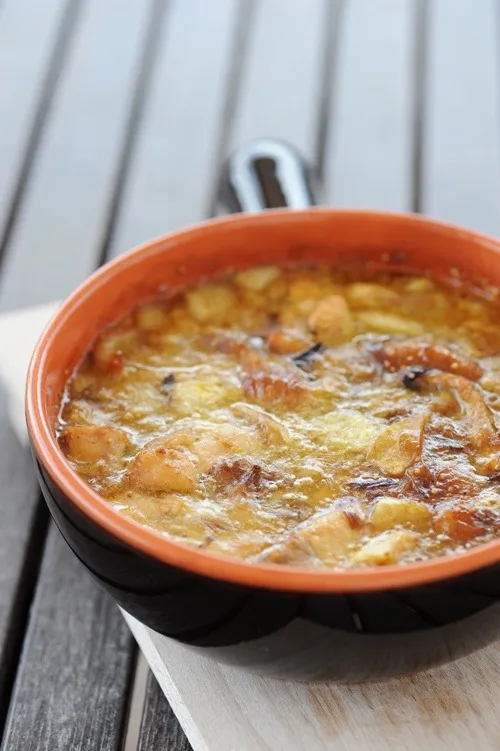
Ancient Recipes
Browse the full collection of historically researched recipes from Mesopotamian, Greek, and Roman traditions — including dishes inspired by Herodotus and other ancient sources.