Guides
A Roman army marched on grain as much as on discipline. Legions could carry weapons, tents, tools, and personal equipment because the state organized a…
For communities around the Aegean, seafood was part of everyday life, religious practice, commerce, and seasonal celebration. Fishers brought octopus, squid,…
Roman food is often represented by bread, wine, olive oil, and lavish meat dishes, yet everyday eating depended heavily on plants. Cabbage, onions, leeks,…
Rome’s rise depended on more than military victories and political institutions. It also required a dependable flow of food into a city whose population grew…
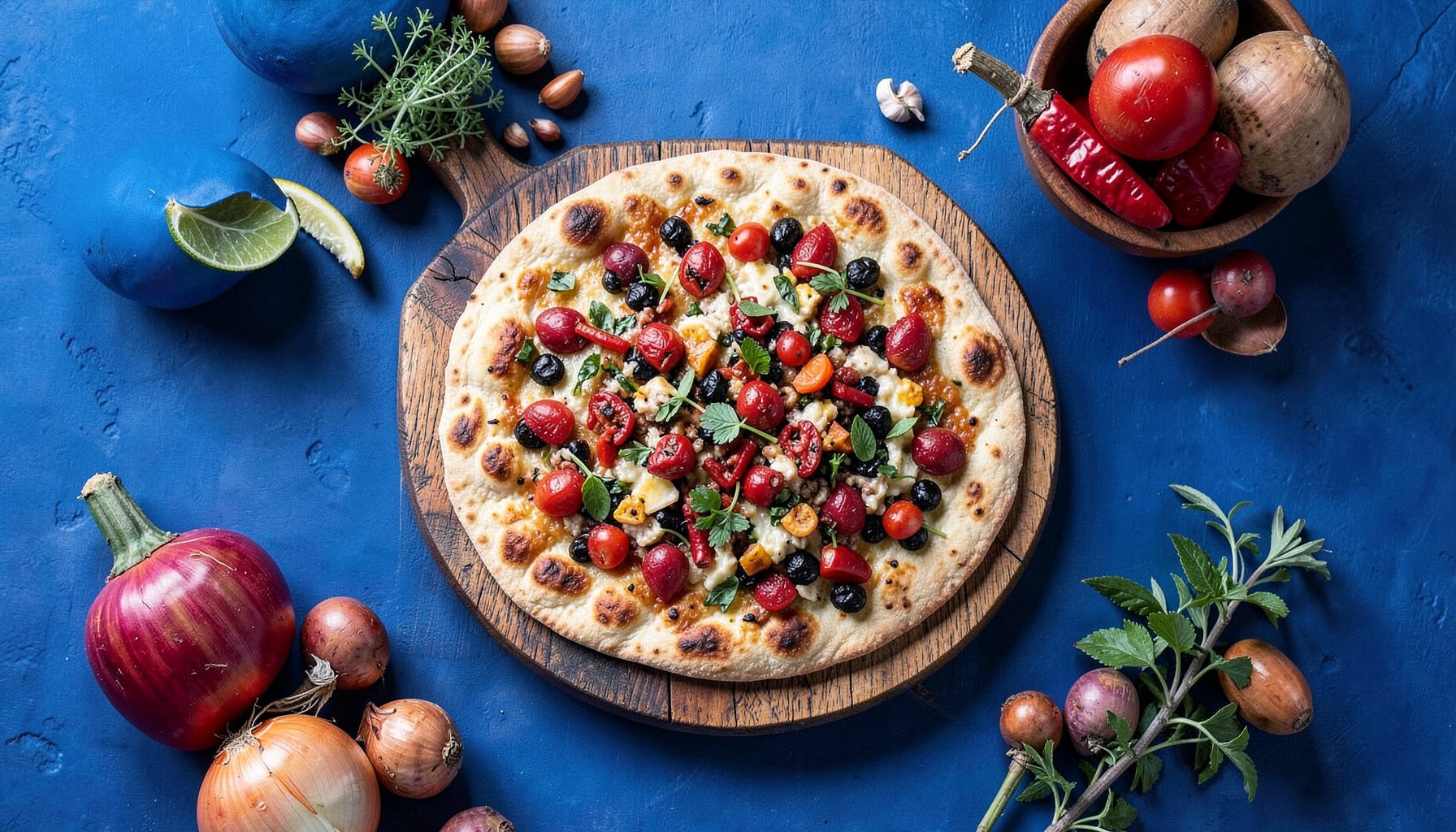
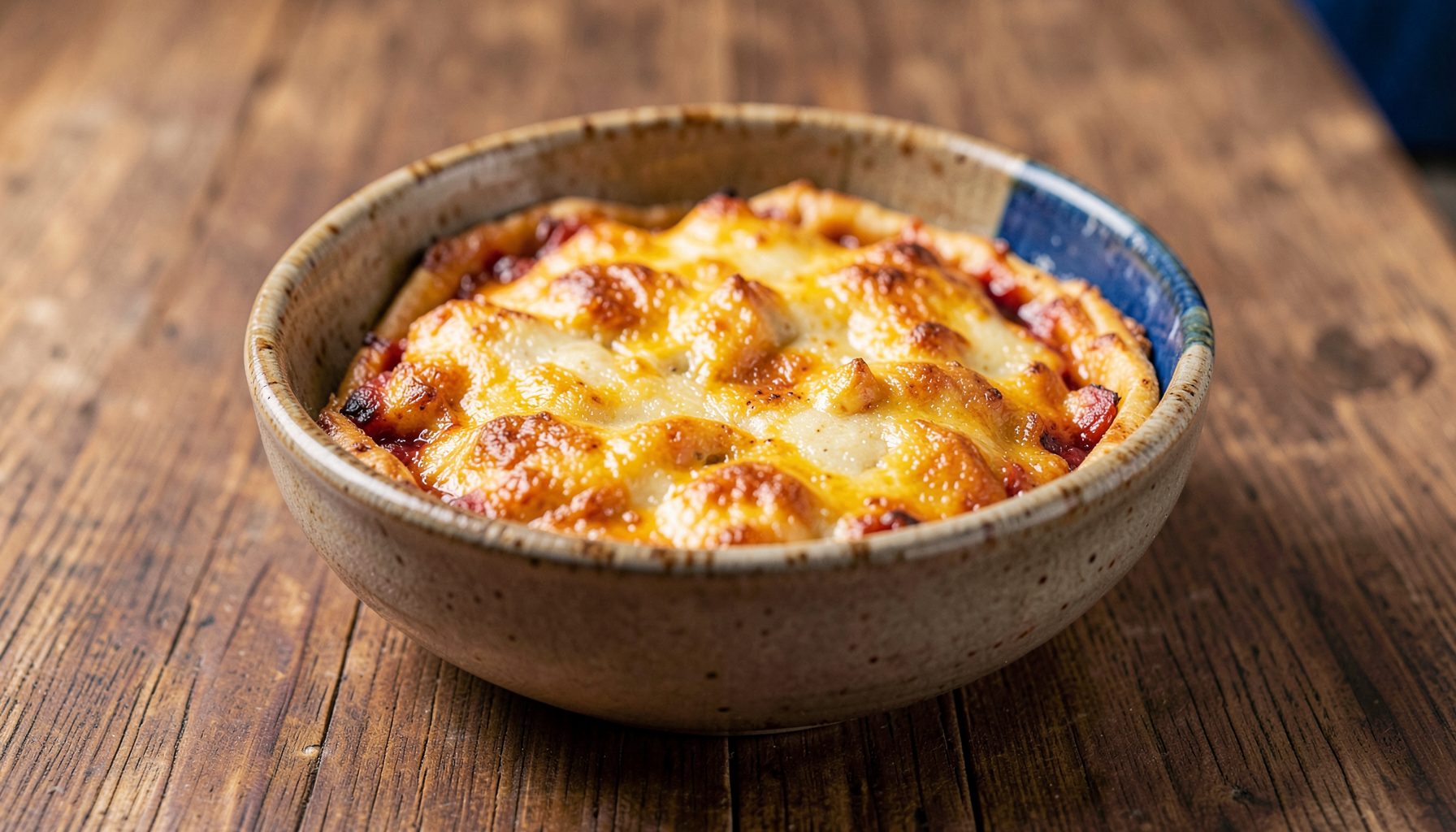
Laganum occupies an intriguing place in the history of Mediterranean food. The word appears in Greek and Latin culinary vocabulary, where it generally refers…
At the edge of the Theban necropolis, Deir el-Medina preserves an unusually intimate picture of ancient Egyptian life. The settlement housed artisans who…
The phrase “Greek fire” usually brings to mind the Byzantine incendiary weapon, a naval technology associated with the eastern Roman Empire from the seventh…
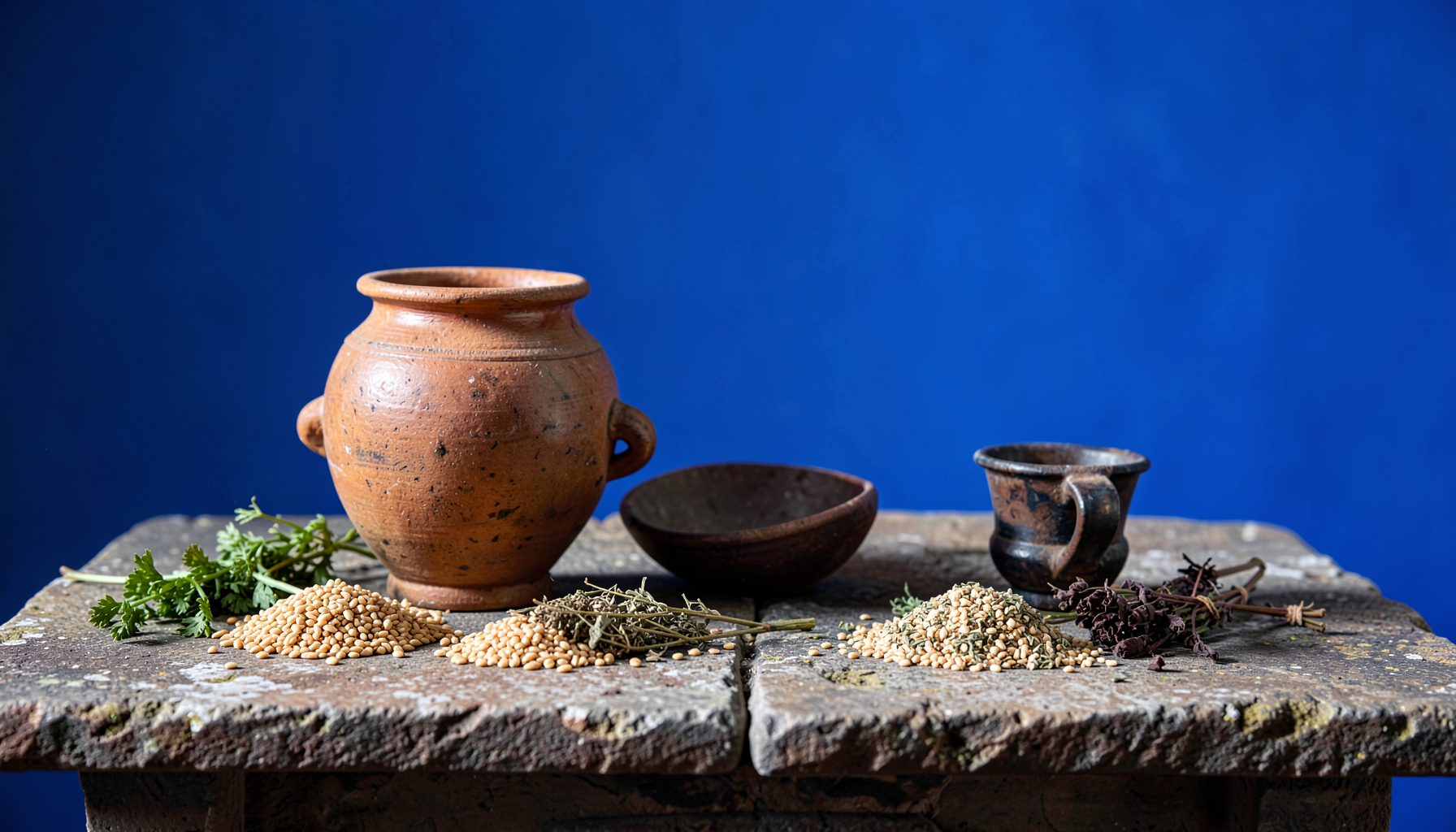
Barley was one of the most dependable foods in ancient Greece, and in Sparta it became closely associated with discipline, communal meals, and military…
Olives were among the most dependable foods in the Roman Mediterranean. They could be grown in dry soils, harvested over a long season, pressed for oil, or…
Petronius’s Satyricon offers one of antiquity’s most memorable meals in the episode commonly called the Cena Trimalchionis. The host, Trimalchio, is a wealthy…