Guides
The sun-scorched hillsides of Greece have produced some of the most aromatic plants ever recorded in human history. Wild thyme and oregano grow in rocky soil,…
When Mount Vesuvius entombed Pompeii beneath a blanket of ash in 79 CE, it also froze a culinary laboratory in time. The shops, villas, and back-alley…
The vast labour force behind Egypt's Old Kingdom pyramids lived and ate in purpose-built settlements clustered along the Nile floodplain. Recent excavations at…
Tucked in the Yale Babylonian Collection sits a small clay tablet that reads less like a museum object than a whispered kitchen instruction. The wedge-shaped…
Salt sat at the very centre of Roman life, seasoning the simplest dish and sealing the most solemn covenant. For Romans, it was never merely a seasoning or a…
Theocritus's Idylls, composed in the third century BCE, preserve some of the most vivid Mediterranean snapshots of daily life to survive from classical…
In the kitchens of ancient Rome, oysters held surprising prestige. Pliny the Elder documented their cultivation along the Lucrine Lake, while Horace praised…
The Etruscan people inhabited the Italian peninsula long before the rise of Rome, building cities, cultivating vineyards, and shaping a cuisine that merged…
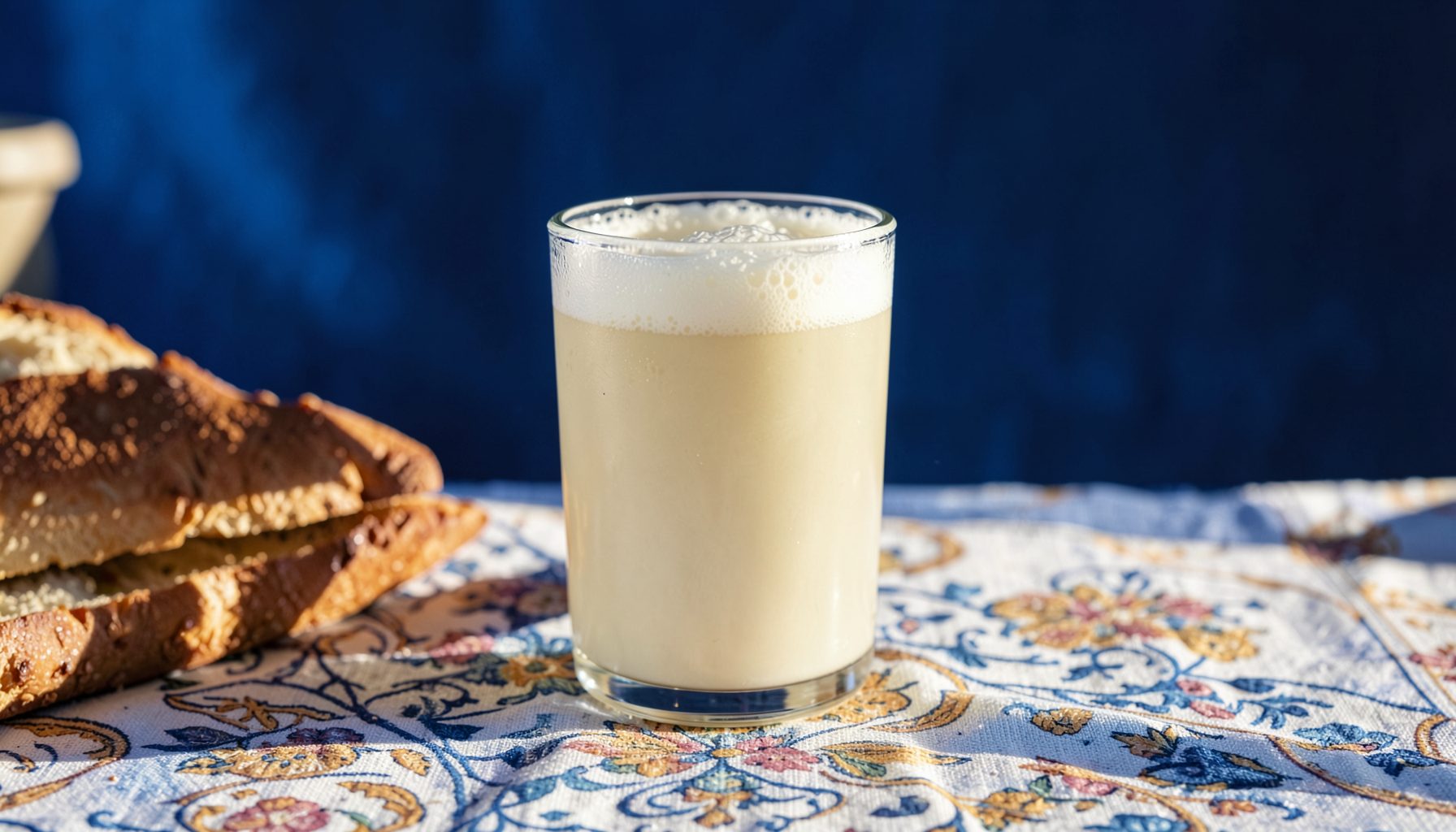
Long before the first vats of lager appeared in Bavarian cellars, the people of southern Mesopotamia were pouring thick, aromatic beers from clay vessels.…
The Greek symposion was far more than a wine-fuelled gathering of aristocrats reclining on couches. It was a structured social performance where poetry,…